Carrier air conditioners cost between $3,500 and $10,000+, depending on model, size, and installation complexity. While upfront costs are higher than some brands, their energy efficiency, durability, and advanced features often lead to long-term savings and comfort.
Key Takeaways
- Carrier air conditioners range from $3,500 to over $10,000: Prices vary by model, capacity, and efficiency rating, with premium units costing more.
- Installation significantly affects total cost: Professional installation can add $1,500–$3,000, depending on home layout and ductwork needs.
- SEER ratings impact long-term savings: Higher SEER (Seasonal Energy Efficiency Ratio) models cost more upfront but reduce monthly energy bills.
- Carrier offers multiple product lines: From budget-friendly Comfort Series to high-end Infinity Series, there’s a model for every budget.
- Rebates and incentives can lower costs: Federal, state, and utility rebates may reduce the final price by hundreds of dollars.
- Maintenance and warranties add value: Carrier’s strong warranties and reliability reduce long-term ownership costs.
- Size matters for performance and cost: An improperly sized unit can increase energy use and wear, so professional sizing is essential.
📑 Table of Contents
- How Much Do Carrier Air Conditioners Really Cost?
- Carrier Air Conditioner Price Range: What to Expect
- Factors That Influence Carrier Air Conditioner Costs
- Installation Costs: What You Need to Know
- Long-Term Costs: Energy Bills, Maintenance, and Repairs
- Ways to Reduce the Cost of a Carrier Air Conditioner
- Is a Carrier Air Conditioner Worth the Cost?
How Much Do Carrier Air Conditioners Really Cost?
When it comes to staying cool during those sweltering summer months, few brands inspire as much trust as Carrier. Known for innovation, reliability, and energy efficiency, Carrier has been a household name in HVAC for over a century. But with a reputation like that comes a big question: How much do Carrier air conditioners cost?
The short answer? It depends. Carrier air conditioners aren’t one-size-fits-all, and their pricing reflects a wide range of options tailored to different homes, climates, and budgets. Whether you’re replacing an old unit or installing central air for the first time, understanding the full cost picture—including equipment, installation, and long-term savings—is key to making a smart investment.
In this guide, we’ll break down everything you need to know about Carrier air conditioner costs. From entry-level models to high-efficiency systems, we’ll explore pricing, features, installation factors, and tips to help you get the best value. By the end, you’ll have a clear idea of what to expect and how to choose the right Carrier system for your home.
Carrier Air Conditioner Price Range: What to Expect
Carrier air conditioners are available in a broad price range, typically starting around $3,500 and going up to $10,000 or more for top-tier models. This range includes the cost of the unit itself, but not installation—which we’ll cover in detail later. To give you a clearer picture, let’s look at the three main product lines Carrier offers and how their pricing stacks up.
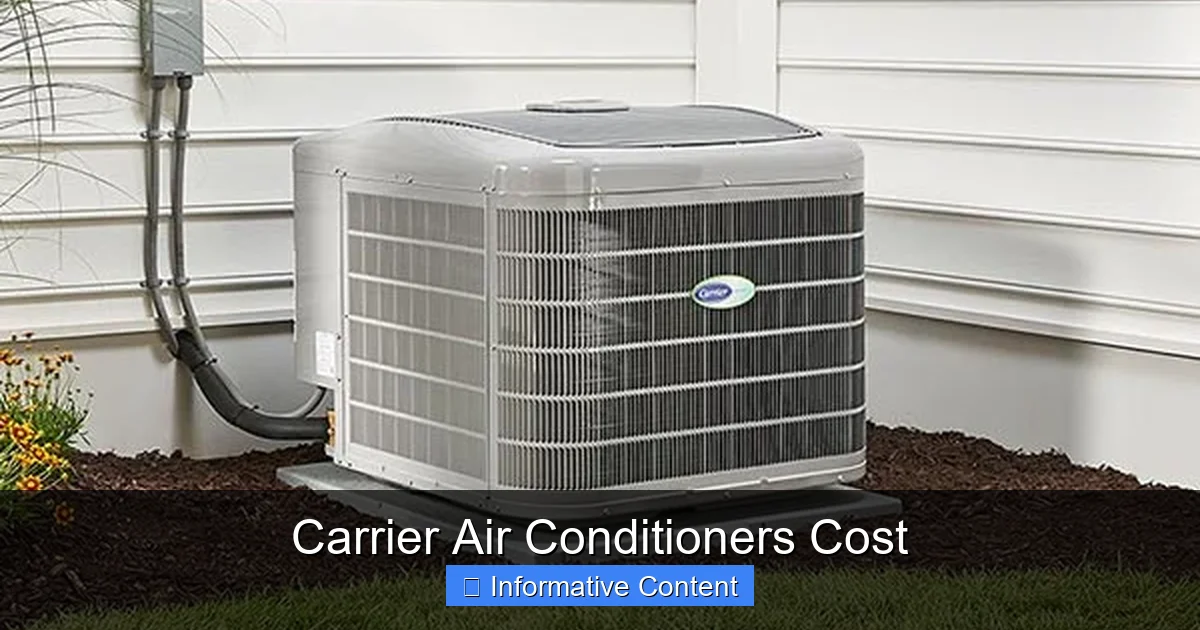
Visual guide about Carrier Air Conditioners Cost
Image source: mcallisterenergy.com
Comfort Series: Budget-Friendly Cooling
The Comfort Series is Carrier’s most affordable line, designed for homeowners who want reliable cooling without breaking the bank. These units typically cost between $3,500 and $5,500 for the equipment alone. They come with basic features like single-stage compressors and standard SEER ratings (usually 13–16), making them a solid choice for milder climates or smaller homes.
For example, a 2.5-ton Comfort Series unit with a 14 SEER rating might cost around $4,200. While it won’t offer the quiet operation or energy savings of higher-end models, it’s a dependable option for those on a tight budget. Plus, it still carries the Carrier name, which means better build quality and support than many budget brands.
Performance Series: Balanced Efficiency and Features
Stepping up, the Performance Series offers a great balance of efficiency, comfort, and price. These units range from $5,000 to $7,500 and include features like two-stage compressors, better humidity control, and higher SEER ratings (16–18). This makes them ideal for larger homes or areas with hot, humid summers.
Take a 3-ton Performance Series model with a 17 SEER rating—this could cost around $6,300. The two-stage compressor runs at a lower speed most of the time, saving energy and reducing wear. It also provides more consistent cooling, so you won’t experience those uncomfortable temperature swings. For many homeowners, this is the sweet spot between cost and performance.
Infinity Series: Premium Comfort and Efficiency
At the top of the line is the Infinity Series, Carrier’s flagship collection. These high-end units cost between $7,500 and $10,000+, with some models exceeding $12,000 when fully equipped. They feature variable-speed compressors, ultra-quiet operation, advanced zoning capabilities, and SEER ratings up to 26.
A 4-ton Infinity Series unit with a 21 SEER rating and built-in smart thermostat compatibility might run you around $9,500. These systems are designed for maximum comfort and energy savings, often cutting cooling costs by 30–50% compared to older units. They’re perfect for large homes, hot climates, or anyone who values quiet, even cooling year-round.
Factors That Influence Carrier Air Conditioner Costs
While the product line gives you a general idea of pricing, several other factors can push the cost of a Carrier air conditioner higher or lower. Understanding these variables will help you budget accurately and avoid surprises during the buying process.
Unit Size and Capacity
One of the biggest cost drivers is the size of the unit, measured in tons (1 ton = 12,000 BTUs). A 2-ton unit cools about 1,000 square feet, while a 5-ton unit can handle up to 2,500 square feet. Larger homes need bigger systems, and bigger systems cost more.
For example, a 3-ton Carrier unit might cost $5,500, while a 5-ton version of the same model could be $7,800. But size isn’t just about square footage—it also depends on insulation, window quality, sun exposure, and local climate. That’s why it’s crucial to get a professional load calculation (also called a Manual J) before buying. Oversized units cycle on and off too frequently, wasting energy and wearing out faster. Undersized units struggle to cool, leading to discomfort and higher bills.
SEER Rating and Energy Efficiency
SEER (Seasonal Energy Efficiency Ratio) measures how efficiently an air conditioner uses electricity over a cooling season. The higher the SEER, the less energy it uses—and the more it costs upfront. Federal law requires a minimum SEER of 14 in most regions, but Carrier offers units with SEER ratings up to 26.
A 14 SEER unit might cost $4,000, while a 20 SEER model could be $6,500. That’s a $2,500 difference, but the higher SEER unit can save you $100–$200 per year on electricity. Over 10–15 years, those savings add up. In hot climates like Arizona or Texas, the payback period can be as short as 5–7 years. So while the initial cost is higher, the long-term value is often worth it.
Installation Complexity
Installation is a major part of the total cost—often adding $1,500 to $3,000 or more. Simple replacements in homes with existing ductwork and easy access might cost on the lower end. But if you need new ductwork, electrical upgrades, or structural modifications, the price can climb quickly.
For instance, installing a Carrier unit in a home with outdated ducts might require $2,500 in duct repairs alone. Adding a new condenser pad, disconnect box, or refrigerant lines can add another $1,000. And if your home needs a permit or inspection, that’s another $100–$300. Always get multiple quotes from licensed HVAC contractors to compare installation costs.
Additional Features and Accessories
Carrier offers a range of add-ons that can increase the price but improve comfort and efficiency. These include:
- Smart thermostats: Like the Carrier Infinity Touch Control, which allows remote scheduling and energy tracking ($300–$600).
- Zoning systems: Let you control temperatures in different areas of your home, reducing wasted cooling ($1,000–$3,000).
- Air purifiers and humidifiers: Improve indoor air quality and comfort ($500–$1,500).
- Sound blankets and quiet fans: Reduce outdoor unit noise, especially important for bedrooms or patios ($200–$500).
While these features add to the upfront cost, they can enhance your home’s comfort, health, and resale value. For example, a zoning system can cut energy use by 20–30% by only cooling occupied rooms.
Installation Costs: What You Need to Know
When budgeting for a Carrier air conditioner, don’t forget installation. This is often the second-largest expense after the unit itself, and it’s not something you should skip or DIY. Professional installation ensures safety, efficiency, and warranty validity.
What’s Included in Installation?
A standard Carrier air conditioner installation typically includes:
- Removing the old unit (if applicable)
- Installing the new indoor and outdoor units
- Connecting refrigerant lines
- Electrical wiring and breaker setup
- Testing and commissioning the system
- Basic cleanup
Most contractors charge a flat rate for this work, ranging from $1,500 to $3,000. However, prices vary by region, contractor experience, and job complexity. In high-cost areas like California or New York, expect to pay on the higher end.
Extra Costs to Watch For
Some installations require additional work that can increase costs:
- Ductwork modifications: If your ducts are leaking, undersized, or poorly designed, repairs or replacements may be needed ($1,000–$4,000).
- Electrical upgrades: Older homes may need a new circuit or panel to handle the AC load ($500–$2,000).
- Permits and inspections: Required in most areas, costing $100–$300.
- Crane or rigging: For rooftop units or hard-to-reach locations ($500–$1,500).
Always ask for a detailed quote that breaks down labor, materials, and any potential extras. A good contractor will explain what’s needed and why.
Choosing the Right Installer
Not all HVAC contractors are created equal. Look for a Carrier Factory Authorized Dealer—these technicians are trained and certified by Carrier and often provide better service and warranty support. You can find one using Carrier’s dealer locator on their website.
Get at least three quotes, check online reviews, and ask about warranties on labor (typically 1–2 years). A slightly higher installation cost from a reputable contractor is often worth it for peace of mind and long-term performance.
Long-Term Costs: Energy Bills, Maintenance, and Repairs
While the upfront cost of a Carrier air conditioner is important, it’s only part of the story. To understand the true cost of ownership, you need to consider energy bills, maintenance, and potential repairs over the system’s lifespan.
Energy Savings with High-Efficiency Models
Carrier’s high-SEER models can significantly reduce your monthly cooling costs. For example, upgrading from a 10 SEER unit to a 16 SEER Carrier system can cut energy use by 37%. In a hot climate with high electricity rates, that could save $150–$300 per year.
Let’s say you pay $0.15 per kWh and run your AC for 1,200 hours per year. A 3-ton, 10 SEER unit uses about 3,600 kWh annually, costing $540. A 3-ton, 16 SEER Carrier unit uses only 2,250 kWh, costing $337.50. That’s a $202.50 annual savings. Over 15 years, that’s over $3,000—enough to offset much of the higher upfront cost.
Maintenance Costs
Regular maintenance keeps your Carrier unit running efficiently and extends its life. Basic maintenance includes cleaning coils, checking refrigerant levels, and replacing filters. You can do some of this yourself, but annual professional tune-ups are recommended.
A typical HVAC maintenance visit costs $100–$200. Some homeowners opt for a maintenance plan ($150–$300 per year), which includes two visits and priority service. While this adds to the annual cost, it can prevent costly breakdowns and keep your warranty valid.
Repair and Replacement Costs
Carrier units are known for reliability, but like any mechanical system, they can break down. Common issues include capacitor failure, refrigerant leaks, or fan motor problems. Repairs typically cost $150–$600, depending on the part and labor.
The good news? Carrier offers strong warranties. Most models come with a 10-year compressor warranty and 5–10 year parts coverage. If you register your unit within 90 days of installation, you may qualify for extended protection. This reduces out-of-pocket repair costs and adds peace of mind.
Lifespan and Resale Value
A well-maintained Carrier air conditioner can last 15–20 years—longer than many competitors. This longevity spreads the initial cost over more years, lowering the annual ownership cost. Plus, a high-efficiency Carrier system can boost your home’s resale value. Buyers often pay more for homes with modern, energy-efficient HVAC systems.
Ways to Reduce the Cost of a Carrier Air Conditioner
While Carrier air conditioners are a premium investment, there are several ways to reduce the overall cost and improve your return on investment.
Take Advantage of Rebates and Incentives
Many federal, state, and utility programs offer rebates for high-efficiency HVAC systems. For example, the federal tax credit for energy-efficient home improvements (25C) may cover 30% of the cost of a qualifying Carrier unit, up to $600. Some states offer additional rebates—California’s TECH Clean California program, for instance, provides up to $1,000 for heat pumps and high-efficiency ACs.
Check the Database of State Incentives for Renewables & Efficiency (DSIRE) or ask your HVAC contractor about available programs. These rebates can knock hundreds—or even thousands—off your total cost.
Time Your Purchase Strategically
HVAC contractors often offer discounts during the off-season (fall and winter). Installing a new AC in October instead of July could save you 10–15% on labor and equipment. Plus, you’ll avoid the summer rush and may get faster service.
Bundle with Other Upgrades
If you’re also replacing your furnace or installing a smart thermostat, bundling services can reduce costs. Many contractors offer package deals that include multiple systems at a lower rate than buying separately.
Finance Your Purchase
Carrier and many dealers offer financing options with low or no interest for qualified buyers. For example, Carrier’s “Carrier Credit Card” offers 0% APR for 12–18 months on purchases over $2,000. This lets you spread the cost over time without paying extra, as long as you pay it off before the promotional period ends.
Choose the Right Size and Features
Don’t overspend on a unit that’s too large or loaded with features you don’t need. A professional load calculation ensures you get the right size. And while smart thermostats are great, you might not need a zoning system if your home is small. Focus on efficiency and reliability first, then add extras based on your budget and needs.
Is a Carrier Air Conditioner Worth the Cost?
So, after all this, is a Carrier air conditioner worth the investment? For most homeowners, the answer is yes—especially if you plan to stay in your home long-term. While the upfront cost is higher than some brands, Carrier’s reputation for quality, energy efficiency, and durability translates into real value over time.
You’re not just buying a machine—you’re investing in comfort, lower energy bills, and peace of mind. With proper maintenance, a Carrier unit can keep your home cool and efficient for 15–20 years. And with rising energy costs and increasing demand for sustainable living, high-efficiency systems like Carrier’s are becoming smarter financial choices.
Of course, your specific needs matter. If you live in a mild climate and only use AC a few months a year, a lower-cost model might suffice. But if you’re in a hot, humid area or value quiet, even cooling, the Performance or Infinity Series could be well worth the extra cost.
Ultimately, the best way to determine if a Carrier air conditioner fits your budget is to get personalized quotes from local dealers. Compare models, efficiency ratings, and installation costs. Factor in rebates, energy savings, and long-term benefits. And remember: the cheapest option isn’t always the best value. Sometimes, paying a little more upfront saves you a lot more down the road.
Frequently Asked Questions
How much does a Carrier air conditioner cost on average?
The average cost of a Carrier air conditioner ranges from $3,500 to $10,000 for the unit alone, depending on the model, size, and efficiency. Installation typically adds $1,500 to $3,000, bringing the total to $5,000–$13,000.
Are Carrier air conditioners more expensive than other brands?
Carrier air conditioners are generally priced at the higher end compared to brands like Goodman or Rheem, but they offer better build quality, efficiency, and reliability. They’re comparable in cost to Trane and Lennox.
Can I install a Carrier air conditioner myself to save money?
No, installing an air conditioner requires licensed professionals due to electrical, refrigerant, and safety regulations. DIY installation voids warranties and can be dangerous. Always hire a certified HVAC contractor.
Do Carrier air conditioners qualify for rebates?
Yes, many Carrier models qualify for federal, state, and utility rebates, especially high-efficiency units with SEER ratings of 16 or higher. Check with your local energy provider or use the DSIRE database to find available incentives.
How long do Carrier air conditioners last?
With proper maintenance, Carrier air conditioners typically last 15–20 years. Regular tune-ups, clean filters, and timely repairs help maximize lifespan and performance.
Is a higher SEER rating worth the extra cost?
Yes, especially in hot climates. A higher SEER rating means lower energy bills and faster payback. For example, upgrading from 14 SEER to 20 SEER can save $100–$200 per year, making it a smart long-term investment.