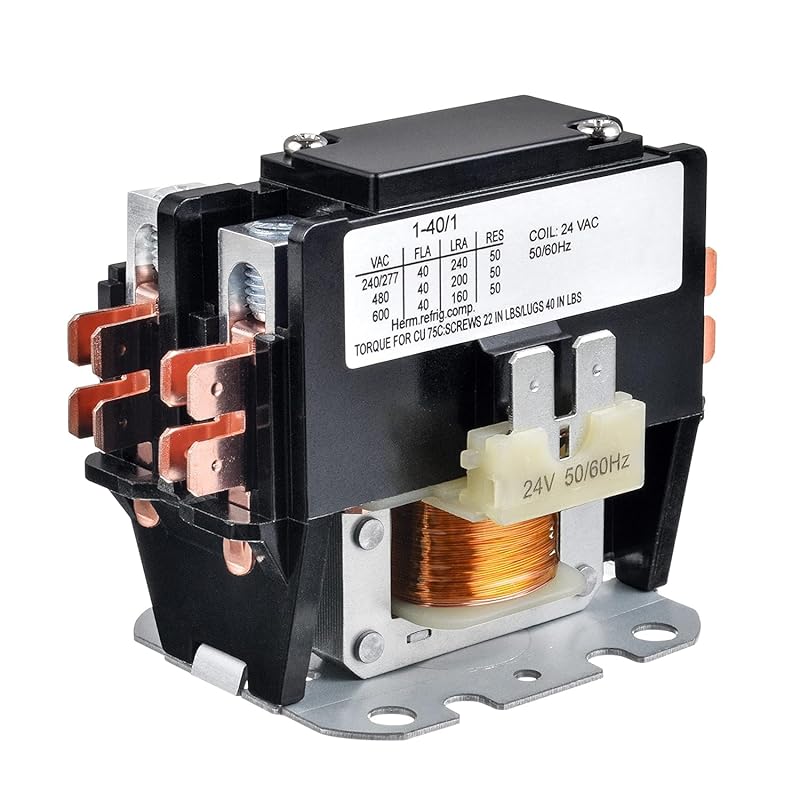
Discover how the Carrier RV air conditioner heat pump delivers powerful cooling and efficient heating for your recreational vehicle. Ideal for off-grid adventures or summer road trips, this dual-function unit combines quiet operation with energy savings. Whether you’re boondocking or parked at a campsite, enjoy consistent indoor comfort without draining your batteries.
Key Takeaways
- Dual Functionality: The Carrier RV air conditioner heat pump provides both cooling in summer and heating in winter, eliminating the need for separate systems.
- Energy Efficiency: Designed with inverter technology, it adjusts power use based on demand, reducing electricity consumption and extending battery life.
- Compact & Lightweight: Engineered specifically for RVs, it’s easier to install and less likely to stress rooftop structures compared to standard AC units.
- Quiet Operation: Advanced compressor and fan designs minimize noise, so you can relax without constant hum in the background.
- Durability: Built with marine-grade materials and corrosion-resistant components to withstand outdoor conditions and long-term use.
- Easy Installation & Maintenance: Comes with clear instructions and user-friendly features like washable filters and accessible wiring.
- Warranty Support: Backed by Carrier’s trusted customer service and industry-leading warranty coverage for peace of mind.
Quick Answers to Common Questions
What is the difference between an RV AC and a heat pump?
An RV air conditioner only cools by removing heat from inside; a heat pump can also provide heating by transferring warmth from outside—even in cool weather—making it a dual-purpose system.
Can a Carrier heat pump work in freezing temperatures?
Yes, but with reduced efficiency below freezing. Most Carrier RV heat pumps operate effectively down to 30°F, though supplemental heat may be needed in colder climates.
Do I need special wiring for a Carrier RV heat pump?
Most require a dedicated 115V or 230V circuit. Always consult your RV’s electrical system and follow local codes—or hire a qualified technician for installation.
How much does a Carrier RV heat pump cost?
Prices typically range from $1,200 to $2,500 depending on BTU size and features. Installation adds another $200–$600. Check for seasonal promotions or dealer incentives.
Is it hard to install myself?
DIY installation is possible with basic tools and mechanical aptitude. However, professional installation ensures safety, warranty validity, and optimal performance—especially for complex roof types.
📑 Table of Contents
- The Ultimate Guide to Carrier RV Air Conditioner Heat Pumps
- Why Choose a Heat Pump Over Standard AC?
- How Does a Carrier RV Heat Pump Work?
- Choosing the Right Model for Your RV
- Maintenance Tips to Keep Your System Running Smoothly
- Real-World Benefits: What RVers Are Saying
- Common Misconceptions About RV Heat Pumps
- Final Thoughts: Is a Carrier RV Air Conditioner Heat Pump Right for You?
The Ultimate Guide to Carrier RV Air Conditioner Heat Pumps
If you’ve ever spent a sweltering summer night in your RV only to shiver through a cold morning, you know the struggle: one season needs cooling, the next demands warmth. Traditional RV setups often require two separate systems—an air conditioner for hot days and an electric heater or propane furnace for winter—which takes up space, adds weight, and increases complexity. Enter the Carrier RV air conditioner heat pump: a sleek, all-in-one solution that cools and heats your home-on-wheels efficiently and quietly.
Carrier, a name synonymous with HVAC excellence since 1934, has brought its engineering expertise into the world of recreational vehicles. Their heat pump models are designed not just to meet but exceed the unique challenges of mobile living. From boondocking under the stars to staying cozy during a mountain cabin retreat, these units deliver consistent comfort while conserving precious battery power. In this guide, we’ll walk you through everything you need to know about choosing, installing, and maintaining a Carrier RV air conditioner heat pump so you can focus on what really matters—your journey.
Why Choose a Heat Pump Over Standard AC?
At first glance, an air conditioner might seem like the obvious choice for cooling an RV. After all, most RVers already own one. But when you add heating into the equation, things get complicated. Most standard RV AC units can’t produce heat—they only remove hot air from inside. That means you’d need a separate furnace or space heater to stay warm, especially during chilly spring evenings or fall mornings.
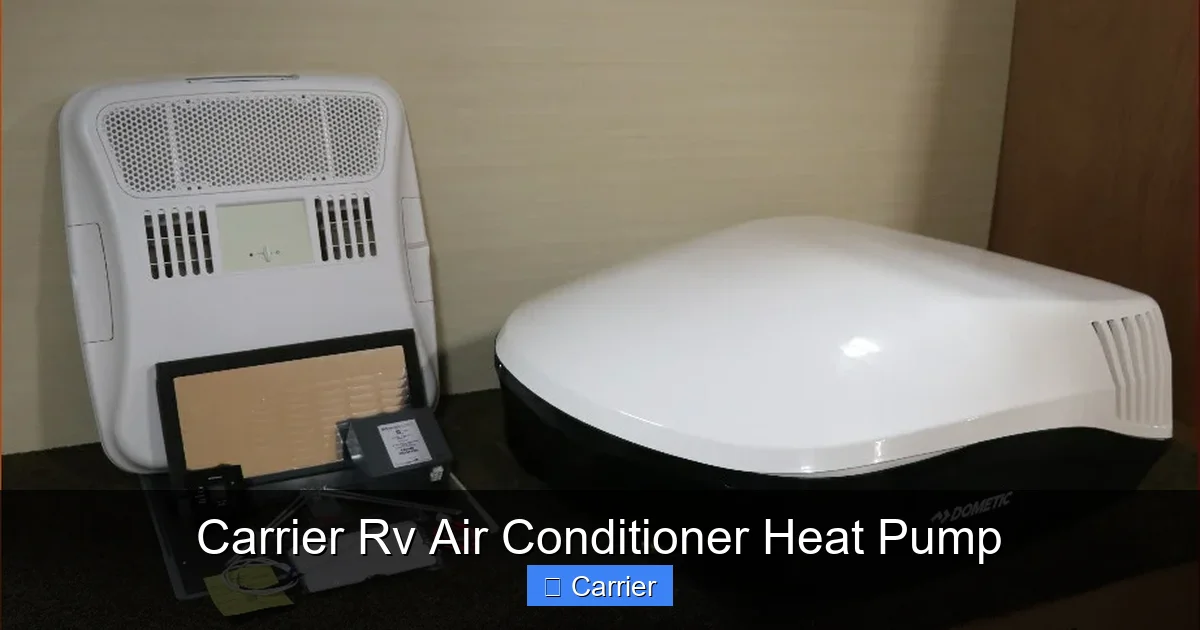
Visual guide about Carrier Rv Air Conditioner Heat Pump
Image source: rvappliances.visonerv.com
A heat pump, on the other hand, works like a reverse refrigerator. It transfers thermal energy rather than generating it, pulling warmth from outside (even in cool weather) and moving it indoors. During summer, it operates as a traditional AC by reversing the cycle and expelling heat outside. This dual functionality makes it ideal for regions with moderate climates where temperatures rarely dip far below freezing.
The Energy Advantage
One of the biggest benefits of a Carrier RV air conditioner heat pump is its efficiency. While traditional electric heaters consume large amounts of power to generate heat, heat pumps use much less energy because they’re moving existing heat instead of creating new warmth. For RVers who rely on solar panels or deep-cycle batteries, this difference can mean the difference between running your lights all night or going dark early.
Many modern Carrier models include variable-speed compressors and smart controls that adjust output based on room temperature. This means the unit doesn’t work harder than necessary—keeping your space comfortable without wasting electricity. According to independent tests, some RV heat pumps can achieve Coefficient of Performance (COP) ratings above 3.0, meaning they produce three times more heating energy than the electrical input used.
Space and Weight Savings
RVs have limited roof space and strict weight limits. Adding both an AC unit and a furnace can quickly push your rig over capacity—especially if you’re already carrying generators, extra tanks, or heavy cargo. A single Carrier heat pump replaces both systems, freeing up room for solar panels, storage bins, or even a larger fresh water tank.
These units are also engineered to be lightweight without sacrificing performance. For example, the Carrier 15K BTU model weighs around 120 pounds—less than many conventional furnaces—and mounts securely without reinforcing your roof structure.
How Does a Carrier RV Heat Pump Work?
Understanding the basics of how your Carrier RV air conditioner heat pump functions helps explain why it’s so effective. At its core, the system uses four main components: an evaporator coil, a compressor, a condenser coil, and expansion valve. Together, they form a closed loop where refrigerant flows continuously to absorb and release heat.
Visual guide about Carrier Rv Air Conditioner Heat Pump
Image source: embitel.com
Cooling Mode (Summer)
In cooling mode, the process starts with warm indoor air being pulled across the evaporator coil. As the refrigerant inside absorbs heat, it turns from liquid to vapor. The compressor then pressurizes this vapor, sending it outdoors where the condenser coil releases the heat into the environment. Cold air returns to your RV, lowering the interior temperature.
Heating Mode (Winter or Cool Days)
Switching to heating reverses the cycle. Now, the outdoor unit acts as an evaporator, absorbing ambient heat even when it’s chilly outside. This heat is boosted by the compressor and transferred indoors through the indoor coil. So even on a 40°F day, your Carrier heat pump can keep your RV at a pleasant 70°F—no propane required.
Smart Controls and Thermostats
Modern Carrier models come with programmable thermostats that learn your preferences and schedule. Some even connect to mobile apps, letting you adjust settings remotely before arriving at your destination. This feature is especially handy if you’re traveling between vastly different climates—say, from Arizona desert heat to Colorado alpine chill.
Choosing the Right Model for Your RV
Not all Carrier RV air conditioner heat pumps are created equal. Choosing the right size depends on several factors: your RV’s square footage, insulation quality, climate zone, and whether you prioritize cooling, heating, or balanced performance.
Btu Ratings Explained
BTU stands for British Thermal Unit—a measure of cooling or heating power. For RVs, common sizes range from 8,000 to 15,000 BTUs. Here’s a quick guide:
- 8,000–9,000 BTU: Best for small travel trailers (under 200 sq ft) or single-room setups.
- 10,000–12,000 BTU: Ideal for mid-sized fifth wheels or Class C motorhomes (200–300 sq ft).
- 13,500–15,000 BTU: Recommended for larger fifth wheels, Class A motorhomes, or well-insulated units needing strong cooling.
Over-sizing your unit wastes energy and causes short cycling (frequent on/off), which wears out components faster. Under-sizing leads to poor performance and constant strain on the system.
Climate Considerations
If you camp in extreme heat (above 100°F), look for a model with enhanced compressor cooling and high-ambient performance. In colder regions, ensure the heat pump can operate efficiently down to 30°F—some models go lower, but efficiency drops after that point. For true four-season use, consider pairing your heat pump with a supplemental furnace for sub-freezing nights.
Installation Requirements
Proper installation is critical for safety and performance. Most Carrier heat pumps require:
- A dedicated electrical circuit (115V or 230V depending on model)
- Clearance around vents and coils for airflow
- Secure mounting hardware compatible with your RV’s roof material (metal, fiberglass, Eternabond)
- Professional-grade refrigerant handling tools (if servicing yourself)
While DIYers can handle basic installations, consulting an RV technician familiar with Carrier systems ensures compliance with manufacturer specs and local codes.
Maintenance Tips to Keep Your System Running Smoothly
Like any mechanical system, your Carrier RV air conditioner heat pump performs best with regular care. Neglecting maintenance leads to reduced efficiency, higher energy bills, and premature failure—especially important when you’re thousands of miles from help.
Monthly Checks
Make it a habit to inspect:
- Air Filters: Replace or clean every 30 days. Clogged filters restrict airflow and force the compressor to work harder.
- Coils: Wipe down both indoor and outdoor coils monthly to remove dust and debris. Dirty coils reduce heat exchange efficiency.
- Vents: Ensure no obstructions near intake/exhaust grilles.
Seasonal Deep Cleans
Before spring and fall—when you switch between modes—give your system a thorough cleaning:
- Flush drain lines to prevent mold and clogs
- Check refrigerant levels (only certified technicians should do this)
- Lubricate moving parts per manufacturer guidelines
- Test thermostat accuracy with an external thermometer
Winterization
If you store your RV during freezing months, drain all water lines and add antifreeze to prevent pipe bursts. Also disconnect the power supply and cover the unit to protect against snow and ice buildup.
Real-World Benefits: What RVers Are Saying
Don’t just take our word for it—hear from real owners who’ve made the switch to Carrier heat pumps:
“I used to run my generator just to heat my 30-foot travel trailer at night in Montana. Since installing the Carrier 13.5K heat pump, I haven’t touched the generator for heat. It keeps us warm down to 25°F, and the battery lasts two nights now.” — Mike T., full-time RVer
“The quiet operation is amazing. My wife can sleep through the night without hearing the usual AC hum. And switching to heat mode feels seamless—no flipping switches or waiting for the furnace to kick in.” — Sarah L., weekend warrior
These testimonials highlight key advantages: reliability, quietness, and energy independence—all hallmarks of Carrier’s design philosophy.
Common Misconceptions About RV Heat Pumps
Despite their growing popularity, there are still myths floating around about RV heat pumps—especially Carrier models. Let’s clear them up:
Myth #1: “Heat Pumps Don’t Work in Cold Weather”
Truth: Modern Carrier heat pumps can extract heat from air as cold as 30°F, though efficiency decreases below freezing. They’re perfect for temperate zones but may need backup heat in Arctic climates.
Myth #2: “They’re Too Expensive to Run”
Truth: While upfront cost is higher than a standard AC, the long-term savings on fuel or generator use often offset it within 1–2 years—depending on usage patterns.
Myth #3: “Installation Is Complicated”
Truth: With proper planning and basic tools, many owners install Carrier units themselves. Carrier provides detailed manuals and video tutorials to guide you step-by-step.
Final Thoughts: Is a Carrier RV Air Conditioner Heat Pump Right for You?
If you value comfort, convenience, and control over your RV environment—without compromising on efficiency or reliability—then a Carrier RV air conditioner heat pump is worth serious consideration. Whether you’re escaping scorching summers or braving crisp autumn mornings, this versatile system adapts to your needs while respecting your power limits.
From its robust build quality to intelligent energy management, Carrier brings decades of innovation to the world of mobile living. And with widespread availability through authorized dealers and online retailers, finding the right model for your rig is easier than ever.
So next time you plan your adventure, ask yourself: Do I want to carry extra equipment… or enjoy seamless comfort anywhere the road takes me? With a Carrier heat pump, the answer is clear.
Frequently Asked Questions
=== FAQS ===
Can I use a Carrier heat pump without a generator?
Yes! Because heat pumps are highly efficient, many RVers run them solely on battery or solar power—especially in mild climates. Just monitor your power levels closely.
How often should I replace the filter?
Replace or clean your filter every 30 days, or more frequently if you camp in dusty areas. Clogged filters reduce airflow and increase energy use.
Will a heat pump damage my RV’s roof?
No—Carrier designs its units to distribute weight evenly and avoid concentrated stress points. Use proper mounting brackets and avoid over-tightening screws.
Are Carrier heat pumps compatible with all RV roofs?
Most are compatible with metal, fiberglass, and Eternabond roofs, but always verify model-specific requirements and use appropriate sealants to prevent leaks.
Do I need a separate thermostat?
Many Carrier models come with integrated digital thermostats, but you can upgrade to programmable or Wi-Fi-enabled versions for greater control and scheduling flexibility.
What happens if the refrigerant leaks?
Refrigerant leaks should be addressed immediately by a certified technician. Low refrigerant levels reduce efficiency and can damage the compressor over time.