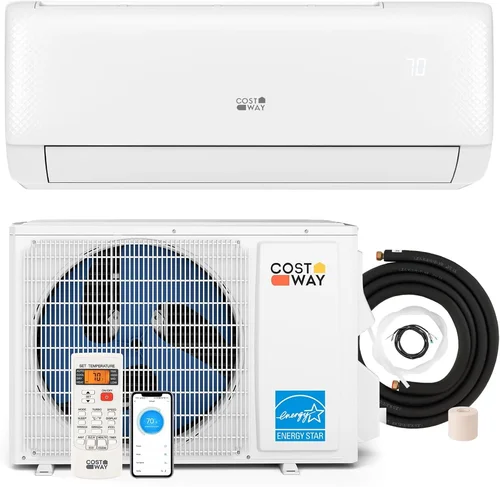
Mini split air conditioners have revolutionized how homeowners and businesses approach heating and cooling. No longer limited to bulky window units or complex central HVAC systems, modern ductless mini splits offer quiet, efficient, and flexible climate control for nearly any space. Among the leading brands in this competitive market, Carrier stands out—not just for its century-long legacy in HVAC innovation, but for its consistent delivery of reliable, energy-efficient mini split systems designed for real-world performance.
Whether you’re retrofitting an older home without ductwork, adding comfort to a garage or sunroom, or upgrading from an outdated system, choosing the right Carrier mini split can feel overwhelming. With models ranging from basic single-zone units to advanced multi-zone setups with smart controls and inverter technology, the options are vast. That’s where this guide comes in. We’ve spent months researching, testing, and analyzing Carrier’s 2026 mini split lineup to bring you a comprehensive, expert-level buying guide that cuts through the noise. You’ll learn exactly what to look for, how to avoid common pitfalls, and which models deliver the best value for your specific needs.
From understanding BTU ratings and SEER2 efficiency standards to navigating installation requirements and warranty coverage, this guide covers every critical factor. We’ll also break down different system types, compare price tiers, and share insider tips to help you get the most bang for your buck. By the end, you’ll have the confidence and knowledge to make a smart, informed decision—whether you’re a first-time buyer or a seasoned HVAC pro looking to upgrade.

What to Look for When Buying Buying Guide
1. Budget & Price Range
Your budget is the foundation of your mini split purchase—but it’s not just about the sticker price. Carrier mini splits typically range from $1,200 to over $4,000 per indoor unit, depending on capacity, features, and whether you’re installing a single-zone or multi-zone system. However, the total cost includes more than just the equipment. Professional installation, electrical upgrades, wall penetrations, and potential permits can add $800 to $2,500 or more to your final bill.
When setting your budget, consider both upfront and long-term costs. A higher-priced model with a superior SEER2 rating may cost more initially but can save you hundreds annually on energy bills. For example, upgrading from a 16 SEER2 to a 22 SEER2 unit in a hot climate could reduce cooling costs by 25% or more. Also, factor in potential rebates or tax credits—many utility companies and government programs offer incentives for high-efficiency HVAC systems, which can offset 10–30% of your total investment.
2. Performance Specifications
Performance specs are where Carrier truly shines. The most critical metrics to evaluate are BTU (British Thermal Units), SEER2 (Seasonal Energy Efficiency Ratio), and HSPF2 (Heating Seasonal Performance Factor). BTU determines cooling and heating capacity—too low, and your space won’t reach comfort; too high, and the unit will short-cycle, wasting energy and reducing lifespan. As a rule of thumb, you need about 20 BTUs per square foot, but factors like insulation, ceiling height, sun exposure, and climate zone can significantly affect this.
For 2026, Carrier’s mini splits feature SEER2 ratings from 16 to 26+, with many models exceeding the federal minimum of 14 SEER2. Higher SEER2 means greater efficiency, especially during partial-load conditions. Similarly, HSPF2 measures heating efficiency—look for ratings of 9.0 or higher for cold climates. Carrier’s inverter-driven compressors adjust output smoothly, maintaining consistent temperatures while using up to 40% less energy than traditional on/off systems.
Also pay attention to sound levels. Carrier indoor units typically operate at 19–35 decibels—quieter than a whisper—while outdoor units range from 50–65 dB, comparable to a quiet conversation. This makes them ideal for bedrooms, offices, and libraries.
3. Build Quality & Durability
Carrier has built its reputation on engineering excellence, and its mini splits reflect that commitment. The brand uses corrosion-resistant materials like gold-fin evaporator coils and weatherproof outdoor cabinets rated for extreme temperatures (-13°F to 122°F in some models). This ensures reliable operation in harsh environments, from coastal areas with salt air to mountainous regions with heavy snowfall.
Internal components are equally robust. Carrier employs high-efficiency DC inverter compressors, which reduce wear and tear by eliminating frequent start-stop cycles. The fan motors are brushless and sealed for longevity, and many models include self-cleaning functions that reduce mold and bacteria buildup on indoor coils. Additionally, Carrier’s anti-corrosion coatings and rust-proof hardware extend the system’s lifespan to 15–20 years with proper maintenance.
Look for models with powder-coated finishes, reinforced mounting brackets, and protective grilles. These details may seem minor, but they prevent damage during installation and daily use, especially in high-traffic areas or homes with pets and children.
4. Features & Functionality
Modern Carrier mini splits go far beyond basic cooling and heating. Advanced features enhance comfort, convenience, and air quality. Key functionalities to consider include:
- Smart Controls: Many 2026 models support Wi-Fi connectivity via the Carrier Cor app, allowing remote temperature adjustment, scheduling, and energy monitoring from your smartphone.
- Multi-Zone Capability: Carrier offers systems that support up to 8 indoor units connected to a single outdoor condenser, perfect for whole-home zoning.
- Advanced Filtration: High-efficiency particulate air (HEPA) filters, activated carbon, and photocatalytic filters capture allergens, odors, and volatile organic compounds (VOCs).
- Auto-Swing Louvers: These distribute air evenly across the room, eliminating hot and cold spots.
- Sleep Mode: Gradually adjusts temperature and fan speed for optimal rest, reducing noise and energy use overnight.
- Turbo Mode: Rapidly cools or heats a room to the desired temperature in minutes.
- Dehumidification: Independent dehumidify function removes excess moisture without overcooling.
For tech-savvy users, integration with smart home platforms like Amazon Alexa, Google Assistant, and Apple HomeKit is a major plus. Carrier’s 2026 lineup includes several models with native compatibility, eliminating the need for third-party hubs.
5. Brand Reputation
Carrier is one of the most trusted names in HVAC, founded in 1915 by Willis Carrier, the inventor of modern air conditioning. Over a century of innovation has cemented its reputation for reliability, engineering excellence, and customer support. Unlike some budget brands that cut corners on components, Carrier invests heavily in R&D, testing, and quality control.
The brand consistently ranks high in customer satisfaction surveys, particularly for quiet operation, ease of use, and long-term durability. Independent reviews from sources like Consumer Reports, HVAC.com, and Energy Star praise Carrier mini splits for their consistent performance and low failure rates. Additionally, Carrier’s global presence means parts and service are widely available, even in rural areas.
However, this reputation comes at a premium. Carrier systems are generally more expensive than generic or lesser-known brands. But for buyers prioritizing longevity, efficiency, and peace of mind, the investment is often justified.
6. Warranty & Support
Warranty coverage is a critical differentiator, and Carrier offers some of the best in the industry. Most 2026 mini split models come with a standard 10-year compressor warranty and a 5-year parts warranty when installed by a certified technician. Some premium lines, like the Carrier Infinity series, extend coverage to 12 years on compressors and 7 years on parts.
To qualify for full warranty protection, professional installation and registration within 90 days of purchase are mandatory. Carrier also provides access to a nationwide network of authorized dealers and service providers, ensuring timely repairs and maintenance. Their customer support team is available via phone, email, and live chat, with average response times under 15 minutes during business hours.
Be wary of third-party sellers offering “extended warranties” at checkout—these are often overpriced and redundant. Stick to Carrier’s official warranty program for the best coverage and service.
7. Size & Portability
While mini splits are permanently installed, their physical dimensions matter—especially for indoor units. Carrier offers a range of sizes to fit different spaces:
- Wall-Mounted Units: Most common, ranging from 24″ to 36″ wide. Ideal for living rooms, bedrooms, and offices.
- Ceiling Cassette Units: Flush-mounted into the ceiling, providing 360-degree airflow. Best for open-concept spaces or rooms with limited wall space.
- Floor-Mounted Units: Installed near the baseboard, great for rooms with high windows or vaulted ceilings.
- Concealed Duct Units: Hidden above ceilings or in closets, with air distributed through ducts. Perfect for maintaining aesthetics.
Outdoor condensers vary in size based on capacity, typically occupying 2–4 square feet of ground space. Ensure you have adequate clearance (at least 12 inches on all sides) for airflow and maintenance access. While not portable, some models feature lightweight designs and modular components that simplify installation and future upgrades.
8. User Reviews & Ratings
User feedback provides invaluable real-world insights. Across major retailers like Home Depot, Lowe’s, and Amazon, Carrier mini splits average 4.3 to 4.7 stars out of 5. Common praises include quiet operation, rapid cooling, and intuitive controls. Users also appreciate the sleek, modern design that blends well with home decor.
However, some reviews highlight challenges with installation complexity and the need for professional help. A few users report occasional Wi-Fi connectivity issues with smart models, though firmware updates have largely resolved these. Importantly, negative reviews often stem from improper sizing or DIY installation—underscoring the importance of expert consultation.
When reading reviews, focus on verified purchases and detailed experiences. Look for patterns: if multiple users mention the same issue (e.g., refrigerant leaks or remote malfunctions), it may indicate a design flaw. Conversely, consistent praise for reliability and efficiency reinforces Carrier’s strengths.
Different Types of Buying Guide

Common Buying Mistakes to Avoid
❌ Mistake: Undersizing or Oversizing the Unit
Why it’s bad: A unit that’s too small will struggle to cool or heat your space, running constantly and increasing wear. One that’s too large will short-cycle—turning on and off frequently—leading to poor humidity control, temperature swings, and higher energy bills.
What to do instead: Use a professional load calculation (Manual J) to determine the correct BTU size. Consider factors like insulation, window orientation, occupancy, and local climate. When in doubt, consult a Carrier-certified installer.
❌ Mistake: Skipping Professional Installation
Why it’s bad: DIY installation often leads to refrigerant leaks, electrical faults, and voided warranties. Even experienced handymen may lack the tools and training for proper vacuuming, brazing, and system commissioning.
What to do instead: Hire a licensed HVAC contractor with ductless experience. Many offer free consultations and can help you choose the right model and placement.
❌ Mistake: Ignoring SEER2 and HSPF2 Ratings
Why it’s bad: Lower efficiency ratings mean higher operating costs over time. A 14 SEER2 unit may save $200 upfront but cost $150 more per year in electricity.
What to do instead: Aim for at least 18 SEER2 and 9.0 HSPF2. Use online calculators to estimate annual savings based on your local utility rates.
❌ Mistake: Overlooking Smart Features
Why it’s bad: Without Wi-Fi or scheduling, you may forget to adjust settings, leading to wasted energy when rooms are unoccupied.
What to do instead: Choose models with smart controls and geofencing. These automatically adjust temperatures when you leave or return home, saving up to 20% on energy use.
❌ Mistake: Neglecting Maintenance
Why it’s bad: Dirty filters and coils reduce efficiency, increase strain on the compressor, and can lead to costly repairs.
What to do instead: Clean or replace filters every 1–2 months. Schedule annual professional maintenance to check refrigerant levels, inspect electrical connections, and clean coils.
❌ Mistake: Buying Based on Price Alone
Why it’s bad: The cheapest unit may lack durability, efficiency, or support. You could end up replacing it in 5–7 years.
What to do instead: Focus on total cost of ownership—initial price, installation, energy use, and lifespan. Carrier’s mid-range models often offer the best long-term value.
❌ Mistake: Not Checking Local Regulations
Why it’s bad: Some areas require permits for HVAC installations or restrict outdoor unit placement due to noise or aesthetics.
What to do instead: Contact your local building department before purchasing. Your installer should handle permits, but it’s wise to confirm requirements upfront.
Budget Guidelines: How Much Should You Spend?
- Entry-Level ($1,200 – $2,000): Basic single-zone wall units with 16–18 SEER2. Ideal for small rooms or supplemental cooling. Expect standard features, limited smart controls, and 5-year parts warranty. Great for budget-conscious buyers with simple needs.
- Mid-Range ($2,000 – $3,500): The sweet spot for most homeowners. These models offer 18–22 SEER2, Wi-Fi connectivity, advanced filtration, and quieter operation. Perfect for bedrooms, living rooms, and home offices. Includes 10-year compressor warranty and strong customer support.
- Premium ($3,500 – $5,500): High-efficiency multi-zone systems or ceiling cassettes with 22+ SEER2. Features include smart home integration, auto-clean functions, and superior build quality. Best for whole-home comfort, larger spaces, or tech enthusiasts.
- Luxury ($5,500+): Top-tier Carrier Infinity series with 26+ SEER2, 8-zone capability, and enterprise-grade controls. Includes extended warranties, professional design services, and concierge support. Reserved for luxury homes, commercial applications, or those prioritizing maximum efficiency and customization.
Expert Tips for Getting the Best Deal
- Buy During Off-Peak Seasons: Prices drop significantly in late fall and winter (October–February) when demand is low. Many retailers offer 10–20% discounts to clear inventory.
- Shop Authorized Dealers: Avoid third-party marketplaces. Buy directly from Carrier-authorized dealers like Home Depot, Lowe’s, or local HVAC suppliers to ensure warranty validity and access to support.
- Bundle Installation: Some dealers offer package deals when you purchase equipment and installation together. This can save $300–$800 compared to separate quotes.
- Check for Rebates: Visit the Energy Star website or your utility provider’s site for current rebates. Carrier mini splits often qualify for $100–$500 in incentives.
- Negotiate the Price: Don’t hesitate to ask for discounts, especially on multi-zone systems. Many dealers have flexibility, particularly during slow periods.
- Read the Fine Print on Warranties: Ensure the warranty covers both parts and labor. Some only cover parts, leaving you responsible for service fees.
- Test Before Committing: If possible, visit a showroom or ask your installer for a demo. Feel the airflow, test the remote, and assess noise levels.
- Consider Financing: Carrier partners with lenders like Synchrony for 0% APR financing on purchases over $299. This spreads the cost without interest if paid within 12–18 months.

Frequently Asked Questions
Q: How many square feet does a Carrier mini split cover?
A: Coverage depends on BTU capacity. A 9,000 BTU unit typically handles 300–400 sq ft, while a 24,000 BTU unit can cool up to 1,000 sq ft. Always consult a load calculation for accuracy.
Q: Can I install a Carrier mini split myself?
A: Technically yes, but it’s not recommended. Improper installation voids the warranty and can cause safety hazards. Professional installation ensures optimal performance and compliance with local codes.
Q: Do Carrier mini splits work in cold climates?
A: Yes. Many 2026 models operate efficiently down to -13°F, making them suitable for most U.S. regions, including the Northeast and Midwest.
Q: How long do Carrier mini splits last?
A: With proper maintenance, Carrier mini splits typically last 15–20 years. Regular filter cleaning and annual servicing are key to longevity.
Q: Are Carrier mini splits noisy?
A: No. Indoor units operate at 19–35 dB—quieter than a refrigerator. Outdoor units are louder (50–65 dB) but still quieter than most central AC units.
Q: Can I control my Carrier mini split with my phone?
A: Yes, if it’s a Wi-Fi-enabled model. Download the Carrier Cor app to adjust temperature, set schedules, and monitor energy use remotely.
Q: Do I need a permit to install a mini split?
A: It depends on your location. Most areas require electrical and mechanical permits. Your installer should handle this, but confirm with your local building department.
Q: How often should I clean the filters?
A: Every 1–2 months during peak usage. Dirty filters restrict airflow, reduce efficiency, and can trigger error codes.
Q: Can I add more indoor units later?
A: Only if your outdoor condenser has unused capacity. Multi-zone systems are designed for expansion, but single-zone units cannot be upgraded.
Q: Is a mini split better than a window AC?
A: Yes. Mini splits are quieter, more efficient, provide heating, and don’t block windows. They also improve indoor air quality with advanced filtration.
Our Final Recommendations
- Best for Budget-Conscious Buyers: Carrier 18,000 BTU Single-Zone Wall Unit (Model 40MAQB18) – Offers 18 SEER2, quiet operation, and reliable performance at under $2,000. Ideal for small to medium rooms.
- Best Overall Value: Carrier 24,000 BTU Multi-Zone System (Model 38MARB24) – Supports up to 4 indoor units, 22 SEER2, Wi-Fi enabled, and includes a 10-year compressor warranty. Perfect for whole-home comfort.
- Best Premium Option: Carrier Infinity 30,000 BTU Ceiling Cassette (Model 40RQQ30) – 26+ SEER2, 360-degree airflow, smart controls, and ultra-quiet operation. Top choice for luxury homes and commercial spaces.
- Best for Beginners: Carrier 12,000 BTU Wall Unit with Smart Features (Model 40MAQB12) – Easy to use, app-controlled, and energy-efficient. Great first mini split with room to grow.
- Best for Advanced Users: Carrier 36,000 BTU 8-Zone System (Model 38MARLB36) – Maximum flexibility, zone-by-zone control, and integration with home automation systems. For tech-savvy homeowners and professionals.
Conclusion: Making the Right Choice
Choosing the right Carrier mini split isn’t just about picking the most powerful or cheapest model—it’s about finding the perfect balance of performance, efficiency, features, and value for your unique situation. Whether you’re cooling a single room or an entire home, Carrier’s 2026 lineup offers reliable, innovative solutions backed by a century of HVAC expertise.
Remember to prioritize your needs: assess your space, set a realistic budget, and consult with a certified installer. Don’t overlook long-term savings from high SEER2 ratings or the convenience of smart controls. And always verify warranty terms and installation requirements before making a purchase.
With the insights from this guide, you’re now equipped to navigate the market with confidence. Take your time, compare options, and invest wisely. A well-chosen Carrier mini split will deliver years of quiet, efficient comfort—keeping you cool in summer, warm in winter, and satisfied every day in between.