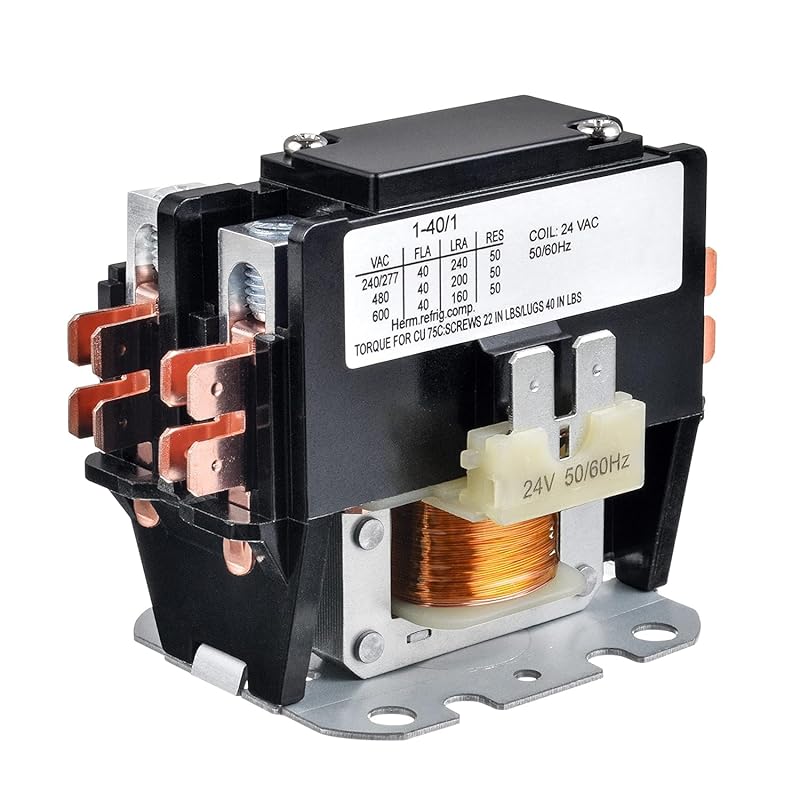
The Carrier air conditioner fan relay is a small but vital component that ensures your AC’s fan motor receives power when needed. Without it, your system may fail to cool your home effectively or even shut down completely. Understanding this relay helps you maintain optimal performance and avoid costly repairs.
Key Takeaways
- What It Does: The fan relay acts like a switch that tells the AC fan motor when to start and stop based on system demand.
- Common Signs of Failure: If your AC blows warm air, the fan doesn’t turn on, or the unit cycles abnormally, the relay might be faulty.
- Location Matters: In most Carrier units, the fan relay is located in the control box near the compressor or blower assembly.
- Easy DIY Fix: Replacing the relay usually takes under 30 minutes and requires a multimeter and basic tools—no HVAC degree needed.
- Preventive Tips: Regular maintenance and prompt attention to unusual sounds can extend the relay’s life.
- Safety First: Always turn off power at the breaker before inspecting or replacing any electrical part.
Quick Answers to Common Questions
What does the Carrier air conditioner fan relay do?
It acts as an electronic switch that controls when the AC fan motor receives power, ensuring proper airflow and system coordination.
How do I know if my fan relay is bad?
Look for no airflow, warm air blowing, unusual clicking, or intermittent operation—common signs of relay failure.
Can I replace the fan relay myself?
Yes, if you have basic tools and electrical knowledge. Turn off power, test the relay, and swap it out following manufacturer guidelines.
Where is the fan relay located in a Carrier AC?
Usually inside the control panel near the blower motor or outdoor unit—check the user manual for your specific model.
How long does a fan relay last?
Typically 5–10 years, depending on usage, climate, and maintenance frequency.
📑 Table of Contents
- Understanding the Carrier Air Conditioner Fan Relay: Your Cooling System’s Silent Guardian
- The Role of the Fan Relay in Your Carrier AC Unit
- Where to Find the Carrier Air Conditioner Fan Relay
- Signs Your Carrier Air Conditioner Fan Relay Is Failing
- How to Test and Replace the Carrier Air Conditioner Fan Relay
- Preventative Maintenance Tips for Long-Lived Performance
- When to Call a Professional vs. Handling It Yourself
Understanding the Carrier Air Conditioner Fan Relay: Your Cooling System’s Silent Guardian
You know that satisfying chill when your Carrier air conditioner kicks on and starts blowing cold air? That moment of relief during a hot summer day? Well, behind the scenes—often tucked away in a dusty wall panel or utility closet—is a tiny electrical component doing heavy lifting: the Carrier air conditioner fan relay. This unassuming piece of engineering plays a crucial role in keeping your home comfortable, yet most homeowners never give it a second thought until something goes wrong.
Think of the fan relay as the traffic cop for your AC’s fan motor. It decides exactly when the fan should spin and when it should rest, ensuring everything runs smoothly without overworking the system. When this relay fails, symptoms like weak airflow, warm air blowing, or the outdoor fan not turning on often appear—but don’t panic! With a little knowledge and the right tools, diagnosing and even replacing this component yourself could save time, money, and frustration.
In this comprehensive guide, we’ll walk through what the Carrier air conditioner fan relay actually does, where to find it, how to test it, and when it’s time for a replacement. Whether you’re troubleshooting a stubborn AC issue or just want to understand your system better, this article will empower you with practical, easy-to-follow advice—all while naturally incorporating the keyword “Carrier air conditioner fan relay” to keep your learning relevant and search-friendly.
The Role of the Fan Relay in Your Carrier AC Unit

Visual guide about Carrier Air Conditioner Fan Relay
Image source: 5b0988e595225.cdn.sohucs.com
At its core, the Carrier air conditioner fan relay is an electromechanical switch designed to safely deliver high current from your home’s electrical supply to the fan motor. Unlike a simple on/off switch you flip manually, this relay responds automatically based on temperature signals sent by your thermostat and internal sensors.
When your thermostat calls for cooling, it sends a low-voltage signal to the air handler and condenser coil. For the indoor fan (blowing air through your vents) and sometimes the outdoor fan (cooling the condenser), this signal must be amplified because fan motors draw significantly more power than thermostat wiring can handle alone. That’s where the relay steps in—it acts as a bridge between the control circuit and the motor circuit.
For example, imagine you set your thermostat to 72°F on a scorching afternoon. The system senses the temperature rise and activates the compressor. Simultaneously, the control board triggers the fan relay, which then powers up the indoor blower fan. Without that relay completing the connection, the fan wouldn’t start—even if everything else in the system was working perfectly.
This dual-function setup also includes safety features. Many Carrier models use a thermal overload protector built into or near the relay. If the motor gets too hot due to blockage or overuse, the relay cuts power to prevent burnout. So not only does it manage operation timing, but it also helps protect your entire HVAC system from damage.
Where to Find the Carrier Air Conditioner Fan Relay
Visual guide about Carrier Air Conditioner Fan Relay
Image source: yomiuri.co.jp
Locating the Carrier air conditioner fan relay is easier than you might think—especially since Carrier designs are fairly standardized across residential units. Most relays are housed inside a plastic or metal control box mounted near either the indoor blower assembly (in the air handler) or the outdoor compressor unit.
For central air conditioners with air handlers in the attic or basement, check the access panel labeled “Control Board” or “Electrical Panel.” You’ll typically see several relays arranged in a row, often color-coded by function. The one controlling the indoor fan is usually larger or marked with a label like “FAN RELAY” or “BLOWER RELAY.”
If your Carrier unit is a single-package system (entirely outdoors), look for a service door on the side or top of the unit. Once open, locate the main electrical panel—a black box with wires snaking in and out. Inside, you’ll spot the fan relay sitting next to other components like the contactor and capacitors.
Pro tip: Before touching anything, always turn off the power at the breaker box and double-check with a non-contact voltage tester. Safety isn’t optional when dealing with live circuits.
Some newer Carrier models integrate the fan relay directly onto the main control board using surface-mount technology, making replacement trickier. But even then, many techs replace the entire board rather than individual parts. Still, knowing the relay’s approximate location gives you a head start if you need professional help.
Signs Your Carrier Air Conditioner Fan Relay Is Failing
Like any mechanical or electrical part, the Carrier air conditioner fan relay won’t last forever. Over time, repeated switching cycles cause wear, especially if the relay has been exposed to moisture or voltage spikes. Recognizing early warning signs lets you address problems before they escalate.
One of the most common symptoms is no airflow from vents. If your AC runs but feels like a space heater, the indoor fan likely isn’t spinning—and that almost always points to a faulty relay. Another red flag is intermittent operation: the fan starts fine one minute, dies the next, then comes back later. This erratic behavior suggests the relay is struggling to hold a steady connection.
You might also notice unusual clicking noises coming from the air handler or outdoor unit. That’s often the relay trying—and failing—to engage repeatedly. In some cases, the outdoor fan won’t run at all, even though the compressor seems active. Since both fans rely on relays, a single bad relay can disable half your cooling system.
Don’t ignore error codes either. Modern Carrier systems display diagnostic lights or flash sequences indicating relay faults. For instance, a blinking green light on the air handler might mean “blower motor fault,” which traces back to a failed relay.
Finally, if your electricity bill spikes unexpectedly or the system short-cycles (turns on/off every few minutes), suspect the relay. A stuck-open relay prevents proper airflow; a stuck-closed one causes excessive strain and heat buildup.
How to Test and Replace the Carrier Air Conditioner Fan Relay
Testing your Carrier air conditioner fan relay doesn’t require an engineering degree—just a digital multimeter and a willingness to follow safety steps. Here’s a step-by-step method:
First, shut off power to the AC unit at the main breaker. Remove the cover of the control panel and locate the suspected relay. Note its position relative to other components so you can reinstall it correctly.
Using your multimeter set to continuity mode (beep function), touch the probes to the relay’s input terminals (where power enters). Then press the relay gently with your thumb—this simulates activation. If the multimeter beeps, the relay is closing properly. If not, it’s likely burned out.
Alternatively, check resistance across the coil terminals (usually two smaller pins). A good relay should read between 40–150 ohms. Infinite resistance means the coil is open and needs replacement.
Once confirmed faulty, order a genuine Carrier replacement relay (part numbers vary by model—check your manual or serial plate). Disconnect the wires (label them first!), unscrew the old relay, and snap in the new one. Reconnect wires, restore power, and test by running the AC.
After replacement, listen for smooth engagement and verify strong airflow. Within 10–15 minutes, your system should stabilize. If problems persist, inspect fuses, capacitors, or wiring next.
Remember: while many DIYers successfully swap relays, complex control boards may require professional diagnosis. When in doubt, consult an HVAC technician.
Preventative Maintenance Tips for Long-Lived Performance
Even though the Carrier air conditioner fan relay is robust, proactive care extends its lifespan and improves overall system reliability. Simple habits make a big difference.
Start by scheduling annual HVAC tune-ups. During these visits, technicians clean contacts, measure resistance, and visually inspect relays for corrosion or burn marks. They can catch micro-failures before they become full-blown breakdowns.
Keep the area around your indoor and outdoor units clear of debris, leaves, and vegetation. Blocked airflow forces the fan motor to work harder, increasing stress on the relay. Trim shrubs regularly and ensure six inches of clearance around vents.
Change your furnace filters monthly during peak cooling season. Dirty filters restrict airflow, causing the fan to run longer than necessary. This constant cycling wears out the relay faster than normal operation would.
Also, consider installing a whole-house surge protector. Power surges from lightning or grid fluctuations can fry delicate relay components. A quality surge suppressor adds peace of mind without breaking the bank.
Finally, avoid DIY fixes unless you’re confident. While replacing a relay is straightforward, missteps can damage adjacent parts or void warranties. When uncertain, call a licensed contractor.
By treating your Carrier system with respect—and understanding how each part contributes—you’ll enjoy cooler homes and lower repair bills year after year.
When to Call a Professional vs. Handling It Yourself
While replacing a Carrier air conditioner fan relay is a common DIY task, certain situations demand expert intervention. Know the difference to stay safe and efficient.
Handle it yourself if:
– You have basic electrical experience
– The relay is clearly accessible and labeled
– You own a multimeter and basic hand tools
– The failure is isolated to the relay (confirmed via testing)
Call a pro if:
– Your system uses integrated control boards (no standalone relays)
– You smell burning or see smoke during inspection
– Multiple components show signs of damage
– Error codes point to broader electrical issues
– You’ve never worked with HVAC systems before
Professional technicians bring diagnostic tools that detect subtle faults invisible to the naked eye. They also carry OEM parts guaranteed to fit your exact Carrier model. Plus, their insurance covers accidental damage during service.
That said, many homeowners enjoy the satisfaction of fixing their own AC issues. Just remember: safety always comes first. If you’re unsure after reading this guide, schedule a consultation—not an emergency repair.
Frequently Asked Questions
Can a bad fan relay cause the AC to blow warm air?
Yes. If the indoor fan doesn’t turn on due to a failed relay, cool air won’t circulate properly, making the room feel warmer than expected.
Is the fan relay the same as the contactor?
No. The contactor controls the compressor, while the fan relay manages the fan motors. Both are essential but serve different functions in your AC system.
Will a faulty relay trigger an error code?
Often yes. Modern Carrier units display diagnostic lights indicating fan or relay faults, helping technicians pinpoint the issue quickly.
Can moisture damage the fan relay?
Absolutely. Moisture from leaks or humidity can corrode relay contacts, leading to poor conductivity and eventual failure.
Do I need special tools to replace the relay?
Just a digital multimeter, screwdrivers, and wire strippers. No advanced HVAC equipment is required for this repair.
Should I buy a generic relay or Carrier OEM part?
For best results, choose a genuine Carrier replacement. Generic parts may not match specifications and could reduce system efficiency.