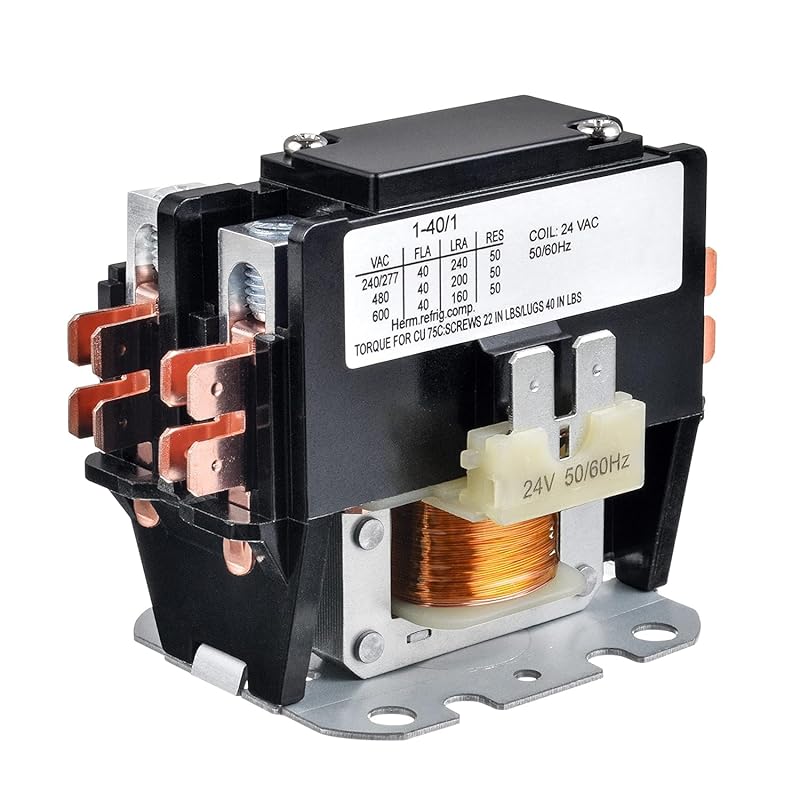
Carrier air conditioner fan motors are the heart of your HVAC system, powering airflow for effective cooling. These durable, energy-efficient components ensure quiet operation and long service life when properly maintained.
Key Takeaways
- Efficiency & Performance: Carrier fan motors are engineered for optimal airflow and energy savings, reducing electricity costs while maintaining strong cooling performance.
- Durability & Reliability: Built with high-quality materials, these motors withstand harsh environments and provide consistent operation over thousands of hours.
- Quiet Operation: Advanced design minimizes noise, making Carrier motors ideal for bedrooms, offices, and living spaces where comfort matters.
- Easy Maintenance: Regular cleaning and inspection help prevent dust buildup and extend motor life, ensuring peak performance year-round.
- Compatibility: Most Carrier fan motors are designed to fit a wide range of AC units, simplifying replacements and upgrades.
- Warranty Support: Carrier offers strong warranty coverage on many motor models, giving homeowners peace of mind.
- Safety Features: Integrated thermal protection and overload safeguards prevent overheating and electrical damage.
Quick Answers to Common Questions
How long does a Carrier air conditioner fan motor typically last?
Most Carrier fan motors last 10–15 years with proper maintenance. Variable-speed ECM motors may exceed 20 years due to reduced wear from lower operating speeds.
Can I replace my Carrier fan motor myself?
While possible, DIY replacement requires electrical knowledge and safety precautions. If unsure, hire a licensed HVAC technician to avoid injury or system damage.
Why is my AC running but not blowing cold air?
This could indicate a faulty fan motor that isn’t spinning fast enough to cool the evaporator coils. Check motor speed and belt tension before assuming refrigerant loss.
Are all Carrier fan motors compatible with my unit?
Not always. Compatibility depends on voltage, amperage, physical dimensions, and mounting style. Always check your model number and consult a parts diagram.
Do variable-speed motors really save money?
Yes—up to 50% less energy use compared to single-speed motors. The savings add up over time, especially in larger homes or hot climates.
📑 Table of Contents
Understanding Carrier Air Conditioner Fan Motors
When your Carrier air conditioner kicks in during a hot summer day, you might not think much about what makes it run—until it stops. But behind every smooth, cool breeze from your unit is a critical component: the fan motor. Specifically, the Carrier air conditioner fan motor powers the blower that circulates chilled air throughout your home. Without this small but mighty piece of engineering, your AC simply wouldn’t function.
These motors are more than just mechanical parts—they’re precision-engineered systems built to deliver consistent performance, energy efficiency, and quiet operation. From residential window units to large commercial systems, Carrier has been a trusted name in HVAC since 1934. Their fan motors reflect decades of innovation, combining reliability with smart technology to meet modern cooling demands. Whether you’re replacing a worn-out motor or upgrading your entire system, understanding how these components work helps you make smarter decisions.
In this guide, we’ll dive deep into everything you need to know about Carrier air conditioner fan motors—how they operate, why they matter, how to maintain them, and what to do if something goes wrong. You’ll also learn practical tips to keep your system running efficiently and avoid costly repairs down the road.
The Role of the Fan Motor in Your AC System

Visual guide about Carrier Air Conditioner Fan Motors
Image source: hejiangtai.com
At the core of every air conditioning system lies the fan motor. Its job is simple but vital: rotate the blower fan to push or pull air through the evaporator coils and into your ductwork. This process cools the air and distributes it evenly across rooms. Without a functioning fan motor, heat transfer can’t occur efficiently, and your AC won’t cool your home effectively.
Carrier designs its fan motors to work seamlessly with other system components like compressors, thermostats, and filters. For example, during cooling mode, the thermostat signals the compressor to start chilling refrigerant. Simultaneously, the fan motor activates to move warm indoor air across the cold coils, extracting heat. The cooled air then flows into your living space.
This coordinated effort is why Carrier fan motors are built with exacting standards. They must respond quickly to temperature changes, adjust speed as needed (in variable-speed models), and handle continuous use without overheating. Whether it’s a single-speed model for basic cooling or a multi-stage motor for zoned climate control, each motor plays a crucial role in delivering comfort.
Types of Carrier Fan Motors
Visual guide about Carrier Air Conditioner Fan Motors
Image source: i.ytimg.com
Not all fan motors are created equal—and Carrier offers several types tailored to different AC setups and performance needs. Understanding the differences helps you choose the right replacement or upgrade.
Permanent Split Capacitor (PSC) Motors
The most common type in older Carrier units, PSC motors use a capacitor to help start and run continuously. They’re reliable, affordable, and easy to replace. However, they run at full speed all the time, which can lead to higher energy bills compared to newer models.
Two-Speed Motors
Ideal for medium-sized homes, two-speed motors switch between low and high settings based on demand. This allows better temperature control and modest energy savings. You’ll often find them in central air systems where consistent airflow is important.
Variable-Speed (ECM) Motors
Electronic Commutated Motors (ECMs) are the gold standard in modern Carrier systems. Using digital controls, they adjust fan speed precisely to match cooling needs. This results in quieter operation, improved humidity control, and up to 50% energy savings compared to traditional motors. ECMs also last longer and require less maintenance.
Single-Speed Motors
Found mostly in portable and window-unit ACs, single-speed motors run at one fixed setting. While simpler and cheaper upfront, they consume more power and may struggle during peak heat loads.
Choosing the right motor depends on your home size, budget, and energy goals. If you’re upgrading an old system, consider switching to an ECM for maximum efficiency.
How to Maintain Your Carrier Fan Motor
Like any mechanical device, your Carrier air conditioner fan motor benefits from regular care. Proper maintenance prevents breakdowns, extends lifespan, and keeps your system running efficiently. Here’s how to keep things in top shape:
Clean the Blower Wheel and Housing
Over time, dust and debris accumulate on the blower wheel and inside the housing. This buildup restricts airflow and forces the motor to work harder, increasing wear. Every few months, turn off the power and gently clean the area with a vacuum or soft brush. Avoid touching the motor blades directly to prevent imbalance.
Inspect Belts and Pulleys (if applicable)
On belt-driven systems, check for cracks, fraying, or looseness. A loose belt reduces motor efficiency and can cause slippage. Tighten or replace belts as needed—always consult your owner’s manual for specifications.
Lubricate Bearings (on certain models)
Some older Carrier motors have oil-lubricated bearings. These require occasional lubrication (usually once a year) using manufacturer-recommended oil. Newer ECM motors are sealed and don’t need this step. Never over-lube—excess oil attracts dust and causes sludge.
Check Electrical Connections
Loose or corroded wires can disrupt power flow to the motor. During routine checks, look for signs of burning, discoloration, or rust around terminals. Clean connections with a wire brush if necessary, and ensure screws are tight.
Monitor for Unusual Noises
A healthy Carrier fan motor runs quietly. Grinding, clicking, or humming sounds may indicate bearing failure, misalignment, or electrical issues. Address these early to avoid total motor failure.
By following these steps, you can prevent many common problems and keep your AC system performing at its best.
Signs Your Carrier Fan Motor Needs Replacement
Even with excellent maintenance, fan motors eventually wear out. Recognizing warning signs early saves you from sudden breakdowns and expensive emergency repairs. Watch for these indicators:
AC Blowing Warm Air
If your unit isn’t cooling despite normal refrigerant levels, the fan motor might not be spinning fast enough or at all. This reduces heat exchange efficiency.
Strange Noises
Banging, squealing, or rattling often points to mechanical wear in the motor or fan assembly. Ignoring these sounds leads to further damage.
Frequent Cycling On/Off
Rapid cycling may mean the motor can’t sustain operation due to overheating or internal faults.
Electrical Issues
Tripped breakers, blown fuses, or error codes on your thermostat can signal motor problems. Always rule out wiring or control board issues first.
High Energy Bills
A failing motor works harder to compensate for reduced performance, driving up electricity usage. Compare recent bills to past ones for clues.
If you notice multiple red flags, schedule a professional inspection. Technicians use diagnostic tools to test motor resistance, voltage, and amp draw—key metrics for determining health.
Upgrading to a More Efficient Motor
Older Carrier air conditioners often come with outdated fan motors that waste energy and cost more to operate. Upgrading to a modern ECM or two-speed motor brings noticeable improvements:
– **Lower utility bills**: Variable-speed motors reduce runtime by matching airflow precisely.
– **Better comfort**: Consistent temperatures and improved dehumidification enhance indoor air quality.
– **Quieter performance**: Smooth, modulated speeds eliminate the loud hum of older models.
– **Longer system life**: Less strain means fewer repairs and extended equipment longevity.
Before upgrading, verify compatibility with your existing ductwork and control system. Some retrofits require new thermostats or wiring. A certified HVAC technician can assess whether an upgrade makes sense for your home.
For homeowners seeking maximum savings, pairing a high-efficiency motor with ENERGY STAR® insulation, smart thermostats, and regular tune-ups creates a truly optimized cooling system.
Energy Efficiency and Environmental Impact
Modern Carrier fan motors are designed with sustainability in mind. By consuming less electricity, they reduce greenhouse gas emissions from power plants. The U.S. Department of Energy estimates that upgrading to an ENERGY STAR® certified system with an ECM motor can save households up to $180 per year on cooling costs.
Additionally, efficient motors generate less waste heat, easing the load on your compressor and extending overall system life. Many new models also include eco-friendly refrigerants and recyclable components, aligning with green building standards like LEED.
When shopping for replacements, look for labels indicating SEER (Seasonal Energy Efficiency Ratio) ratings above 14. Higher SEER means greater efficiency. While initial cost is higher, the long-term savings justify the investment.
Frequently Asked Questions
What’s the difference between a PSC and an ECM motor?
PSC motors use capacitors and run at constant speed, making them simpler but less efficient. ECM motors use digital controls to vary speed, improving comfort and cutting energy use significantly.
Should I repair or replace my fan motor?
If the motor is under 10 years old and shows minor wear, repair may be cost-effective. For older units with recurring issues, replacement offers better long-term value and efficiency.
Can dirty air filters affect my fan motor?
Absolutely. Clogged filters restrict airflow, causing the motor to overheat and work harder. Replace filters every 1–3 months to protect your motor and maintain performance.
Is it safe to bypass the fan motor?
No—bypassing the motor disables critical cooling functions and risks damaging other components like the compressor. Always address motor problems professionally.
Where can I buy genuine Carrier fan motors?
Authorized dealers, Carrier’s official website, or trusted HVAC suppliers carry OEM parts. Avoid counterfeit products that compromise safety and performance.
Do fan motors require annual servicing?
Basic models need minimal service, but annual inspections by an HVAC pro help catch issues early. ECM motors generally need less frequent attention due to sealed designs.