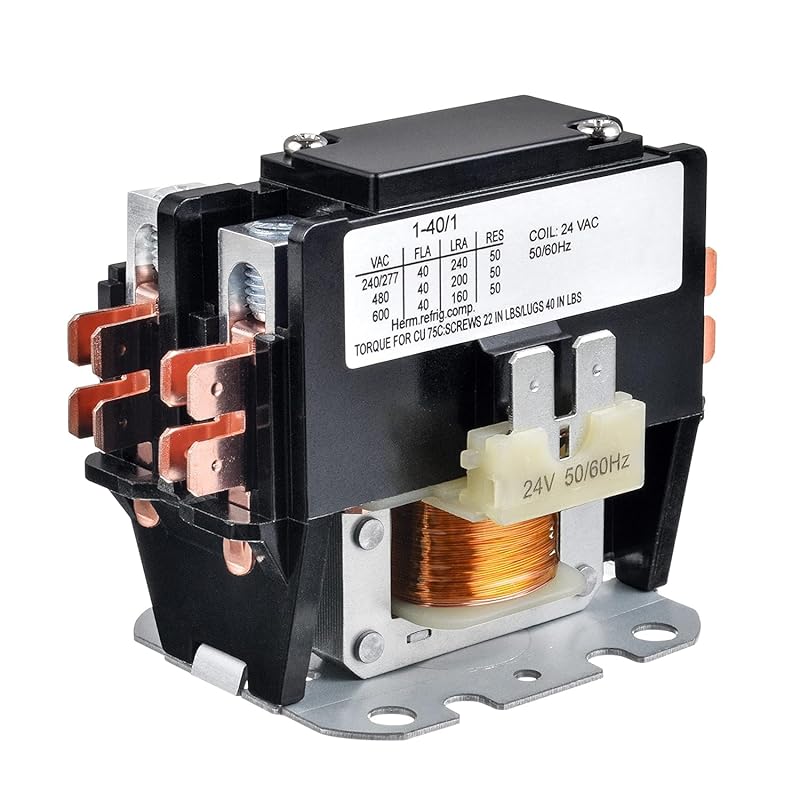
Carrier air conditioner error code 81 usually points to a communication problem between your indoor and outdoor units. This isn’t a serious breakdown—it’s often caused by loose wiring, refrigerant issues, or a faulty control board. With the right steps, you can often reset the system and restore cooling quickly. Ignoring it may lead to reduced efficiency or more complex repairs later.
If your Carrier air conditioner suddenly stops cooling and the display shows “81,” don’t panic. You’re not alone—this common error affects many Carrier systems, especially models from the 2000s through today. Error code 81 is officially known as a “Indoor/Outdoor Unit Communication Fault.” It means the control boards inside your AC aren’t exchanging data correctly. While it sounds scary, most times, this isn’t a sign that your entire system is broken. Instead, it’s a signal that something simple—or slightly more involved—needs attention. In this guide, we’ll walk you through exactly what error code 81 means, why it happens, and how to fix it safely and effectively.
Carrier has long been a trusted name in home comfort, known for reliable HVAC systems. But even the best equipment can run into hiccups. When your AC starts acting up, it’s natural to worry. Is it a minor glitch? Or a major repair? Error codes like 81 are designed to help you understand what’s going on. Think of them like warning lights on your car dashboard—they tell you something needs attention, but they don’t always mean an engine failure. With Carrier’s built-in diagnostic system, you get a clue about where to start. And the good news? Most 81 errors can be resolved without calling a technician right away.
In this article, we’ll break down everything you need to know about Carrier air conditioner error code 81. We’ll cover what triggers it, how to read the code on different models, safe troubleshooting steps you can try yourself, and when it’s time to bring in a professional. Plus, we’ll share tips to prevent future errors and keep your system running smoothly all summer long. Whether you’re handy around the house or just want to understand what’s happening, this guide will give you confidence in handling error code 81.
Key Takeaways
- Error code 81 indicates a communication fault: The system can’t talk properly between the indoor and outdoor units, which stops cooling.
- Common causes include: Loose connections, refrigerant leaks, dirty coils, or a failing control board.
- Resetting the system often helps: Power cycling the unit is one of the quickest and safest first steps.
- Professional diagnosis is smart: If the issue repeats, a technician can check wiring, sensors, and refrigerant levels.
- Prevent future errors: Regular maintenance like cleaning filters and checking connections reduces the chance of error 81.
- Safety first: Never open electrical panels or tamper with refrigerant lines without proper training or tools.
Quick Answers to Common Questions
What does Carrier error code 81 mean?
Error code 81 indicates a communication failure between your AC’s indoor and outdoor units. The control boards aren’t exchanging data properly, which stops cooling.
Can I fix error code 81 myself?
Yes, many cases are resolved by power cycling the system, checking wiring connections, or cleaning filters. However, if the issue persists, call a technician.
Will error 81 damage my AC?
Not directly. It’s a protective shutdown to prevent further issues. But ignoring it can lead to reduced efficiency or secondary problems like frozen coils.
How much does it cost to fix error 81?
Fixing wiring or resetting the system is often free. Refrigerant repairs or control board replacements range from $200 to $800 depending on complexity.
Why does my Carrier AC keep showing error 81 after reboot?
This suggests a persistent fault—likely loose wires, low refrigerant, or a failing component. A technician can diagnose and repair the root cause.
📑 Table of Contents
What Is Carrier Air Conditioner Error Code 81?
Error code 81 is Carrier’s way of saying, “The indoor and outdoor units aren’t talking to each other properly.” Your AC relies on constant communication between these two parts—especially the control boards—to coordinate tasks like turning on the compressor, managing fan speeds, and regulating temperature. When this link breaks, the system shuts down to protect itself from potential damage.
On most Carrier models, you’ll see “81” flash on the indoor unit’s display panel. Some newer units also show a message like “Com Err 81” or “Communications Failure.” The exact wording depends on your model year and firmware version. But regardless of how it appears, the core issue remains the same: the system detects a mismatch or interruption in data being sent back and forth between units.
This error doesn’t always mean your AC is permanently broken. In fact, over half the time, it’s caused by something easily fixed—like a loose wire or a power surge. But if ignored, it can lead to reduced cooling performance, higher energy bills, or even internal component damage.
How Error Codes Work on Carrier Systems
Carrier AC units come equipped with onboard computers that monitor performance in real time. These computers check things like voltage levels, temperature readings, fan speeds, and communication signals. If anything falls outside normal ranges, the system logs an error code and stops operating to prevent harm.
Error codes are numbered for easy identification. Code 81 specifically relates to communication between the indoor evaporator coil (inside your home) and the outdoor condenser unit. The system expects regular “heartbeat” signals from both ends. When those signals stop or become corrupted, the unit assumes there’s a fault and locks out operation.
You can usually view error codes by pressing a button on the indoor unit’s control panel—often labeled “Menu,” “Mode,” or simply “Display.” On some older models, you may need to hold the “Reset” or “Test” button for a few seconds. Always consult your owner’s manual for model-specific instructions. Trying random button combinations could accidentally change settings or trigger other codes.
Is Error Code 81 Serious?
Most people hear “error code” and think “expensive repair.” But Carrier error code 81 is typically not a sign of catastrophic failure. It’s more like a hiccup in the system’s brain. That said, it does mean your AC isn’t cooling right now, so comfort takes a hit until it’s resolved.
The severity depends on the root cause. For example:
– A loose wire might just need tightening.
– A refrigerant leak requires professional service.
– A dead capacitor could indicate wear over time.
Because of this mix, it’s wise to treat error 81 seriously—but not fearfully. Follow the steps below, and you’ll likely get your AC back online quickly and affordably.
Common Causes of Carrier Error Code 81
Visual guide about Carrier Air Conditioner Error Code 81
Image source: auctions.c.yimg.jp
Understanding why error 81 occurs helps you diagnose faster and avoid unnecessary calls to technicians. Here are the most frequent culprits:
Loose or Corroded Electrical Connections
Over time, wires connecting the indoor and outdoor units can loosen due to vibrations or weather exposure. Corrosion from moisture buildup can also interfere with signal transmission. Even a small gap in a wire harness can disrupt communication enough to trigger error 81.
Refrigerant Issues
Low refrigerant levels or improper charging can throw off pressure readings and confuse the control board. While low refrigerant usually triggers different codes (like 52 or 63), extreme imbalances sometimes manifest as communication faults. Also, if the system is overcharged or contaminated with air, it can create erratic behavior across multiple components.
Dirty or Clogged Coils
When the outdoor condenser coil or indoor evaporator coil gets heavily fouled with dirt, debris, or mold, heat exchange becomes inefficient. This inefficiency stresses the system and can lead to sensor misreads that mimic communication errors. Regular cleaning prevents this kind of stress.
Power Surges or Outages
Sudden drops or spikes in electricity can corrupt data stored in the control board’s memory. After a power surge, the system may lose its calibration or fail to re-establish handshake protocols between units. This is especially true if backup capacitors are weak or missing.
Faulty Control Boards
Both the indoor and outdoor control boards manage communication. If either one develops a hardware flaw—such as a blown transistor or cracked circuit trace—the entire system fails to sync. While less common than wiring issues, bad boards do happen and usually require replacement.
Aging Components
As Carrier AC units age (typically beyond 10–15 years), components degrade naturally. Capacitors dry out, relays stick, and sensors drift out of spec. These slow changes rarely cause sudden failures but can create intermittent communication glitches that pop up as error 81.
Step-by-Step Troubleshooting for Error Code 81
Visual guide about Carrier Air Conditioner Error Code 81
Image source: cdn2.allevents.in
Before reaching for expensive tools or calling a technician, try these practical steps. They’re safe, free, and often solve the problem instantly.
Step 1: Power Down and Restart
Turn off your AC at the breaker box. Wait 3–5 minutes—this allows residual charge to dissipate and resets the control board’s memory. Then turn the breaker back on and wait 10 minutes before testing the unit. Many soft resets clear temporary communication faults caused by surges or glitches.
Step 2: Check the Display Panel
After restarting, look at the indoor unit’s screen. Does “81” still appear? If it clears within 15 minutes, the issue was likely transient. If it returns immediately, move to step 3.
Step 3: Inspect Wiring Connections
Locate the disconnect box near your outdoor unit. Carefully examine the wire harness connecting the outdoor board to the indoor unit. Look for:
– Loose connectors
– Frayed insulation
– Signs of rodent damage
– Oxidation or green corrosion
Tighten any loose screws and reseat connectors firmly. Don’t force wires—if they won’t click in place, the connector may be damaged and need replacement.
Step 4: Clean Air Filters and Vents
Clogged filters restrict airflow, causing the evaporator coil to freeze. When thawed, uneven cooling can confuse sensors. Replace disposable filters every 1–3 months. For reusable ones, wash with mild soap and water, then dry completely.
Also, vacuum vents and registers to ensure unrestricted airflow. Poor circulation affects temperature readings and can contribute to false error codes.
Step 5: Verify Outdoor Unit Clearance
Make sure the outdoor condenser has at least 2 feet of clearance on all sides. Overgrown plants, furniture, or snow piles block airflow and increase strain on the system. Trim vegetation and remove debris around the unit.
Step 6: Test Fan Operation
Listen for unusual noises from the outdoor fan. If it’s wobbling or making grinding sounds, the motor bearings may be failing. A stuck fan prevents proper heat dissipation, which can indirectly affect communication stability.
Step 7: Use a Multimeter (Advanced)
If you’re comfortable with electronics, use a multimeter to test continuity on key wires. Disconnect power first! Check resistance between the communication lines (usually labeled COM or TX/RX). Normal values vary by model, but resistance should be stable and within manufacturer specs. Refer to your service manual for exact numbers.
Never attempt to measure live circuits. Safety comes first!
When to Call a Professional Technician
While DIY fixes work for many cases, some situations demand expert help. Consider calling a licensed HVAC technician if:
– Error 81 returns after multiple resets
– You smell burning or notice smoke near the unit
– Wires are visibly damaged or melted
– The system is over 10 years old and showing other symptoms
– You suspect refrigerant issues or compressor problems
Certified technicians have specialized tools to:
– Read live data from control boards
– Detect micro-leaks using electronic leak detectors
– Recharge refrigerant safely (requires EPA Section 608 certification)
– Replace faulty capacitors, relays, or control modules
Attempting refrigerant recovery without training risks environmental harm and fines. Plus, improper handling voids warranties.
Also, if your unit is under warranty, DIY repairs might invalidate coverage. Always check your warranty terms before tinkering.
What to Expect During a Service Call
A typical diagnostic visit includes:
– Visual inspection of wiring and connections
– Pressure and temperature readings
– Continuity tests on communication lines
– Cleaning of coils and drain pans
– Verification of proper voltage supply
Technicians often find hidden issues during routine checks—like dirty contacts or worn gaskets—that could trigger future errors.
Preventing Future Carrier Error Codes
Prevention beats cure when it comes to HVAC systems. Simple habits keep your Carrier AC healthy and minimize surprises.
Schedule Annual Maintenance
Have a professional inspect your system once per year. Tasks typically include:
– Cleaning coils and blower assembly
– Lubricating motors (where applicable)
– Tightening electrical connections
– Checking refrigerant charge
– Testing thermostat accuracy
Regular tune-ups improve efficiency by 10–15% and extend lifespan by years.
Keep Filters Clean
Replace or clean filters regularly. Dirty filters reduce airflow, raise humidity, and stress the compressor. Set reminders on your phone or calendar.
Protect Against Power Issues
Install a whole-house surge protector to guard against voltage spikes. Consider a UPS (uninterruptible power supply) for critical components during storms.
Avoid Blocking Vents
Furniture, rugs, or curtains blocking return air vents force the system to work harder. Rearrange decor to allow smooth airflow.
Monitor Performance
Note changes in noise, cooling speed, or unusual odors. Early detection prevents small issues from becoming big problems.
Upgrade Smart Thermostats
Modern thermostats provide real-time diagnostics and alerts. Some integrate with Carrier systems to flag anomalies before they cause errors.
By staying proactive, you’ll enjoy consistent comfort and avoid costly emergency repairs.
Model-Specific Notes on Error Code 81
Carrier produces many AC models, and while error 81 applies broadly, behavior varies slightly.
Carrier Infinity Series
These high-end units feature advanced diagnostics. Error 81 often appears after firmware updates if the update didn’t complete properly. Try rebooting twice. If persistent, contact Carrier support for software rollback options.
Carrier Performance Series
Older Performance models (pre-2010) are more prone to wire fatigue due to tighter installation tolerances. Pay extra attention to the 4-conductor harness near the outdoor unit.
Trane XR Models (Shared Platform)
Many Trane units share Carrier’s control architecture. Error 81 manifests identically, but service manuals differ. Always refer to the correct brand documentation.
Always confirm your exact model number—found on a sticker inside the access panel—before searching for parts or support.
Conclusion
Carrier air conditioner error code 81 isn’t the end of the world—but it does mean your AC needs attention. Most times, it’s a simple fix like tightening a wire or resetting the system. By following the steps above, you can often restore cooling quickly and save money on service calls. Remember: safety comes first. Don’t touch live wires or tamper with refrigerant unless trained.
If the error keeps coming back, don’t hesitate to call a professional. Early intervention prevents bigger issues down the road. And with regular maintenance, you’ll minimize the chances of seeing error 81 again.
Your home deserves reliable cooling, and understanding error codes puts you in control. Stay cool, stay informed, and breathe easy knowing you’ve got the knowledge to handle Carrier air conditioner error code 81 like a pro.
Frequently Asked Questions
Is error code 81 dangerous?
No, it’s not dangerous to people or pets. It’s a system alert meant to protect your AC from potential damage due to communication failure.
Can a power outage cause error code 81?
Yes. Sudden power loss or surges can corrupt the control board’s memory and disrupt communication between units, triggering error 81.
Do all Carrier models show error 81 the same way?
Most do, but display text varies by model. Newer units may show “Com Err 81,” while older ones simply flash “81.” Check your manual for specifics.
How long should I wait after resetting before testing?
Wait at least 10 minutes after powering back on. This gives the system time to fully reboot and re-establish communication protocols.
Can dirty coils cause error code 81?
Indirectly, yes. Severe coil fouling creates thermal stress and inaccurate sensor readings that can confuse the control board into thinking there’s a communication fault.
What if I don’t fix error code 81?
Your AC won’t cool, and prolonged operation without communication sync may eventually damage control boards or compressors due to unregulated cycles.