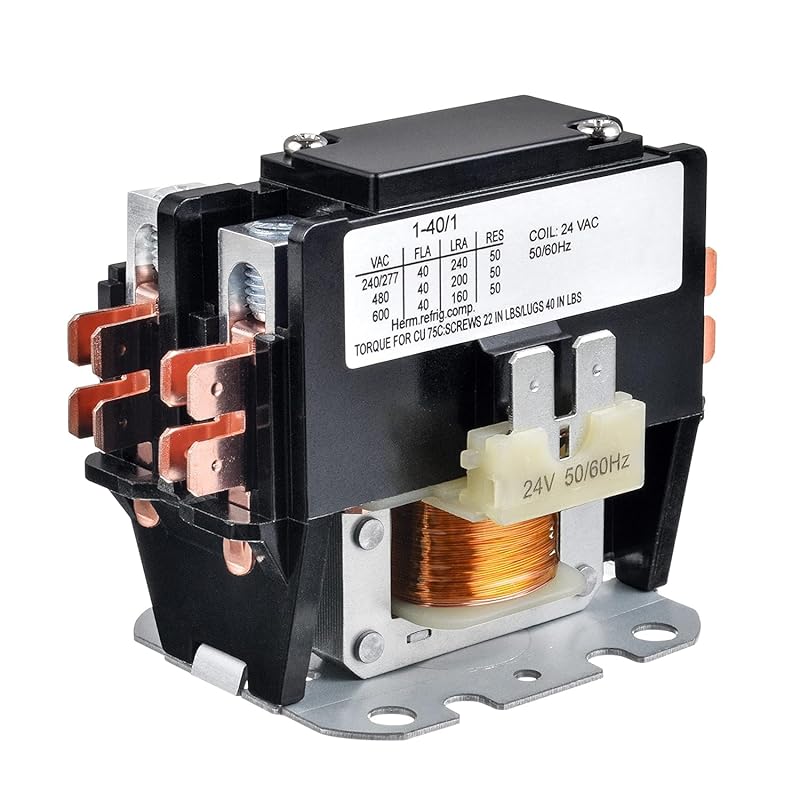
Carrier air conditioner error code 72 typically indicates a high-pressure switch issue or refrigerant problem. This error often stems from restricted airflow, low refrigerant levels, or a faulty pressure sensor—but it doesn’t always mean expensive repairs. With proper diagnosis and timely action, most Carrier AC error code 72 issues can be resolved quickly and safely.
If your Carrier air conditioner suddenly shuts off and displays error code 72 on the display panel, you’re likely dealing with a serious but fixable issue. This error is more than just an inconvenience—it’s your AC’s way of saying, “I’m under too much stress.” Ignoring it could lead to compressor damage, higher energy bills, or even total system failure. But don’t panic! Understanding what error code 72 means for your Carrier unit and knowing how to respond can save you time, money, and discomfort during hot summer days.
In this comprehensive guide, we’ll walk you through everything you need to know about Carrier air conditioner error code 72. From root causes and troubleshooting steps to prevention tips and when to call a professional, you’ll gain the confidence to handle this issue effectively. Whether you’re a seasoned DIYer or someone who prefers expert help, this article will equip you with practical knowledge to keep your Carrier system running smoothly.
Key Takeaways
- Error Code 72 Meaning: Carrier error code 72 usually points to high discharge pressure, which protects the compressor from damage.
- Common Causes: Restricted airflow, dirty coils, low refrigerant, or a malfunctioning high-pressure switch are typical triggers.
- Safety First: Never ignore this error—continued operation risks compressor failure and costly repairs.
- DIY Checks: Simple steps like cleaning filters and inspecting outdoor units can resolve many 72 errors.
- Professional Help: If basic fixes don’t work, contact an HVAC technician for refrigerant testing and system diagnostics.
- Prevention Tips: Regular maintenance reduces the chance of error code 72 recurring in your Carrier unit.
- Model Variations: While common across Carrier models, always consult your specific manual—some systems interpret 72 differently.
Quick Answers to Common Questions
What does Carrier error code 72 mean?
Error code 72 indicates abnormally high discharge pressure in your Carrier air conditioner. This triggers the high-pressure switch to protect the compressor from damage due to excessive heat and stress.
How do I reset Carrier error code 72?
To reset error code 72, turn off your thermostat and disconnect the main breaker for 5 minutes. Restore power and set the thermostat to “cool.” If the error persists, investigate airflow, refrigerant levels, or component faults.
Can a dirty air filter cause error code 72?
Yes, a clogged or dirty air filter severely restricts airflow, causing the evaporator coil to freeze and increasing discharge pressure. Replacing the filter often resolves error code 72.
Should I call a technician for error code 72?
If basic troubleshooting fails or you notice ice buildup, strange noises, or repeated errors, call a licensed HVAC technician. They can diagnose refrigerant issues, test switches, and perform safe repairs.
Is error code 72 serious?
Yes, it’s serious because it signals potential compressor damage. Continuing to run your AC with error code 72 increases the risk of costly repairs or system failure. Address it promptly.
📑 Table of Contents
What Is Carrier Air Conditioner Error Code 72?
When your Carrier AC shows error code 72, it’s usually a warning that the system has detected abnormally high discharge pressure in the refrigerant circuit. The high-pressure switch is designed to protect the compressor—the heart of your cooling system—by shutting down the unit if pressure becomes dangerously high. Think of it like a safety valve: when pressure exceeds safe limits, the switch triggers the error to prevent overheating, oil breakdown, or mechanical failure.
This error commonly appears on Carrier central air conditioners, heat pumps, and packaged rooftop units. It may flash on digital thermostats, appear as “Err 72” on LED panels, or show up as a blinking light pattern. While the exact wording can vary slightly by model and firmware version, the core message remains consistent: your system is experiencing excessive pressure that requires immediate attention.
It’s important not to confuse error code 72 with other Carrier fault codes. For example, error code 42 might indicate a different issue altogether—like a communication fault between components. Always refer to your owner’s manual or use a diagnostic tool to confirm the precise meaning of any code displayed on your unit.
Common Causes of Error Code 72 on Carrier Units
Understanding why your Carrier AC is throwing error code 72 starts with identifying the underlying triggers. Most of these issues fall into one of several categories: airflow problems, refrigerant concerns, component failures, or environmental factors. Let’s break them down.
1. Restricted Airflow
One of the most frequent culprits behind error code 72 is poor airflow. When air isn’t moving properly through the condenser coil (the outdoor unit), heat builds up in the refrigerant lines. Without adequate ventilation, the pressure inside the system rises rapidly. Common airflow blockages include:
– Dirty or clogged air filters
– Closed or obstructed return air grilles
– Bent or blocked condenser fins
– Overgrown vegetation around the outdoor unit
For instance, imagine replacing your HVAC filter every three months with a dusty, clogged one. Over time, this restricts return airflow, forcing the evaporator coil to freeze up and eventually causing pressure imbalances downstream. That’s when the high-pressure switch kicks in and throws error code 72.
2. Low Refrigerant Levels
While counterintuitive, low refrigerant can actually cause high discharge pressure—not low pressure. How? When refrigerant levels drop below optimal, the evaporator coil cools less efficiently. This leads to ice buildup on the coil, which further restricts airflow. As the system tries harder to maintain temperature, the compressor works overtime, increasing discharge pressure beyond normal ranges.
Low refrigerant often results from:
– Small leaks in copper tubing
– Improper charging during installation or service
– Wear and tear over years of operation
If your Carrier unit has been running for over 10 years and hasn’t had its refrigerant checked recently, a leak could be developing—especially if you notice hissing sounds near the outdoor unit or oily residue on pipes.
3. Faulty High-Pressure Switch
The high-pressure switch itself may be defective or miscalibrated. These switches are mechanical devices that open the circuit when pressure exceeds a set threshold (typically 550–600 psi). If the contacts become corroded, stuck closed, or worn out, they might falsely trigger error code 72 even when pressure is normal.
Signs of a bad switch include:
– Intermittent shutdowns unrelated to weather
– Error codes appearing randomly
– Unit restarting immediately after reset
Testing a high-pressure switch requires a manifold gauge set and multimeter—tools most homeowners don’t have at home. So while you can visually inspect for damage (like burn marks), replacement should generally be done by a licensed technician.
4. Condenser Coil Issues
A dirty or damaged condenser coil forces the outdoor unit to work harder to dissipate heat. Debris like leaves, dirt, or bird nests can coat the fins, creating insulation that traps heat. Similarly, if the fan motor isn’t spinning fast enough (due to wear or electrical issues), heat exchange slows down dramatically.
Regular coil cleaning—using a garden hose or coil cleaner—can prevent many of these scenarios. However, if corrosion or physical damage has occurred, professional servicing is necessary.
5. Thermostat or Control Board Problems
In rare cases, error code 72 may stem from incorrect signals being sent by the thermostat or control board. If sensors report inaccurate temperatures or pressures, the system may misinterpret normal operating conditions as dangerous. This is especially common after firmware updates or power surges that corrupt programming.
Always check your thermostat settings before assuming hardware failure. Ensure it’s set to “cool” mode, the temperature is lower than room temp, and batteries are fresh if wireless.
Troubleshooting Steps for Error Code 72
Before calling a technician, try these systematic troubleshooting steps. They’re safe, cost-effective, and may resolve the issue entirely.
Step 1: Power Cycle the System
Start by turning off your thermostat and switching off the breaker that powers your AC. Wait 5 minutes—this allows capacitors to fully discharge and resets internal controls. Turn the breaker back on, then set your thermostat to “cool” and observe if the error reappears.
Power cycling often clears temporary glitches caused by voltage fluctuations or software hiccups. It’s also a good first step because it eliminates false positives from transient electrical noise.
Step 2: Inspect and Clean Filters
Remove and examine your furnace or air handler filter. If it’s visibly dirty (gray instead of white, thick with dust), replace it with a new one rated for your system. Clogged filters are the easiest fix and frequently resolve error code 72.
For central systems, locate the filter housing near the return air duct. For window or portable units, open the front panel and slide out the filter. Hold it up to light—if you can barely see through it, it needs changing.
Step 3: Check Outdoor Unit Accessibility
Go outside and look at your condenser unit. Make sure there’s at least 2 feet of clearance on all sides for airflow. Trim back shrubs, remove debris, and gently brush away dirt from the top and sides of the unit. Use a fin comb to straighten any bent aluminum fins—they disrupt airflow like airplane wings!
Avoid spraying water directly onto electrical components. Instead, use a soft brush and mild detergent if needed. After cleaning, ensure the fan blades rotate freely without obstruction.
Step 4: Verify Thermostat Settings
Double-check that your thermostat is functioning correctly. Set it to “cool” mode and lower the temperature by 5 degrees below current room temp. Listen for the outdoor unit to kick on. If it doesn’t start, the problem may lie elsewhere—possibly with wiring or the contactor.
Also, confirm that humidity isn’t set too high. Some smart thermostats allow separate dehumidifier settings that can affect overall system load.
Step 5: Look for Ice Buildup
Feel the supply and return ducts near your indoor unit. If either feels unusually cold or icy, there’s likely airflow restriction or low refrigerant. Ice forms when warm, moist air hits a cold surface—like an overworked evaporator coil.
Turn off the AC immediately if you detect ice. Running the system while frozen risks water damage and further complications. Allow the unit to thaw completely (usually 2–4 hours) before resuming operation.
Step 6: Test High-Pressure Switch (Advanced)
Only attempt this if you’re comfortable using basic tools and understand electrical safety. Locate the high-pressure switch—it’s usually a small cylindrical device with two wires connected near the compressor. Use a multimeter to test continuity: with power off, measure resistance across the terminals. A good switch should read near 0 ohms when closed.
If readings are erratic or show infinite resistance (open circuit), the switch is likely faulty. Again, replacement should be handled by a qualified technician unless you’re certified.
When to Call a Professional for Error Code 72
While many instances of error code 72 can be resolved with DIY efforts, certain signs demand professional intervention. Don’t delay service if you encounter any of the following:
– The error returns within 24 hours despite cleaning and resetting
– You smell burning or hear unusual noises (grinding, buzzing)
– There’s visible frost or ice on refrigerant lines
– Your electric bill has spiked significantly
– The unit won’t turn back on after power cycling
Licensed HVAC technicians bring specialized tools like manifold gauges, vacuum pumps, and digital diagnostics. They can:
– Measure exact refrigerant pressures
– Detect micro-leaks using electronic detectors
– Recover and recharge refrigerant safely
– Replace failed components like switches or compressors
Most Carrier-certified pros also offer maintenance plans that include seasonal inspections—catching potential issues before they trigger errors like 72. Given the complexity of modern HVAC systems, investing in professional care pays dividends in reliability and longevity.
Preventing Future Occurrences of Error Code 72
The best cure for error code 72 is consistent preventive maintenance. Follow these best practices to minimize risk:
– **Change filters monthly** during peak usage seasons (spring/summer).
– **Schedule annual tune-ups**, including coil cleaning and electrical checks.
– **Keep outdoor units clear** of landscaping debris and snow/ice buildup.
– **Monitor system performance**—unusual noises, weak airflow, or inconsistent cooling warrant attention.
– **Install surge protectors** to shield sensitive electronics from voltage spikes.
Many Carrier owners benefit from smart thermostats that alert them via app when filters need changing or efficiency drops. Pairing automation with routine human oversight creates a robust defense against common failures.
Frequently Asked Questions About Carrier Error Code 72
Can I run my Carrier AC if it shows error code 72?
No. Continuing to operate your unit with error code 72 risks severe compressor damage. The system is designed to shut down to prevent catastrophic failure. Resetting it without fixing the root cause only delays inevitable harm.

Visual guide about Carrier Air Conditioner Error Code 72
Image source: static.wixstatic.com
Visual guide about Carrier Air Conditioner Error Code 72
Image source: japan-travel.net
How much does it cost to fix error code 72?
Repair costs vary widely depending on the cause. Simple fixes like filter changes cost $10–$20, while refrigerant service ranges from $200–$600. Compressor replacement can exceed $2,000. Early diagnosis prevents expensive surprises.
Will error code 72 clear on its own?
Sometimes—if it’s a transient glitch from power fluctuation or minor airflow blockage. But persistent or recurring 72 errors indicate underlying problems requiring investigation. Never assume “it’ll go away.”
Is error code 72 covered under warranty?
If your Carrier unit is under warranty and the issue stems from manufacturing defects (e.g., faulty switch), repairs are typically covered. Wear-and-tear issues like clogged filters usually aren’t. Always contact Carrier support first.
Can a dirty coil cause error code 72?
Absolutely. A heavily soiled condenser coil restricts heat dissipation, raising discharge pressure until the high-pressure switch activates. Regular cleaning prevents this common scenario.
Does low refrigerant always cause error code 72?
Not always—but it often does when combined with restricted airflow or coil icing. Low refrigerant alone usually triggers different codes (like 42 or 19). However, both conditions can coexist and lead to 72.
Frequently Asked Questions
How long can I safely leave my Carrier AC with error code 72?
You should not leave your Carrier AC running with error code 72 for more than a few hours. Extended operation risks permanent compressor damage, leading to expensive replacements. Shut it down and seek professional help immediately.
Can weather affect error code 72?
Extreme heat or humidity can temporarily increase system load, potentially triggering error code 72 if airflow is already compromised. However, true weather-related 72 errors usually resolve once conditions improve and the system resets.
Why does my Carrier AC show error code 72 after a storm?
Power surges or lightning strikes during storms can damage control boards or sensors, causing false error codes like 72. After storms, inspect your electrical panel for tripped breakers and consider installing surge protectors to safeguard your system.
Do all Carrier models show error code 72 the same way?
Most Carrier units display “Err 72” or a similar alphanumeric code, but wording and location vary by model and thermostat type. Always consult your specific owner’s manual for accurate interpretation and reset procedures.
Can I prevent error code 72 with regular maintenance?
Yes, routine maintenance significantly reduces error code 72 risk. Change filters monthly, clean outdoor coils annually, trim surrounding vegetation, and schedule professional tune-ups twice per year for optimal performance.
What’s the difference between error code 72 and error code 42?
Error code 72 relates to high discharge pressure, while error code 42 typically indicates a communication fault between the thermostat and control board. Each requires distinct troubleshooting approaches—never assume they’re interchangeable.