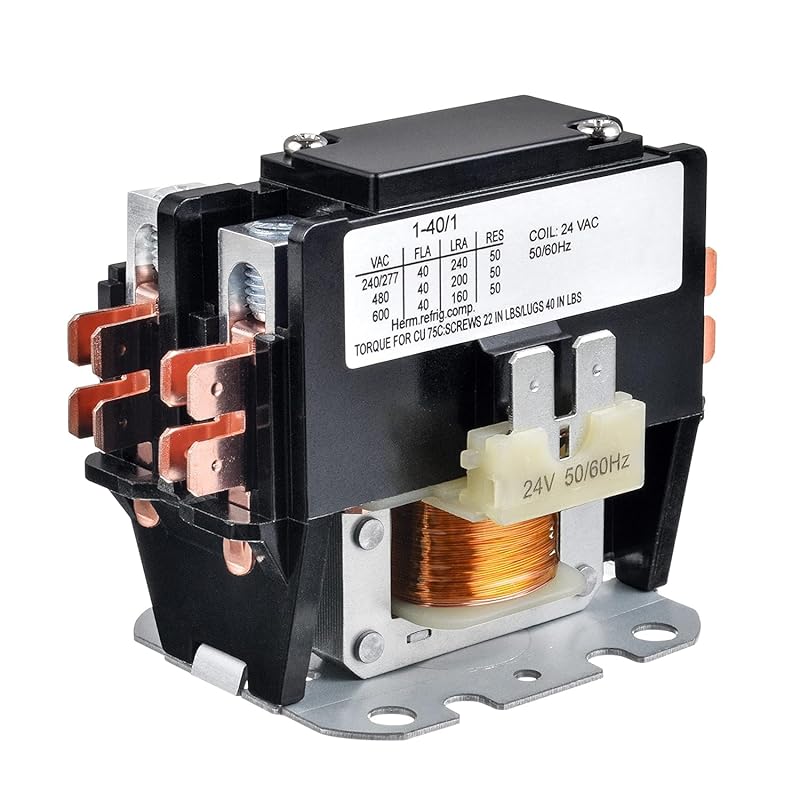
The Carrier air conditioner E3 error code indicates a problem with the outdoor unit’s communication or power supply. This issue often stems from loose wiring, faulty sensors, or internal component failures. Understanding the cause helps you fix it safely and efficiently.
Key Takeaways
- E3 Error Definition: The E3 code signals a communication failure between indoor and outdoor units or an issue with the outdoor fan motor.
- Common Causes: Loose electrical connections, damaged wires, faulty outdoor fan motors, or problems with the control board.
- Troubleshooting Steps: Check wiring harnesses, inspect the outdoor fan, test continuity, and verify power supply voltage.
- Professional Help: If basic steps don’t resolve it, contact a licensed HVAC technician for advanced diagnostics.
- Prevention Tips: Regular maintenance, clean coils, and annual inspections reduce the risk of error codes.
- Model Variations: Some Carrier models use different codes—always check your manual or use a diagnostic tool.
Quick Answers to Common Questions
What does the E3 error mean on my Carrier AC?
Answer: The E3 error usually indicates a problem with the outdoor fan motor or a communication fault between indoor and outdoor units. It’s commonly seen in Carrier split systems and inverter models.
Can I fix the E3 error myself?
Answer: Yes, if the issue is loose wiring or a dirty fan, you can often resolve it yourself after turning off power. However, if the motor or control board is faulty, professional help is recommended.
Is the E3 error dangerous?
Answer: Not immediately dangerous, but ignoring it can reduce efficiency or cause further damage. Always address it promptly to prevent bigger problems.
How much does it cost to fix an E3 error?
Answer: Costs vary—simple fixes like tightening wires may cost $0, while replacing a fan motor ranges from $300–$600 including labor. Contact a local HVAC pro for an estimate.
Will the E3 error go away on its own?
Answer: No—once triggered, the error won’t disappear until the underlying issue is resolved. Cycling power may reset temporary glitches, but persistent E3 needs repair.
📑 Table of Contents
What Is the Carrier Air Conditioner E3 Error Code?
If your Carrier air conditioner is displaying an E3 error code, don’t panic—but do take it seriously. This error typically appears on the indoor unit’s display and signals a malfunction in the system’s communication or operation. While Carrier uses various error codes depending on the model and region, the E3 code most commonly points to an issue with the outdoor unit’s fan motor or a communication breakdown between indoor and outdoor components.
Understanding this error begins with knowing that Carrier central air conditioners rely on precise electronic communication between the thermostat, indoor blower, and outdoor compressor and fan. When something disrupts that flow—whether it’s a loose wire, a failing sensor, or low voltage—the system triggers a fault code like E3 to alert you. Ignoring it can lead to reduced cooling efficiency, higher energy bills, or even complete system shutdown.
In this guide, we’ll walk through what the E3 code means, why it happens, how to diagnose it safely, and what you should do next. Whether you’re a homeowner trying to save on repair costs or just want to understand your HVAC system better, this article will give you clear, actionable steps.
Understanding the E3 Error in Carrier Systems
What Does the E3 Code Specifically Indicate?
The E3 error code on Carrier air conditioners generally refers to a problem with the outdoor unit’s fan motor circuit or a communication fault between the indoor and outdoor units. In most Carrier models—especially those manufactured after 2010—the E3 code appears when the indoor control board detects an abnormal signal from the outdoor unit.
This could mean:
- The outdoor fan isn’t spinning when it should.
- There’s a break or short in the wiring between units.
- The outdoor fan motor itself has failed.
- The control board isn’t receiving proper voltage.
It’s important to note that while the error shows on the indoor unit, the root cause is almost always located outside. That’s why inspecting the outdoor unit is critical.
How Carrier Error Codes Are Structured
Carrier uses alphanumeric error codes (like F4, E5, E3) to help technicians quickly identify issues. These codes are standardized across many models but can vary slightly by region or production year. For example, in some older systems, E3 might indicate a high-pressure switch trip, while in newer inverter-driven models, it points directly to fan motor faults.
Most modern Carrier units have a digital display on the indoor air handler or wall-mounted thermostat. When an error occurs, the screen shows something like “E3” or “Error 3.” Some models also flash the code multiple times to confirm it’s not a false alarm.
Common Causes of the Carrier E3 Error
Loose or Damaged Wiring Harnesses
One of the most frequent causes of the E3 error is a loose or corroded connection in the wiring harness that runs between the indoor and outdoor units. Over time, vibrations from the compressor can loosen terminals, especially if the outdoor unit isn’t properly secured.
Visual guide about Carrier Air Conditioner E3 Error Code
Image source: cbu01.alicdn.com
Signs include:
- Poor airflow from vents.
- Intermittent operation.
- Error codes appearing only during hot days when the system works hardest.
Check all connectors near the outdoor unit—especially the ones labeled “FAN” or “COM”—and ensure they’re tight and free of rust or burn marks.
Faulty Outdoor Fan Motor
If the outdoor fan doesn’t spin at all or spins erratically, the control board may interpret this as a communication failure and trigger E3. Common signs include:
- Strange grinding or clicking noises from outside.
- Warm air blowing indoors despite normal thermostat settings.
- Condensation buildup inside the house due to poor heat exchange.
Fan motors wear out over time, especially in coastal areas where salt air accelerates corrosion.
Control Board Malfunction
The control board acts as the brain of your HVAC system. If it fails to send or receive signals correctly, it may falsely report an E3 error. This is less common than wiring issues but still possible, particularly after power surges or lightning strikes.
Other symptoms of a bad control board include:
- Multiple error codes appearing simultaneously.
- Unit won’t turn on at all.
- Random shutdowns unrelated to temperature.
Low Voltage or Power Supply Issues
Your AC needs stable 240V power to operate correctly. If the voltage drops too low—due to faulty breakers, undersized wiring, or grid fluctuations—the outdoor fan may not start, triggering the E3 code.
Use a multimeter to check voltage at the disconnect box. Normal range is 230–240V. Anything below 220V warrants investigation.
Step-by-Step Troubleshooting Guide
Safety First: Turn Off Power
Before touching any wires or components, shut off power at the main breaker. HVAC systems carry high voltage—even when off, capacitors can store charge. Wear rubber-soled shoes and avoid working in wet conditions.
Inspect the Outdoor Unit
Remove the protective cover and look for:
- Debris blocking the fan blades.
- Rust or corrosion on metal parts.
- Visible cracks in plastic housing.
Clear away leaves, dirt, or snow—but never force frozen fan blades apart.
Check Wiring Connections
Unplug the harness connector from the outdoor fan motor. Look for:
- Burned or melted insulation.
- Corrosion on metal pins.
- Loose or bent terminals.
Reconnect firmly and apply dielectric grease to prevent future corrosion.
Test the Fan Motor Continuity
Use a multimeter set to ohms (Ω). Place probes on the two smallest terminals (usually labeled “C” and “O” or “G”). A working motor should show low resistance (typically 50–200 ohms). Infinite resistance = open circuit = motor replacement needed.
Verify Power Supply Voltage
With the outdoor unit disconnected, measure voltage between the line and neutral terminals using a multimeter. Normal is 230–240V. If it’s significantly lower, consult an electrician before proceeding.
Reset the System
After addressing any issues, restore power and press the reset button (if available) or cycle the breaker. Wait 5 minutes for the system to reboot fully.
When to Call a Professional
Complex Diagnostics Required
If you’ve checked wiring, tested the motor, and confirmed proper voltage—but the E3 code persists—it’s time for a pro. Advanced tools like infrared thermometers, clamp meters, and oscilloscopes help pinpoint subtle faults that aren’t visible to the untrained eye.
Safety Concerns
Working on live electrical components or refrigerant lines without certification can be dangerous. Licensed HVAC technicians are trained to handle these risks safely and legally.
Warranty Considerations
If your Carrier unit is under warranty, DIY repairs might void coverage. Always check your warranty terms before opening the system.
Preventing Future E3 Errors
Schedule Annual Maintenance
Have a qualified technician perform seasonal tune-ups. They’ll clean coils, tighten connections, and test system performance—catching small issues before they become big errors.
Keep the Area Around Outdoor Unit Clear
Avoid placing furniture, grills, or plants too close to the condenser unit. At least 2 feet of clearance is recommended for airflow and access.
Install Surge Protectors
Power surges from storms or grid issues can damage sensitive electronics like control boards. Whole-house surge protectors add a layer of defense.
Monitor Energy Usage
Sudden spikes in electricity bills can signal inefficiency caused by hidden faults. Track usage monthly and compare to previous years.
Model-Specific Notes
Differences Across Carrier Lineups
Not all Carrier models treat E3 the same way. For instance:
- In Carrier 24ABC6 split systems, E3 often means outdoor fan failure.
- In Carrier Infinity Series, E3 may relate to communication protocol mismatches.
Always consult your owner’s manual or use Carrier’s online diagnostic tool (available via their official website) for model-specific guidance.
Using Diagnostic Tools
Some smart thermostats (like the Carrier Cor thermostat) can log historical error data. Review past codes to see if E3 appears repeatedly or only under certain conditions (e.g., high humidity).
Conclusion: Stay Proactive with Your Carrier AC
The Carrier air conditioner E3 error code isn’t a death sentence for your unit—but it does demand attention. By understanding what triggers it and taking preventive steps, you can avoid costly repairs and keep your home cool all summer long. Remember: most E3 errors stem from simple wiring or fan issues that homeowners can fix safely. But when in doubt, don’t hesitate to call a certified technician.
Stay cool, stay informed, and remember—regular maintenance is the best defense against unexpected HVAC failures.
Frequently Asked Questions
Is the E3 error the same across all Carrier models?
Answer: Not exactly. While most Carrier systems use E3 for outdoor fan or communication faults, older or regional models may define it differently. Always check your specific model’s manual or use Carrier’s diagnostic portal.
Can dirty coils cause an E3 error?
Answer: Indirectly, yes. Dirty evaporator or condenser coils reduce heat exchange efficiency, causing the system to work harder. This strain can lead to motor stress and trigger fault codes like E3 over time.
Should I replace the entire outdoor unit if I get an E3 error?
Answer: Only as a last resort. Most E3 errors are caused by replaceable parts like fan motors or wiring. Consult a technician to assess whether repair or replacement is more cost-effective.
Does low refrigerant cause the E3 error?
Answer: Rarely. Low refrigerant typically triggers other codes (like E1 or high-pressure warnings). However, severe leaks can affect fan performance indirectly, so it’s worth checking during diagnosis.
Can weather affect the likelihood of an E3 error?
Answer: Yes. Extreme heat increases system load, making loose connections or weak motors more likely to fail. Storms with lightning can also damage electronics, leading to false error signals.
How often should I service my Carrier AC to prevent errors?
Answer: Twice per year—once in spring (before cooling season) and once in fall (after heating season). Annual professional maintenance reduces error risks by up to 80%.