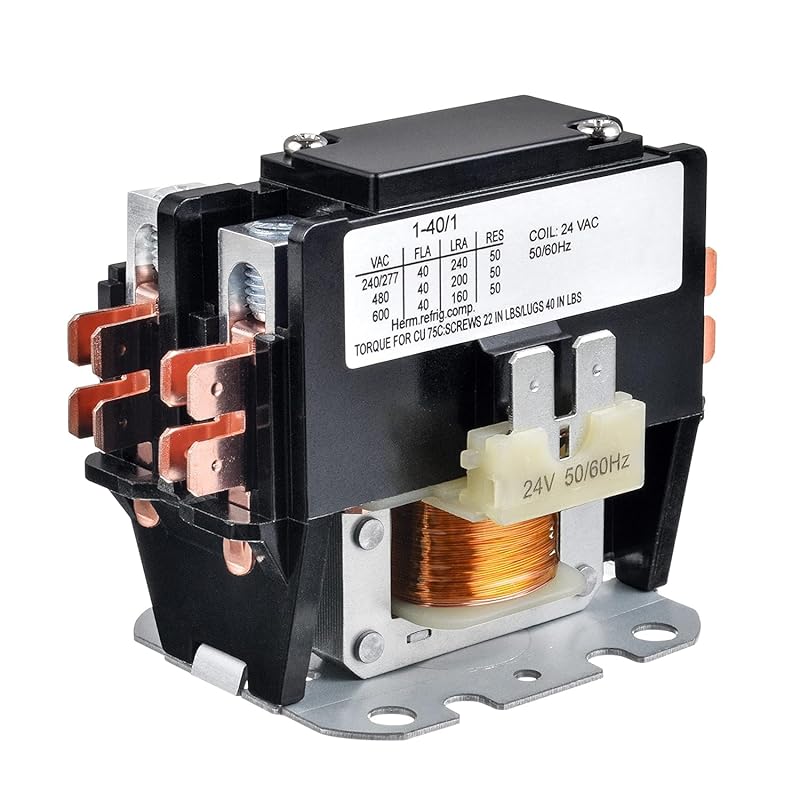
The E1 error code on your Carrier air conditioner indicates a communication or control board fault. This issue often stems from wiring problems, loose connections, or internal component failure. Understanding the cause helps you decide whether to fix it yourself or contact a technician.
Key Takeaways
- E1 Code Definition: The E1 error on Carrier AC units typically signals a communication error between the indoor and outdoor units, or an issue with the main control board.
- Common Causes: Loose wiring, damaged sensors, faulty control boards, or software glitches are frequent culprits behind the E1 error.
- Safety First: Always turn off power at the breaker before inspecting wiring or accessing internal components to avoid electrical hazards.
- DIY Troubleshooting: Simple steps like checking connections, resetting the unit, and cleaning sensors may resolve minor issues without professional help.
- When to Call a Pro: If basic fixes don’t work, or if you suspect internal hardware damage, contacting a certified HVAC technician is the safest and most effective solution.
- Prevention Tips: Regular maintenance, keeping vents clean, and ensuring proper installation can reduce the risk of recurring E1 errors.
Quick Answers to Common Questions
What does the E1 error code mean on my Carrier air conditioner?
Answer: The E1 error indicates a communication failure between the indoor and outdoor units or a problem with the control board. It means your AC’s internal systems aren’t exchanging data properly.
Can I fix an E1 error myself?
Answer: Yes, if it’s caused by loose wires or a simple reset. Always turn off power first. For suspected control board or sensor issues, call a professional to avoid safety risks.
Why does my Carrier AC show E1 after a power outage?
Answer: Power outages can reset firmware or corrupt temporary memory in the control board. Try a soft reset—wait 10 minutes, then restore power and test the unit.
Is E1 the same as E2 or E3 errors?
Answer: No. E1 typically relates to communication or control issues. E2 and E3 often point to temperature or refrigerant problems, so they require different troubleshooting steps.
How long does it take to diagnose an E1 error?
Answer: A technician can usually identify the cause in 30–60 minutes using diagnostic tools. DIY checks take longer but are safer for beginners.
📑 Table of Contents
- Understanding the Carrier Air Conditioner E1 Error Code Meaning
- What Does the E1 Error Code Mean on a Carrier AC?
- Common Causes of the E1 Error on Carrier Units
- How to Troubleshoot the E1 Error Code Safely
- When Should You Call a Professional?
- Preventing Future E1 Errors
- Real-Life Example: Resolving an E1 Code After Storm Damage
- Frequently Asked Questions About Carrier E1 Error Codes
Understanding the Carrier Air Conditioner E1 Error Code Meaning
If you’re a homeowner with a Carrier air conditioning system, chances are you’ve seen that blinking E1 light on your thermostat—or heard your unit cycle on and off without cooling properly. It’s frustrating, especially during a heatwave. But what does that E1 error code actually mean? And more importantly, how do you fix it?
In this detailed guide, we’ll walk through everything you need to know about the Carrier air conditioner E1 error code meaning. From common causes to step-by-step troubleshooting tips, we’ll help you decode the message your AC is sending and get your home back to being cool and comfortable.
Why Error Codes Matter
Modern HVAC systems like Carrier’s are packed with smart technology. These systems monitor performance in real time and use diagnostic codes—like E1—to alert you (and technicians) when something isn’t right. Think of these codes as the “check engine light” for your air conditioner. Ignoring them can lead to bigger problems down the line, such as complete system failure or costly repairs.
The E1 code specifically relates to communication or control issues within your unit. Unlike temperature sensor errors (which might show as E2 or E3), the E1 usually points to a breakdown in data flow between key components. Understanding this distinction helps narrow down the problem quickly.
What Does the E1 Error Code Mean on a Carrier AC?
The Carrier air conditioner E1 error code meaning generally refers to a communication failure between the indoor blower motor and the outdoor compressor unit, or a malfunction in the control board. In simpler terms, your AC’s brain (the control module) isn’t receiving or sending the right signals to keep things running smoothly.
Visual guide about Carrier Air Conditioner E1 Error Code Meaning
Image source: c-ssl.duitang.com
Breaking Down the Components Involved
- Control Board: The central hub that manages power distribution and coordinates operations between indoor and outdoor units.
- Blower Motor: Responsible for circulating cooled air through your ducts.
- Indoor/Outdoor Unit Communication Wires: Thin cables that transmit data and commands between components.
- Sensors: Devices that monitor temperature, airflow, and system status.
When any of these parts fail or disconnect, the system logs an error—and that’s when you see the dreaded E1 flash.
Is It a Minor Glitch or Something Serious?
Not all E1 errors are equally serious. Some stem from simple loose wires, while others indicate deeper hardware issues like a fried capacitor or corrupted firmware. The good news? Many E1 issues can be resolved quickly—but only if you diagnose them correctly.
Common Causes of the E1 Error on Carrier Units
Let’s dig into the most likely reasons why your Carrier AC is throwing an E1 code. Knowing the root cause saves time and prevents unnecessary part replacements.
1. Loose or Damaged Wiring Connections
This is by far the most frequent cause of E1 errors. Over time, vibration from the compressor can loosen wire nuts or terminal connections inside your air handler or outdoor unit. Even a slightly frayed connection disrupts communication.
Example: A homeowner noticed their Carrier heat pump showed E1 after a recent storm. Upon inspection, they found one of the communication wires had come partially unscrewed during high winds. Tightening it fixed the issue instantly.
2. Faulty Control Board
The control board acts like the conductor of an orchestra—without it, nothing works in harmony. If the board gets wet, overheats, or suffers voltage spikes, it may stop processing signals correctly, triggering the E1 code.
⚠️ Note: Replacing a control board is complex and usually requires professional tools. DIY attempts carry a high risk of further damage.
3. Defective Temperature or Pressure Sensors
While not always the direct cause, sensor failures can confuse the control system into thinking there’s a communication breakdown. For instance, a stuck pressure switch might send false readings that mimic an E1 error.
4. Software or Firmware Glitches
Just like your phone needs updates, HVAC systems rely on firmware to function properly. Outdated software can create bugs that disrupt signal transmission between modules.
Pro Tip: Check your Carrier dealer’s website for any available firmware updates. Some newer models allow remote diagnostics and updates via Wi-Fi.
5. Power Supply Issues
Unstable voltage or brownouts can corrupt data packets traveling between components. This is especially common in older homes with outdated electrical panels.
How to Troubleshoot the E1 Error Code Safely
Before calling a technician, try these safe, DIY-friendly steps. Remember: always turn off power at the circuit breaker before touching any wiring.
Step 1: Perform a Soft Reset
- Turn off your AC using the thermostat.
- Locate the main breaker panel and shut off the breaker labeled “HVAC” or “Air Conditioning.”
- Wait 5–10 minutes (this allows capacitors to fully discharge).
- Restore power and set the thermostat to “Cool.”
This often clears temporary glitches. If the E1 doesn’t return within 30 minutes, move to the next step.
Step 2: Inspect Wiring Connections
- Open the access panel on your furnace or air handler (indoor unit).
- Gently check all wire terminals for looseness or corrosion.
- Ensure the communication wires (usually blue or white) are securely connected.
- If you spot frayed insulation, replace the wire immediately.
Safety Reminder: Never handle live wires. Use insulated gloves and a voltage tester to confirm power is off.
Step 3: Clean the Blower Assembly
Dust buildup on the blower wheel or motor can interfere with airflow sensors, leading to false error codes. Remove the front cover and vacuum around the motor housing.
Step 4: Check for Obstructions Near Outdoor Unit
Blocked airflow from debris, leaves, or snow around the condenser can strain the system and trigger protection modes—including E1. Clear vegetation and rinse the coils gently if needed.
When Should You Call a Professional?
While some E1 errors are easy to fix, others require expert intervention. Here’s when to pick up the phone:
- Persistent E1 after reset: If the code returns within hours, the issue is likely hardware-related.
- Visible damage: Burn marks, melted plastic, or smoke smells indicate internal faults needing immediate attention.
- Lack of confidence: If you’re unsure about wiring or controls, it’s better to call an HVAC pro than risk injury or further damage.
Certified Carrier technicians have access to proprietary diagnostic tools and replacement parts, ensuring accurate repairs. Plus, many offer service agreements that include annual inspections—preventing future E1 surprises.
Preventing Future E1 Errors
Prevention beats cure when it comes to HVAC reliability. Follow these best practices:
Schedule Annual Maintenance
A licensed technician should inspect your system once a year. They’ll tighten connections, test sensors, and verify firmware versions—all critical for avoiding communication errors.
Keep Vents and Filters Clean
Clogged filters restrict airflow, forcing the system to work harder and potentially overheating sensitive electronics like the control board.
Install Surge Protectors
Power surges are a leading cause of control board failure. Whole-home surge protectors shield your AC from voltage spikes during storms or grid fluctuations.
Avoid DIY Modifications
Tampering with settings or adding unauthorized accessories can disrupt factory calibration and trigger error codes like E1.
Real-Life Example: Resolving an E1 Code After Storm Damage
Last summer, Sarah in Phoenix woke up to her Carrier AC blowing warm air and flashing an E1 code. Her first thought was lightning strike damage. She called a local HVAC company, who found nothing wrong with the control board—but discovered that heavy rain had loosened a wire nut in the outdoor unit’s junction box. After resealing the connections with dielectric grease and tightening everything, the error vanished. The fix took under an hour and cost less than $50 in materials.
This case highlights how environmental factors—not just wear and tear—can contribute to E1 errors.
Frequently Asked Questions About Carrier E1 Error Codes
Can I drive the E1 error away by unplugging the unit?
Yes, a hard reset (turning off the breaker for 10+ minutes) can clear temporary glitches. However, if the underlying issue remains, the error will return. This method works best for software-related problems.
Will an E1 error damage my compressor?
Indirectly, yes. When communication fails, the system may enter a protective shutdown mode to prevent overheating. Prolonged operation with unresolved E1 codes increases stress on components, potentially shortening their lifespan.
Are all Carrier models affected the same way by E1?
Most Carrier systems use similar control logic, but exact error meanings can vary by model and firmware version. Always consult your user manual or contact Carrier support for model-specific guidance.
How much does it cost to fix an E1 error?
Troubleshooting costs depend on the cause. A loose wire fix may take 30 minutes and cost $75–$150. Control board replacement ranges from $300–$800 (parts + labor). Early diagnosis saves money!
Does warranty cover E1-related repairs?
If the error stems from manufacturing defects or covered failures (e.g., power surges with surge protection), your warranty likely applies. DIY tampering voids coverage. Document any maintenance records to strengthen claims.
Frequently Asked Questions
What should I do first when my Carrier AC shows an E1 error?
Start with a soft reset: turn off the AC at the thermostat and breaker, wait 10 minutes, then restore power. This resolves many temporary glitches without opening any panels.
Can dirty air filters cause an E1 error?
Unlikely directly, but severely clogged filters reduce airflow, which can overheat components and trigger protective shutdowns—sometimes mimicking E1 behavior.
Do all Carrier models display E1 the same way?
Most Carrier systems use consistent error codes, but newer models may have enhanced diagnostics. Always check your specific model’s manual for accurate interpretation.
Will weather affect E1 errors?
Yes. Extreme heat, humidity, or storms can loosen connections or expose wiring to moisture, increasing the chance of communication failures and E1 triggers.
Can a firmware update fix an E1 error?
Possibly. Outdated software bugs can disrupt signal transmission. Contact your Carrier dealer to see if a firmware update is available for your model.
Is it dangerous to ignore an E1 error?
It’s not an immediate danger, but ignoring it may lead to system lockouts, reduced efficiency, or eventual component failure. Address it promptly to avoid larger repairs.