Can Air Conditioning Affect Your Sinuses?
It's a sweltering summer day, and you crank up the air conditioning for some much-needed relief. But later, you find yourself sneezing and your sinuses feel stuffy. Could your relief from the heat actually be causing these symptoms? This article will explore the relationship between air conditioning and sinus problems, helping you understand the potential effects and how to mitigate them. You'll learn about the science behind it, practical tips to manage discomfort, and debunk some common myths surrounding air conditioning and sinus health.
Air Conditioning and Sinus Irritation
This section examines the direct impact of air conditioning on sinus health, focusing on how the changes in humidity and air quality contribute to sinus problems. We will look at the specific mechanisms and provide evidence-based insights. For more on this, see our guide on can a radiator problem affect air conditioning.
Dry Air and Sinus Membranes
- Air conditioners significantly reduce humidity levels. Dry air can irritate the delicate membranes lining your sinuses, leading to dryness, inflammation, and increased susceptibility to infections. The mucous membranes become less efficient at trapping irritants and pathogens, resulting in symptoms like stuffiness and sneezing. This is because the normal protective function of the mucous is impaired by dryness.
Airborne Pollutants and Allergens
- While AC units aim to filter the air, they don't always remove all pollutants. Dust mites, mold spores, and pollen can become trapped within the system, being circulated throughout your home when the air conditioner is on. For those with allergies or sensitivities, this can trigger sinus symptoms.
Temperature Fluctuations and Sinus Pressure
- Sudden changes in temperature, especially moving from a hot, humid environment into a cool, air-conditioned space, can affect sinus pressure. This can exacerbate existing sinus conditions or trigger headaches in susceptible individuals. Rapid temperature shifts can cause inflammation in sinus cavities, making them more prone to discomfort.
How Air Conditioning Affects Sinus Infections
This section delves into the connection between air conditioning and the increased risk of sinus infections, explaining the processes involved and providing practical solutions.
Weakened Immune Response
- The dry air produced by air conditioners can compromise the immune system's ability to fight off infections. The dryness disrupts the normal function of the nasal passages, making it easier for bacteria and viruses to enter and establish themselves.
Increased Bacteria and Virus Growth
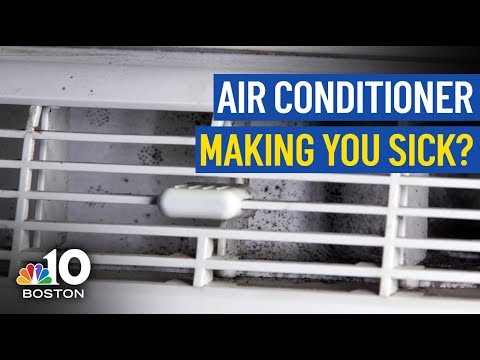
- Air conditioning units, if not properly maintained, can become breeding grounds for bacteria and fungi. Dust and debris accumulating within the system provide a hospitable environment for microbial growth. Regular cleaning and filter changes can greatly minimize this risk. A study published in the Journal of Environmental Health shows a direct correlation between poorly maintained AC units and increased incidence of respiratory illnesses.
Example: The Office Worker
- An office worker spends eight hours a day in a centrally air-conditioned office. After a few weeks, he begins experiencing persistent sinus congestion and headaches, especially during peak AC usage. This is likely due to the drying effect of the AC on his nasal passages and the circulation of potential irritants.
Managing Sinus Discomfort from Air Conditioning
This section provides actionable strategies to minimize the negative impact of air conditioning on your sinuses. We will cover practical solutions for improving air quality and maintaining sinus health. For more on this, see our guide on can air conditioning affect asthma.
Using a Humidifier
- Adding moisture to the air using a humidifier can counter the drying effects of air conditioning. This helps keep the mucous membranes moist and reduces irritation. Aim for a relative humidity level between 40-60% for optimal comfort and health.
Regular AC Maintenance
- Regular cleaning and filter replacement are crucial in removing allergens and pollutants from your air conditioning system. This significantly reduces the risk of these irritants being circulated throughout your home, improving indoor air quality and minimizing sinus irritation.
Saline Nasal Sprays and Rinses
- Saline nasal sprays or rinses can help moisten the nasal passages, flush out irritants, and thin mucus. These simple solutions offer immediate relief from dryness and congestion, promoting better sinus health.
Improving Indoor Air Quality
- Consider using air purifiers with HEPA filters to remove dust, pollen, and other airborne particles from the air. This can further minimize the impact of allergens and pollutants circulated by the air conditioning system. The EPA’s indoor air quality guidance recommends combining source control, ventilation, and filtration for the best results (EPA Indoor Air Quality).
Debunking Myths About Air Conditioning and Sinuses
Myth 1: Air Conditioning always causes sinus problems.
While air conditioning can contribute to sinus issues, it doesn't automatically cause them. Proper maintenance and humidity control can significantly reduce the risk.
Myth 2: All air conditioners are equally drying.
Modern air conditioners often have features like humidification or better filtration, minimizing the drying effect. The type of unit and its maintenance are key factors. For more on this, see our guide on can air conditioning affect your ears.
Myth 3: Sinus problems from AC are always serious.
Often, discomfort is mild and easily manageable. However, persistent symptoms should prompt a consultation with a medical professional.
Air Conditioning and Specific Sinus Conditions
This section explores how air conditioning affects certain sinus conditions, such as allergies and sinusitis, offering personalized strategies. For more on this, see our guide on can air conditioning affect your eyes.
Allergies and Air Conditioning
- For individuals with allergies, air conditioning can both help and hinder. While it can reduce outdoor allergens, it can also circulate indoor allergens trapped within the system. Using HEPA filters and regular cleaning are vital. Insert a comparison chart here comparing different air purifier types and their effectiveness.
Sinusitis and Air Conditioning
- Dry air from air conditioners can worsen sinusitis symptoms. The inflammation and mucus buildup associated with sinusitis are exacerbated by dry air, leading to increased discomfort. Humidification and saline rinses are particularly beneficial for managing sinusitis symptoms related to air conditioning.
Case Study: The Child with Allergies
- A child with seasonal allergies experiences worsened symptoms when the family's air conditioner is in use. Switching to a higher-efficiency filter and using a humidifier significantly reduced their allergy symptoms.
Comparison of Air Purifier Types
| Purifier Type | Typical Capture Efficiency | Best For | Maintenance Notes |
|---|---|---|---|
| True HEPA | ≥99.97 % of particles ≥0.3 µm | Allergens, dust, pet dander | Replace filter every 6–12 months |
| Activated Carbon | Adsorbs gases & odors | VOCs, smoke, cooking smells | Replace carbon media per manufacturer |
| UV‑C Light | Inactivates microbes | Bacteria, viruses, mold spores | Bulb replacement annually |
| Ionizer / Electrostatic | Charges particles for collection | Fine particles, some odors | Clean collector plates regularly |
| Hybrid (HEPA + Carbon + UV) | Multi‑stage coverage | Comprehensive indoor air quality | Follow each component’s schedule |
Choose a model that matches your primary irritants and follow the manufacturer’s upkeep schedule for consistent performance.
Practical Maintenance Checklist
- Monthly: Inspect and clean the return‑air grille; vacuum dust from the indoor unit’s accessible surfaces.
- Every 1–3 months: Replace or wash the air‑filter according to the unit’s specification; a clogged filter restricts airflow and raises humidity‑loss.
- Seasonally: Schedule a professional coil cleaning and refrigerant check; this keeps the system running efficiently and limits microbial growth.
- Annually: Verify thermostat calibration and duct sealing; leaky ducts pull in unfiltered air and undermine humidity control.
Following a routine like the one outlined in our seasonal air conditioning maintenance tips helps preserve both comfort and sinus health.
If you’re selecting a new system, the guide on how to choose the right air conditioner for your home walks through sizing, features, and filtration options. For more on this, see our guide on can low engine oil affect air conditioning.
For energy‑savvy settings that also support healthier humidity levels, see what are the best air conditioning settings for energy efficiency.
When installing a split‑system, the split ac installation guide covers proper drainage and airflow balance — key to avoiding excess dryness.
And if you’re weighing a central system versus a ductless unit, the air conditioner vs hvac comparison breaks down the trade‑offs.
FAQ
What are the early warning signs of air conditioning affecting my sinuses?
Early signs include nasal dryness, stuffiness, sneezing, and a feeling of irritation in the nasal passages. You might also experience headaches, especially after prolonged exposure to air conditioning.
How can I improve the air quality in my air-conditioned home?
Regularly change your air conditioner filters, use air purifiers with HEPA filters, and consider using a humidifier to increase humidity levels. Regular cleaning of the AC unit itself is also beneficial.
Is it better to use air conditioning or open windows in terms of sinus health?
It depends on the external environment. If outdoor air is heavily polluted or contains high levels of allergens, air conditioning might be preferable. However, if outdoor air is clean and humid, opening windows might be better for sinus health.
Are there any long-term effects of air conditioning on sinus health?
Chronic exposure to dry air from air conditioning can lead to chronic sinus dryness and irritation, potentially increasing susceptibility to infections over time. However, with proper management and preventative measures, this risk can be minimized.
Can I prevent sinus problems entirely while using air conditioning?
Completely preventing all sinus problems related to air conditioning might be difficult. However, proactive measures like proper maintenance, humidification, and good indoor air quality management can drastically reduce the likelihood of issues.
How often should I replace my AC filter to protect my sinuses?
Most manufacturers recommend checking the filter monthly and replacing it at least every 90 days; households with pets or allergy sufferers may benefit from a 30‑day interval.
Can a portable humidifier cause mold if used with AC?
If indoor humidity stays above 60 % for extended periods, mold risk rises. Use a hygrometer and keep the humidifier’s output in the 40‑60 % range to stay safe.
Final Thoughts
While air conditioning offers essential relief from heat, understanding its potential impact on your sinuses is crucial. By taking proactive steps such as maintaining proper humidity levels, regularly cleaning your air conditioning unit, and using saline nasal sprays, you can significantly reduce the risk of experiencing sinus discomfort. Remember, paying attention to your body and addressing any persistent symptoms with a healthcare professional is key to maintaining optimal sinus health throughout the year.