
Air Conditioning Essentials: Stay Cool and Comfy!
Air Conditioning: Everything You Need to Know
What is Air Conditioning?
Air conditioning is a system that cools your home or office. It makes the air comfortable. It can also remove moisture from the air.
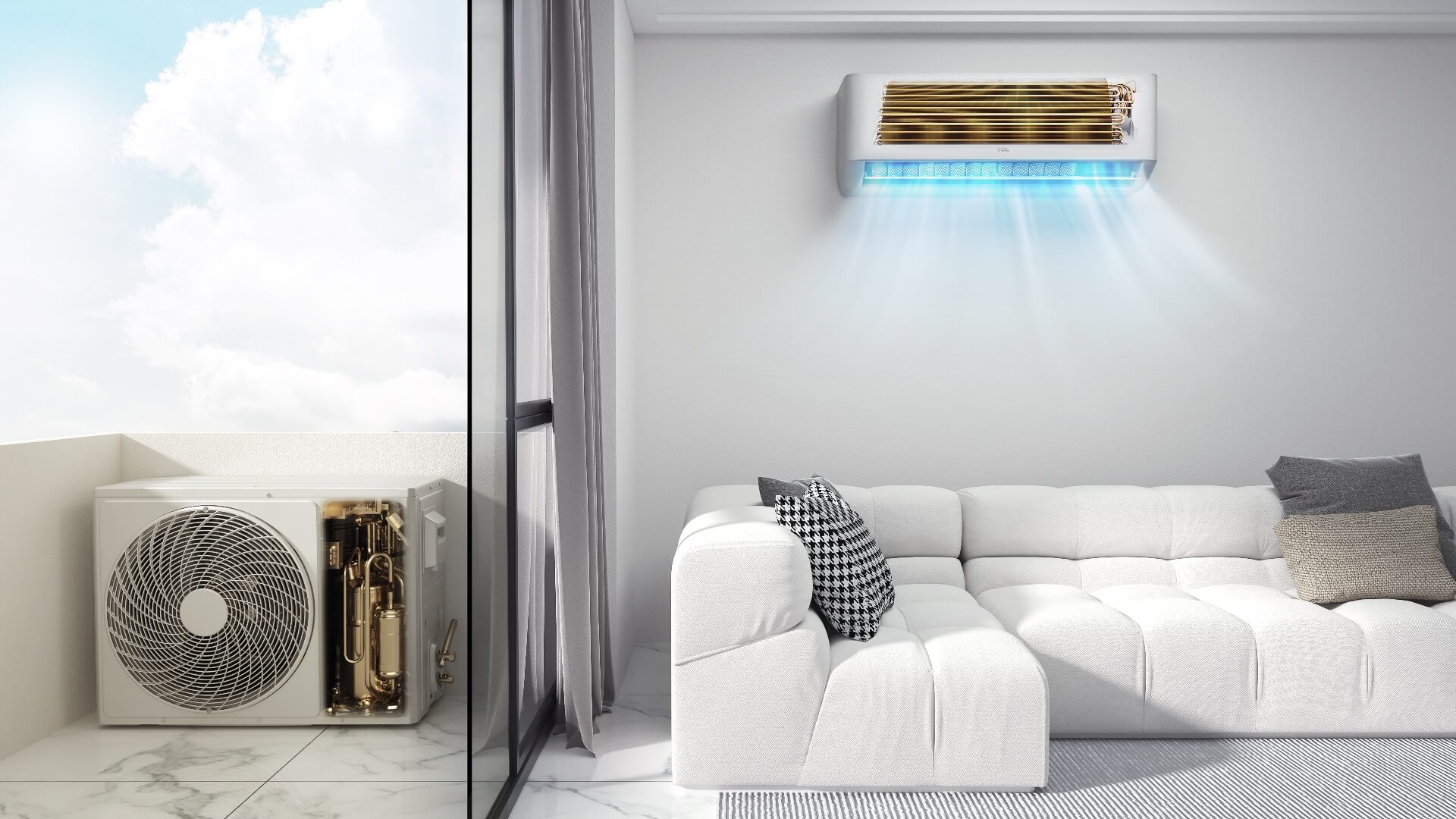 Compressor unit of a typical split air conditioner
Modern units also incorporate variable‑speed fans and smart sensors that adjust output in real time, improving both comfort and efficiency.
History of Air Conditioning
Air conditioning has a long history. In 1902, Willis Carrier invented the first modern air conditioner. It was used to cool a printing plant. Over time, air conditioners became more common in homes and offices.
Since the 1990s, the industry has shifted toward eco‑friendly refrigerants and inverter‑driven compressors, dramatically reducing energy use while maintaining performance.
Types of Air Conditioners
There are many types of air conditioners. Each type has its own benefits. Let's explore them:
Window Air Conditioners: These are easy to install. They fit in a window. They are good for small rooms.
Portable Air Conditioners: These can be moved from room to room. They are good for temporary cooling.
Split Air Conditioners: These have two parts. One part is inside and the other part is outside. They are very quiet and efficient.
Central Air Conditioners: These cool your entire home. They use ducts to move cool air around. They are very powerful.
https://www.youtube.com/watch?v=gVLhrLTF878
Hybrid systems that combine a heat pump with a traditional furnace are gaining popularity for year‑round climate control. For a deeper look at split‑system setup, see the split system setup guide.
How Does an Air Conditioner Work?
An air conditioner has several parts. It uses a refrigerant to cool the air. Here is how it works:
The air conditioner takes in warm air from the room.
The warm air passes over cold coils. The refrigerant in the coils cools the air.
The cooled air is blown back into the room.
The warm refrigerant is sent outside to cool down. Then it is ready to cool more air.
Most residential units now use R‑32 or R‑410A refrigerants, which have lower global‑warming potential than older blends. Understanding the difference from full HVAC systems can help you choose the right equipment; learn more about differences from HVAC systems.
Benefits of Air Conditioning
Air conditioning has many benefits. Here are some of the most important ones:
Comfort: Air conditioning keeps you cool. It makes hot days more bearable.
Better Sleep: Cool air helps you sleep better. You won't wake up sweating.
Improved Air Quality: Air conditioners can filter out dust and pollen. This makes the air cleaner.
Reduced Humidity: Air conditioners remove moisture from the air. This makes the air feel cooler.
Beyond comfort, consistent temperature and humidity control can reduce mold growth and alleviate allergy symptoms, contributing to a healthier indoor environment. Explore the latest comfort tech for advanced filtration options.
Maintaining Your Air Conditioner
It's important to take care of your air conditioner. Here are some simple maintenance tips:
Change the Filters: Dirty filters reduce efficiency. Change them every few months.
Clean the Coils: Dust can build up on the coils. Clean them to keep your AC working well.
Check the Refrigerant: Low refrigerant can make your AC less effective. Have a professional check it.
Inspect the Ducts: Leaky ducts waste energy. Make sure they are sealed properly.
A yearly professional tune‑up catches refrigerant leaks, verifies electrical connections, and calibrates the thermostat for peak performance. Follow a seasonal upkeep checklist to stay on schedule.
Energy Efficiency and Air Conditioning
Energy efficiency is important. It saves you money and helps the environment. Here are some tips to make your air conditioner more efficient:
Use a Programmable Thermostat: Set it to cool only when needed. This saves energy.
Keep Curtains Closed: Sunlight can heat up your home. Close curtains to keep it cool.
Seal Windows and Doors: Prevent cool air from escaping. This keeps your home cooler.
Regular Maintenance: Keep your AC in good shape. This makes it more efficient.
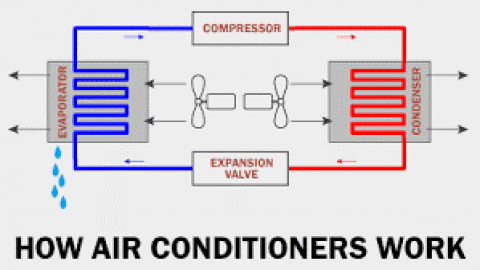 Refrigerant flow diagram illustrating cooling cycle
Upgrading to a unit with a SEER2 rating of 16 or higher can cut cooling costs by 20‑30 % compared with older models. Pair that with a smart thermostat for automated scheduling and remote control. For optimal thermostat settings, review the optimal thermostat settings guide.
Choosing the Right Air Conditioner
Choosing the right air conditioner is important. Here are some factors to consider:
Room Size: Make sure the AC is powerful enough for your room.
Energy Efficiency: Look for an energy-efficient model. It will save you money.
Noise Level: Some air conditioners are quieter than others. Choose one that won't disturb you.
Price: Find an air conditioner that fits your budget. Don't forget to consider installation costs.
A proper load calculation (Manual J) ensures you select a unit that matches your home’s heat gain, avoiding short‑cycling and excess humidity. Use the size and efficiency guide for step‑by‑step help. Ready to find your perfect unit? Check out our guide on selecting the right air conditioner for your home.
Understanding SEER and SEER2 Ratings
SEER (Seasonal Energy Efficiency Ratio) measures cooling output divided by electricity consumed over a typical season. The newer SEER2 test procedure reflects real‑world conditions more accurately, so a SEER2‑rated 16 unit performs similarly to a SEER‑rated 18 under the old method. When comparing models, always look for the SEER2 label to make an apples‑to‑apples comparison.
Smart Thermostats and Connectivity
Wi‑Fi‑enabled thermostats learn your schedule, adjust temperatures when you’re away, and provide energy‑use reports. Many utilities offer rebates for installing ENERGY STAR‑certified smart thermostats, further lowering the total cost of ownership.
Installation Considerations
Proper placement of the outdoor condenser — away from direct sunlight, with at least 24 inches of clearance on all sides — maximizes airflow and extends compressor life. Indoor units should be mounted high on a wall, centered over the conditioned space, and level to ensure correct drainage. For detailed steps, see the central AC installation guide.
Common Troubleshooting Steps
If the system runs but doesn’t cool, check the thermostat mode, verify the circuit breaker, and inspect the air filter before calling a technician. Refrigerant leaks, frozen evaporator coils, and faulty capacitors are the most frequent causes of warm‑air complaints. For brand‑specific guidance, refer to the Delonghi troubleshooting guide or the Gree troubleshooting guide.
Environmental Impact and Refrigerants
Modern refrigerants such as R‑32 have a global‑warming potential roughly one‑third that of R‑410A. The EPA’s Significant New Alternatives Policy (SNAP) program lists approved low‑GWP options; you can review the current list on the EPA indoor air quality page. Choosing equipment that uses these refrigerants reduces your carbon footprint while maintaining performance.
Cost Breakdown and Incentives
Typical residential split‑system installations range from $3,500 to $7,500 depending on capacity, brand, and labor rates. Federal tax credits (up to $600 for qualified high‑efficiency units) and many state rebate programs can offset a sizable portion of the upfront cost. Always ask your installer for a detailed quote that separates equipment, labor, and permit fees.
Frequently Asked Questions
What Is The Best Temperature For Ac?
Set your AC to 78°F for optimal comfort and energy efficiency.
How Often Should I Service My Ac?
Service your AC at least once a year for peak performance.
Why Is My Ac Not Cooling?
Your AC might have a dirty filter, low refrigerant, or a malfunctioning compressor.
How Can I Improve Ac Efficiency?
Clean filters regularly, seal ducts, and use a programmable thermostat.
Conclusion
Air conditioning is a great way to stay cool. It makes your home or office comfortable. There are many types of air conditioners to choose from. Make sure to maintain your air conditioner to keep it working well. Follow our tips to choose the right one and enjoy a cool, comfortable space.

