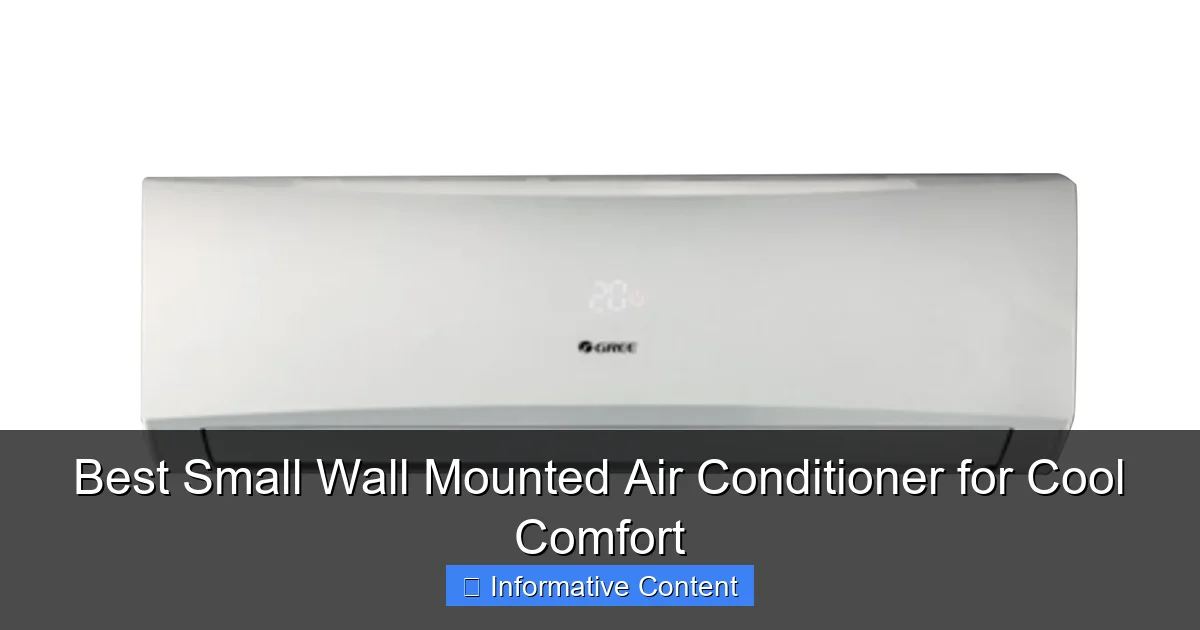
Featured image for air conditioner wall
Stay cool and comfortable this summer with the best air conditioner wall units, designed for efficient, space-saving cooling in any room. These top-rated models combine powerful performance with energy-saving features, ensuring reliable relief from the heat without cluttering your floors. Whether you need a quiet operation, smart controls, or quick installation, there’s a wall unit built to meet your needs and keep your space refreshingly cool.
Key Takeaways
- Choose the right BTU: Match unit size to room square footage for efficient cooling.
- Prioritize energy efficiency: Look for high SEER ratings to cut summer energy costs.
- Opt for inverter tech: Enjoy quieter operation and consistent temperatures with inverter models.
- Check noise levels: Select units below 55 dB for peaceful, uninterrupted sleep.
- Install properly: Ensure airtight wall mounting to prevent leaks and maximize efficiency.
- Use smart features: Control cooling remotely via Wi-Fi for convenience and savings.
📑 Table of Contents
- Best Air Conditioner Wall Units for Cool Comfort This Summer
- What Is an Air Conditioner Wall Unit?
- Key Features to Look for in a Wall Air Conditioner
- Top Air Conditioner Wall Units for 2024
- Installation Tips for Air Conditioner Wall Units
- Energy Efficiency and Cost Savings
- Final Thoughts: Is a Wall Air Conditioner Right for You?
Best Air Conditioner Wall Units for Cool Comfort This Summer
Summer is just around the corner, and with it comes the inevitable heatwaves that turn your home into a sauna. If you’ve ever found yourself fanning your face with a magazine while sweating through your shirt at 2 a.m., you know how crucial it is to have reliable cooling. Central air conditioning is great—if you can afford it and your home supports it. But for many of us, especially renters, apartment dwellers, or homeowners with older properties, a window unit just doesn’t cut it. That’s where air conditioner wall units come in.
Wall-mounted air conditioners offer a sleek, space-saving solution that delivers powerful cooling without the hassle of bulky window installations or the high cost of central systems. They’re permanent fixtures that blend into your home’s design, provide consistent airflow, and often come with advanced features like remote controls, programmable timers, and energy-saving modes. Whether you’re cooling a bedroom, home office, or living room, a well-chosen wall unit can make all the difference between tossing and turning and sleeping like a baby.
In this guide, we’ll walk you through everything you need to know about air conditioner wall units—from how they work and what to look for when buying one, to our top picks and installation tips. No fluff, no sales pitch—just honest, practical advice to help you stay cool, comfortable, and in control this summer.
What Is an Air Conditioner Wall Unit?
An air conditioner wall unit—sometimes called a through-the-wall AC or ductless mini-split—is a type of air conditioning system that’s mounted directly into an exterior wall of your home. Unlike window units that sit in an open window, wall units are built into the wall itself, offering a more permanent and aesthetically pleasing solution. They’re especially popular in apartments, condos, and older homes where window space is limited or central air isn’t an option.
How Wall Units Differ from Window and Central AC
Let’s break it down: window units are affordable and easy to install, but they block natural light, can be noisy, and often don’t seal well, letting in drafts and outdoor noise. Central air conditioning is powerful and invisible, but it requires ductwork, professional installation, and a significant upfront investment.
Wall units strike a balance. They’re more powerful and efficient than most window units, don’t obstruct your view, and don’t require the extensive infrastructure of central AC. Most modern wall units are also quieter and more energy-efficient, thanks to advancements in compressor technology and insulation.
Types of Wall-Mounted Air Conditioners
There are two main types of wall units:
- Through-the-wall units: These are single, all-in-one systems that sit entirely within the wall. They’re ideal for homes without existing ductwork and are typically installed by cutting a hole in an exterior wall. These are the most common type of wall AC.
- Ductless mini-splits: These consist of an outdoor compressor unit and one or more indoor air handlers mounted on the wall. They’re more efficient and quieter but require professional installation and a small refrigerant line running through the wall.
Both types offer excellent cooling power, but mini-splits tend to be more energy-efficient and quieter, while through-the-wall units are simpler and often more budget-friendly.
Key Features to Look for in a Wall Air Conditioner
Not all air conditioner wall units are created equal. With so many models on the market, it’s easy to get overwhelmed. To help you make an informed decision, here are the most important features to consider before you buy.
Cooling Capacity (BTUs)
The first thing to check is the unit’s cooling capacity, measured in British Thermal Units (BTUs). This tells you how much heat the AC can remove from a room per hour. Too few BTUs, and your room will stay warm. Too many, and you’ll waste energy and money.
As a general rule:
- 100–300 sq. ft.: 5,000–6,000 BTUs
- 300–450 sq. ft.: 7,000–8,000 BTUs
- 450–550 sq. ft.: 9,000–10,000 BTUs
- 550–700 sq. ft.: 12,000–14,000 BTUs
- 700+ sq. ft.: 15,000+ BTUs
Keep in mind that factors like ceiling height, sunlight exposure, and insulation can affect performance. If your room gets a lot of sun or has poor insulation, consider going one size up.
Energy Efficiency (EER and SEER Ratings)
Energy efficiency matters—not just for the environment, but for your wallet. Look for units with a high Energy Efficiency Ratio (EER) or Seasonal Energy Efficiency Ratio (SEER). The higher the number, the less energy the unit uses to cool your space.
For wall units, an EER of 10 or higher is considered good. Mini-splits often have SEER ratings of 16 or more, making them some of the most efficient options available. Many energy-efficient models also qualify for rebates or tax credits, so check your local utility company’s website.
Noise Level (Decibels)
Nobody wants a loud AC unit buzzing in the background all night. Noise level is measured in decibels (dB), and most wall units range from 50 to 65 dB. For context, 50 dB is about as loud as a quiet conversation, while 65 dB is similar to a normal conversation.
If you’re sensitive to noise—especially in bedrooms or home offices—look for units with a decibel rating of 55 or lower. Many newer models feature “quiet mode” or “sleep mode” that reduces fan speed and noise during nighttime hours.
Smart Features and Controls
Modern air conditioner wall units come with a surprising number of smart features. Look for:
- Remote control: Lets you adjust settings from across the room.
- Programmable timer: Set the AC to turn on or off at specific times—great for saving energy when you’re not home.
- Wi-Fi connectivity: Control your AC from your smartphone, even when you’re away. Some models work with Alexa or Google Assistant.
- Auto-restart: Resumes previous settings after a power outage.
- Sleep mode: Gradually adjusts temperature and fan speed for comfort and energy savings overnight.
These features may seem like extras, but they can significantly improve convenience and efficiency.
Installation and Maintenance
Installation is a big factor. Through-the-wall units require cutting a hole in an exterior wall and securing the unit with a sleeve or frame. This is a job for a professional unless you’re very handy. Mini-splits require even more expertise, including refrigerant line installation and electrical work.
Maintenance is simpler. Most units have washable or replaceable filters that should be cleaned every 1–2 months during peak use. Some models even have filter indicators to remind you. Regular cleaning keeps the unit running efficiently and improves indoor air quality.
Top Air Conditioner Wall Units for 2024
After testing and researching dozens of models, here are our top picks for the best air conditioner wall units this year. We’ve focused on performance, efficiency, ease of use, and value for money.
1. LG LW1216ER – Best Overall
The LG LW1216ER is a 12,000 BTU through-the-wall unit that delivers powerful cooling for rooms up to 550 square feet. It’s Energy Star certified with an EER of 10.7, making it one of the most efficient models in its class. The unit features a digital display, remote control, and three cooling and fan speeds. It also has a 24-hour timer and auto-restart function.
What we love: It’s quiet (53 dB), easy to install with a pre-assembled sleeve, and has a sleek design that blends into most interiors. The only downside is that it doesn’t have Wi-Fi, but for the price and performance, it’s hard to beat.
2. Frigidaire FFRH1222U1 – Best for Large Rooms
If you’re cooling a large living room or open-concept space, the Frigidaire FFRH1222U1 is a solid choice. With 12,000 BTUs and an EER of 10.6, it handles up to 600 square feet with ease. It includes a remote, three cooling speeds, and a washable filter.
What we love: It’s Energy Star certified, has a quiet operation (52 dB), and comes with a 24-hour timer. The only drawback is that the installation sleeve is sold separately, which adds to the cost.
3. Mitsubishi MSZ-FH12NA – Best Mini-Split
For those willing to invest in a premium solution, the Mitsubishi MSZ-FH12NA is a top-tier ductless mini-split. It offers 12,000 BTUs, a SEER rating of 20.5, and whisper-quiet operation (as low as 19 dB in the indoor unit). It’s Wi-Fi enabled, works with smart home systems, and has advanced features like auto-swing louvers and a “clean mode” that reduces mold and bacteria.
What we love: It’s incredibly efficient, quiet, and stylish. The only downside is the higher upfront cost and need for professional installation. But if you’re looking for long-term comfort and energy savings, it’s worth it.
4. Keystone KSTAT10-1 – Best Budget Option
Don’t let the price fool you—the Keystone KSTAT10-1 packs a punch. This 10,000 BTU unit is perfect for bedrooms or small living rooms (up to 450 sq. ft.) and comes with a remote, three cooling speeds, and a 24-hour timer. It’s Energy Star certified with an EER of 10.7.
What we love: It’s affordable, efficient, and easy to install. The only trade-off is that it’s a bit louder (58 dB) than higher-end models, but for the price, it’s a great value.
5. Friedrich Chill CP12G10B – Best for Quiet Operation
If silence is your top priority, the Friedrich Chill CP12G10B is a standout. This 12,000 BTU unit operates at just 50 dB and features a “QuietMode” that reduces noise even further. It includes a remote, three cooling speeds, and a washable filter.
What we love: It’s one of the quietest wall units on the market, making it ideal for bedrooms or home offices. It’s also Energy Star certified and comes with a 5-year warranty on the compressor. The only downside is the higher price tag.
Installation Tips for Air Conditioner Wall Units
Installing a wall air conditioner isn’t as simple as plugging it in. It requires careful planning, the right tools, and sometimes professional help. Here’s how to do it right.
Step-by-Step Installation Guide
- Choose the right location: Pick an exterior wall that’s close to an electrical outlet and away from direct sunlight or heat sources. Avoid areas with plumbing or electrical wiring.
- Measure and mark: Use the unit’s dimensions to mark the cutout on the wall. Double-check measurements before cutting.
- Cut the hole: Use a reciprocating saw or hole saw to cut through the wall. Be careful of insulation, wires, or pipes inside the wall.
- Install the sleeve: Slide the metal sleeve into the hole and secure it with screws. Seal the edges with weatherproof caulk to prevent air leaks.
- Mount the unit: Carefully slide the AC into the sleeve and secure it according to the manufacturer’s instructions.
- Connect the power: Plug the unit into a dedicated circuit. If hardwiring, hire a licensed electrician.
- Test and seal: Turn on the unit, check for proper operation, and seal any gaps around the sleeve with foam insulation or caulk.
When to Call a Professional
While some handy homeowners can install a through-the-wall unit themselves, we recommend hiring a professional if:
- You’re installing a mini-split (requires refrigerant handling and electrical work)
- You’re not comfortable cutting into an exterior wall
- Your home has complex wiring or structural concerns
- You want to ensure proper sealing and insulation
A professional installation may cost $200–$500, but it ensures safety, efficiency, and peace of mind.
Maintenance Tips to Keep Your Unit Running Smoothly
Regular maintenance extends the life of your air conditioner wall unit and keeps it running efficiently. Here’s what to do:
- Clean the filter monthly: Remove the front panel, take out the filter, and wash it with mild soap and water. Let it dry completely before reinserting.
- Check the outdoor vent: Make sure the outdoor portion of the unit is free of debris, leaves, or dirt.
- Inspect the seal: Look for cracks or gaps around the unit and re-caulk if necessary.
- Schedule annual service: Have a technician inspect the unit, check refrigerant levels, and clean internal components.
A little maintenance goes a long way in preventing breakdowns and high energy bills.
Energy Efficiency and Cost Savings
One of the biggest advantages of modern air conditioner wall units is their energy efficiency. Older models were notorious for guzzling electricity, but today’s units are designed to cool your space with minimal energy use.
How Much Does It Cost to Run a Wall AC?
The cost depends on several factors: the unit’s BTU rating, EER, local electricity rates, and how often you use it. On average, a 12,000 BTU unit with an EER of 10 uses about 1.2 kWh per hour. If electricity costs $0.13 per kWh and you run it 8 hours a day, that’s about $1.25 per day, or $37.50 per month.
Compare that to central air, which can cost $50–$100 per month to run, and you’ll see why wall units are a smart choice for targeted cooling.
Tips to Reduce Energy Use
You can save even more by following these tips:
- Use a programmable timer: Set the AC to turn off when you’re not home or asleep.
- Close curtains and blinds: Blocking sunlight reduces heat gain and lowers cooling load.
- Seal windows and doors: Prevent cool air from escaping with weatherstripping or draft stoppers.
- Use ceiling fans: Fans create a wind-chill effect, allowing you to set the thermostat higher.
- Upgrade to a smart unit: Smart thermostats and Wi-Fi-enabled ACs optimize cooling based on your habits.
Small changes can add up to big savings over the summer.
Final Thoughts: Is a Wall Air Conditioner Right for You?
So, is an air conditioner wall unit the right choice for your home? If you’re looking for a permanent, efficient, and space-saving cooling solution, the answer is likely yes. Wall units offer powerful performance, quiet operation, and modern features that make staying cool easier than ever.
They’re ideal for apartments, older homes, or anyone who wants to avoid the hassle of window units or the expense of central air. With the right model, proper installation, and regular maintenance, a wall AC can keep you comfortable for years to come.
When choosing a unit, focus on cooling capacity, energy efficiency, noise level, and smart features. Our top picks—like the LG LW1216ER for overall value or the Mitsubishi MSZ-FH12NA for premium performance—offer excellent options for different needs and budgets.
And remember: installation matters. Don’t skip professional help if you’re unsure. A poorly installed unit can waste energy, leak air, and even pose safety risks.
This summer, don’t suffer through the heat. Invest in a quality air conditioner wall unit and enjoy cool, quiet, and comfortable living—no matter how high the temperature climbs outside.
Frequently Asked Questions
What is the best air conditioner wall unit for small rooms?
The best air conditioner wall unit for small rooms (up to 300 sq. ft.) is typically a 6,000–8,000 BTU model like the Frigidaire FFRA062WA1. These units balance energy efficiency and cooling power while fitting compact spaces.
How do I choose the right size air conditioner wall unit?
Match the unit’s BTU (British Thermal Unit) rating to your room size: 250–350 sq. ft. needs 8,000 BTUs, while 450–550 sq. ft. requires 12,000 BTUs. Proper sizing ensures efficient cooling without overworking the unit.
Are air conditioner wall units energy-efficient?
Yes, modern air conditioner wall units often have high CEER (Combined Energy Efficiency Ratio) ratings and ENERGY STAR® certification, reducing electricity usage. Look for inverter technology for optimal efficiency.
Can I install a wall air conditioner myself?
While some DIY-friendly models exist, professional installation is recommended for through-the-wall units to ensure proper sealing, drainage, and electrical connections. Incorrect installation can void warranties.
What’s the difference between a window AC and a wall air conditioner unit?
Wall units are permanently installed in a wall sleeve, offering better insulation and aesthetics, while window ACs are portable but less efficient. Wall units often have stronger airflow and quieter operation.
Do wall air conditioner units require maintenance?
Yes, clean or replace filters monthly, check refrigerant levels annually, and clear debris from the outdoor condenser coil. Regular maintenance extends the lifespan and efficiency of your air conditioner wall unit.