Air Conditioner Replacement: Cool Tips for a Hot Buy!
Air Conditioner Replacement: A Complete Guide
Do you think it's time to replace your air conditioner? This guide will help you decide. We will also show you how to choose the best new unit.
Signs You Need an Air Conditioner Replacement
How do you know it's time to replace your air conditioner? Here are some signs:
Old Age: Is your air conditioner older than 10-15 years? It might be time for a new one.
High Energy Bills: Are your energy bills getting higher? An old unit might be wasting energy.
Poor Cooling: Does your home never feel cool enough? Your AC might not be working well.
Frequent Repairs: Do you call the repairman often? It might be cheaper to get a new unit.
Strange Noises: Does your AC make weird sounds? This could mean it is failing.
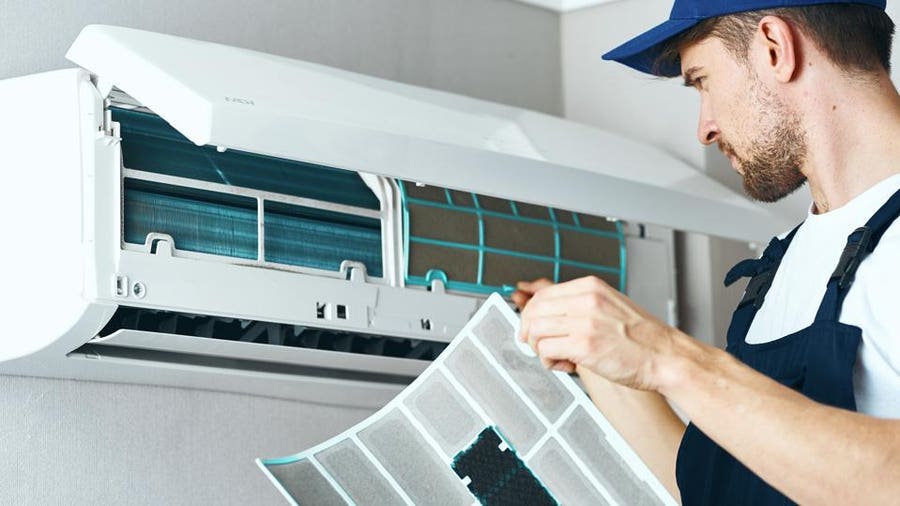
Technician inspecting an old central air conditioner unit
https://www.youtube.com/watch?v=sR5wIbNrs7Y
Benefits of Replacing Your Air Conditioner
Why should you replace your old air conditioner? Here are some benefits:
Better Efficiency: New units use less energy. This means lower bills.
Improved Comfort: New air conditioners cool your home better.
Better Air Quality: New units can help clean the air in your home.
Reduced Repairs: A new air conditioner is less likely to break.
Quieter Operation: New units are often quieter.

New high-efficiency central air conditioner installed outdoors
How to Choose the Right Air Conditioner
There are many air conditioners to choose from. Here are some tips to find the best one:
1. Consider The Size
Make sure to pick the right size air conditioner. A unit that is too small won't cool your home well. A unit that is too big can waste energy.
In practice, a proper Manual J load calculation — accounting for square footage, insulation, window orientation, and local climate — is the only reliable way to size a system. Skipping this step often leads to short‑cycling or excessive humidity. For a deeper dive on sizing your system correctly, see our guide on sizing your system correctly.
2. Check The Seer Rating
Look for a high SEER rating. SEER stands for Seasonal Energy Efficiency Ratio. A higher SEER rating means better efficiency.
As of 2026, the DOE’s SEER2 standards require a minimum of 14 SEER2 in the North and 15 SEER2 in the South for new central units. Choosing a model well above the minimum can cut cooling costs 10‑20 % over the equipment’s life. The energy‑saving settings article explains how to pair a high‑SEER unit with smart thermostat schedules for maximum savings. For official details, refer to the DOE SEER2 guidelines.
3. Think About Features
Some air conditioners come with special features. These can include smart thermostats, air purifiers, and dehumidifiers. Think about what features are important to you.
Modern units often add variable‑speed compressors, Wi‑Fi connectivity, and integrated air‑quality sensors. If you already use a smart‑home hub, look for models that support Matter or HomeKit for seamless automation. Latest AC technology covers the most useful upgrades for 2026.
4. Read Reviews
Read reviews from other people. This can help you learn about the pros and cons of different models.
Supplement user reviews with independent lab data from Consumer Reports or ENERGY STAR’s certified product list. The ENERGY STAR certified units database lets you filter by SEER2, capacity, and features side‑by‑side.
5. Get Professional Advice
Talk to a professional HVAC technician. They can help you choose the best unit for your home.
A NATE‑certified technician will perform a load calculation, verify ductwork integrity, and confirm electrical capacity before quoting. Ready to size your system? Contact a NATE‑certified technician for a free load calculation. For a handy annual tune‑up checklist, see our annual tune‑up checklist.
Understanding SEER2 and New Efficiency Standards
The transition from SEER to SEER2 reflects updated test procedures that better mimic real‑world conditions. Units rated under SEER2 typically show 5‑10 % lower numbers than their SEER counterparts, but the efficiency gain is genuine. When comparing quotes, ensure contractors quote SEER2 values; otherwise you may be comparing apples to oranges.
Choosing Between Central, Ductless, and Heat‑Pump Options
- Central split systems remain the default for whole‑home cooling where ductwork exists.
- Ductless mini‑splits excel in additions, historic homes, or zoning‑heavy layouts.
- Air‑source heat pumps provide both heating and cooling, often qualifying for larger rebates.
Our roundup of top residential HVAC models compares the three categories on cost, efficiency, and installation complexity.
Steps to Replace Your Air Conditioner
Replacing an air conditioner involves several steps. Here is a simple guide:
Assess Your Needs: Think about what you need in a new air conditioner.
Research Options: Look at different models and brands.
Get Quotes: Contact HVAC companies to get quotes for the new unit and installation.
Choose a Unit: Pick the best air conditioner for your needs and budget.
Schedule Installation: Set a date for the installation with a professional technician.
Prepare Your Home: Make sure the area around the old unit is clear.
Install the New Unit: The technician will remove the old unit and install the new one.
Test the New Unit: Make sure the new air conditioner works properly.
For a detailed walkthrough of the installation phase, refer to the central AC installation steps.
Cost of Air Conditioner Replacement
How much does it cost to replace an air conditioner? The cost can vary. Here are some factors that affect the price:
Type of Unit: Central air conditioners cost more than window units.
Size of Unit: Bigger units cost more.
Brand: Some brands are more expensive.
Installation Fees: Professional installation can add to the cost.
Additional Features: Extra features can increase the price.
On average, replacing a central air conditioner can cost between $3,000 and $7,000. Window units are cheaper, usually costing between $150 and $500.
Financing, rebates, and federal tax credits can shave 10‑30 % off the out‑of‑pocket total. Many utilities offer instant rebates for ENERGY STAR models, and the 25C tax credit (up to $600 for qualified heat pumps) remains available through 2026. Ask each contractor to itemize available incentives in their quote.
Maintaining Your New Air Conditioner
Once you have a new air conditioner, you want it to last. Here are some tips to keep it in good shape:
Change Filters: Replace the air filter every 1-3 months.
Clean the Unit: Keep the outdoor unit free of debris.
Schedule Regular Check-Ups: Have a professional check your AC once a year.
Check the Thermostat: Make sure the thermostat is working properly.
Keep Vents Clear: Make sure air vents are not blocked.
A seasonal maintenance schedule — spring coil cleaning, fall refrigerant check, and winter cover removal — keeps efficiency near nameplate ratings. See our seasonal maintenance tips for a printable checklist.
Common Mistakes to Avoid
- Skipping the load calculation – leads to oversized or undersized equipment.
- Choosing the lowest bid without verifying licensing, insurance, and NATE certification.
- Neglecting duct sealing – leaky ducts can waste 20‑30 % of cooled air.
- Forgetting to register the warranty – many manufacturers require registration within 60 days.
Frequently Asked Questions
When Should I Replace My Air Conditioner?
Replace your air conditioner every 10-15 years for optimal efficiency and performance.
What Are Signs My Ac Needs Replacing?
Frequent breakdowns, rising energy bills, and insufficient cooling indicate it's time for a replacement.
How Much Does Ac Replacement Cost?
AC replacement costs between $3,000 and $7,000 depending on unit size and installation complexity.
Can I Replace My Ac Myself?
Professional installation is recommended for safety, efficiency, and warranty purposes.
What Is SEER2 and How Does It Differ From SEER?
SEER2 uses updated test conditions that reflect real‑world performance; the numbers are lower but more accurate. Minimum SEER2 for 2026 is 14 (North) / 15 (South).
Are There Rebates or Tax Credits for High‑Efficiency Units?
Yes — many utilities, states, and the federal 25C credit offer incentives for ENERGY STAR‑certified heat pumps and high‑SEER2 central ACs. Check the ENERGY STAR certified units list and your local utility program.
How Can I Diagnose Warm‑Air Problems Before Calling a Pro?
Start with the thermostat settings, filter condition, and outdoor unit clearance. If the issue persists, our guide on diagnose warm‑air issues walks through the next steps.
Conclusion
Replacing your air conditioner can improve your home's comfort and efficiency. Look for signs that you need a new unit. Consider the benefits of replacing an old air conditioner. Follow our tips to choose the right unit. Follow the steps for a smooth replacement process. Finally, take care of your new air conditioner to make it last longer.
Schedule your free in‑home estimate today and start saving on cooling costs.
We hope this guide helps you with your air conditioner replacement. Stay cool and comfortable!