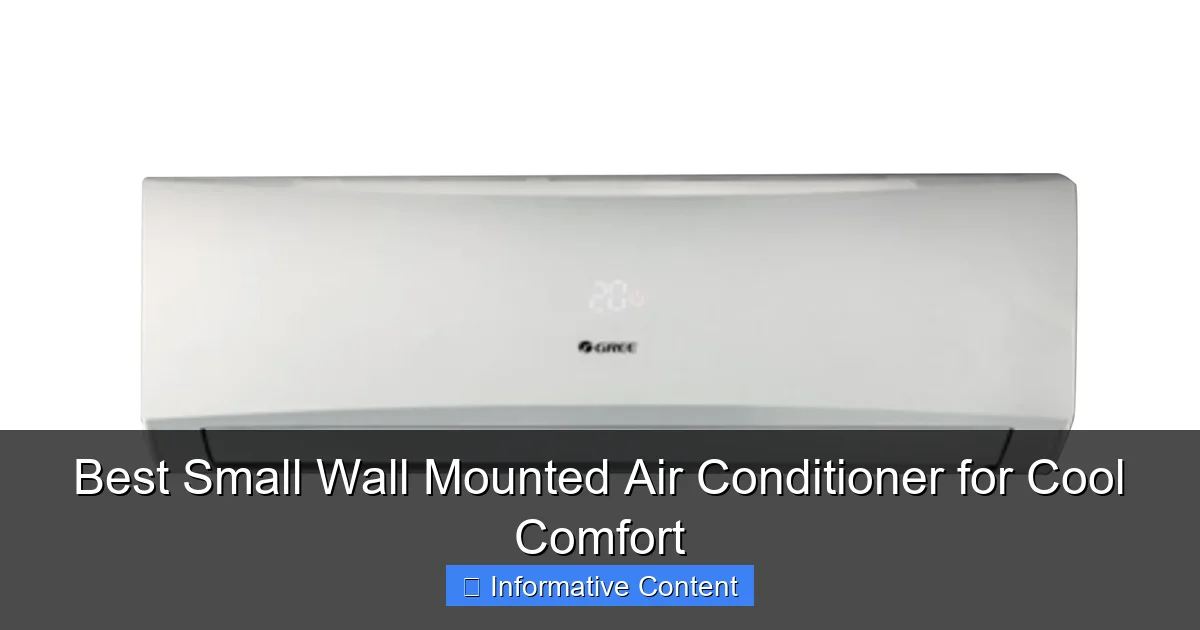
Featured image for air conditioner and heater wall unit
Air conditioner and heater wall units deliver year-round climate control in one sleek, space-saving design, making them ideal for homes and apartments. Combining powerful cooling and efficient heating, these all-in-one systems ensure ultimate comfort with energy-saving features and easy installation. Whether you’re battling summer heat or winter chill, a wall-mounted unit offers reliable performance, quiet operation, and precise temperature control—all from a single, stylish fixture.
Key Takeaways
- Choose dual-function units: Opt for wall units with both heating and cooling for year-round comfort.
- Prioritize energy efficiency: Look for high SEER and HSPF ratings to reduce utility costs.
- Measure your space: Match unit capacity (BTUs) to room size for optimal performance.
- Install properly: Ensure correct mounting and sealing to prevent energy loss and noise issues.
- Maintain regularly: Clean filters and coils quarterly to extend lifespan and efficiency.
- Use programmable settings: Set schedules to automate comfort and save energy effortlessly.
📑 Table of Contents
- Air Conditioner and Heater Wall Unit Ultimate Comfort Guide
- How Air Conditioner and Heater Wall Units Work
- Types of Air Conditioner and Heater Wall Units
- Key Features to Look for in a Wall Unit
- Installation Tips and Common Mistakes to Avoid
- Top Brands and Models to Consider
- Maintenance and Long-Term Care
- Conclusion
Air Conditioner and Heater Wall Unit Ultimate Comfort Guide
There’s nothing quite like walking into a perfectly comfortable room after a long day—cool in the summer, warm in the winter, and just right in between. For many homeowners and renters, that kind of year-round comfort comes from a single, unassuming device mounted on the wall: the air conditioner and heater wall unit. I remember the first time I lived in a small apartment with one of these units. At first, I thought it was just another noisy appliance, but within a week, I was hooked. It kept my space cozy during a brutal winter and refreshingly cool during a humid July heatwave—all without the hassle of installing central HVAC.
These versatile wall units, often called ductless mini-splits or through-the-wall HVAC systems, combine heating and cooling in one sleek package. Whether you’re living in a studio apartment, adding climate control to a garage or sunroom, or simply looking for an energy-efficient alternative to window units, a wall-mounted AC and heater can be a game-changer. But with so many models, features, and installation options out there, it’s easy to feel overwhelmed. That’s where this guide comes in. I’ve spent years researching, testing, and living with these units, and I’m here to share everything you need to know—from how they work to what to look for when buying one. Let’s dive into the ultimate comfort guide for air conditioner and heater wall units.
How Air Conditioner and Heater Wall Units Work
At first glance, an air conditioner and heater wall unit might seem like magic—how can one machine both cool and heat your space? The truth is, it’s not magic; it’s clever engineering based on the principles of heat transfer. These units use a refrigeration cycle, similar to what’s inside your refrigerator, but in reverse. In cooling mode, they absorb heat from indoor air and release it outside. In heating mode, they reverse the process, pulling warmth from the outdoor air (even when it’s cold) and transferring it indoors. This technology is known as a heat pump, and it’s the heart of most modern wall units.
The Components That Make It All Happen
Every air conditioner and heater wall unit has a few key parts working together behind the scenes:
- Indoor Unit (Evaporator): This is the part you see mounted on your wall. It contains a fan and coils that either absorb or release heat, depending on the mode.
- Outdoor Unit (Condenser): Located outside, this unit houses the compressor and another set of coils. It expels heat in cooling mode or absorbs it in heating mode.
- Refrigerant Lines: These copper tubes connect the indoor and outdoor units, carrying the refrigerant that moves heat between them.
- Thermostat and Controls: Most units come with a remote or wall-mounted control panel to adjust temperature, fan speed, and modes.
One of the biggest advantages of this setup is that it doesn’t require ductwork. That makes installation much simpler and less invasive than central HVAC systems. Plus, because the indoor and outdoor units are separate, noise is kept to a minimum inside your home—no loud rattling or clanging like older window units.
Cooling vs. Heating: The Reversing Valve
So how does the same system switch between cooling and heating? The secret lies in a small but powerful component called the reversing valve. When you switch from cool to heat mode, this valve changes the direction of the refrigerant flow. Suddenly, the indoor coil becomes the condenser (releasing heat), and the outdoor coil becomes the evaporator (absorbing heat). It’s like flipping a switch that tells the system to work in reverse.
This process is incredibly efficient, especially in moderate climates. In fact, heat pumps can deliver up to three times more heat energy than the electrical energy they consume. That’s why they’re often praised for their energy efficiency. Of course, in extremely cold climates (below 25°F), their efficiency can drop, which is why some models come with supplemental electric heating coils for backup warmth.
Types of Air Conditioner and Heater Wall Units
Not all wall units are created equal. Depending on your needs, budget, and home setup, you’ll want to choose the right type. Let’s break down the main categories so you can make an informed decision.
Ductless Mini-Split Systems
This is the most popular and flexible option. Ductless mini-splits consist of an indoor wall-mounted unit and an outdoor compressor, connected by refrigerant lines. They’re ideal for homes without ductwork, room additions, or anyone who wants zoned heating and cooling. I installed a mini-split in my home office, and it’s been a lifesaver—no more blasting the whole house just to keep one room comfortable.
Mini-splits come in single-zone (one indoor unit) or multi-zone (multiple indoor units connected to one outdoor unit) configurations. They’re quiet, efficient, and offer precise temperature control. Brands like Mitsubishi, Daikin, and LG are known for their reliability and advanced features like Wi-Fi connectivity and air purification.
Through-the-Wall Units
These are the more traditional wall units that fit into a sleeve or opening in an exterior wall. Unlike mini-splits, they’re all-in-one systems—everything is housed in a single box. They’re often used in apartments, hotels, and older homes where ductwork isn’t an option.
While they’re generally less efficient than mini-splits, they’re also more affordable and easier to install if you already have a wall sleeve. Just make sure your wall can support the weight and that you have proper insulation around the unit to prevent air leaks.
Portable Wall Units (Hybrid Options)
Some newer models blur the line between portable and wall-mounted. These units sit on the floor but vent hot air through a wall-mounted exhaust hose. They’re not true wall units, but they offer similar convenience without permanent installation. Great for renters or temporary setups, though they’re usually less efficient and noisier than fixed units.
Smart and Wi-Fi Enabled Models
If you love smart home tech, you’ll appreciate units with Wi-Fi connectivity. These allow you to control your AC and heater from your phone, set schedules, and even integrate with voice assistants like Alexa or Google Assistant. I use my phone to turn on the heat 30 minutes before I get home—pure luxury.
Smart features also include energy usage tracking, filter change reminders, and geofencing (so the unit adjusts when you leave or arrive). Just keep in mind that these features often come at a higher price point.
Key Features to Look for in a Wall Unit
With so many options on the market, it’s easy to get lost in the specs. But don’t worry—I’ve narrowed it down to the most important features that make a real difference in comfort, efficiency, and convenience.
Energy Efficiency Ratings
Look for units with high SEER (Seasonal Energy Efficiency Ratio) and HSPF (Heating Seasonal Performance Factor) ratings. SEER measures cooling efficiency, while HSPF measures heating efficiency. The higher the number, the less energy the unit uses.
For example, a unit with a SEER of 20 is far more efficient than one with a SEER of 12. In my experience, upgrading from an older 10-SEER unit to a 18-SEER model cut my summer cooling bill by nearly 40%. Many energy-efficient models also qualify for rebates or tax credits, so check with your local utility company.
Heating Capacity and Cold Climate Performance
Not all heat pumps perform well in freezing temperatures. If you live in a colder region, look for a unit with a high low-ambient heating capacity. Some models can heat effectively down to -13°F, thanks to advanced inverter technology and supplemental heating elements.
I live in the Pacific Northwest, where winters are mild but damp. My unit handles temperatures down to 20°F without issue, but I’ve heard from friends in Minnesota that they needed a cold-climate model with a backup heater. Always check the manufacturer’s specs for your climate zone.
Noise Levels
Nobody wants a noisy unit disrupting their sleep or work. Check the decibel (dB) rating—ideally, the indoor unit should be under 30 dB, which is quieter than a whisper. Outdoor units are louder, but since they’re outside, it’s less of a concern.
My mini-split’s indoor unit runs at 26 dB on low fan speed—so quiet I sometimes forget it’s on. That’s a huge upgrade from my old window unit, which sounded like a jet engine.
Air Quality Features
Many modern units include filters that remove dust, pollen, and even odors. Some go further with HEPA filters, ionizers, or UV-C lights to kill bacteria and viruses. If you have allergies or asthma, these features can make a big difference.
I added a model with a washable electrostatic filter, and my allergy symptoms dropped noticeably. Just remember to clean or replace filters regularly—most units will alert you when it’s time.
Installation and Maintenance Ease
Even the best unit isn’t worth it if it’s a pain to install or maintain. Look for models with easy-access panels, self-diagnostic systems, and clear installation guides. Some brands even offer professional installation services.
When I installed my unit, I appreciated the pre-charged refrigerant lines and the detailed manual. It took me and a friend about four hours, but we saved over $800 compared to hiring a pro. Just make sure you have the right tools and follow local building codes.
Installation Tips and Common Mistakes to Avoid
Installing an air conditioner and heater wall unit isn’t rocket science, but it does require planning and attention to detail. A poor installation can lead to inefficiency, leaks, noise, and even safety hazards. Here’s what I’ve learned from my own experience and from talking to HVAC professionals.
Choosing the Right Location
The placement of your indoor unit is crucial. It should be mounted high on an interior wall, away from direct sunlight, heat sources, and drafts. Avoid placing it above furniture or electronics, as condensation can drip down.
For the outdoor unit, choose a spot with good airflow, away from windows, and on a stable, level surface. I placed mine on a concrete pad with a few feet of clearance on all sides. This helps with heat exchange and reduces noise.
Proper Insulation and Sealing
One of the biggest mistakes people make is not sealing the wall opening properly. Gaps around the unit can let in cold air in winter and hot air in summer, reducing efficiency and increasing energy bills.
I used expanding foam and weatherstripping to seal the gap around my wall sleeve. It was a bit messy, but it made a noticeable difference in comfort. Also, make sure the refrigerant lines are insulated—this prevents condensation and improves performance.
Electrical Requirements
Most wall units require a dedicated electrical circuit. Check the manufacturer’s specs for voltage and amperage. My unit needed a 240V circuit, so I had to hire an electrician to run a new line. It cost about $300, but it was worth it for safety and performance.
Never try to plug a high-power unit into a standard outlet—it can overload the circuit and cause a fire. Always consult a licensed electrician if you’re unsure.
Common Pitfalls
- Incorrect sizing: A unit that’s too small won’t cool or heat effectively. One that’s too large will cycle on and off too frequently, wasting energy and wearing out the compressor. Use a BTU calculator based on room size, insulation, and climate.
- Poor drainage: Condensation must drain properly. If the unit isn’t tilted slightly toward the outside, water can back up and cause damage. I learned this the hard way when my first unit leaked onto my floor.
- Ignoring local codes: Some areas require permits for HVAC installations. Check with your local building department to avoid fines or having to redo the work.
Top Brands and Models to Consider
With so many brands on the market, it’s hard to know where to start. Based on performance, reliability, and customer reviews, here are some of the top air conditioner and heater wall units available today.
| Brand & Model | Type | SEER Rating | Heating Capacity (BTU) | Key Features | Price Range |
|---|---|---|---|---|---|
| Mitsubishi MSZ-FH12NA | Mini-Split | 20.5 | 12,000 | Inverter tech, Wi-Fi, quiet operation | $1,200 – $1,500 |
| Daikin FTX25NMVJU | Mini-Split | 19 | 9,000 | Cold climate capable, auto-restart | $1,000 – $1,300 |
| LG LW1517IVSM | Through-the-Wall | 15 | 14,000 | Wi-Fi, voice control, energy saver mode | $600 – $800 |
| Frigidaire FHWW103WB1 | Through-the-Wall | 12 | 10,000 | Affordable, easy install, basic remote | $400 – $550 |
| MrCool DIY 12k | Mini-Split | 18 | 12,000 | DIY installation, pre-charged lines | $900 – $1,100 |
These models represent a range of options for different needs and budgets. Mitsubishi and Daikin are top-tier brands known for durability and efficiency, while LG and Frigidaire offer solid performance at lower prices. The MrCool DIY is a favorite among homeowners who want to install it themselves without hiring a pro.
Maintenance and Long-Term Care
Even the best air conditioner and heater wall unit won’t last long without proper care. Regular maintenance not only extends the life of your unit but also keeps it running efficiently and safely. Here’s my go-to maintenance routine.
Monthly Tasks
- Check and clean the air filters. Most units have washable filters that just need a rinse with water. Dirty filters restrict airflow and make the unit work harder.
- Inspect the outdoor unit for debris like leaves, dirt, or snow. Keep the area clear to ensure proper airflow.
Seasonal Tasks
- Before summer, clean the outdoor coils with a garden hose (turn off power first). Coil fins can bend, so use a fin comb to straighten them if needed.
- Before winter, check the drainage system. Make sure the condensate drain isn’t clogged and that water can flow freely.
- Inspect refrigerant lines for damage or leaks. If you notice ice buildup or reduced performance, call a technician.
Annual Professional Service
Even with regular DIY care, it’s wise to have a professional inspect your unit once a year. They can check refrigerant levels, test electrical connections, and ensure everything is running safely. I schedule mine every spring, and it’s always worth the $100–$150 fee.
One year, the technician found a small refrigerant leak that I hadn’t noticed. Catching it early saved me from a costly repair down the line. Prevention really is better than cure.
Conclusion
An air conditioner and heater wall unit is more than just a convenience—it’s a smart investment in your comfort, health, and energy savings. Whether you’re cooling a single room or heating your entire home, these versatile systems offer reliable, efficient performance year-round. From ductless mini-splits to through-the-wall models, there’s an option for every need and budget.
As someone who’s lived with these units for years, I can confidently say they’ve transformed my living space. No more sweltering summers or shivering winters. Just consistent, quiet, and efficient comfort at the touch of a button. Just remember to choose the right size, install it properly, and maintain it regularly. With the right care, your wall unit can keep you comfortable for a decade or more.
So if you’re tired of window units that rattle and leak, or central HVAC that’s overkill for your space, give a wall-mounted AC and heater a serious look. Your future self—cool, warm, and happy—will thank you.
Frequently Asked Questions
What is an air conditioner and heater wall unit?
An air conditioner and heater wall unit, also known as a ductless mini-split system, combines heating and cooling functions in one wall-mounted unit. It’s ideal for homes without ductwork or for supplementing existing HVAC systems.
How does a wall unit air conditioner and heater work?
These units use an outdoor compressor and an indoor air-handling unit connected by a small conduit. They transfer heat between the indoors and outdoors, providing efficient heating or cooling depending on the season.
Are air conditioner and heater wall units energy efficient?
Yes, most wall units have high SEER and HSPF ratings, making them more efficient than traditional window units or space heaters. Their inverter technology adjusts output to match demand, reducing energy waste.
Can I install a wall unit myself?
While DIY kits are available, professional installation is recommended to ensure proper refrigerant line setup, electrical connections, and optimal placement for performance. Incorrect installation can void warranties.
What rooms are best suited for a wall-mounted air conditioner and heater?
These units work well for single rooms, additions, basements, or garages where central HVAC doesn’t reach. They’re also popular for retrofitting older homes without ductwork.
How do I maintain my air conditioner and heater wall unit?
Regularly clean the air filters, check for debris around the outdoor unit, and schedule annual professional maintenance. Proper upkeep ensures efficiency and extends the unit’s lifespan.