Title: Air Condition Repair Essentials: Beat the Heat!
Air Condition Repair: Tips, Solutions, and More
Air conditioners keep our homes cool. When they break, it is a big problem. This guide will help you fix your air conditioner.
Common Air Conditioner Problems
Air conditioners can have many problems. Here are the most common ones:
AC not turning on
AC blowing warm air
Strange noises from the AC
Water leaks from the AC
AC freezing up
Ac Not Turning On
If your AC does not turn on, check the thermostat. Make sure it is set to "cool." Also, check the circuit breaker. It may be tripped.
Ac Blowing Warm Air
If your AC blows warm air, check the air filter. A dirty filter can block airflow. Replace the filter if it is dirty.
Strange Noises From The Ac
Strange noises can mean different problems. A buzzing noise might mean a loose part. A banging noise could mean something is broken. Call a professional if you hear strange noises.
Water Leaks From The Ac
Water leaks can happen if the drain line is clogged. Clean the drain line to fix this problem. You can use a wet/dry vacuum to clear the clog.
Ac Freezing Up
If your AC is freezing up, check the air filter. A dirty filter can cause this problem. Also, make sure the thermostat is not set too low.
DIY Air Conditioner Repair Tips
Here are some easy tips to fix your air conditioner yourself:
Check and replace the air filter
Clean the AC coils
Check the thermostat settings
Clean the drain line
Check the circuit breaker
Check And Replace The Air Filter
The air filter should be checked every month. Replace it if it is dirty. This keeps your AC running smoothly.
Clean The Ac Coils
Dirty coils can cause problems. Clean the coils once a year. You can use a coil cleaner for this job.
Check The Thermostat Settings
Make sure the thermostat is set to "cool." Also, check the temperature setting. It should be set to a comfortable level.
Clean The Drain Line
A clogged drain line can cause water leaks. Clean the drain line with a wet/dry vacuum. This will keep the water flowing properly.
Check The Circuit Breaker
If your AC does not turn on, check the circuit breaker. It may be tripped. Reset the breaker if needed.
Understanding Refrigerant Levels and Leaks
In practice, many homeowners overlook the refrigerant charge; low refrigerant not only reduces cooling but can damage the compressor. A quick pressure check with a manifold gauge set can reveal leaks before they become costly. For deeper diagnosis, see our guide on diagnosing warm‑air issues. The U.S. Environmental Protection Agency also outlines proper refrigerant handling on its Energy Star site.
When to Call a Professional
Sometimes, you need help from a professional. Here are some signs you should call for help:
Strange noises from the AC
Water leaks that do not stop
AC still blowing warm air after filter change
AC not turning on after checking the breaker
AC freezing up often
Finding A Good Ac Repair Service
Look for a licensed and insured repair service. Check online reviews. Ask friends and family for recommendations. A good repair service will fix your AC quickly.
https://www.youtube.com/watch?v=GOXgdnRB840
Safety Precautions for DIY Repairs
Before opening any panel, shut off power at the disconnect and verify the circuit is dead with a non‑contact voltage tester. Wear insulated gloves and eye protection when handling refrigerant lines or electrical components. If you smell burning insulation or see oil stains near the compressor, stop and call a licensed technician — these are signs of a serious fault that DIY tools cannot safely address.
Preventing Future Problems
Regular maintenance can prevent future problems. Here are some tips to keep your AC in good shape:
Replace the air filter every month
Clean the AC coils once a year
Schedule a professional tune-up yearly
Keep the area around the AC unit clean
Check the thermostat settings regularly
Replace The Air Filter Every Month
A clean air filter keeps your AC running well. Replace it every month to ensure good airflow.
Clean The Ac Coils Once A Year
Dirty coils can reduce efficiency. Clean them once a year to keep your AC working well.
Schedule A Professional Tune-up Yearly
A professional tune-up can catch problems early. Schedule one every year to keep your AC in top shape.
Keep The Area Around The Ac Unit Clean
Leaves and debris can block airflow. Keep the area around your AC unit clean and clear.
Check The Thermostat Settings Regularly
Make sure the thermostat is set to "cool." Also, check the temperature setting often. This will keep your home comfortable.
Seasonal Maintenance Checklist
- Spring: inspect refrigerant lines, clean coils, verify thermostat calibration.
- Summer: replace filter monthly, clear condensate drain, monitor runtime hours.
- Fall: cover outdoor unit, check insulation on suction line, test heating mode if heat pump.
- Winter: ensure unit is off, remove debris, schedule professional tune‑up before next cooling season.
Following a structured checklist like this aligns with the seasonal upkeep checklist recommended by HVAC professionals.
Choosing the Right Air Conditioner for Your Home
Sizing matters more than brand — an oversized unit short‑cycles, wasting energy and failing to dehumidify. Use a Manual J load calculation or consult a contractor to match capacity to your square footage, insulation, and climate zone. For a quick overview of the decision process, review our article on picking the right unit. Energy‑saving features such as variable‑speed compressors and smart thermostats can cut annual cooling costs; the energy‑saving thermostat settings guide explains optimal set‑points. Understanding the differences between AC and HVAC also helps when comparing split systems, packaged units, and ductless mini‑splits.
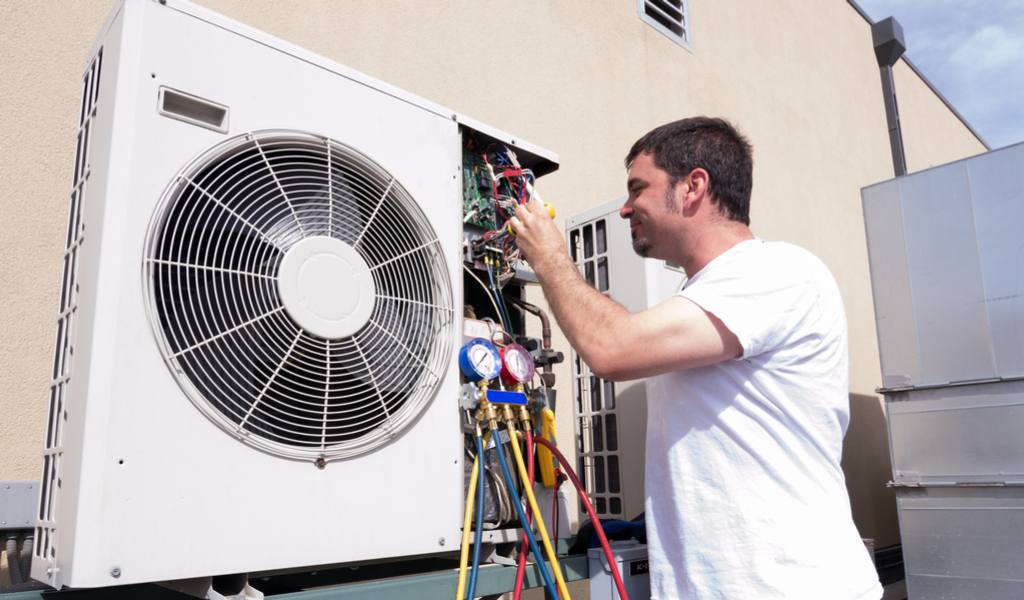 Illustration highlighting key advantages of timely air‑conditioner repairs.
Schematic of a typical split‑system air conditioner showing indoor evaporator and outdoor condenser.
Frequently Asked Questions
How Do I Know My Ac Needs Repair?
Unusual noises, weak airflow, and warm air are common signs your AC needs repair.
How Often Should I Service My Ac?
Service your AC at least once a year to ensure optimal performance and longevity.
What Causes Ac To Stop Cooling?
Common causes include refrigerant leaks, dirty filters, or faulty compressors.
Can I Repair My Ac Myself?
Simple tasks like cleaning filters are doable, but complex repairs require a professional.
Conclusion
Air conditioner repair can be easy if you know what to do. Follow these tips to keep your AC running smoothly. Regular maintenance can prevent many problems. Sometimes, you need help from a professional. Do not hesitate to call if you need it. Keeping your AC in good shape ensures a cool and comfortable home. Ready to schedule a professional tune‑up? Contact a licensed HVAC technician today.