Featured image for ac-safe air conditioner coil foaming cleaner instructions
Image source: forum.ih8mud.com
Keep your AC running efficiently with AC-Safe Air Conditioner Coil Foaming Cleaner—just spray, wait, and rinse for sparkling clean coils in minutes. This powerful foaming formula clings to dirt and debris, penetrating deep into evaporator and condenser coils without harsh scrubbing. Follow the simple instructions for a quick, mess-free clean that boosts cooling performance and extends your unit’s lifespan.
Key Takeaways
- Turn off power before cleaning to ensure safety and prevent electrical hazards.
- Spray foam evenly across coils, covering all surfaces for maximum cleaning effectiveness.
- Let foam dwell 10–15 minutes to break down dirt, grease, and debris thoroughly.
- Rinse gently with low-pressure water to avoid damaging delicate coil fins.
- Inspect coils after drying to confirm cleanliness and check for remaining buildup.
- Clean regularly every 6–12 months to maintain efficiency and extend AC lifespan.
📑 Table of Contents
Why Clean Your Air Conditioner Coils?
Let’s be honest—most of us don’t think about our air conditioner’s coils until something goes wrong. Maybe the unit isn’t cooling as well, or your energy bill has mysteriously spiked. But here’s a little secret: dirty coils are often the culprit. Over time, dust, pollen, pet hair, and even mold build up on the evaporator and condenser coils, reducing efficiency and straining the system. I learned this the hard way after my AC started blowing lukewarm air during a heatwave. A technician showed me the grimy coils and explained how a simple cleaning could have prevented the $200 repair. That’s when I discovered AC-safe air conditioner coil foaming cleaner—a game-changer for DIY maintenance.
Cleaning your AC coils isn’t just about performance; it’s about saving money and extending your unit’s lifespan. According to the U.S. Department of Energy, a dirty coil can increase energy consumption by up to 30%. Plus, regular cleaning prevents costly breakdowns. But not all cleaners are safe for AC components. Harsh chemicals can corrode fins, damage refrigerant lines, or void warranties. That’s why I switched to a foaming cleaner formulated specifically for air conditioners. It’s gentle yet effective, lifting grime without harming delicate parts. In this guide, I’ll walk you through everything you need to know—from choosing the right product to step-by-step cleaning instructions—so you can tackle this project with confidence.
Understanding AC-Safe Foaming Cleaners
What Makes a Cleaner “AC-Safe”?
Not all coil cleaners are created equal. Traditional degreasers or oven cleaners might seem like quick fixes, but they’re often too abrasive for AC coils. An AC-safe air conditioner coil foaming cleaner is designed with two priorities: effectiveness and compatibility. Here’s what sets them apart:
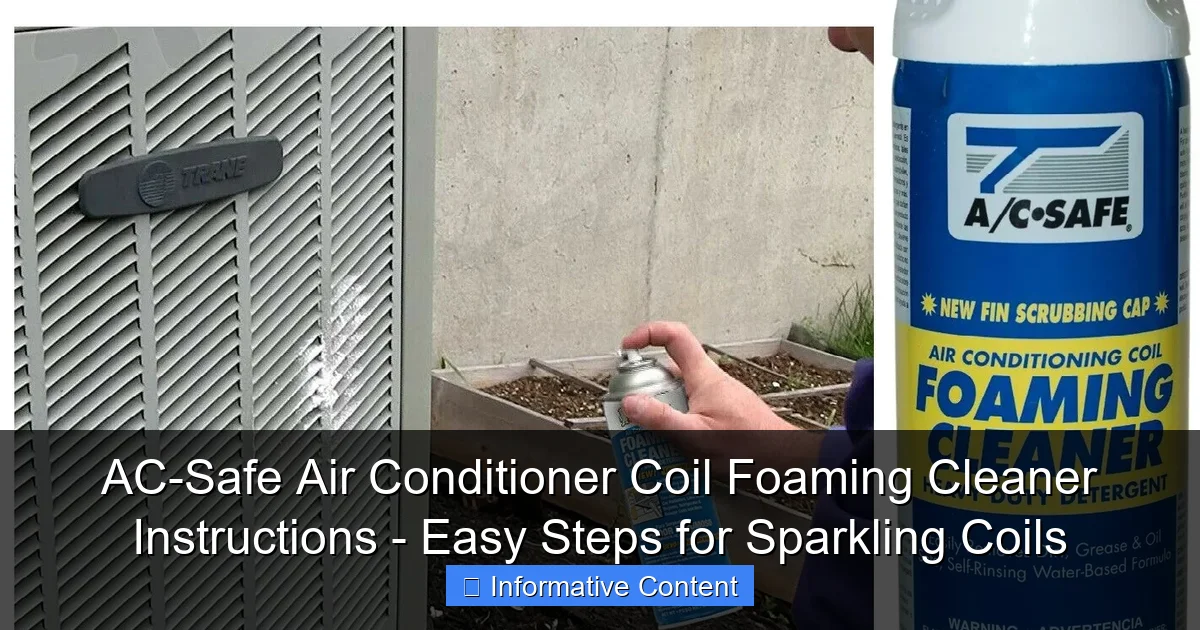
Visual guide about ac-safe air conditioner coil foaming cleaner instructions
Image source: i.ebayimg.com
- Non-corrosive formulas: They won’t eat through aluminum fins or copper tubing.
- Low pH levels: Acidic cleaners (like vinegar) can damage coils, while alkaline or neutral pH options are safer.
- Biodegradable ingredients: Safer for the environment and easier to rinse off.
- Foam action: The foam clings to vertical surfaces, giving the cleaner time to penetrate stubborn grime without dripping off.
For example, I once tried a generic degreaser to clean my outdoor condenser. Within months, I noticed tiny holes in the fins—classic corrosion. After switching to an AC-safe foam cleaner, my coils stayed intact, and the unit ran more efficiently. The lesson? Always check the label for terms like “non-acid,” “no-rinse,” or “safe for aluminum.”
Benefits of Foaming Cleaners vs. Other Types
Foaming cleaners have a clear edge over liquid sprays or powders. Here’s why:
- Better coverage: The foam expands to fill gaps between fins, reaching areas a liquid might miss.
- Less runoff: Unlike sprays, foam stays put, reducing wasted product.
- Visual feedback: As the foam reacts with dirt, it often changes color (e.g., from white to brown), showing you where grime is heaviest.
- No scrubbing needed: The foam lifts debris, so you don’t risk damaging coils with a brush.
Pro tip: Look for a cleaner with a self-rinsing formula if you’re short on time. These break down into harmless byproducts after reacting, so you can skip the rinse step. Just make sure your model is rated for “no-rinse” use!
Tools and Safety Precautions
Gather Your Supplies
Before you start, assemble these essentials:
- AC-safe foaming coil cleaner (e.g., brands like Nu-Calgon, Frost King, or Diversitech).
- Protective gear: Gloves, safety goggles, and a mask (foam cleaners can irritate skin and lungs).
- Garden hose with a spray nozzle (for rinsing).
- Soft brush (nylon or coil brush)—only if your cleaner requires scrubbing.
- Drop cloths or plastic sheeting (to protect surrounding areas).
- Vacuum with a brush attachment (for pre-cleaning loose debris).
Example: I keep a dedicated bucket with my supplies so I can grab it anytime. It saves time and ensures I never forget the gloves—which are crucial because even “safe” cleaners can cause irritation if you’re sensitive.
Safety First: Protect Yourself and Your AC
Safety isn’t optional. Here’s how to stay safe:
- Turn off power: Shut off the AC at the thermostat and circuit breaker. No exceptions—live wires are dangerous!
- Ventilate the area: Open windows or work outdoors if possible. Foam cleaners can release fumes.
- Avoid electrical parts: Never spray cleaner near capacitors, wiring, or control boards. Use a damp cloth to wipe these areas if needed.
- Keep pets/kids away: Chemicals and moving parts are hazards.
- Follow the manual: Some units have specific cleaning instructions. Check your owner’s guide!
One mistake I made early on was rushing the power-off step. I once accidentally brushed a live wire with a wet rag—thankfully, I was unharmed, but it scared me enough to always double-check the breaker now.
Step-by-Step Cleaning Instructions
Step 1: Pre-Cleaning Prep
Preparation is half the battle. Start by:
- Clear the area: Remove plants, furniture, or debris near the AC unit.
- Vacuum the exterior: Use the brush attachment to remove loose dirt from the fins. This prevents clogs when you rinse.
- Protect sensitive parts: Cover the electrical panel with plastic wrap or a waterproof bag.
- Test the cleaner: Spray a small, inconspicuous area first to ensure no discoloration or damage.
Pro tip: If you’re cleaning an indoor evaporator coil (common in air handlers), shut off the water supply to the condensate drain line. This prevents cleaner from entering your plumbing.
Step 2: Apply the Foaming Cleaner
Now for the main event:
- Shake the can well (if it’s an aerosol) or stir the liquid (if it’s a pump spray).
- Spray evenly from top to bottom, holding the nozzle 6–8 inches from the coils. Let the foam expand and cling to the fins.
- Focus on grimy areas: Pay extra attention to corners, edges, and the back of the coil.
- Let it dwell: Follow the manufacturer’s instructions—usually 10–15 minutes. The foam will turn brown as it reacts with dirt.
Example: When I cleaned my condenser, I noticed the foam turned dark brown in the center—exactly where leaves and dust had accumulated. The visual cue helped me focus on those spots.
Step 3: Rinse and Dry
Rinsing is critical to remove residue and prevent corrosion:
- Use a gentle stream: Set your hose to a low-pressure setting. High pressure can bend fins!
- Rinse from the inside out: For condensers, spray from the interior toward the exterior. For evaporators, rinse in the direction of airflow.
- Check for runoff: The water should run clear. If it’s still dirty, apply more cleaner and repeat.
- Let it dry: Allow the coils to air-dry for 30–60 minutes before restoring power.
Common mistake: I once rushed this step and turned the AC back on while the coils were damp. It triggered a safety shutdown—and I had to wait an hour to reset the system. Lesson learned!
Troubleshooting Common Issues
Dealing with Stubborn Grime
Some dirt won’t budge with a single application. Here’s how to handle it:
- Repeat the process: Apply a second round of cleaner and let it dwell longer (up to 20 minutes).
- Use a soft brush: Gently agitate the foam with a nylon brush—but avoid metal tools, which can dent fins.
- Try a degreaser for oily residue: If you live near a kitchen or garage, grease might be the culprit. Use a degreaser only on the condenser coil (never the evaporator).
Example: My neighbor’s AC was coated in cooking grease from a nearby grill. A second application of foam cleaner plus a soft brush did the trick, but we had to rinse thoroughly to avoid soap residue.
What to Do If Fins Are Bent or Damaged
Bent fins reduce airflow. Fix them with:
- A fin comb: Gently straighten fins by running the comb through them. It’s like a hairbrush for coils!
- Low-pressure air: Blow out debris with an air compressor (set to 30 psi or lower).
- Replacement: If fins are severely damaged, consider a coil replacement. It’s costly but better than inefficient cooling.
Pro tip: After cleaning, inspect fins with a flashlight. If light passes through unevenly, you’ve got a fin issue.
Maintenance Schedule and Long-Term Care
How Often to Clean Your Coils
Frequency depends on your environment. Use this table as a guide:
| Environment | Cleaning Frequency | Notes |
|---|---|---|
| Dry, low-pollen area | Every 12–18 months | Minimal dust buildup |
| Urban or suburban | Every 12 months | Moderate pollen, dust, and pollution |
| Coastal or pet-friendly home | Every 6–9 months | Salt air, pet hair, and sand accelerate grime |
| Commercial/industrial area | Every 3–6 months | High pollution and grease exposure |
Example: My AC is in a suburban area with two shedding dogs, so I clean it annually. Last year, I skipped it and noticed a 15% spike in my energy bill—proof that regular maintenance pays off.
Seasonal Tips for Peak Performance
Keep your AC running smoothly year-round:
- Pre-summer checkup: Clean coils and replace filters before the cooling season starts.
- Winter protection: Cover the condenser (but don’t seal it completely—this traps moisture).
- Filter changes: Replace or clean filters every 1–3 months. A dirty filter forces the AC to work harder, coating coils in dust faster.
- Monitor airflow: If vents feel weak, check for coil blockages.
Pro tip: Keep a cleaning log. I use a spreadsheet to track dates, products used, and any issues. It’s helped me spot patterns (like needing to clean more often in spring due to pollen).
Final Thoughts: A Clean AC is a Happy AC
Cleaning your air conditioner coils might sound tedious, but it’s one of the most impactful DIY tasks for your HVAC system. A AC-safe air conditioner coil foaming cleaner makes it easy—and even a little satisfying (there’s something oddly therapeutic about watching grime dissolve!). By following these steps, you’ll not only restore your AC’s efficiency but also save on energy bills and avoid costly repairs down the line.
Remember, the key is consistency. Treat coil cleaning like changing your car’s oil: a small investment of time and effort that prevents big problems. And if you ever feel unsure, don’t hesitate to call a pro. But for most of us, this is a job we can handle ourselves—with the right tools, safety precautions, and a little patience. So grab your cleaner, turn off the power, and give your AC the spa day it deserves. Your wallet (and your comfort) will thank you!
Frequently Asked Questions
How do I use AC-Safe Air Conditioner Coil Foaming Cleaner?
To use AC-Safe Air Conditioner Coil Foaming Cleaner, first turn off the power to your unit and remove the access panel. Spray the foaming cleaner generously onto the coils, let it sit for 10–15 minutes, then rinse with low-pressure water or wipe clean.
Is AC-Safe foaming cleaner safe for all types of AC coils?
Yes, AC-Safe Air Conditioner Coil Foaming Cleaner is formulated to be safe for aluminum and copper coils commonly found in residential and commercial air conditioners. Always check your manufacturer’s guidelines before use.
How often should I clean my AC coils with this foaming cleaner?
For optimal performance, clean your AC coils with AC-Safe foaming cleaner every 6 to 12 months, or more frequently if you notice reduced cooling efficiency or visible dirt buildup.
Do I need to rinse the cleaner off after application?
Yes, after the foam has dwelled for 10–15 minutes and lifted the grime, rinse the coils thoroughly with low-pressure water. Avoid high-pressure sprays to prevent coil damage.
Can I use this cleaner on window or portable air conditioners?
Absolutely. AC-Safe Air Conditioner Coil Foaming Cleaner works well on window and portable units—just ensure the unit is off and unplugged before applying the foam to the accessible coil surfaces.
What should I do if the foam doesn’t disappear after rinsing?
If residue remains, gently wipe the coils with a soft cloth or brush. The foam is water-soluble, so a second rinse with clean water usually removes any leftover cleaner.