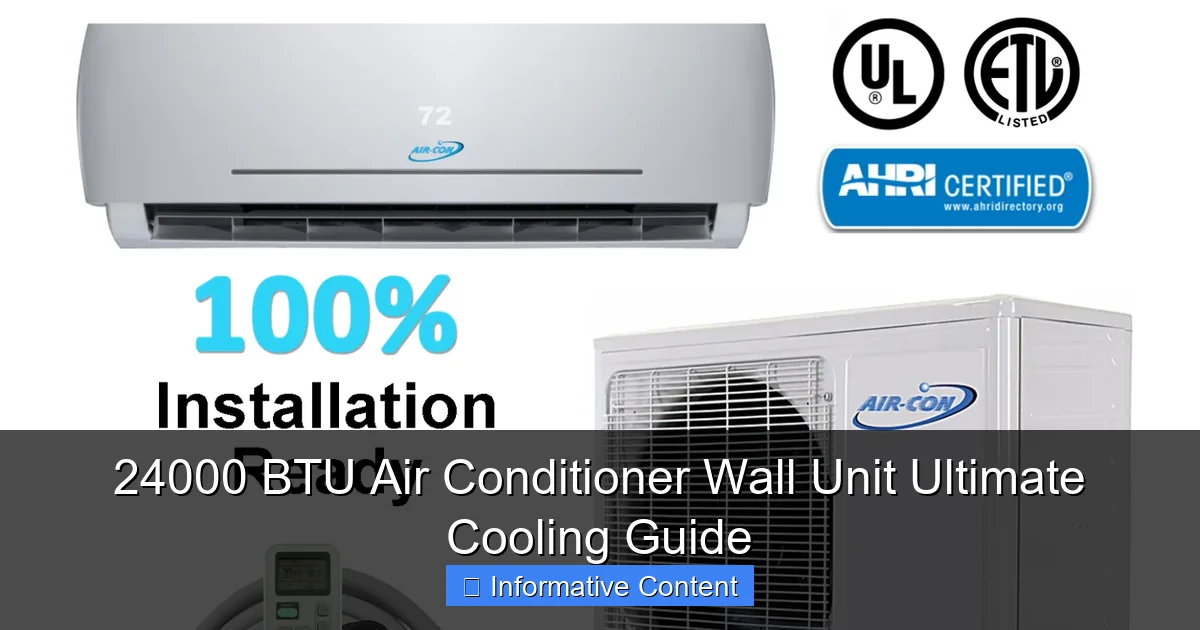
Featured image for 24000 btu air conditioner wall unit
Image source: i.ebayimg.com
The 24,000 BTU air conditioner wall unit delivers powerful, efficient cooling for large spaces up to 1,500 sq. ft., making it ideal for open-concept homes, offices, or commercial settings. With advanced inverter technology and a high SEER rating, it balances rapid temperature control with energy savings, while its sleek, wall-mounted design saves floor space and reduces noise. Easy installation and smart thermostat compatibility ensure hassle-free comfort all summer long.
Key Takeaways
- Ideal for large spaces: Cools up to 1,500 sq. ft. efficiently.
- Energy-efficient operation: Look for high SEER ratings to reduce bills.
- Professional installation required: Ensures optimal performance and safety.
- Prioritize noise levels: Choose models under 60 dB for quiet use.
- Smart features add convenience: Wi-Fi and app control enhance usability.
- Regular maintenance extends lifespan: Clean filters monthly for peak efficiency.
📑 Table of Contents
- 24000 BTU Air Conditioner Wall Unit Ultimate Cooling Guide
- What Is a 24000 BTU Air Conditioner Wall Unit?
- Is a 24000 BTU Unit Right for Your Space?
- Key Features to Look for in a 24000 BTU Wall Unit
- Installation and Maintenance Tips
- Top Brands and Models to Consider
- Pros and Cons of a 24000 BTU Wall Unit
- Final Thoughts: Is a 24000 BTU Wall Unit Worth It?
24000 BTU Air Conditioner Wall Unit Ultimate Cooling Guide
Picture this: It’s the middle of July, and the sun is blazing like it’s trying to win a gold medal in heat. You’re standing in your living room, sweat trickling down your back, fanning yourself with a magazine like it’s 1890. Your old window AC unit wheezes like a tired marathon runner, barely cooling the air around your feet. You’ve had enough. You need serious cooling power—something that doesn’t just whisper cool air but commands it. Enter the 24000 BTU air conditioner wall unit.
This isn’t just another appliance; it’s a climate control powerhouse designed for large spaces. Whether you’re cooling a spacious open-concept living area, a sunroom, or even a small commercial space, a 24,000 BTU wall-mounted AC unit can transform your environment from a sauna to a sanctuary. But with so many models, features, and technical specs out there, how do you know which one is right for you? That’s where this guide comes in. We’ll walk you through everything you need to know—from how these units work and what size space they’re best for, to installation tips, energy efficiency, and real-world performance. No jargon, no fluff—just honest, practical advice to help you make the best cooling decision for your home.
What Is a 24000 BTU Air Conditioner Wall Unit?
Let’s start with the basics. A 24000 BTU air conditioner wall unit is a type of ductless mini-split or through-the-wall air conditioning system that delivers 24,000 British Thermal Units (BTUs) of cooling power per hour. BTU is a measure of how much heat an AC can remove from a room in one hour. The higher the BTU, the larger the space it can effectively cool.
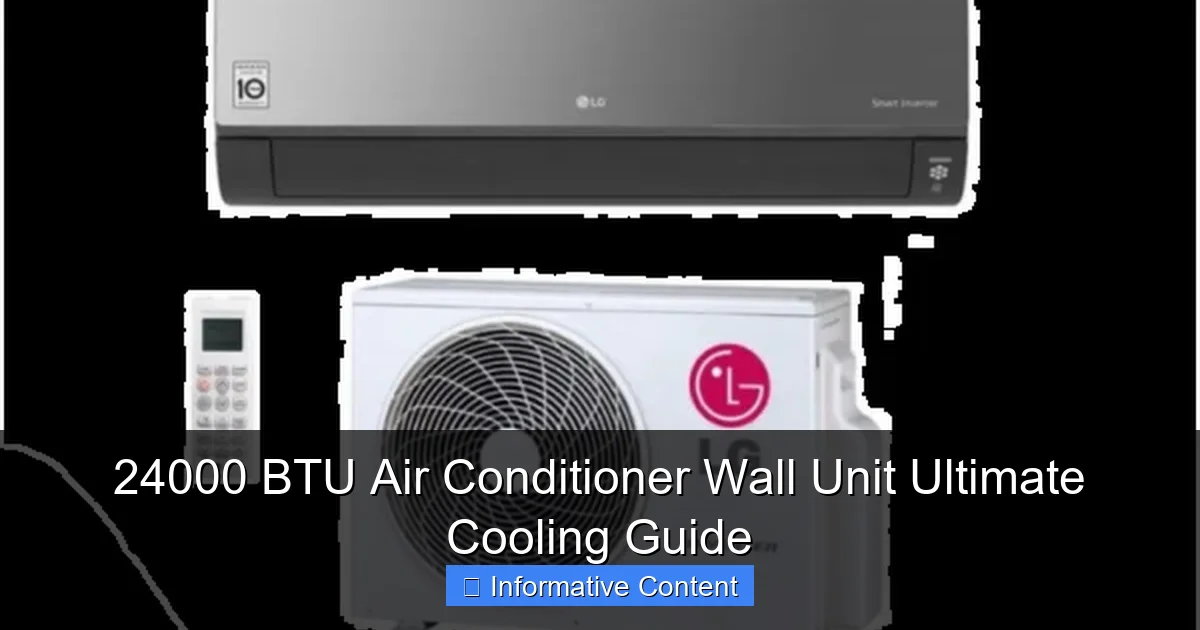
Visual guide about 24000 btu air conditioner wall unit
Image source: airconpros.co.za
Unlike portable or window units, wall-mounted ACs are permanently installed—usually through an exterior wall—and consist of two main parts: an indoor unit (the evaporator) and an outdoor unit (the condenser). These are connected by refrigerant lines, electrical wiring, and a drainage hose, all routed through a small wall sleeve. This design allows for more efficient cooling, quieter operation, and a cleaner look compared to window units that stick out awkwardly.
How Does It Work?
The cooling process starts when warm indoor air is drawn into the indoor unit by a fan. The air passes over cold evaporator coils filled with refrigerant, which absorbs the heat. The cooled air is then blown back into the room. Meanwhile, the heated refrigerant travels through copper tubing to the outdoor unit, where the heat is released into the outside air. The refrigerant is then compressed and cooled, ready to repeat the cycle.
Because the system is split—indoor and outdoor components—there’s less noise inside your home. The loud compressor is outside, so you’re not listening to a motor hum while trying to watch TV or sleep. This makes the 24,000 BTU wall unit ideal for bedrooms, living rooms, or offices where quiet operation matters.
Types of 24000 BTU Wall Units
There are two main types of 24,000 BTU wall-mounted air conditioners:
- Ductless Mini-Split Systems: These are the most common and efficient. They require professional installation but offer superior performance, zoning capabilities, and often include heating functions (heat pumps). Perfect for homes without ductwork.
- Through-the-Wall Units: These are self-contained units that slide into a wall sleeve. They’re simpler to install than mini-splits but may be slightly less efficient. Great for apartments or rooms where ductless isn’t an option.
Both types can deliver the same cooling power, but mini-splits tend to be more energy-efficient and offer better temperature control. If you’re looking for long-term savings and flexibility, a mini-split is usually the better choice.
Is a 24000 BTU Unit Right for Your Space?
One of the biggest mistakes people make when buying an air conditioner is choosing the wrong size. Too small, and it struggles to cool the room. Too large, and it cycles on and off too frequently, wasting energy and failing to dehumidify properly. So, how do you know if a 24000 BTU air conditioner wall unit is the right fit?
Room Size and Cooling Capacity
As a general rule, a 24,000 BTU unit is ideal for spaces between 1,000 and 1,500 square feet. However, this isn’t a one-size-fits-all number. Several factors can influence how much cooling power you actually need:
- Ceiling Height: Rooms with high ceilings (over 8 feet) hold more air and may require more BTUs.
- Sun Exposure: South- or west-facing rooms that get direct sunlight all afternoon will need extra cooling.
- Insulation Quality: Poorly insulated walls or windows let heat in, increasing the load on your AC.
- Number of Occupants: More people = more body heat. A family of five generates more warmth than a single occupant.
- Appliances and Electronics: Kitchens with ovens, gaming PCs, or home theaters produce significant heat.
For example, a 1,200-square-foot open-plan living room with vaulted ceilings, large windows, and a kitchen island might need the full 24,000 BTUs. But a 1,000-square-foot bedroom with good insulation and minimal sun exposure might be overkill—and could lead to short cycling.
BTU Sizing Chart
Here’s a quick reference to help you estimate your needs:
| Room Size (sq. ft.) | Recommended BTU Range | Best For |
|---|---|---|
| 800–1,000 | 18,000–20,000 | Large bedrooms, small living rooms |
| 1,000–1,200 | 20,000–23,000 | Medium living rooms, master suites |
| 1,200–1,500 | 23,000–25,000 | Open-concept spaces, sunrooms |
| 1,500+ | 25,000+ (or multiple units) | Large homes, commercial spaces |
If your space falls on the higher end of the 1,200–1,500 range—or has multiple heat-generating factors—a 24,000 BTU unit is likely your sweet spot. But always consider a professional load calculation (Manual J) for the most accurate assessment.
Key Features to Look for in a 24000 BTU Wall Unit
Not all 24,000 BTU air conditioners are created equal. When shopping, you’ll want to compare features that impact performance, efficiency, and convenience. Here are the top features to prioritize:
Energy Efficiency (SEER Rating)
The Seasonal Energy Efficiency Ratio (SEER) measures how efficiently an AC uses electricity over a cooling season. The higher the SEER, the less energy it consumes. Most modern 24,000 BTU wall units have a SEER rating between 16 and 22. Look for models with SEER 18 or higher for the best long-term savings.
For example, a unit with a SEER of 20 uses about 20% less energy than one with a SEER of 16. Over a summer, that could mean hundreds of dollars in savings—especially if you run the AC for 8+ hours a day.
Inverter Technology
Traditional ACs turn on at full power, cool the room quickly, then shut off—only to repeat the cycle. This on/off behavior wastes energy and causes temperature swings. Inverter technology solves this by adjusting the compressor speed to match the cooling demand. The result? Steady temperatures, lower energy use, and quieter operation.
Imagine driving a car with only two speeds: full throttle or completely stopped. Inverter ACs are like having a smooth, variable transmission—efficient and comfortable.
Heating Function (Heat Pump)
Many 24,000 BTU wall units double as heat pumps, providing both cooling in summer and heating in winter. This is a huge advantage if you live in a climate with mild to moderate winters. Instead of buying a separate furnace or space heater, you get year-round climate control in one system.
Heat pumps are also more energy-efficient than electric resistance heaters. They move heat rather than generate it, so they can deliver 2–3 times more heat energy than the electricity they consume.
Smart Controls and Wi-Fi Connectivity
Want to cool your living room before you get home from work? Or adjust the temperature from bed without getting up? Look for units with Wi-Fi connectivity and smart app control. Popular brands like LG, Mitsubishi, and Daikin offer apps that let you schedule cooling, monitor energy use, and even receive maintenance alerts.
Some models also work with voice assistants like Alexa or Google Assistant. Just say, “Hey Google, set the living room to 72 degrees,” and it’s done.
Air Quality Features
Beyond cooling, many wall units include air-purifying features:
- Washable Filters: Easy to clean and reusable, reducing waste and maintenance costs.
- Plasma Ionization: Releases ions that neutralize airborne pollutants like dust, pollen, and bacteria.
- Dehumidification Mode: Removes excess moisture, preventing mold and improving comfort in humid climates.
If you have allergies or live in a humid area, these features can make a big difference in your indoor air quality.
Installation and Maintenance Tips
Even the best 24,000 BTU air conditioner wall unit won’t perform well if it’s installed incorrectly or neglected. Here’s what you need to know to keep your system running smoothly.
Professional Installation Is a Must
While it might be tempting to DIY, installing a wall-mounted AC—especially a mini-split—requires specialized tools and knowledge. You’ll need to:
- Drill a 3–4 inch hole through the exterior wall
- Mount the indoor and outdoor units securely
- Connect refrigerant lines (which must be vacuumed to remove air and moisture)
- Wire the system to a dedicated electrical circuit
- Ensure proper drainage for condensation
A licensed HVAC technician will ensure everything is done safely and to code. Improper installation can lead to refrigerant leaks, electrical hazards, or reduced efficiency. Most manufacturers also require professional installation to maintain the warranty.
Regular Maintenance for Peak Performance
To keep your 24,000 BTU unit running efficiently, follow this simple maintenance routine:
- Clean or Replace Filters Monthly: Dirty filters restrict airflow, forcing the system to work harder. Most units have washable filters—just rinse with water and let dry.
- Clear Debris from the Outdoor Unit: Keep leaves, grass, and dirt away from the condenser. Trim vegetation at least 2 feet around the unit.
- Check Drainage: Make sure the condensate drain isn’t clogged. A blocked drain can cause water leaks or trigger a safety shutoff.
- Schedule Annual Professional Service: A technician can check refrigerant levels, inspect electrical connections, and clean coils.
Think of it like changing the oil in your car—small efforts now prevent big problems later.
Common Installation Mistakes to Avoid
Even with a pro, things can go wrong. Watch out for these common pitfalls:
- Incorrect Wall Sleeve Size: The sleeve must match the unit’s dimensions. Too tight, and it won’t fit; too loose, and you’ll have gaps that let in pests and drafts.
- Poor Drainage Slope: The drain line should slope downward away from the unit. If it’s level or uphill, water can back up.
- Overlooking Electrical Requirements: A 24,000 BTU unit typically needs a 240-volt circuit. Using the wrong wiring can cause tripped breakers or fire hazards.
When in doubt, consult the manufacturer’s installation manual or ask your installer to walk you through the process.
Top Brands and Models to Consider
With so many options on the market, it helps to know which brands and models stand out. Here are a few top performers in the 24,000 BTU wall unit category:
Mitsubishi Electric MSZ-FH24NA
A premium ductless mini-split with a SEER of 20.3, inverter technology, and whisper-quiet operation (as low as 21 dB). Includes Wi-Fi control, a washable filter, and a 12-year compressor warranty. Ideal for high-end homes or those who value quiet, efficient cooling.
LG Dual Inverter Smart Window AC (LW2422IVSM)
A through-the-wall unit with 24,000 BTUs, Wi-Fi connectivity, and LG’s Dual Inverter Compressor. Features voice control, energy-saving mode, and a sleek design. Great for renters or homes where ductless isn’t feasible.
Daikin Aurora Series (24,000 BTU)
Known for reliability and efficiency, this mini-split offers a SEER of 21, intelligent eye sensor (detects movement to adjust cooling), and advanced air purification. Comes with a 10-year parts warranty.
Frigidaire Gallery FFTA243WA1
A budget-friendly through-the-wall option with 24,000 BTUs, 10.7 EER, and a washable filter. Lacks smart features but delivers solid performance for the price. Good for garages, workshops, or secondary spaces.
When comparing models, consider not just price, but long-term value—efficiency, warranty, and features that match your lifestyle.
Pros and Cons of a 24000 BTU Wall Unit
Like any appliance, a 24,000 BTU wall-mounted air conditioner has its strengths and limitations. Here’s a balanced look:
Pros
- Powerful Cooling: Handles large spaces with ease, even on the hottest days.
- Energy Efficient: Modern models with inverter tech and high SEER ratings save on electricity bills.
- Quiet Operation: Outdoor compressor means minimal indoor noise.
- Zoning Capability: Mini-splits allow you to cool only the rooms you use, reducing waste.
- Year-Round Use: Many models include heating, making them a 4-season solution.
- Sleek Design: Wall-mounted units are less obtrusive than window ACs.
Cons
- Higher Upfront Cost: Mini-splits can cost $1,500–$3,000+ with installation, compared to $300–$600 for window units.
- Professional Installation Required: Not a DIY-friendly project for most homeowners.
- Wall Modification Needed: Requires cutting a hole in the exterior wall, which may not be allowed in rentals.
- Outdoor Unit Visibility: The condenser must be placed outside, which some find unsightly.
- Not Ideal for Very Large Homes: For spaces over 1,500 sq. ft., multiple units or a central system may be better.
Overall, the pros far outweigh the cons for most users—especially if you value comfort, efficiency, and long-term savings.
Final Thoughts: Is a 24000 BTU Wall Unit Worth It?
If you’re serious about cooling a large space efficiently and quietly, a 24000 BTU air conditioner wall unit is one of the best investments you can make. It’s not just about beating the heat—it’s about creating a comfortable, healthy, and energy-smart environment.
From powerful performance and smart features to year-round functionality and sleek design, these units offer a level of control and convenience that window or portable ACs simply can’t match. Yes, the upfront cost and installation are higher, but the long-term benefits—lower energy bills, better air quality, and reliable comfort—make it worthwhile.
Before you buy, assess your space honestly. Use the sizing guidelines, consider your climate and usage patterns, and prioritize features that matter most to you. And don’t skip professional installation—it’s the key to getting the most out of your unit.
So, the next time the temperature climbs and the sun beats down, you won’t be fanning yourself with a magazine. You’ll be relaxing in cool, quiet comfort—thanks to your trusty 24,000 BTU wall unit. Stay cool, stay smart, and enjoy every degree of relief.
Frequently Asked Questions
What is the best 24000 BTU air conditioner wall unit for large rooms?
The best 24000 BTU air conditioner wall unit for large spaces (up to 1,500 sq. ft.) balances cooling power, energy efficiency (look for high CEER ratings), and quiet operation. Top brands like Frigidaire, LG, and Keystone offer reliable models with features like inverter compressors and smart controls.
How much does a 24000 BTU air conditioner wall unit cost to run monthly?
Operating costs vary by usage, but a 24000 BTU unit typically uses 2–2.5 kW/hour. At $0.12/kWh, expect $50–$90/month with 8 hours daily use. Energy Star-rated models can reduce costs by 10–20%.
Can a 24000 BTU air conditioner cool multiple rooms?
Yes, a 24000 BTU air conditioner can cool open-concept areas or adjacent rooms if airflow isn’t blocked. For separated rooms, ensure the unit has a high CFM (airflow) rating and consider ductless mini-split systems for better zone control.
What size breaker do I need for a 24000 BTU wall unit?
Most 24000 BTU wall units require a dedicated 230V/240V circuit with a 20-30 amp double-pole breaker. Always check the manufacturer’s specifications, as amperage needs vary by model and efficiency.
Do 24000 BTU air conditioner wall units require professional installation?
Yes, professional installation is strongly recommended. These units need proper electrical wiring, refrigerant line setup, and wall sleeve mounting to ensure safety, efficiency, and warranty compliance. DIY kits are rarely suitable for 24000 BTU systems.
How loud is a 24000 BTU air conditioner wall unit?
Noise levels range from 50–65 dB (similar to conversation to light traffic). Look for models with “quiet mode” or inverter technology to reduce sound. Check decibel ratings in the product specs before buying.