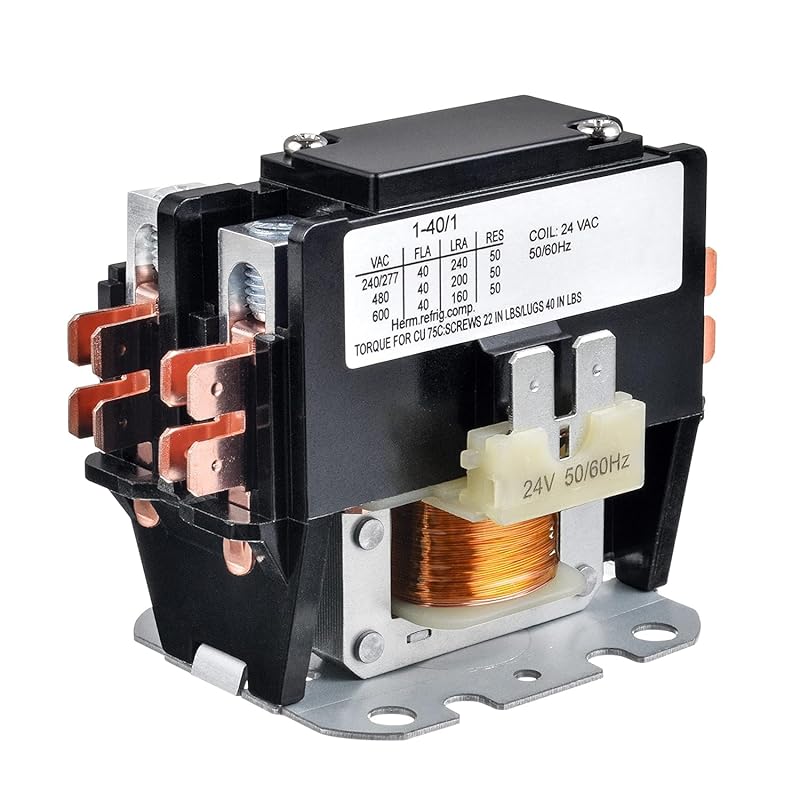
The yellow light on your Carrier air conditioner usually signals a warning—not an emergency. It could mean a dirty filter, refrigerant issue, or electrical fault. Don’t ignore it; early action prevents costly repairs and keeps your home cool.
Have you ever noticed a yellow light glowing on your Carrier air conditioner? You’re probably wondering what it means and whether you should panic. Don’t worry—you’re not alone. The yellow light is a common sight for many homeowners, and while it might look alarming, it’s typically just your AC trying to tell you something important. In most cases, it’s a gentle nudge rather than a full-blown alarm. Understanding what this light signifies can save you time, money, and unnecessary stress.
Carrier has built a reputation for reliable, energy-efficient air conditioning systems, but even the best machines need attention now and then. The yellow light serves as one of the primary communication tools between your unit and you. Unlike red lights, which usually signal critical failures, a yellow light often indicates a warning or preventive alert. Think of it like the check engine light in your car—it doesn’t mean the engine is dead, but it does mean you should pay attention. For Carrier units specifically, the yellow light may appear due to things like dirty filters, airflow blockages, or minor electrical hiccups. The good news? Many of these issues are easy to fix with a little know-how and the right approach.
Before we dive into solutions, let’s clarify: not all yellow lights are created equal. Some models use different colors or blinking patterns to convey varying levels of urgency. On Carrier systems, the standard color coding is:
– Green: Normal operation
– Yellow: Warning or service reminder
– Red: Critical fault requiring immediate attention
So when you see that steady or blinking yellow glow, take a deep breath and read on. We’ll walk you through everything you need to know about the yellow light on Carrier air conditioners—what causes it, how to respond, and when it’s time to call in the pros.
Key Takeaways
- Yellow Light = Warning: A yellow indicator doesn’t always mean the AC is broken—it often points to routine maintenance needs like clogged filters or airflow restrictions.
- Common Causes: Dirty air filters, blocked condenser coils, low refrigerant, or minor thermostat issues are frequent reasons for the yellow light.
- Check Error Codes: Carrier units display alphanumeric codes (like “E1” or “Y1”) that help pinpoint the exact problem behind the yellow light.
- DIY Fixes First: Simple tasks like replacing filters, clearing debris around outdoor units, or resetting the system can resolve many yellow light issues.
- When to Call a Pro: If the light stays on after basic troubleshooting, involves refrigerant leaks, or shows flashing patterns, contact a licensed HVAC technician.
- Prevention Is Key: Regular maintenance every 6 months reduces the chance of unexpected warnings and extends your unit’s lifespan.
📑 Table of Contents
- What Does the Yellow Light Mean on a Carrier Air Conditioner?
- Common Causes of the Yellow Light on Carrier Air Conditioners
- How to Troubleshoot the Yellow Light Yourself
- When Should You Call a Professional?
- Preventive Maintenance Tips to Avoid Future Yellow Lights
- Final Thoughts: Stay Calm and Informed
What Does the Yellow Light Mean on a Carrier Air Conditioner?
The yellow light on your Carrier air conditioner is part of the control board’s diagnostic system. Modern Carrier units come equipped with onboard sensors and microprocessors that monitor temperature, pressure, airflow, and more. When something isn’t quite right—but not critically wrong—the system flashes or holds a yellow light to alert you.
Unlike older models that relied solely on mechanical switches, today’s Carrier ACs use digital displays or LED indicators to communicate status. These lights help users and technicians quickly identify potential issues without needing a full manual scan. For example, if the air filter hasn’t been changed in several months, the system might trigger a yellow light as a reminder. Similarly, if there’s a slight drop in refrigerant levels or a minor electrical fluctuation, the light appears to prompt further inspection.
It’s important to note that the meaning of the yellow light can vary slightly depending on your specific Carrier model and year of manufacture. Newer units may have enhanced diagnostic features, while older ones might rely more heavily on simple indicator lights. Always consult your owner’s manual first—it will give you the most accurate interpretation for your particular setup.
In general, the yellow light falls into two categories:
1. **Maintenance Reminders**: Filters, coils, or drain lines need cleaning.
2. **Performance Alerts**: Minor operational issues that could worsen if ignored.
Understanding Carrier Diagnostic Codes
Many Carrier air conditioners display alphanumeric codes alongside the yellow light. These codes act like error messages and can dramatically speed up diagnosis. For instance, seeing “Y1” or “E1” while the yellow light is on tells you exactly what subsystem is affected.
Here are some common Carrier diagnostic codes related to the yellow light:
– Y1: Indicates a high-pressure switch activation—often due to dirty coils or restricted airflow.
– E1: Suggests a communication failure between indoor and outdoor units.
– L2: Points to a possible compressor overload or power supply issue.
– F1: Typically relates to a faulty indoor fan motor.
These codes appear on the display panel (if your unit has one) or blink in sequence near the yellow light. Writing them down helps when calling a technician, who can cross-reference them with Carrier’s official troubleshooting guides.
If your unit doesn’t show text but only blinks the yellow light, count the number of blinks per cycle. Most Carrier systems use a pattern-based language:
– 1 blink = Code 1
– 2 blinks = Code 2
– And so on
For example, three quick blinks followed by a pause might indicate a low-voltage issue. Again, your manual will confirm what each sequence means.
Common Causes of the Yellow Light on Carrier Air Conditioners

Visual guide about Yellow Light on Carrier Air Conditioner
Image source: singaporelocalfavourites.com
Now that you understand the basics, let’s explore the most frequent reasons your Carrier AC might be showing a yellow light. Knowing the cause helps you choose the right fix—and avoid unnecessary repairs.
Dirty or Clogged Air Filter
One of the top culprits is a dirty air filter. Carrier recommends changing your filter every 30–90 days, depending on usage and household conditions. When the filter gets clogged with dust and debris, airflow drops significantly. This forces the system to work harder, raising internal temperatures and triggering safety sensors.
Over time, reduced airflow leads to higher suction pressure, which the yellow light detects as a performance concern. It’s Carrier’s way of saying, “Hey, I’m struggling here—let’s clean up shop.”
Quick Fix Tip: Turn off the AC at the thermostat, locate the return air grille, and slide out the filter. Hold it up to the light—if you can’t see through it easily, replace it. Use a pleated fiberglass filter rated for your unit size.
Blocked Condenser Coils
The outdoor condenser coil dissipates heat from your home’s cooled air. But leaves, dirt, grass clippings, and even spiderwebs can coat these fins, blocking airflow. When coils get dirty, the system can’t release heat efficiently, causing pressure buildup and activating the yellow warning light.
You’ll usually notice this during spring or fall when yard work increases. Overgrown bushes or recent storms can deposit debris directly onto the unit.
Quick Fix Tip: Shut off power to the unit at the breaker box. Gently hose down the coils from the outside (never spray directly into electrical components). Trim nearby plants so at least 2 feet of clearance exists around the condenser.
Low Refrigerant Levels
Refrigerant carries heat away from your home. If there’s a tiny leak or improper initial charge, levels drop below optimal range. Carrier systems monitor refrigerant pressure closely; low levels trigger the yellow light as a heads-up before serious damage occurs.
However, refrigerant issues rarely fix themselves. They require professional handling due to EPA regulations and specialized recovery equipment.
Important Note: If you suspect low refrigerant, don’t attempt DIY recharge kits. Improper handling risks environmental harm and voids your warranty.
Thermostat or Control Board Glitches
Sometimes the yellow light appears because of a temporary software glitch or misread sensor. This happens more often after power outages or firmware updates. The control board may briefly confuse normal readings with faults.
In such cases, a simple reset often clears the message. Unplug the unit from the wall for 5 minutes, then restore power. The system reboots fresh and usually resets its diagnostics.
Quick Fix Tip: Try resetting before panicking. Many users report success with this method alone.
Drain Line Obstruction
Your AC produces condensation during cooling cycles. This moisture drains through a PVC pipe into a sump pan or outdoors. If the line gets clogged with algae, mold, or debris, water backs up and triggers float switches that signal a fault—including the yellow light.
You might also notice puddles forming inside near the indoor unit if drainage fails completely.
Quick Fix Tip: Pour a mixture of vinegar and water through the drain line monthly to prevent algae buildup. Or use a wet/dry vacuum to clear blockages.
How to Troubleshoot the Yellow Light Yourself
Visual guide about Yellow Light on Carrier Air Conditioner
Image source: i.ytimg.com
Before calling a technician, try these step-by-step checks. Most yellow light issues are simple to resolve and cost nothing but a few minutes of your time.
Step 1: Check the Air Filter
Start here—it’s the easiest fix. Remove the filter and inspect it visually. If it looks gray or thick with dust, replace it immediately. Even a slightly dirty filter can cause the yellow light.
Use a high-MERV rating filter if you have allergies or pets. Standard polyester works fine for most homes.
Step 2: Inspect Outdoor Unit
Walk outside and examine the condenser unit. Is it free of debris? Are fins bent or crushed? Clear away any trash within 2 feet. Straighten gently bent fins with a fin comb tool (available online or at hardware stores).
Also ensure the area around the unit isn’t overheated by direct sunlight or stored items.
Step 3: Reset the System
Turn off the AC at the thermostat. Wait 3 seconds, then turn it back on. If the yellow light was due to a transient glitch, it should disappear.
For added effect, unplug the entire unit for 5 minutes. This resets the control board completely.
Step 4: Review Display Codes
Note any numbers or letters shown on the screen. Write them down. Then refer to your manual or Carrier’s official support site to decode them.
If no code appears, observe how the yellow light behaves:
– Solid yellow = Routine warning
– Flashing rapidly = More urgent issue
– Slow blinking = Maintenance reminder
Step 5: Clean the Evaporator Coil (Optional)
While less common than outdoor coil issues, indoor coils can get dusty too. If you’re comfortable accessing the blower compartment, vacuum the coil gently. Never spray water directly—use coil cleaner foam instead.
When Should You Call a Professional?
Despite your best efforts, sometimes the yellow light persists. Here’s when it’s time to bring in a licensed HVAC contractor.
Persistent Yellow Light After Reset
If you’ve cleaned filters, cleared debris, and reset the system multiple times—and the yellow light remains—there’s likely a deeper mechanical or electrical issue. Don’t keep cycling through fixes hoping it goes away.
Continued operation under faulty conditions risks compressor burnout or other major failures.
Refrigerant-Related Warnings
Any code involving refrigerant (like “L1” or pressure alerts) requires certified handling. Only EPA-licensed technicians can legally recover, test, and recharge refrigerant.
Attempting DIY refrigerant work is illegal in many regions and dangerous due to flammable refrigerants like R-410A.
Flashing Patterns Beyond Standard Codes
If the yellow light blinks in irregular or rapid sequences not listed in your manual, it could signal a sensor malfunction or internal fault. These often need diagnostic tools only pros carry.
Unusual Sounds or Smells
Combine the yellow light with buzzing, grinding, burning odors, or warm air blowing—these suggest serious problems beyond routine maintenance.
Warranty Considerations
If your Carrier unit is under warranty, DIY repairs might void coverage. Always check terms before tampering with sealed components.
Preventive Maintenance Tips to Avoid Future Yellow Lights
The best cure is prevention. Follow these habits to keep your Carrier AC running smoothly and minimize surprise warnings.
Schedule Biannual Tune-Ups
Have a qualified technician inspect your system twice yearly—once before summer, once before winter. They’ll check refrigerant levels, calibrate thermostats, lubricate motors, and verify electrical connections.
Regular maintenance catches small issues before they become big ones.
Replace Filters Monthly During Peak Use
During hot months, err on the side of frequent changes. Pet owners or allergy sufferers benefit from biweekly replacements.
Keep spare filters handy—they’re inexpensive and take seconds to swap.
Keep Vents Unobstructed
Never place furniture, rugs, or curtains over supply vents. Blocked airflow stresses the system and mimics a dirty filter condition.
Use vent covers designed for airflow, not decorative ones that seal tightly.
Trim Landscaping Around Outdoor Unit
Maintain at least 24 inches of clearance around the condenser. Trim bushes and avoid planting trees too close—roots can also affect underground refrigerant lines.
Monitor Indoor Humidity Levels
High humidity strains your AC and encourages mold growth in drain pans. Use a hygrometer to track levels. Ideal indoor humidity is 30–50%.
Consider adding a dehumidifier if your home feels sticky despite cool temps.
Upgrade to Smart Thermostats
Modern smart thermostats (like Carrier’s own Comfort™ app-compatible models) send alerts when filters need changing or temperatures drift. Some even pause cooling until maintenance is done.
This proactive approach prevents forgotten reminders and hidden issues.
Final Thoughts: Stay Calm and Informed
Seeing a yellow light on your Carrier air conditioner doesn’t mean disaster. In fact, it’s often a sign that your system is functioning normally—just reminding you to stay on top of care. By understanding what the light means and acting promptly, you protect both your comfort and your wallet.
Remember, Carrier designs its units to be user-friendly. The yellow light is there to help, not hinder. Whether it’s a simple filter change or a more complex electrical issue, approaching the situation calmly and methodically yields the best results.
Most importantly, don’t ignore persistent warnings. Even minor faults evolve over time. When in doubt, consult a professional. It’s cheaper than replacing a compressor or dealing with indoor air quality problems later.
With regular attention and timely responses, your Carrier AC will keep delivering reliable cooling season after season. And when that yellow light appears again? Now you’ll know exactly how to greet it.
Frequently Asked Questions
Why is my Carrier air conditioner showing a yellow light?
A yellow light usually indicates a warning or maintenance reminder, such as a dirty filter, blocked airflow, or minor performance issue. It’s not an emergency, but it should be addressed soon to prevent bigger problems.
Can I still use my AC if the yellow light is on?
Yes, you can continue using your Carrier unit temporarily. However, monitor it closely and schedule repairs or maintenance soon, especially if the light doesn’t go away after basic troubleshooting.
How do I reset the yellow light on my Carrier AC?
Turn off the AC at the thermostat, wait 3 seconds, then turn it back on. For a full reset, unplug the unit for 5 minutes. This often clears transient glitches causing the yellow light.
Is the yellow light the same as an error code?
Not exactly. The yellow light is the alert itself, while error codes (like “E1” or “Y1”) provide specific details about what’s wrong. Many Carrier models display both together.
Do all Carrier models have a yellow warning light?
Most modern Carrier units feature LED indicator lights, including yellow for warnings. Older models may lack digital displays but still use similar visual cues via blinking patterns.
Will a dirty filter cause a yellow light?
Yes, frequently. Restricted airflow from clogged filters raises internal pressure and temperature, prompting Carrier’s system to flash a yellow light as a service reminder.