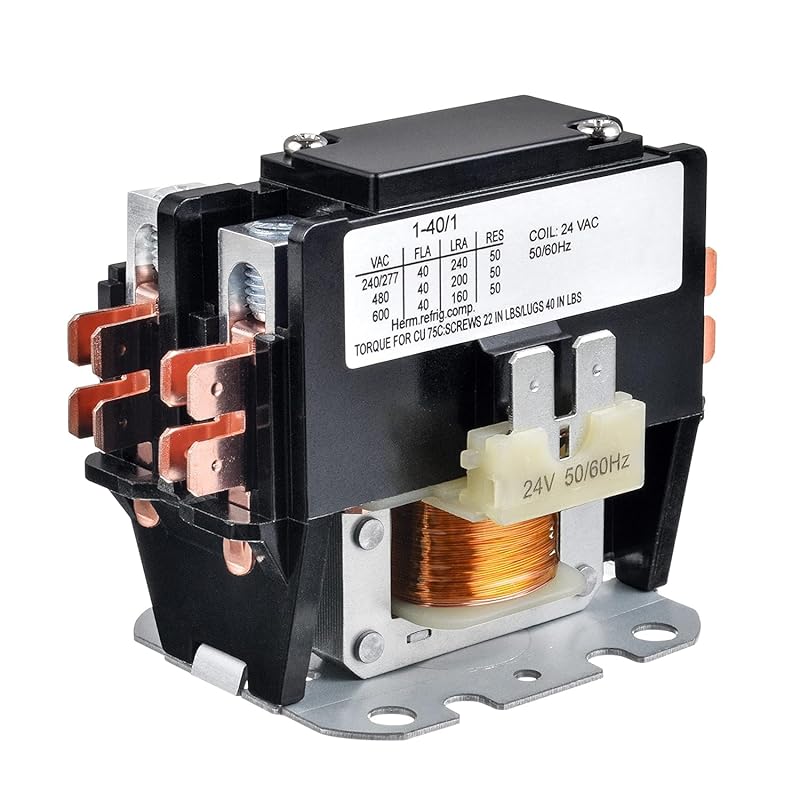
Wondering who carries air conditioners? From big-box home improvement stores to specialized HVAC dealers, there are plenty of places to buy quality AC units. Whether you’re looking for a window unit, central system, or smart model, knowing where to shop can save you time and money. This guide covers top retailers, brand availability, and expert tips for choosing the right place to buy your next air conditioner.
Key Takeaways
- Major retailers like Home Depot, Lowe’s, and Amazon carry a wide range of air conditioners—from budget-friendly window units to high-end central systems with installation services.
- HVAC contractors and local dealers often provide personalized service and professional installation, especially for split or ducted systems.
- Brand availability varies by retailer; for example, Carrier units are commonly found at Home Depot, while Goodman is popular at Lowe’s and Amazon.
- Online marketplaces offer convenience and competitive pricing, but always verify seller ratings and return policies before purchasing.
- Energy-efficient models with ENERGY STAR certification may qualify for rebates when bought through select retailers or utility programs.
- Second-hand or used air conditioners can be found at thrift stores, Facebook Marketplace, or Craigslist, but inspect carefully for safety and efficiency.
- Always consider installation costs and compatibility—some retailers include free quotes, while others charge extra for setup.
📑 Table of Contents
- Who Carries Air Conditioners? A Complete Guide to Where to Buy Your Next Unit
- Understanding the Types of Air Conditioners You Can Buy
- Top Retailers That Carry Air Conditioners
- Where to Find Used and Discounted Air Conditioners
- How to Choose the Right Air Conditioner for Your Needs
- Installation and Maintenance Tips
- Final Thoughts: Where Should You Really Buy Your Air Conditioner?
Who Carries Air Conditioners? A Complete Guide to Where to Buy Your Next Unit
If you’re thinking about upgrading your cooling system or replacing an old, inefficient air conditioner, one of your first questions is likely: Where can I actually buy one? The good news? There are more options than ever. From big-box home improvement stores to specialized HVAC dealers, online marketplaces, and even local classifieds, air conditioners are widely available. But not all retailers are created equal—some sell quality units with great support, while others may lack expertise or hidden fees. This guide walks you through the best places to buy air conditioners, what to look for, and how to make a smart decision that keeps you cool—and your wallet happy.
Understanding the Types of Air Conditioners You Can Buy
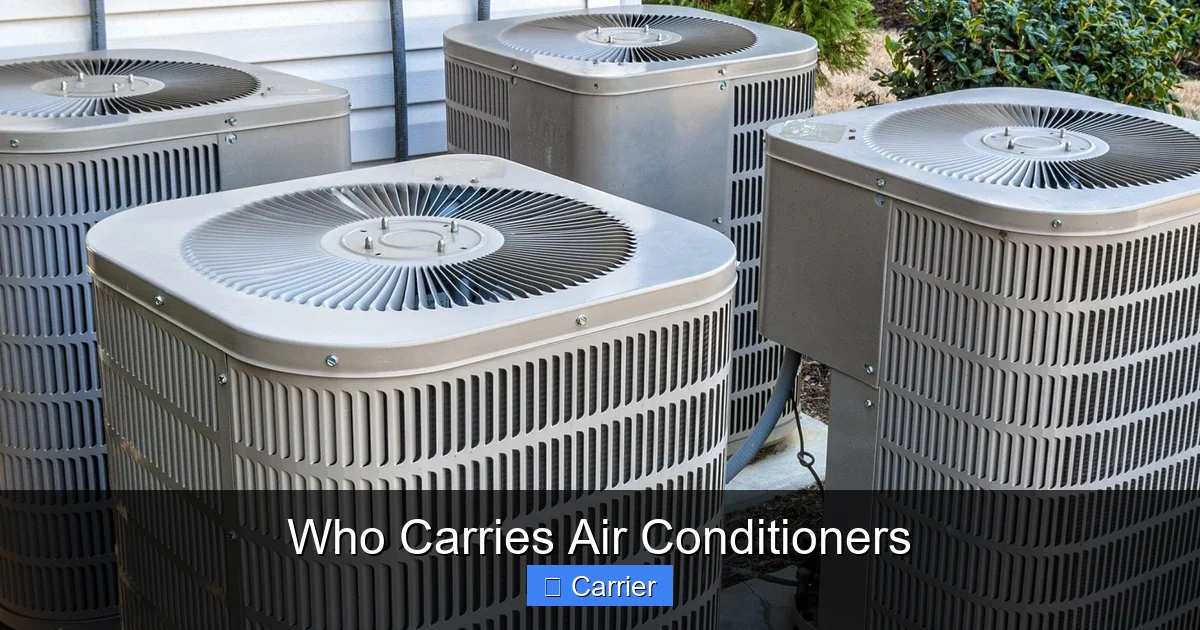
Before diving into where to buy, it helps to know the types of air conditioners available. Most people think “air conditioner” refers only to central systems, but there are several categories, each suited for different spaces and needs:
Visual guide about Who Carries Air Conditioners
Image source: familyhandyman.com
- Central Air Conditioning Systems: These are whole-home units that work with ductwork. They’re powerful and efficient but require professional installation.
- Window Units: Compact and affordable, these plug directly into a window frame. Great for single rooms or renters.
- Portable Air Conditioners: Mobile and easy to move between rooms, though they vent warm air outside via a hose.
- Ductless Mini-Splits: Ideal for homes without existing ducts. They consist of an outdoor compressor and indoor air handlers.
- Smart & Energy-Efficient Models: Many modern units now come with Wi-Fi controls, programmable thermostats, and ENERGY STAR ratings.
Each type has pros and cons, and the right choice depends on your home size, climate, and budget. Once you’ve narrowed down your options, the next step is figuring out where to buy them—and that’s exactly what we’re covering next.
Top Retailers That Carry Air Conditioners
Home Improvement Giants: Home Depot and Lowe’s
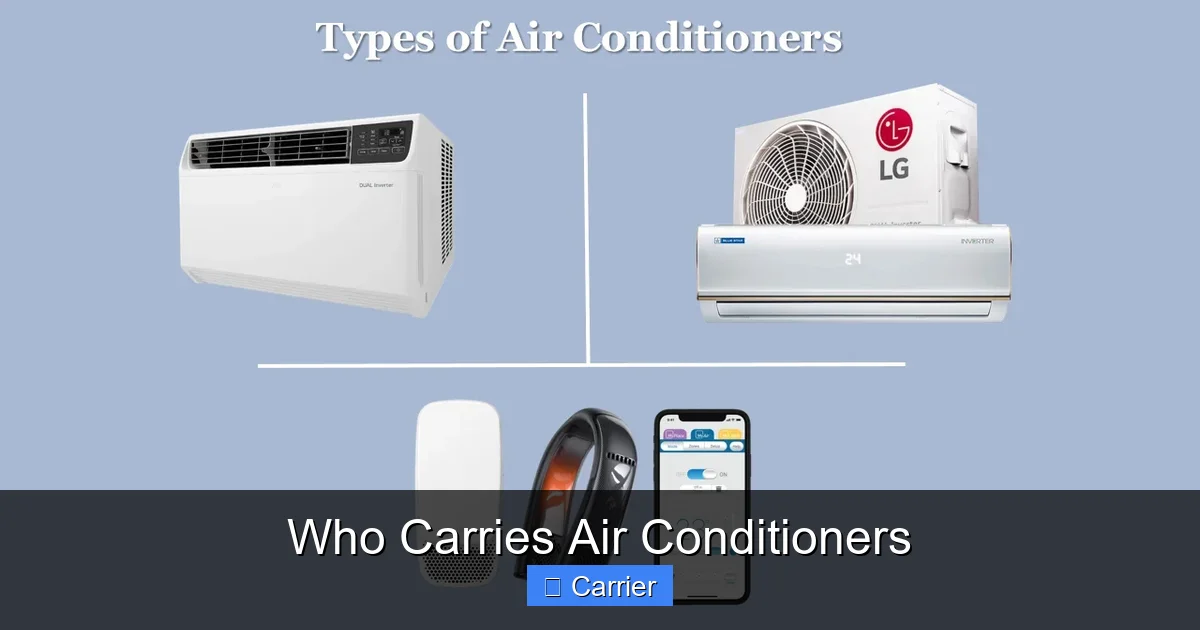
When it comes to accessibility, few retailers beat Home Depot and Lowe’s. Both carry a massive selection of air conditioners, including window units, portable models, and central systems—sometimes even offering professional installation. Home Depot is known for carrying premium brands like Carrier, Trane, and Lennox, while Lowe’s tends to stock more budget-friendly options such as Goodman, Frigidaire, and GE.
Visual guide about Who Carries Air Conditioners
Image source: top10gears.com
One advantage of shopping at these stores is in-store pickup and delivery services. For example, Home Depot offers same-day delivery in many areas and includes free basic installation for qualifying central systems. Lowe’s provides free estimates and financing options for larger purchases. Their websites also feature customer reviews, detailed product specs, and energy-efficiency ratings—helpful tools for comparing models.
Amazon: Convenience at Your Fingertips
Amazon has become a go-to destination for air conditioners, especially for window and portable units. With thousands of listings, you’ll find everything from basic 5,000 BTU models to high-end smart ACs with voice control. One of the biggest perks? Competitive pricing, fast shipping, and easy returns (thanks to Amazon Prime).
However, be cautious. Not all sellers on Amazon are authorized dealers, which means warranty coverage can be tricky if something goes wrong. Look for listings marked “Ships from and sold by Amazon” or “Sold by [Reputable Brand]” to ensure authenticity. Also, check customer photos and verified purchase reviews to avoid defective units.
Best Buy and Other Electronics Stores
Best Buy carries a solid selection of air conditioners, particularly window and portable models from brands like LG, Samsung, and Frigidaire. What sets Best Buy apart is its Geek Squad installation services—ideal if you want help setting up a new unit without hiring a third party.
Other electronics retailers like Costco and Sam’s Club occasionally offer bulk deals on air conditioners, especially during summer sales. These membership-based stores often include extended warranties and return windows, making them appealing for value-conscious shoppers.
Specialty HVAC Dealers and Contractors
If you’re installing a central or ductless system, consider buying directly from an HVAC contractor. These professionals don’t just sell units—they assess your home’s cooling needs, recommend the right size and model, and handle installation, maintenance, and repairs.
While this route may cost more upfront, it ensures proper sizing (a common mistake that wastes energy) and long-term performance. Plus, many dealers offer maintenance plans and emergency service contracts. To find a reputable dealer, check online reviews, ask for referrals, and verify licensing and insurance.
Where to Find Used and Discounted Air Conditioners
Thrift Stores and Secondhand Shops
You might be surprised to learn that some thrift stores, especially those with appliance sections, sell used air conditioners. While rare, these units can be found at a fraction of the price. Always test the unit before buying, and ask about its age and any prior damage. Be wary of units that smell musty or have visible rust—these could indicate mold or corrosion.
Online Marketplaces: Facebook Marketplace and Craigslist
Facebook Marketplace and Craigslist are hotspots for used air conditioners, particularly window units. Sellers often list older models from previous owners moving away or downsizing. Prices can be negotiable, and you may avoid sales tax since transactions are private.
However, meet sellers in public places, bring a friend, and insist on testing the unit in person. Ask about repair history and whether it still works. Avoid units that are missing parts or have water stains—these could signal leaks or internal damage.
Retailer Sales and Seasonal Discounts
The best time to buy an air conditioner is usually in late winter or early spring, before peak cooling season. Retailers like Home Depot and Lowe’s run clearance sales on last year’s models, offering deep discounts of 20–40%. Online shoppers can also use coupon sites like Honey or Rakuten to stack savings.
Keep an eye out for Black Friday, Memorial Day, and Labor Day sales, when retailers bundle deals with installation credits or free shipping. Signing up for email newsletters from major retailers can alert you to exclusive promotions and early access to sales.
How to Choose the Right Air Conditioner for Your Needs
Sizing Matters: Too Big or Too Small Doesn’t Work
Picking the wrong size AC is one of the most common mistakes buyers make. An oversized unit cools your room too quickly but short-cycles, wasting energy. A unit that’s too small struggles to cool effectively, running nonstop. HVAC professionals calculate load using factors like square footage, insulation, window count, and climate—but most retailers provide sizing guides on their websites.
For example, a 1,000-square-foot home typically needs a 2-ton unit, while a 1,500-square-foot space may need 3 tons. Window units are rated in BTUs; a 5,000 BTU model works for small rooms (up to 150 sq ft), while a 14,000 BTU unit suits larger areas (up to 700 sq ft).
Energy Efficiency and Smart Features
Modern air conditioners come with efficiency ratings like SEER (Seasonal Energy Efficiency Ratio). Higher SEER means lower electricity bills and less environmental impact. ENERGY STAR-certified models use 8–15% less energy than standard units.
Smart features like Wi-Fi connectivity, voice control (via Alexa or Google Assistant), and app-based scheduling add convenience. Some models even detect humidity levels and adjust automatically. While these upgrades cost more, they can pay off over time—especially with rebates from utilities or government programs.
Warranty and Customer Support
Always check the warranty before buying. Most manufacturers offer 1–5 years on compressors and 1 year on parts. Retailers may extend coverage with product protection plans. Confirm whether the warranty covers labor, shipping damage, or only defects—and keep proof of purchase handy.
Customer support is another key factor. Brands like Carrier and Trane have strong service networks, while lesser-known names may rely on third-party technicians. If buying online, read the return policy: some retailers require original packaging for returns, which can be inconvenient.
Installation and Maintenance Tips
DIY vs. Professional Installation
Window and portable units are designed for DIY setup, but follow instructions carefully—especially sealing gaps to prevent air leaks. Central and ductless systems should always be installed by licensed HVAC technicians. Improper installation can void warranties and reduce efficiency by up to 30%.
If your retailer offers installation (like Home Depot or Best Buy), compare their rates with independent contractors. Sometimes, a local pro charges less and provides better service. Get multiple quotes and ask about permits—some cities require inspection for new installations.
Ongoing Maintenance for Longevity
To keep your air conditioner running smoothly, clean or replace filters every 1–3 months, especially during summer. Keep outdoor units clear of debris and trim nearby vegetation. Schedule annual tune-ups with a technician to check refrigerant levels, coils, and electrical connections.
Even the best units lose efficiency over time. If your utility bills spike or cooling becomes inconsistent, it might be time for a replacement. Modern units are quieter, smarter, and far more efficient than models from a decade ago.
Final Thoughts: Where Should You Really Buy Your Air Conditioner?
There’s no single “best” place to buy an air conditioner—it all depends on your priorities. Need a quick fix for a hot bedroom? A window unit from Amazon or Walmart works. Planning a full-home upgrade? Talk to an HVAC dealer. Want peace of mind with installation included? Home Depot or Lowe’s might be your best bet.
No matter where you shop, do your homework. Compare prices, read reviews, and don’t skip the installation details. An air conditioner is a long-term investment—choose wisely, and you’ll stay cool for years to come.
Frequently Asked Questions
Can I buy air conditioners directly from the manufacturer?
Yes, some brands like Carrier, Lennox, and Mitsubishi sell directly through their websites or certified dealers. This can offer better warranty terms and expert advice, but installation is typically handled separately. It’s worth checking if your preferred brand has a local distributor near you.
Are air conditioners cheaper online or in stores?
It varies. Online platforms like Amazon often have lower base prices due to competition, but add shipping and potential return costs. Big-box stores like Home Depot may offer free delivery and installation bundles, saving money overall. Compare total costs, not just the sticker price.
Do all retailers offer installation services?
Not necessarily. While Home Depot, Lowe’s, and Best Buy provide in-house installation for certain models, smaller stores may only sell units without setup. For complex systems like central AC or mini-splits, always hire a licensed HVAC technician to ensure safety and compliance.
Is it safe to buy a used air conditioner?
Used units can be safe if inspected thoroughly. Check for signs of mold, rust, or leaks. Test the compressor and thermostat before purchasing. Avoid models older than 5–7 years, as efficiency standards have improved significantly since then.
Which brands are most reliable for air conditioners?
Consistently top-rated brands include Carrier, Trane, Lennox, Rheem, and Mitsubishi. These companies invest heavily in R&D and offer strong warranties and nationwide service networks. Budget-friendly options like Goodman and Frigidaire are also dependable but may have fewer service points.
Can I install a window air conditioner myself?
Yes, most window units are designed for DIY installation. Follow the manufacturer’s instructions, seal gaps with foam weatherstripping, and ensure the window frame is stable. Never force the unit into place—improper fit can cause leaks or damage. Portable units are even easier but require a window or wall vent kit.