Knowing where the reset button is on a Carrier air conditioner can save you time and stress during troubleshooting. Most models place this button near the power source or control panel for quick access. Whether you’re dealing with error codes or routine maintenance, locating the reset button ensures your AC runs smoothly again.
Finding the reset button on your Carrier air conditioner might sound tricky, but it’s actually simpler than you think—once you know where to look. Whether you’re a homeowner trying to fix a glitch or a technician doing routine maintenance, understanding how and where to reset your unit is essential. Carrier, one of the most trusted names in HVAC systems, designs its air conditioners with user-friendly features, including accessible reset buttons that help restore functionality after an automatic shutdown. But because models vary—especially between traditional split systems, packaged units, and heat pumps—the location isn’t always obvious. That’s why this guide walks you through everything: from identifying your unit type to safely pressing that little red button and getting your cool air back.
In this article, we’ll cover the common places you’ll find the reset button on Carrier air conditioners, explain what happens when it trips, and share practical tips to avoid future issues. You’ll also learn about modern alternatives, like digital resets and smart diagnostics. By the end, you’ll feel confident handling any reset situation—no service call required.
Key Takeaways
- The reset button is typically found on the indoor or outdoor unit: Depending on the model, it may be inside the electrical panel of the furnace (for heat pump systems) or on the side of the air handler.
- It’s often a small red button labeled “Reset” or “Trip”: This button resets internal safety features like high-pressure or freeze protection.
- Pressing the reset button restores normal operation after tripping: It clears fault codes and allows the system to restart automatically.
- Not all Carrier units have a visible reset button: Some newer models use digital displays and require software resets instead.
- Always turn off power before pressing the reset button: For safety, disconnect the breaker or unplug the unit first.
- Consult your manual for exact locations: Model-specific guides ensure accurate identification and prevent damage.
📑 Table of Contents
- Understanding Why the Reset Button Exists
- Where to Find the Reset Button: Indoor Units
- Where to Find the Reset Button: Outdoor Units
- What Happens When You Press the Reset Button?
- Troubleshooting Tips Before Resetting
- Modern Carrier Models and Digital Resets
- Safety First: How to Reset Safely
- When to Call a Professional
Understanding Why the Reset Button Exists
Before diving into where the button is, let’s talk about why it’s there. Modern Carrier air conditioners are packed with safety sensors designed to protect your home and equipment. These include:
– High-pressure switches that detect refrigerant levels
– Low-voltage cutoffs for electrical safety
– Freeze sensors that prevent coil icing
– Overload protectors for the compressor
When one of these sensors detects a problem—like overheating or low airflow—it triggers a trip. The system shuts down to prevent damage. Once the issue is resolved (say, by cleaning a clogged filter or checking airflow), you can press the reset button to restore normal operation.
Think of the reset button as a safety gate. It doesn’t fix the underlying problem—but it lets the system start again once the danger has passed. That’s why knowing how and where to use it is so important.
Where to Find the Reset Button: Indoor Units
Visual guide about Where Is the Reset Button on Carrier Air Conditioner
Image source: auctions.c.yimg.jp
For most residential Carrier air conditioners, the reset button is located on the indoor side—either in the air handler or furnace compartment. Here’s how to locate it:
On Air Handlers (Common in Split Systems)
If your Carrier uses a separate air handler (usually inside the attic or basement), open the front cover. Inside, behind the blower motor, you’ll see a control board with several components. Look for a small red or black button labeled “Reset” or “RST.” It’s often near the thermostat wires or the contactor relay.
Some models hide it under a plastic cap marked “Do Not Remove.” If you don’t see it right away, check the user manual or look for a label next to the compressor contactor.
Inside Furnace Panels (For Heat Pumps)
Many Carrier heat pump systems combine heating and cooling in one unit. In these cases, the reset button is usually inside the furnace cabinet. Open the access door, remove the front panel, and look along the top edge or near the gas valve area. You’ll spot a red button with a label like “Reset” or “Trip.”
Pro tip: Always turn off the power at the breaker before opening the furnace panel. Safety first!
Behind the Control Board
In some older Carrier models, the reset button is mounted directly on the control board itself. If you’re comfortable working near electrical components, you can unscrew the board cover to reveal the button. Never touch live wires—always verify the power is off using a voltage tester.
Where to Find the Reset Button: Outdoor Units
Visual guide about Where Is the Reset Button on Carrier Air Conditioner
Image source: aniyuki.com
While less common, some Carrier air conditioners—especially larger commercial or rooftop units—have reset buttons on the outdoor condenser unit. Here’s what to expect:
On the Side Panel
Open the access panel on the side of the outdoor unit. Inside, you’ll see the compressor and fan motor. Near the bottom, close to the wiring terminals, look for a red button labeled “Reset.” It’s usually protected by a clear plastic cover.
Note: Outdoor units rarely have reset buttons unless they’re part of a packaged system or used in industrial settings. Residential units typically rely on indoor controls.
Near the Contactor Box
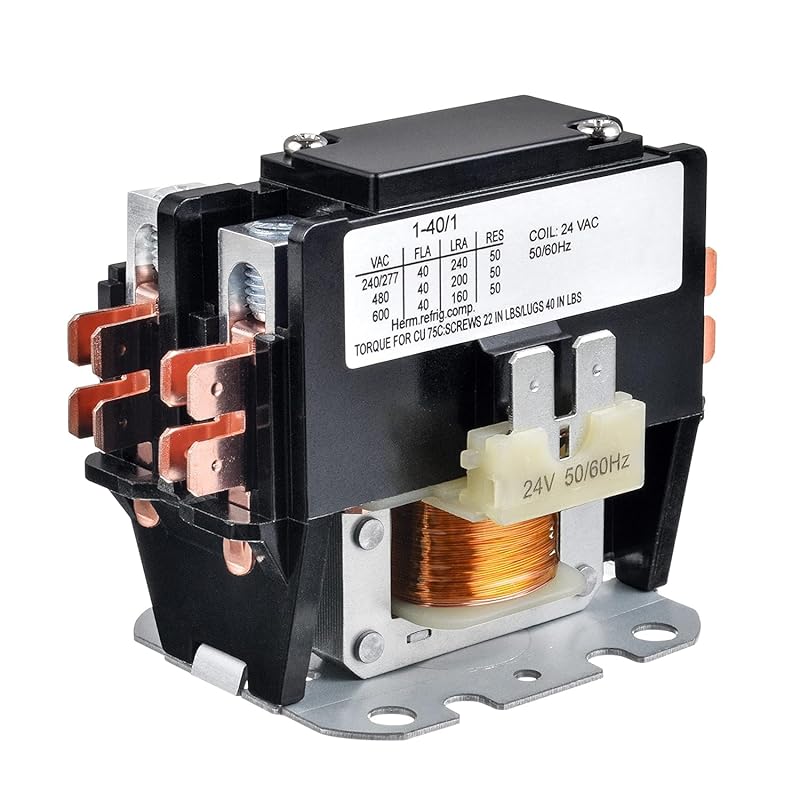
In some models, the reset button is integrated into the contactor assembly. This is a metal box that connects power to the compressor. If your unit has one, you’ll see a small button next to the main switch. Press it firmly but gently—don’t force it.
What Happens When You Press the Reset Button?
Pressing the reset button does more than just turn the system back on—it tells the control board that the fault has been cleared. Here’s what occurs:
1. **Clears Error Codes**: If your thermostat display shows a fault code (like “E03” or “P05”), the reset erases it.
2. **Restores Normal Operation**: The system resumes its cooling cycle automatically.
3. **Reactivates Safety Features**: All sensors return to monitoring mode.
However, if the underlying issue isn’t fixed—say, a dirty air filter or blocked vent—the system may trip again within hours or days. That’s why resetting is only part of the solution.
Troubleshooting Tips Before Resetting
Before pressing that button, take a few minutes to diagnose the cause. Ask yourself:
– Did the system stop suddenly or gradually?
– Is the thermostat calling for cooling?
– Are there unusual noises or smells?
Common reasons for tripping include:
– Dirty or clogged air filters (replace every 1–3 months)
– Blocked return vents (clear furniture or drapes blocking airflow)
– Frozen evaporator coils (check for ice buildup)
– Refrigerant leaks (listen for hissing sounds)
Fixing these issues increases the chances of a successful reset and prevents repeat trips.
Modern Carrier Models and Digital Resets
Not all Carrier air conditioners have physical reset buttons anymore. Many newer models feature digital control panels with built-in diagnostics. Here’s how they differ:
Smart Thermostats and Wi-Fi Controls
Carrier’s iComfort and ComfortLink thermostats allow remote resets via apps or voice commands. If your system trips, you can reset it from your phone without touching the hardware.
Error Code Displays
Instead of a button, you’ll see a flashing light sequence or alphanumeric code. Refer to the manual to decode it. Once the issue is resolved, power-cycle the system by turning off the breaker for 30 seconds—this acts like a digital reset.
Service Mode Access
Advanced technicians can access service menus through the thermostat to clear faults manually. This requires training and should only be done by professionals.
If you’re unsure whether your unit has a physical or digital reset option, check the model number and consult Carrier’s official support site.
Safety First: How to Reset Safely
Resetting your Carrier AC isn’t dangerous—but it’s not without risks. Follow these steps to stay safe:
1. **Turn Off Power**: Go to your circuit breaker and switch off the HVAC breaker. Wait 2–3 minutes.
2. **Locate the Button**: Use this guide to find the reset button on your specific model.
3. **Press Firmly**: Hold the button for 2–3 seconds until you hear a click.
4. **Restore Power**: Turn the breaker back on.
5. **Monitor Operation**: Listen for normal startup sounds and check airflow.
Never bypass safety devices or ignore repeated trips—they indicate real problems that need professional attention.
When to Call a Professional
Most reset situations are DIY-friendly, but certain signs mean it’s time to call an HVAC technician:
– The system trips immediately after resetting
– You smell burning or hear buzzing
– There’s no cold air even after resetting
– The reset button won’t hold or feels loose
Carrier-certified technicians have the tools and knowledge to diagnose complex issues like refrigerant leaks, faulty capacitors, or control board failures.
Frequently Asked Questions
Is the reset button the same as the emergency stop?
No. The reset button restores normal operation after a safety trip. An emergency stop (often a large black button) shuts down the system completely and must be manually restarted—usually by a technician.
Why won’t my Carrier AC reset after pressing the button?
This usually means the underlying issue wasn’t fixed. Common causes include a clogged filter, frozen coils, or electrical faults. Check airflow and consult the manual before trying again.
Can I reset my Carrier AC remotely?
Yes, if you have a smart thermostat like iComfort. Use the app or voice assistant to power-cycle the system digitally. Physical resets still require local access for many models.
How long should I wait before resetting?
Wait at least 2–3 minutes after turning off the breaker. This gives capacitors time to discharge and ensures a clean restart.
Does pressing the reset button clear memory settings?
Usually not. Most Carrier units retain thermostat schedules and preferences. However, power outages or complete disconnections may erase settings—so keep a backup.
Are all Carrier models the same?
No. Residential split systems, packaged units, heat pumps, and commercial HVAC vary widely. Always identify your exact model before attempting a reset.