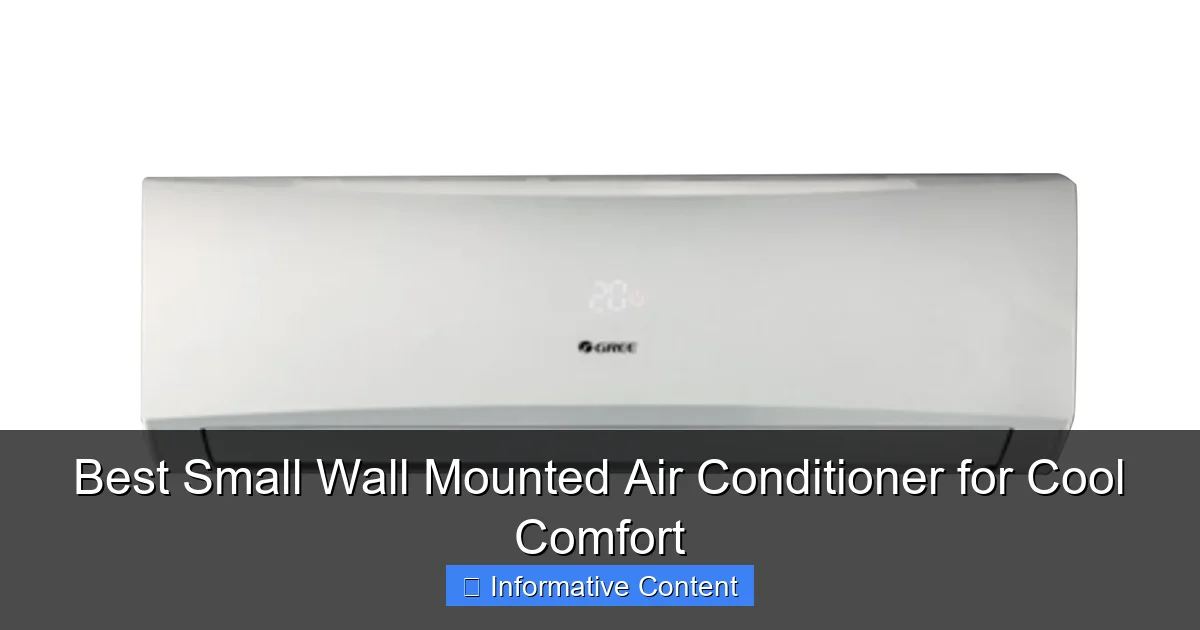
Featured image for wall unit air conditioner
Image source: publicdomainpictures.net
The best wall unit air conditioner delivers powerful, energy-efficient cooling without the hassle of window installations or bulky portable units. Designed for permanent, space-saving performance, these units offer precise temperature control, quiet operation, and smart features like Wi-Fi connectivity and eco modes. Ideal for apartments, offices, or single rooms, a top-rated wall unit combines sleek design with reliable comfort—making it the ultimate summer upgrade.
Key Takeaways
- Choose the right BTU: Match unit size to room square footage for optimal cooling.
- Prioritize energy efficiency: Look for ENERGY STAR® certified models to save on bills.
- Check noise levels: Select units under 55 dB for quiet operation in bedrooms or offices.
- Ensure professional installation: Proper wall mounting prevents leaks and maximizes performance.
- Use programmable timers: Schedule cooling cycles to reduce energy waste and enhance comfort.
- Clean filters monthly: Regular maintenance improves airflow and extends unit lifespan.
📑 Table of Contents
- Why a Wall Unit Air Conditioner Could Be Your Summer Savior
- How Wall Unit Air Conditioners Work (And Why They’re Worth It)
- Top Features to Look for in a Wall Unit Air Conditioner
- Best Wall Unit Air Conditioners for Every Budget (2024 Picks)
- Installation and Maintenance: What You Need to Know
- Wall Unit vs. Other AC Types: Which Is Right for You?
- Data Table: Wall Unit Air Conditioner Comparison
- Final Thoughts: Finding Your Perfect Wall Unit Air Conditioner
Why a Wall Unit Air Conditioner Could Be Your Summer Savior
Let’s face it—summer heat can be brutal. Whether you’re working from home, trying to sleep, or just relaxing on the couch, the last thing you want is to feel like you’re melting. I remember one particularly hot summer when my old portable AC unit just couldn’t keep up. It was loud, inefficient, and barely cooled the room. That’s when I discovered the wall unit air conditioner—a game-changer for anyone looking for consistent, energy-efficient cooling without the hassle of central AC.
Unlike window units or portable models, a wall unit air conditioner is built into your wall, offering a permanent, streamlined solution. It’s like having central air without the hefty installation costs or ductwork. These units are perfect for apartments, small homes, or even specific rooms in larger houses. They’re sleek, powerful, and often packed with smart features. But with so many options on the market, how do you choose the right one? That’s where this guide comes in. I’ll walk you through everything you need to know to pick the best wall unit air conditioner for your needs, so you can enjoy cool, comfortable days and nights all summer long.
How Wall Unit Air Conditioners Work (And Why They’re Worth It)
The Basics of Wall-Mounted Cooling
Wall unit air conditioners, also known as split systems or ductless mini-splits, work by transferring heat from inside your home to the outside. Unlike window units, which sit in a window and vent heat through the back, wall units are mounted high on an interior wall. They connect to an outdoor compressor via a small hole in the wall, which houses the refrigerant lines, power cable, and drain hose. This design keeps the noisy compressor outside, making the indoor unit whisper-quiet.

Visual guide about wall unit air conditioner
Image source: publicdomainpictures.net
One of the biggest perks? Zone cooling. Instead of cooling your entire house (and wasting energy), you can install multiple wall units in different rooms and control each one independently. This is perfect if you have a home office that gets too hot during the day or a bedroom that needs to stay cool at night.
Energy Efficiency and Cost Savings
If you’re worried about sky-high energy bills, wall units are a smart choice. Most models have high Seasonal Energy Efficiency Ratio (SEER) ratings, meaning they use less electricity to cool the same space compared to older units. For example, a unit with a SEER of 16 is about 30% more efficient than one with a SEER of 12. Over time, this can save you hundreds of dollars annually.
Plus, many wall units come with inverter technology. Instead of turning the compressor on and off (which wastes energy), the inverter adjusts the compressor speed to match your cooling needs. This not only saves energy but also reduces wear and tear on the unit, extending its lifespan. Think of it like a car that smoothly accelerates and decelerates instead of constantly speeding up and hitting the brakes.
Installation: DIY or Professional?
Installing a wall unit air conditioner is more involved than a window unit, but it’s not impossible for handy homeowners. You’ll need to:
- Drill a 3-inch hole in the wall for the refrigerant lines and electrical wiring.
- Mount the indoor unit securely on the wall (usually requires a stud finder and level).
- Connect the lines to the outdoor compressor and ensure proper drainage.
However, if you’re not comfortable with electrical work or drilling through walls, I’d recommend hiring a professional. A proper installation ensures optimal performance, prevents leaks, and keeps your warranty valid. Most manufacturers require professional installation to maintain the warranty—so it’s worth the investment.
Top Features to Look for in a Wall Unit Air Conditioner
Cooling Capacity (BTUs) and Room Size
The first thing to consider is cooling capacity, measured in British Thermal Units (BTUs). Too few BTUs, and the unit will struggle to cool the room. Too many, and it will cool the space too quickly without removing humidity, leaving you with a cold, clammy feeling.
Here’s a quick guide to BTUs based on room size:
- 100–250 sq. ft.: 5,000–6,000 BTUs (e.g., small bedroom, home office)
- 250–400 sq. ft.: 7,000–8,000 BTUs (e.g., large bedroom, small living room)
- 400–650 sq. ft.: 9,000–12,000 BTUs (e.g., master bedroom, open-concept living area)
Pro tip: If your room gets a lot of direct sunlight or has poor insulation, go up one BTU level. For example, a 400 sq. ft. room with large south-facing windows might need 9,000 BTUs instead of 8,000.
Smart Features and Connectivity
Modern wall units are getting smarter. Look for features like:
- Wi-Fi and app control: Adjust settings from your phone, even when you’re not home. Perfect for pre-cooling a room before you arrive.
- Voice control: Works with Alexa, Google Assistant, or Siri for hands-free operation.
- Programmable timers: Schedule cooling to match your routine (e.g., cooler during the day, warmer at night).
- Air quality sensors: Some units monitor humidity, dust, and even CO2 levels, automatically adjusting fan speed to improve air quality.
For example, the LG Dual Inverter Smart Wall Unit lets you control temperature, fan speed, and even set a sleep mode via the LG ThinQ app. It’s like having a personal AC assistant!
Noise Levels and Comfort
Nobody wants a loud AC unit disrupting their peace. Wall units are generally quieter than window or portable units, but noise levels vary. Look for models with low decibel (dB) ratings—ideally under 50 dB for the indoor unit (similar to a quiet conversation).
Some units also have ultra-quiet modes that reduce noise at night. The Mitsubishi Mr. Slim, for instance, operates at just 22 dB on its lowest setting—so quiet you’ll barely hear it.
Air Filtration and Health Benefits
If you have allergies or asthma, air filtration is a must. Most wall units come with multi-stage filters, including:
- Pre-filters: Capture large particles like dust and pet hair.
- Carbon filters: Remove odors and volatile organic compounds (VOCs).
- HEPA filters: Trap 99.97% of particles as small as 0.3 microns (e.g., pollen, mold spores).
The Daikin FTX Series includes an advanced air purification system that neutralizes bacteria, viruses, and allergens. It’s a great choice if you want cleaner, healthier air.
Best Wall Unit Air Conditioners for Every Budget (2024 Picks)
Best Overall: Mitsubishi Mr. Slim MSZ-FH Series
If you want the best wall unit air conditioner for performance, efficiency, and reliability, the Mitsubishi Mr. Slim is hard to beat. It’s a top pick among HVAC professionals for a reason:
- SEER rating: Up to 26 (one of the highest on the market).
- Cooling range: 9,000–18,000 BTUs (covers small to large rooms).
- Noise level: As low as 22 dB.
- Smart features: Wi-Fi control, voice compatibility, and a 24-hour timer.
What I love: The Hyper-Heating feature keeps rooms warm even in sub-zero temperatures—so it’s a year-round solution. The only downside? The price tag (typically $1,200–$2,000 installed). But if you’re serious about comfort and energy savings, it’s worth every penny.
Best Budget Pick: LG LW8017ERSM Dual Inverter
For under $500 (before installation), the LG LW8017ERSM delivers impressive performance. It’s a great entry-level option for smaller spaces:
- SEER rating: 22.5.
- Cooling capacity: 8,000 BTUs (ideal for 250–400 sq. ft.).
- Smart features: LG ThinQ app control, voice commands, and sleep mode.
- Noise level: 44 dB (quiet but not whisper-quiet).
The dual inverter technology ensures consistent cooling without temperature swings. Just keep in mind: It’s not as energy-efficient as higher-end models, so your long-term energy savings might be lower.
Best for Large Spaces: Daikin FTXS Series
If you need to cool a 600+ sq. ft. room, the Daikin FTXS is a powerhouse:
- SEER rating: Up to 24.5.
- Cooling capacity: 12,000–18,000 BTUs.
- Air quality: Advanced filtration system with Streamer Technology to neutralize pollutants.
- Noise level: 30–45 dB.
Bonus: The Intelligent Eye sensor detects when you’re in the room and adjusts airflow to save energy. When you leave, it switches to eco-mode.
Best for Smart Homes: Panasonic XE Series
Tech lovers, meet your match. The Panasonic XE integrates seamlessly with smart home systems:
- Wi-Fi and app control: Panasonic Comfort Cloud app lets you monitor energy use and set schedules.
- Voice control: Works with Alexa, Google Assistant, and Apple HomeKit.
- Nanoe™ technology: Reduces allergens, bacteria, and odors.
- Noise level: 23 dB (ultra-quiet).
The sleek, minimalist design blends into any decor. It’s a bit pricier (around $1,000–$1,500 installed), but the smart features are worth it if you’re already invested in a connected home.
Installation and Maintenance: What You Need to Know
DIY vs. Professional Installation
While some wall units claim to be “DIY-friendly,” I’d still recommend hiring a licensed HVAC technician. Here’s why:
- Electrical safety: Improper wiring can damage the unit or create fire hazards.
- Refrigerant leaks: Incorrect line connections can cause leaks, reducing efficiency and harming the environment.
- Warranty compliance: Most manufacturers require professional installation to honor the warranty.
If you do go the DIY route, follow the manual exactly. Use a level to ensure the indoor unit is mounted straight, and seal all gaps around the hole with foam or caulk to prevent drafts.
Routine Maintenance Tips
To keep your wall unit running smoothly, follow these simple steps:
- Clean or replace filters monthly: Clogged filters reduce airflow and efficiency. Most units have washable pre-filters and disposable carbon filters.
- Check the outdoor compressor: Clear debris, leaves, and snow from around the unit. Trim any plants growing too close.
- Inspect the drain line: Clogged drains can cause water leaks. Flush it with a mixture of water and vinegar once a year.
- Schedule annual professional maintenance: A technician can check refrigerant levels, electrical connections, and overall performance.
Pro tip: Keep a maintenance log to track filter changes, cleaning, and service dates. This helps you stay on top of upkeep and can improve resale value if you ever replace the unit.
Troubleshooting Common Issues
Even the best wall units can have hiccups. Here are quick fixes for common problems:
- Unit won’t turn on: Check the circuit breaker, remote batteries, and power cord.
- Weak airflow: Clean the filters and check for blocked vents.
- Water leaks: Clear the drain line and ensure the unit is level (water should flow toward the outdoor unit).
- Strange noises: Tighten loose screws, clean the fan, or call a technician if it’s a grinding or buzzing sound.
Wall Unit vs. Other AC Types: Which Is Right for You?
Wall Unit vs. Window Unit
Wall units and window units both cool single rooms, but they have key differences:
- Installation: Wall units require a permanent hole in the wall, while window units just slide into an open window.
- Noise: Wall units are much quieter because the compressor is outside.
- Efficiency: Wall units are typically more energy-efficient (higher SEER ratings).
- Appearance: Wall units look sleeker and don’t block your view or natural light.
Best for: Wall units if you want quiet, efficient, permanent cooling. Window units if you need a quick, affordable fix for a single summer.
Wall Unit vs. Portable AC
Portable ACs are easy to move but come with trade-offs:
- Cooling power: Wall units have higher BTUs and better airflow.
- Noise: Portable units are noisier because the entire system is inside the room.
- Venting: Portable units need a window or sliding door to vent hot air, which can be awkward.
- Cost: Portable units are cheaper upfront but less efficient long-term.
Best for: Wall units if you want reliable, powerful cooling. Portable ACs if you rent or need temporary cooling.
Wall Unit vs. Central AC
Central AC cools your entire home but has drawbacks:
- Cost: Central AC requires ductwork and can cost $5,000–$10,000 to install.
- Energy use: Cooling unused rooms wastes energy.
- Installation: Major construction work is needed.
Best for: Wall units if you want zone cooling and lower upfront costs. Central AC if you have a large home and want whole-house comfort.
Data Table: Wall Unit Air Conditioner Comparison
| Model | BTUs | SEER | Noise (dB) | Smart Features | Price Range (Installed) |
|---|---|---|---|---|---|
| Mitsubishi Mr. Slim | 9,000–18,000 | 26 | 22–45 | Wi-Fi, voice control, Hyper-Heating | $1,200–$2,000 |
| LG LW8017ERSM | 8,000 | 22.5 | 44 | Wi-Fi, app control, sleep mode | $500–$800 |
| Daikin FTXS | 12,000–18,000 | 24.5 | 30–45 | Intelligent Eye, Streamer Technology | $1,000–$1,800 |
| Panasonic XE | 9,000–15,000 | 23 | 23–44 | Nanoe™, Apple HomeKit, voice control | $1,000–$1,500 |
Final Thoughts: Finding Your Perfect Wall Unit Air Conditioner
Choosing the best wall unit air conditioner isn’t just about cooling—it’s about comfort, efficiency, and peace of mind. Whether you’re looking for a budget-friendly option like the LG LW8017ERSM or a high-performance powerhouse like the Mitsubishi Mr. Slim, there’s a wall unit out there for every need and budget.
Remember, the key is matching the unit to your room size, lifestyle, and long-term goals. Prioritize energy efficiency if you want lower bills, smart features if you love tech, and quiet operation if you’re a light sleeper. And don’t forget: Proper installation and maintenance are just as important as the unit itself. A well-installed, well-maintained wall unit can last 10–15 years—keeping you cool for summers to come.
So, what are you waiting for? Say goodbye to sweaty days and sleepless nights. With the right wall unit air conditioner, you can enjoy a cool, comfortable home all summer long—without breaking the bank or the noise barrier. Stay chill, friends!
Frequently Asked Questions
What is the best wall unit air conditioner for small rooms?
The best wall unit air conditioner for small rooms (under 300 sq. ft.) typically ranges from 8,000 to 10,000 BTUs. Look for models with energy-saving modes and quiet operation, like the Frigidaire FHPC102AC1, which offers efficient cooling and low noise levels.
How does a wall unit air conditioner differ from a portable AC?
A wall unit air conditioner is permanently installed through an exterior wall, offering more powerful and efficient cooling compared to portable units. Unlike portable ACs, wall units vent heat directly outside and don’t take up floor space.
Are wall unit air conditioners energy efficient?
Yes, many modern wall unit air conditioners feature high Energy Efficiency Ratio (EER) ratings and inverter technology to reduce energy use. Look for ENERGY STAR® certified models to maximize efficiency and lower electricity bills.
Can I install a wall unit air conditioner myself?
While DIY installation is possible, professional installation is recommended for safety and optimal performance. Improper installation can lead to leaks, poor cooling, or damage to your wall unit air conditioner.
What size wall unit air conditioner do I need for my space?
Choose a wall unit air conditioner based on room size: 10,000 BTUs for 300–400 sq. ft., 12,000 BTUs for 400–500 sq. ft., and so on. Use a BTU calculator or consult an HVAC expert for precise sizing.
Do wall unit air conditioners require regular maintenance?
Yes, clean or replace filters every 1–2 months and ensure the outdoor condenser coil is free of debris. Regular maintenance keeps your wall unit air conditioner running efficiently and extends its lifespan.