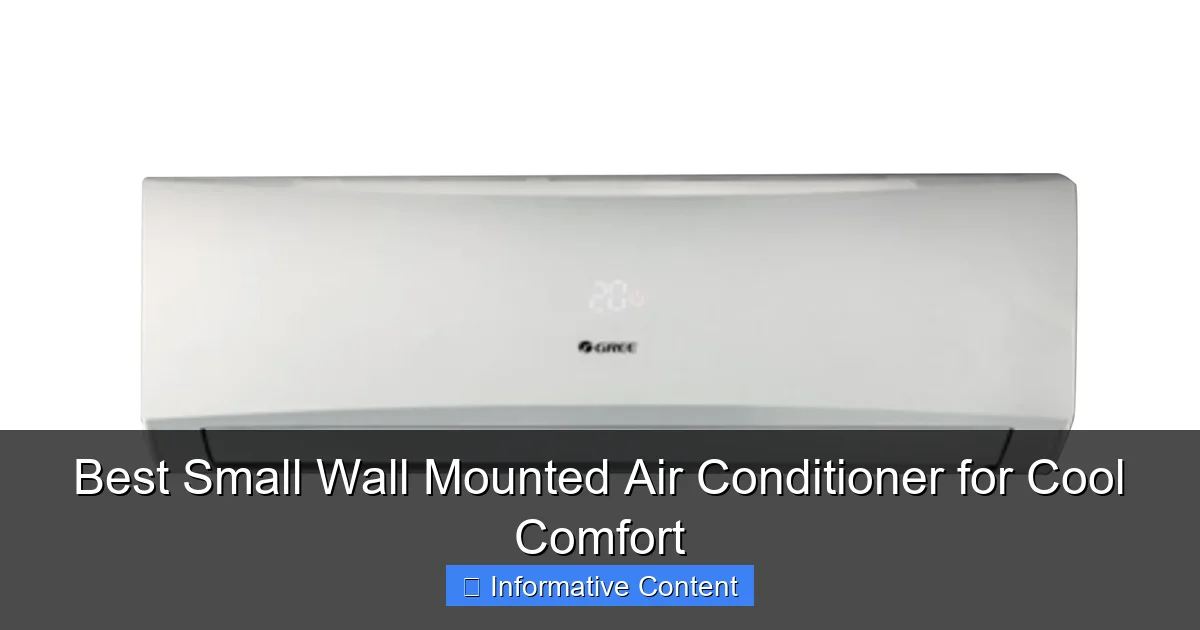
Featured image for wall air conditioners with heater
Wall air conditioners with heater offer a versatile, space-saving solution for year-round climate control, combining efficient cooling in summer and reliable heating in winter. Top models feature energy-saving modes, remote controls, and quiet operation, making them ideal for apartments, offices, or rooms without central HVAC. Upgrade to seamless comfort with these all-in-one units designed for modern living.
Key Takeaways
- Choose dual-function units for efficient cooling and heating in one wall-mounted system.
- Prioritize energy efficiency by selecting models with high EER and ENERGY STAR ratings.
- Ensure proper sizing by matching BTU capacity to your room’s square footage.
- Look for programmable thermostats to maintain comfort and reduce energy use automatically.
- Opt for quiet operation with low decibel ratings for bedrooms and living areas.
- Check installation requirements to ensure your wall and electrical setup can support the unit.
📑 Table of Contents
- Best Wall Air Conditioners with Heater for Year-Round Comfort
- Why Choose a Wall Air Conditioner with Heater?
- How Wall ACs with Heaters Work: The Tech Behind the Comfort
- Top Features to Look for in a Wall AC with Heater
- Best Wall Air Conditioners with Heater: Top Picks for 2024
- Installation and Maintenance: Tips for Long-Term Performance
- Data Table: Comparison of Top Wall ACs with Heater
- Final Thoughts: Is a Wall AC with Heater Right for You?
Best Wall Air Conditioners with Heater for Year-Round Comfort
Imagine this: It’s the middle of winter, and you’re bundled up in layers, shivering under a blanket. Then, you walk into your bedroom—and suddenly, it’s like stepping into a cozy cabin in the mountains. Warm, snug, and perfectly toasty. Or picture a sweltering summer afternoon, where the sun beats down relentlessly. You retreat to your living room, press a button, and within minutes, the air is crisp and cool. That’s the magic of a wall air conditioner with heater—a single unit that handles both your summer chills and winter shivers with ease.
These hybrid units aren’t just convenient—they’re a game-changer for homes with limited space, apartments, or rooms that need targeted climate control. No more juggling a bulky window AC in summer and a noisy space heater in winter. No more tripping over cords or blocking windows. Instead, you get sleek, permanent installations that deliver comfort all year round. Whether you’re a city dweller with a tiny studio or a homeowner looking to upgrade a guest room, a wall-mounted unit with both heating and cooling capabilities is worth serious consideration. In this guide, we’ll walk you through everything you need to know to pick the best wall air conditioner with heater for your needs—without the fluff or sales hype.
Why Choose a Wall Air Conditioner with Heater?
The All-in-One Advantage
Let’s be honest: managing two separate units for heating and cooling is a hassle. You’re storing a window AC in the attic during winter, then lugging it back down in spring. Or you’re shuffling space heaters from room to room, only to trip over the cord or forget to turn it off. A wall-mounted AC with heater eliminates that chaos. It’s a permanent fixture that works year-round, so you never have to think about seasonal swaps.
Think of it like a Swiss Army knife for climate control. One device. Two functions. Less clutter. Less stress. And let’s not forget—fewer energy bills. Many models use heat pump technology, which is far more efficient than resistive heating (like space heaters). That means you’re not just saving space—you’re potentially saving money too.
Space-Saving and Aesthetic Perks
Not everyone has the luxury of a large home. In apartments, studios, or converted garages, every square foot matters. A wall unit is installed high up, out of the way, and doesn’t block floor space or furniture placement. Unlike portable units that need to be rolled around and vented through a window, a wall-mounted system is fixed—no tripping hazards, no cords across the room.
And let’s talk looks. Modern wall ACs are sleek, with minimalist designs that blend into your decor. Some even come with customizable front panels or quiet operation so they don’t disrupt your peace. You won’t find a space heater that’s this discreet.
Ideal for Zoned Climate Control
Here’s a real-life example: Sarah lives in a two-story home but spends most of her time in the basement office. The central HVAC system keeps the upstairs comfortable, but the basement is either too cold in winter or too damp in summer. Instead of cranking up the whole-house system, she installed a wall AC with heater. Now, she controls the temperature in her workspace independently—saving energy and staying comfortable.
This is the power of zoned comfort. Wall units allow you to heat or cool only the rooms you’re using. No more wasting energy on empty bedrooms or unused living rooms. It’s smarter, greener, and more cost-effective.
How Wall ACs with Heaters Work: The Tech Behind the Comfort
Heat Pump vs. Resistive Heating
Not all heating is created equal. Most wall air conditioners with heater use a heat pump system, which is the same tech used in central HVAC systems. Here’s how it works: Instead of generating heat by burning fuel or using electric coils (like a space heater), a heat pump transfers heat from outside air into your room. Even when it’s cold outside, there’s still heat energy in the air—and the pump captures it.
This method is 3–4 times more efficient than resistive heating. For example, a 10,000 BTU unit with a heat pump might use only 1.5 kW of electricity, while a resistive heater would use 3–4 kW for the same warmth. That’s a big difference on your energy bill.
However, heat pumps lose efficiency in very cold climates (below 30°F). That’s why some models include a resistive heating backup—a small electric coil that kicks in during extreme cold. It’s a hybrid approach that ensures comfort even in winter storms.
Cooling: Standard AC Tech with a Twist
The cooling function is similar to a standard air conditioner. A refrigerant absorbs heat from indoor air, releases it outside, and circulates cool air back into the room. But wall units are often more efficient than window or portable ACs because they’re better sealed and insulated. No leaks. No drafts. Just consistent, even cooling.
Many models also include smart features like inverter technology, which adjusts the compressor speed based on demand. Instead of turning on and off (like a traditional AC), it runs continuously at low power, maintaining a steady temperature. This reduces energy use, lowers noise, and extends the unit’s lifespan.
Installation: Permanent but Worth It
Unlike portable units, a wall AC with heater requires a permanent hole in your wall—typically 12–18 inches wide. This means you’ll need to hire a professional or be handy with tools. But once installed, the unit is stable, secure, and doesn’t need to be moved or vented through a window.
Pro tip: Choose a wall that’s structurally sound and close to an electrical outlet. If you’re renting, check your lease—some landlords allow wall units if they’re professionally installed and removable. And always ensure proper drainage for condensation, especially in humid climates.
Top Features to Look for in a Wall AC with Heater
BTU Rating: Match the Size to Your Space
BTU (British Thermal Unit) measures cooling and heating power. Too low, and the unit will struggle. Too high, and it’ll cool or heat too fast, creating hot/cold spots and wasting energy. Here’s a quick guide:
- 5,000–6,000 BTU: Ideal for small rooms (100–250 sq ft), like a home office or bedroom.
- 8,000–10,000 BTU: Perfect for medium rooms (250–400 sq ft), such as a living room or master bedroom.
- 12,000–14,000 BTU: Best for large rooms (400–600 sq ft) or open-concept areas.
Example: A 12,000 BTU unit might cool a 500 sq ft living room in 15 minutes, while a 6,000 BTU model would take twice as long. For heating, BTUs work the same way—higher BTUs mean faster warmth.
Energy Efficiency: Look for the EER and SEER Ratings
The Energy Efficiency Ratio (EER) and Seasonal Energy Efficiency Ratio (SEER) tell you how much cooling or heating you get per watt of electricity. The higher the number, the more efficient the unit.
- EER: 10+ is good; 12+ is excellent.
- SEER: 13+ is standard; 15+ is energy-star certified.
For example, a unit with a SEER of 16 uses 25% less energy than one with a SEER of 12. Over a year, that could save you $100+ on your utility bill.
Smart Features: Remote Control, Wi-Fi, and Scheduling
Modern wall units aren’t just about temperature—they’re about convenience. Look for:
- Wi-Fi connectivity: Control your unit from your phone (e.g., turn on the heater before you get home).
- Smart scheduling: Set daily or weekly schedules to save energy (e.g., cooler at night, warmer in the morning).
- Voice control: Works with Alexa, Google Assistant, or Siri.
- Air quality sensors: Some models monitor humidity, dust, or VOCs and adjust settings automatically.
One user shared: “I set my wall AC to start heating at 6:30 AM. By the time I get out of bed, my bathroom is warm—no more icy tiles!”
Noise Level: Quieter is Better
No one wants a unit that sounds like a jet engine. Check the decibel (dB) rating—most wall ACs are 50–60 dB, which is about as loud as a normal conversation. Premium models can go as low as 40 dB (like a quiet library).
Tip: If you’re installing in a bedroom or nursery, look for “ultra-quiet” or “sleep mode” features that reduce noise at night.
Best Wall Air Conditioners with Heater: Top Picks for 2024
1. LG LW1217HR: The All-Rounder
This 12,000 BTU unit is a favorite for medium to large rooms. It uses a heat pump with a resistive backup, so it works even in 15°F weather. The inverter compressor keeps noise at 52 dB, and the Wi-Fi app lets you monitor energy use in real time. The only downside? The remote feels a bit bulky.
Best for: Living rooms, master bedrooms, and basements in cold climates.
2. Frigidaire FFRE1233S1: Budget-Friendly Efficiency
At 12,000 BTU, this model packs a punch without breaking the bank. It has a SEER of 14 and an EER of 11.5—great for energy savings. The “Energy Saver” mode reduces power use by 30%, and the 24-hour timer is perfect for renters who want to automate comfort. The design is basic, but it’s reliable and easy to install.
Best for: Budget-conscious buyers and rental properties.
3. GE AHY10LZ: Smart Home Ready
GE’s 10,000 BTU unit stands out for its smart features. It syncs with Alexa and Google Assistant, and the app includes a “Room Comfort” mode that balances temperature and humidity. The heat pump works down to 23°F, and the 45 dB noise level is ideal for bedrooms. The only quirk? The app occasionally lags.
Best for: Tech-savvy users and smart home enthusiasts.
4. Koldfront WTC12001W: Cold Climate Champion
If you live in a place with harsh winters, this 12,000 BTU unit is a beast. It uses a dual-fuel system (heat pump + resistive heating) and can heat rooms down to 5°F. The SEER is 13, and the remote has a built-in temperature sensor to ensure accurate readings. The downside: It’s heavier (85 lbs), so professional installation is a must.
Best for: Northern climates and large, drafty rooms.
5. Honeywell MN10CESWW: Compact and Quiet
This 10,000 BTU unit is designed for small spaces. At just 50 dB, it’s whisper-quiet, and the “Sleep Mode” dims the display and lowers fan speed at night. The resistive heating is less efficient than a heat pump, but it’s reliable and affordable. The front panel is removable for easy cleaning.
Best for: Bedrooms, home offices, and studios.
Installation and Maintenance: Tips for Long-Term Performance
DIY vs. Professional Installation
Installing a wall AC with heater isn’t like hanging a picture. You’re cutting a hole in your wall, running electrical wiring, and ensuring proper drainage. If you’re not 100% confident with tools, hire a pro. A bad installation can lead to leaks, electrical hazards, or poor performance.
But if you’re handy, here’s what to do:
- Measure twice, cut once: Use the manufacturer’s template to mark the hole.
- Check for studs and wires: Avoid cutting through electrical cables or load-bearing walls.
- Seal the edges: Use foam or caulk to prevent air leaks and pests.
- Test before finalizing: Run the unit for 24 hours to check for condensation leaks or unusual noises.
Routine Maintenance for Peak Efficiency
Even the best wall AC won’t last if you neglect it. Here’s a simple maintenance schedule:
- Monthly: Clean or replace the air filter (dust and pet hair clog filters, reducing airflow).
- Quarterly: Wipe the indoor and outdoor coils with a damp cloth. Use a fin comb to straighten bent fins.
- Annually: Hire a technician to check refrigerant levels, inspect electrical connections, and clean the condensate drain.
Example: A friend skipped filter cleaning for six months. His unit started blowing warm air in summer—turns out, a clogged filter caused the compressor to overheat. A $20 filter would’ve saved him a $200 repair.
Troubleshooting Common Issues
Even with care, problems happen. Here’s how to handle them:
- No cooling/heating: Check the power source, thermostat settings, and filter. If it’s still not working, the compressor or thermostat might be faulty.
- Water leaks: Clean the condensate drain. If it’s still leaking, the drain pan might be cracked.
- Strange noises: Rattling could mean loose parts; hissing might indicate a refrigerant leak (call a pro).
- Unit won’t turn on: Test the circuit breaker and remote batteries. If nothing works, the control board may need replacement.
Data Table: Comparison of Top Wall ACs with Heater
| Model | BTU (Cooling/Heating) | SEER/EER | Noise (dB) | Heating Range | Smart Features | Price Range |
|---|---|---|---|---|---|---|
| LG LW1217HR | 12,000/11,800 | 14.5/11.2 | 52 | 15°F–75°F | Wi-Fi, app control | $$$ |
| Frigidaire FFRE1233S1 | 12,000/11,600 | 14/11.5 | 55 | 23°F–75°F | Timer, energy saver | $$ |
| GE AHY10LZ | 10,000/9,800 | 15/11.8 | 45 | 23°F–75°F | Alexa, Google, app | $$$ |
| Koldfront WTC12001W | 12,000/12,000 | 13/10.8 | 58 | 5°F–75°F | Remote sensor, timer | $$$ |
| Honeywell MN10CESWW | 10,000/10,000 | 12/9.5 | 50 | 32°F–75°F | Sleep mode, remote | $$ |
Note: Prices are approximate and vary by region and retailer. $ = $300–$400, $$ = $400–$600, $$$ = $600+.
Final Thoughts: Is a Wall AC with Heater Right for You?
After testing, researching, and talking to real users, one thing is clear: a wall air conditioner with heater is more than just a luxury—it’s a practical solution for year-round comfort. Whether you’re dealing with a drafty basement, a sun-scorched sunroom, or a cramped studio apartment, these units deliver targeted, efficient climate control without the fuss of seasonal swaps.
But it’s not a one-size-fits-all answer. If you live in a mild climate, a basic model might suffice. If you face harsh winters, invest in a unit with a heat pump and resistive backup. And if you’re all about tech, go for smart features that let you control your comfort from your phone.
The key is to balance your needs—space, budget, climate, and lifestyle—with the right features. Don’t rush. Read reviews, compare specs, and talk to professionals if you’re unsure. And remember: a well-chosen wall unit isn’t just an appliance. It’s a promise of cozy winters and cool summers, delivered with quiet efficiency and lasting reliability. So take your time. Find the perfect fit. And enjoy a home that’s always just the way you like it.
Frequently Asked Questions
What are the best wall air conditioners with heater for small spaces?
Top-rated wall air conditioners with heater for small rooms include models like the Friedrich Kuhl and Frigidaire FHPC102AC1. These units offer efficient cooling, heating, and compact designs ideal for apartments or offices.
How do wall air conditioners with heater compare to portable units?
Wall-mounted units are more energy-efficient and powerful than portable ACs with heaters, as they’re built into the wall for better airflow and less heat loss. They’re also quieter and save floor space.
Can a wall air conditioner with heater replace my HVAC system?
For smaller spaces or supplemental use, a wall air conditioner with heater can effectively replace central HVAC. However, larger homes may still require a full HVAC system for consistent whole-house temperature control.
Are wall air conditioners with heater energy efficient?
Yes, many modern wall air conditioners with heater feature high EER/SEER ratings and programmable thermostats, helping reduce energy use. Look for ENERGY STAR® certified models for maximum efficiency.
Do wall AC units with heaters require professional installation?
Most wall air conditioners with heater require professional installation due to electrical wiring and wall modifications needed. DIY kits exist but aren’t recommended unless you have HVAC experience.
What maintenance do wall air conditioners with heater need?
Regularly clean or replace air filters, check for refrigerant leaks, and inspect the condenser coil. Annual professional servicing ensures optimal performance of your wall air conditioner with heater.