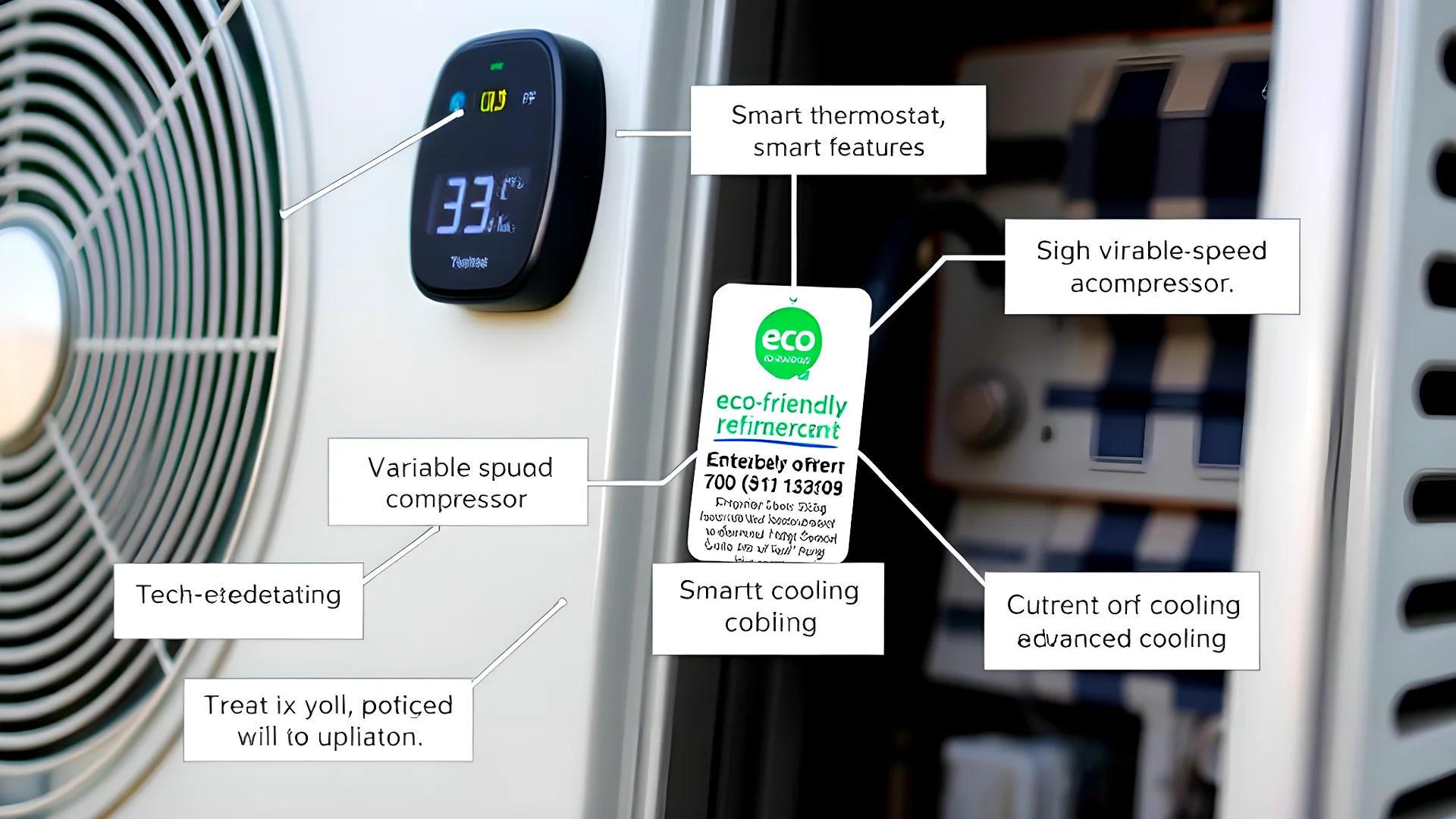
Heading out on the open road in your RV offers unparalleled freedom, but let’s be real: staying cool, especially when boondocking or dry camping, is a non-negotiable for many of us. That scorching summer sun can quickly turn your comfy camper into a sweltering oven! This is where the magic of pairing an efficient RV air conditioner with a reliable solar generator comes in. While the term “best solar generator for RV air conditioner” often makes us think of the power source, the truth is, the AC unit itself plays a massive role in how successful your off-grid cooling will be.
You see, not all RV air conditioners are created equal when it comes to sipping power from a solar setup. To truly beat the heat without constantly worrying about your battery bank, you need an AC unit designed for efficiency, often boasting features like low amp draw, soft start technology, or even direct 12V operation. These are the unsung heroes that make off-grid cooling dreams a reality. We’ve scoured the market to find five top-notch RV air conditioners that are perfectly suited to work with your solar generator, helping you stay comfortable wherever your adventures take you. Let’s dive in!
Understanding the Off-Grid AC Challenge
Before we jump into the reviews, it’s crucial to understand why choosing the right RV air conditioner is so important for solar power. Traditional RV AC units can have a huge “startup surge,” meaning they pull a massive amount of power for a split second when they first kick on. This surge can overwhelm smaller solar generators or battery banks. That’s why features like low amp draw and soft start capabilities are game-changers – they make the AC much more compatible with your off-grid power solution.
Product Reviews: Top RV Air Conditioners for Solar Setups
Here are our top picks for RV air conditioners that play nice with your solar generator:
RecPro RV Air Conditioner 15K Ducted or Non-Ducted

This RecPro unit is a fantastic all-rounder for RVers looking for versatility and efficiency. Its standout feature is its remarkably low amp draw, which makes it an ideal companion for solar and generator setups. You won’t have to choose between running your AC and other essential appliances – this unit lets you do both without breaking a sweat (or tripping a breaker!). Plus, its robust construction ensures it’s ready for any adventure.
- Low Amp Draw for Energy Efficiency
- Durable, Road-Ready Construction (UV-resistant plastic, aerodynamic shape)
- Whisper-Quiet 55.4 dB Operation
- Remote and LED Touch Controls (Cool, dry, fan, sleep, timer modes)
- 15K BTU AC with Built-In Heat Pump for four-season comfort
Pros:
– Excellent energy efficiency, perfect for off-grid use.
– Very quiet operation for peaceful nights.
– Versatile ducted/non-ducted compatibility.
– Integrated heat pump adds value for cooler weather.
– Easy to control with remote or touch panel.
Cons:
– 15K BTU might be overkill for very small RVs, though adjustable.
– Installation might require some DIY skill or professional help.
User Impressions: Customers frequently praise how quiet this unit is, often mentioning it’s a huge improvement over their previous RV ACs. The low power consumption is a recurring highlight, making it a go-to for those who spend a lot of time off-grid or relying on generators. Many also appreciate the supplemental heat feature.
See it on Amazon here
RecPro RV Air Conditioner 15K | Quiet AC | 110-120V

Another stellar offering from RecPro, this 15K BTU unit shares many excellent features with its sibling, particularly its commitment to energy efficiency and whisper-quiet operation. What truly makes this model shine is its comprehensive design for ultimate travel durability and ease of use across various RV setups. It’s truly built for those who demand maximum comfort while minimizing energy impact.
- Energy-Efficient Low Amp Draw
- Rugged, Durable Design Built for Travel (UV-resistant plastic, aerodynamic profile)
- Ultra-Quiet Operation – Just 55.4 dB
- Multi-Function Remote + LED Touch Display
- Built-In Heat Pump for 4-Season Comfort
- Ducted and Non-Ducted Compatibility
Pros:
– Exceptionally energy-efficient, great for solar/generator compatibility.
– One of the quietest RV ACs available.
– Durable construction designed for the road.
– Heat pump offers year-round climate control.
– Flexible installation for ducted or non-ducted systems.
Cons:
– Requires 110-120V AC power, meaning an inverter is needed if running directly from a 12V battery bank.
– 15,000 BTUs can be a lot of cooling for smaller spaces.
User Impressions: RVers love the dual compatibility (ducted/non-ducted), making it a versatile choice. The low noise level is consistently highlighted as a major benefit for better sleep and overall enjoyment. Its reliability and ease of climate control via the remote are also big hits with users.
See it on Amazon here
Active Start SoftStart ACS20PIM-S, Softstarter RV Air Conditioner

Okay, so this isn’t an AC unit itself, but it’s an absolutely crucial piece of the puzzle if you want to use your existing RV air conditioner effectively with a solar generator. The Active Start SoftStart module is designed to drastically reduce the initial power surge (starting current) of your AC unit. This means your solar generator won’t be overwhelmed trying to kick-start a power-hungry compressor, making off-grid cooling far more feasible. It’s an upgrade that can transform your old AC into a solar-friendly powerhouse.
- Starting current reduction and programable startup power
- Mobile app (Bluetooth-enabled for iOS and Android)
- Built-in Surge protection
- Waterproof, UV-proof module resists weather extremes
- Diagnostic LED indicators for easy troubleshooting
- Easy Plug and Play installation for 50 Amp units
Pros:
– Essential for efficiently running high-draw ACs with solar or smaller generators.
– Protects your AC and power system from damaging surges.
– Bluetooth app for easy monitoring and control.
– Durable, weather-resistant design.
– Simple installation for 50 Amp setups.
Cons:
– It’s an additional cost and component, not a standalone AC.
– While “easy,” installation still involves some electrical work if not using the specific plug-and-play models.
User Impressions: This product is a lifesaver for many who want to run their standard RV AC with a generator or limited power. Users report significantly smoother AC startups, allowing them to use smaller generators or even extend their battery life. The Bluetooth app is a definite plus for tech-savvy RVers.
See it on Amazon here
12V RV Air Conditioner with Heat Pump, 11,500 BTU Rooftop

Now this is a game-changer for true off-grid enthusiasts! This 12V RV air conditioner is engineered from the ground up for battery-powered operation, meaning no inverter needed if you’re running directly from your 12V battery bank (which is common in solar setups). Its high efficiency and powerful cooling capacity, combined with ultra-quiet operation, make it a dream for boondockers seeking maximum comfort and minimal energy waste.
- High-Efficiency 11,500 BTU Cooling Performance
- 12V DC Direct Power – No Inverter Needed
- Ultra Quiet Operation (as low as 45dB inside)
- Slim, Low-Profile Design with Durable Housing (7.1 inches high)
- Easy Installation & Wide Compatibility (fits standard 14.1″x14.1″ openings)
- Integrated Heat Pump for year-round climate control
Pros:
– Direct 12V operation eliminates inverter loss, maximizing solar efficiency.
– Exceptionally quiet, ideal for sleeping or quiet enjoyment.
– Powerful cooling performance for its size.
– Low-profile design reduces wind drag.
– Heat pump provides excellent four-season comfort.
Cons:
– 12V systems can draw high amps, requiring robust wiring and battery capacity.
– May have a higher upfront cost than traditional AC units.
User Impressions: This 12V unit consistently receives rave reviews from serious off-grid campers. The ability to run directly from their battery system without an inverter is a huge advantage, simplifying their power setup and reducing energy loss. The quiet operation and effective cooling are also frequently praised.
See it on Amazon here
RV Air Conditioner, 12V 10000 BTU Rooftop Air Conditioner

Another excellent 12V option, this 10,000 BTU RV air conditioner focuses on rapid cooling and smart, user-friendly controls. It’s perfect for those who want quick comfort and the efficiency of a direct 12V DC power source. Its robust construction ensures it can handle the rigors of the road, while smart features like eco and sleep modes help manage power consumption, making it a strong contender for the “best solar generator for RV air conditioner” pairing.
- Efficient Cooling: 10,000 BTU (cools RV in ~15 minutes)
- 4,500 BTU PTC heater for supplementary warmth
- Durable & Weather-Resistant Construction (UV-stabilized ABS, EPDM gasket, zinc-coated condenser)
- Quiet Operation (brushless copper motor fans, spring-supported mounts)
- Smart Control & Easy Operation (remote control, temp monitoring, eco, sleep, turbo modes)
- Direct 12V DC power
Pros:
– Fast cooling performance.
– Direct 12V operation for maximum solar efficiency.
– Smart control modes optimize comfort and power use.
– Very durable and weather-resistant build.
– Quiet operation for a peaceful environment.
Cons:
– PTC heater is supplementary; not a primary heat source for extreme cold.
– Requires a strong 12V battery bank and proper wiring.
User Impressions: Users love how quickly this unit cools their RV, even in hot climates. The various smart modes, especially “eco” and “sleep,” are highly valued for conserving battery power when off-grid. Its solid build quality and quiet performance also receive high marks.
See it on Amazon here
Key Considerations for Your Solar-Powered RV AC Setup
When choosing the best RV air conditioner to pair with your solar generator, remember these vital points:
- Amp Draw: Look for units with a low starting and running amp draw. This is crucial for smaller generators and battery banks.
- Soft Start Capability: If your chosen AC doesn’t have it built-in, consider adding a soft start device (like the Active Start model reviewed above) to mitigate power surges.
- 12V DC vs. 110V AC: 12V DC units are incredibly efficient as they bypass the need for an inverter, reducing power loss. 110V AC units are more common but require an inverter if you’re pulling power from a 12V battery bank.
- BTU Size: Match the BTU rating to your RV’s size and insulation. Too small won’t cool effectively; too large wastes power.
- Noise Level: For comfort, especially at night, a quiet unit is a huge plus.
FAQ: Staying Cool Off-Grid with Solar Power
Q1: Can a solar generator really power my RV AC?
A: Yes, absolutely! With the right solar generator (or portable power station) and an efficient RV air conditioner, you can absolutely power your AC off-grid. The key is matching the AC’s power requirements (especially its startup surge) with the generator’s output capabilities.
Q2: What size solar generator do I need for an RV AC?
A: This varies greatly depending on your AC unit’s wattage and surge requirements. Most RV ACs need a generator with a continuous output of at least 2000-3000 watts, with a surge capacity of 3500-5000 watts for startup. However, efficient 12V DC ACs can sometimes run on smaller systems if your battery bank is robust enough. Always check your AC’s specifications!
Q3: What is a soft start, and why is it important for solar AC?
A: A soft start device reduces the massive initial power surge (inrush current) that an air conditioner draws when it first turns on. This prevents your solar generator or inverter from being overloaded and tripping, making it possible to run your AC on smaller power systems and extending the life of your equipment.
Q4: Are 12V RV air conditioners more efficient?
A: Generally, yes, in terms of overall system efficiency. Because they run directly off your 12V battery system, they eliminate the energy loss that occurs when converting 12V DC battery power to 110V AC power via an inverter. This makes them excellent choices for solar-powered setups.
Q5: How can I maximize the efficiency of my RV AC on solar power?
A: Besides choosing an efficient AC unit, you can:
– Insulate your RV well (reflectix in windows, better wall insulation).
– Park in the shade when possible.
– Use window coverings to block sun.
– Run the AC during the hottest parts of the day and turn it off when cooler.
– Keep filters clean.
– Use a fan to circulate air.
Q6: What’s the difference between ducted and non-ducted AC in RVs?
A: Ducted AC units distribute cool air through a system of vents in the ceiling, offering more even cooling and often quieter operation inside the RV. Non-ducted units blow air directly from the rooftop unit into the main cabin, which can be louder but simpler to install and effective for smaller spaces. Both types can be energy-efficient.
Q7: Can I run my RV AC all night on a solar generator?
A: Running an AC all night on a solar generator is challenging due to the significant power draw and the lack of solar charging overnight. It typically requires a very large battery bank (e.g., 400Ah+ lithium) and substantial solar input during the day to replenish the used energy. Many users opt to run their AC only during the hottest hours or use a combination of AC and 12V fans overnight.
Conclusion
Choosing the best solar generator for RV air conditioner use truly starts with picking the right AC unit itself. The RV air conditioners we’ve reviewed here represent some of the most efficient and solar-friendly options on the market. Whether you opt for a low-amp 110V unit, enhance your existing AC with a soft start, or go all-in with a direct 12V DC system, having reliable off-grid cooling means more comfortable adventures and less reliance on shore power. So, go ahead, plan that extended boondocking trip – with the right gear, staying cool is no longer a dream, it’s a reality!