
Panasonic split air conditioners deliver powerful cooling with exceptional energy efficiency and intelligent features. Known for their durability and quiet performance, these units are ideal for modern homes and offices. With innovative inverter technology and eco-friendly refrigerants, Panasonic split air conditioners offer long-term savings and superior comfort.
Key Takeaways
- Energy Efficiency: Panasonic split ACs use advanced inverter technology to reduce electricity consumption by up to 60% compared to traditional models.
- Quiet Operation: With noise levels as low as 19 dB, these units operate almost silently, perfect for bedrooms and study rooms.
- Smart Controls: Many models feature Wi-Fi connectivity, allowing remote control via smartphones or voice assistants like Alexa.
- Eco-Friendly Refrigerants: Panasonic uses R32 refrigerant, which has a lower global warming potential than older alternatives.
- Durable Design: Built with rust-resistant materials and anti-corrosion coatings, ensuring long-lasting performance in humid climates.
- Fast Cooling: Rapid cool mode activates within minutes, providing immediate relief during hot weather.
- Easy Maintenance: Washable filters and self-cleaning functions help maintain air quality with minimal effort.
Quick Answers to Common Questions
What makes Panasonic split air conditioners more efficient?
Panasonic split ACs use inverter technology to adjust compressor speed, reducing energy use by up to 60% compared to traditional units. This results in stable temperatures and lower electricity bills.
Are Panasonic split ACs easy to install?
Yes, but professional installation is recommended. Certified technicians ensure correct refrigerant levels, drainage, and electrical connections for optimal performance and safety.
Do Panasonic ACs come with smart features?
Many models include Wi-Fi connectivity and smartphone apps for remote control. Voice assistant compatibility (like Alexa) is also available in select series.
How often should I clean the filter?
Clean or replace the filter every 15–30 days, especially in dusty or polluted environments. A clogged filter reduces airflow and increases energy consumption.
Can I use a Panasonic split AC in a humid climate?
Absolutely. Panasonic units are designed with anti-corrosion coatings and effective dehumidification modes, making them ideal for tropical and coastal regions.
📑 Table of Contents
- Introduction: Why Choose a Panasonic Split Air Conditioner?
- Understanding Panasonic Split Air Conditioners
- The Technology Behind Panasonic Split ACs
- Benefits of Installing a Panasonic Split Air Conditioner
- Installation and Maintenance Tips
- Comparing Panasonic with Other Brands
- Real-World Performance and User Reviews
- Making the Right Choice: Buying Guide
- Conclusion: Your Comfort, Powered by Panasonic
Introduction: Why Choose a Panasonic Split Air Conditioner?
When it comes to keeping your home or office cool and comfortable, not all air conditioners are created equal. Among the leading names in climate control technology, Panasonic stands out for its innovation, reliability, and commitment to sustainability. Their split air conditioner models combine cutting-edge engineering with user-friendly design, making them a top choice for homeowners and businesses alike.
Unlike window units that require permanent installation and block natural light, split air conditioners feature an indoor unit and an outdoor compressor, offering a sleek, space-saving solution. Panasonic’s models go beyond basic cooling—they integrate smart features, energy-saving modes, and advanced filtration systems to improve air quality and reduce environmental impact.
In this guide, we’ll explore everything you need to know about Panasonic split air conditioners, from their technical advantages to real-world performance tips. Whether you’re upgrading an old system or installing a new one, you’ll discover why so many people trust Panasonic for consistent, efficient cooling.
Understanding Panasonic Split Air Conditioners
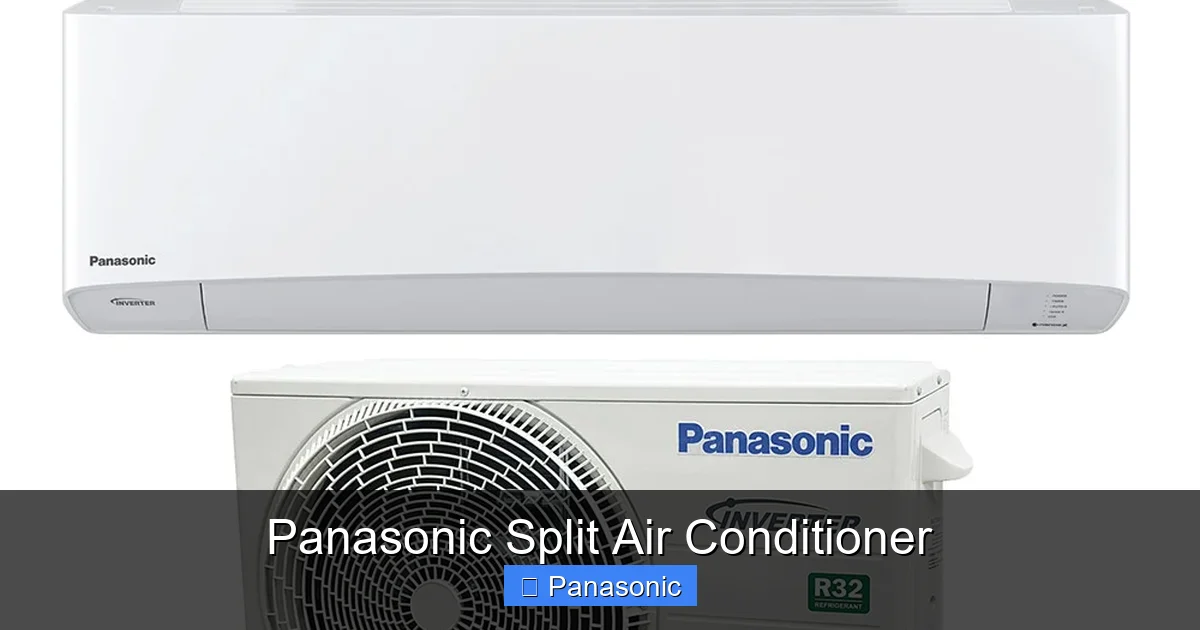
Visual guide about Panasonic Split Air Conditioner
Image source: masteraircon.com.au
What Is a Split Air Conditioner?
A split air conditioner consists of two main components: an indoor unit mounted on a wall or ceiling, and an outdoor unit that houses the compressor and condenser. The two units are connected by refrigerant lines and electrical wiring, allowing heat to be transferred efficiently from inside to outside.
This design offers several advantages over window units, including quieter operation, better aesthetics, and more flexible placement options. Panasonic has perfected this concept with models designed for both residential and commercial environments.
How Panasonic Stands Out
Panasonic’s split ACs are built on decades of expertise in electronics and climate control. They emphasize not just performance but also longevity and ease of use. From compact designs ideal for small apartments to high-capacity units for large living spaces, Panasonic offers a diverse range tailored to different needs.
One standout feature is the use of inverter technology, which adjusts compressor speed based on cooling demand. This eliminates frequent on/off cycles, reduces wear and tear, and maintains a consistent room temperature.
Popular Models You Should Know
Some of the most popular Panasonic split air conditioners include:
– CS/CU-XP35U6WZV: A 1.5-ton model with Wi-Fi control and fast cooling.
– CS/CU-A35SZX: Energy-efficient 1.5-ton unit with dust-free filter.
– CS/CU-GX45WKZ: 1.5-ton model with nano-cool technology and quiet operation.
Each model includes unique features like auto restart, sleep mode, and eco navigation, giving users full control over comfort and energy use.
The Technology Behind Panasonic Split ACs
Inverter Technology Explained
Traditional air conditioners run at full capacity when turned on and shut off completely when desired temperature is reached. This constant cycling wastes energy and causes temperature fluctuations.
Panasonic’s inverter technology continuously adjusts the compressor speed to match cooling needs. For example, if your room is already cool, the compressor slows down instead of turning off entirely. This results in smoother temperature control and significant energy savings.
Studies show that inverter-based systems can reduce power consumption by up to 60% compared to non-inverter models. That means lower electricity bills and less strain on the grid.
Nano Cool and Other Innovations
Many Panasonic split ACs feature nano cool technology, which enhances airflow distribution and ensures even cooling across the room. This prevents cold spots and improves overall comfort.
Additionally, some models come with nanoe™ X technology, which releases negatively charged nanoparticles to neutralize pollutants like bacteria, mold, and allergens. This not only cools the air but actively purifies it—ideal for people with allergies or respiratory sensitivities.
Energy Star and Eco Certifications
Panasonic split air conditioners often meet or exceed Energy Star standards, meaning they use less energy without sacrificing performance. Look for labels indicating high SEER (Seasonal Energy Efficiency Ratio) ratings, which measure cooling output per unit of electricity consumed.
By choosing an Energy Star-certified model, you’re investing in a product that helps protect the environment while saving money on utility bills.
Benefits of Installing a Panasonic Split Air Conditioner
Superior Comfort and Control
With precise temperature regulation and multiple fan speeds, Panasonic split ACs let you customize your comfort level. Whether you prefer a gentle breeze or strong airflow, the settings can be adjusted easily through the remote control or app.
Features like sleep mode automatically raise the temperature slightly during the night to prevent overcooling, while auto restart ensures your unit turns back on after a power outage—no manual setup needed.
Improved Indoor Air Quality
Air conditioners don’t just cool—they filter the air. Panasonic models come with multi-stage filtration systems that trap dust, pollen, pet dander, and other airborne particles.
For homes with smokers or pets, this makes a big difference. Some units also include activated carbon filters that absorb odors, leaving your space smelling fresher.
Space-Saving Design
Because the bulk of the system is housed outdoors, the indoor unit takes up very little wall space. This is especially beneficial in smaller rooms where every inch counts. The sleek, white casing blends seamlessly with most interiors, enhancing rather than disrupting your décor.
Durability in Harsh Climates
Panasonic uses corrosion-resistant materials in both indoor and outdoor units, making their split ACs suitable for coastal areas or regions with high humidity. The outdoor unit is sealed against moisture and dust, ensuring reliable operation year after year.
Regular maintenance, such as cleaning the filter every month, can further extend lifespan and maintain efficiency.
Installation and Maintenance Tips
Professional Installation Matters
While DIY installation might seem tempting, improper setup can lead to poor performance, water leaks, or even damage to the unit. Always hire a certified technician who follows Panasonic’s guidelines for refrigerant handling and electrical connections.
During installation, the technician will ensure proper slope in drain pipes to prevent condensation buildup and check refrigerant charge levels for optimal efficiency.
Simple Maintenance Routine
To keep your Panasonic split air conditioner running smoothly:
– Clean or replace the air filter every 15–30 days, depending on usage.
– Wipe down the indoor unit grille with a damp cloth monthly.
– Schedule a professional service check annually.
– Keep the outdoor unit free of debris like leaves or dirt.
Avoid using harsh chemicals on plastic parts—mild soap and water are sufficient.
Troubleshooting Common Issues
If your unit isn’t cooling well, first check the filter. A clogged filter restricts airflow and forces the compressor to work harder. Also, ensure windows and doors are closed to prevent warm air from entering.
If the unit is making unusual noises or leaking water, turn it off immediately and contact customer support. These could indicate loose parts or drainage issues requiring expert attention.
Comparing Panasonic with Other Brands
Panasonic vs. Daikin
Both Panasonic and Daikin are Japanese brands known for high-quality air conditioners. While Daikin leads in global market share, Panasonic competes strongly on innovation and value.
Panasonic’s strength lies in its integration with smart home ecosystems and advanced air purification technologies like nanoe™. Daikin, meanwhile, excels in ultra-quiet operation and robust build quality.
For tech-savvy users who want app control and air cleaning, Panasonic is often the better choice. For those prioritizing absolute silence and heavy-duty performance, Daikin remains a top contender.
Panasonic vs. LG
LG offers stylish designs and strong inverter technology, but Panasonic generally provides better energy efficiency ratings and longer warranty periods. Panasonic also includes more comprehensive air filtration options out of the box.
That said, LG’s AI-powered SmartThinQ app allows predictive maintenance alerts, which Panasonic currently lacks in lower-tier models.
Ultimately, the decision depends on your specific priorities—whether it’s energy savings, smart features, or noise reduction.
Why Panasonic Wins for Long-Term Value
When you factor in lower operating costs, fewer repairs, and superior air quality, Panasonic split ACs offer excellent long-term value. Their reputation for reliability means you won’t need to replace your unit frequently, reducing waste and replacement expenses.
Plus, with rising electricity prices, investing in a highly efficient model today can save hundreds over the next decade.
Real-World Performance and User Reviews
Customer Feedback Highlights
Across online reviews and forums, users consistently praise Panasonic split air conditioners for:
– Rapid cooling: Many report noticeable temperature drops within 10–15 minutes.
– Low noise levels: Users in bedrooms appreciate how quiet the units are at night.
– Reliable after-sales service: Panasonic’s service network is extensive, especially in urban areas.
One homeowner in Mumbai wrote: “After switching from a cheaper brand, I was amazed by how much cooler and cleaner my living room felt. The filter really works!”
Another business owner in Bangalore noted: “The Wi-Fi feature lets me adjust the temperature before arriving home. It’s like having a personal assistant for comfort.”
Performance in Different Climates
Panasonic split ACs perform exceptionally well in tropical climates like India, Southeast Asia, and Central America, where humidity and heat are persistent challenges. Their anti-corrosion coatings and efficient dehumidification modes make them ideal for such environments.
In drier regions, the same units still provide effective cooling while minimizing energy waste.
Energy Consumption Examples
Let’s compare monthly usage:
– Non-inverter 1.5-ton AC (5-star rating): ~₹800/month
– Panasonic inverter 1.5-ton AC (5-star): ~₹450/month
Over five years, that’s a saving of nearly ₹21,000—enough to cover the cost of installation or upgrades.
Making the Right Choice: Buying Guide
Choosing the Correct Ton Capacity
Selecting the right size is crucial. An undersized unit struggles to cool, while an oversized one wastes energy and shortens lifespan.
Use this rough guide:
– 1 ton: Suitable for 100–150 sq ft (small bedroom or study)
– 1.5 tons: Ideal for 150–225 sq ft (living room or master bedroom)
– 2 tons: Best for 225–300 sq ft (large hall or open-plan area)
Always consider factors like ceiling height, sunlight exposure, and occupancy when deciding.
Feature Checklist Before Purchase
When shopping for a Panasonic split AC, look for:
– Inverter compressor
– Wi-Fi connectivity
– Auto-clean function
– Sleep timer
– Remote control with LCD display
– Dust-free and anti-allergen filters
Avoid models without at least a 4-star energy rating—they may seem cheaper upfront but cost more in the long run.
Where to Buy and Warranty Info
Panasonic split air conditioners are available through authorized dealers, major e-commerce platforms like Amazon and Flipkart, and Panasonic’s official website. Buying directly from certified sellers ensures genuine products and valid warranties.
Standard warranty coverage includes:
– 1 year on labor
– 5 years on compressor
– 1 year on spare parts
Extended warranty plans are also available for added peace of mind.
Conclusion: Your Comfort, Powered by Panasonic
Choosing a Panasonic split air conditioner means investing in comfort, efficiency, and innovation. With smart features, eco-friendly technology, and unmatched reliability, these units deliver consistent performance whether you’re cooling a cozy bedroom or a spacious office.
From rapid response times to whisper-quiet operation, every detail is engineered for your convenience. And with lower energy bills and improved air quality, you’ll enjoy benefits far beyond just staying cool.
As temperatures rise globally, having a dependable climate control system becomes essential—not just for comfort, but for health and productivity. Panasonic understands this, which is why their split ACs continue to set industry standards.
Whether you’re replacing an old unit or building a new home, consider how a Panasonic split air conditioner can transform your indoor environment. With the right model and proper care, it will serve you faithfully for years to come.
Frequently Asked Questions
How do I choose the right tonnage for my room?
Estimate based on room size: 1 ton for 100–150 sq ft, 1.5 tons for 150–225 sq ft. Consider factors like ceiling height and direct sunlight for accurate sizing.
Is inverter technology worth the extra cost?
Yes. Inverter units consume significantly less electricity, maintain steady temperatures, and last longer due to reduced mechanical stress.
What is the average lifespan of a Panasonic split AC?
With proper maintenance, most Panasonic split air conditioners last 10–15 years. Regular filter cleaning and annual servicing extend operational life.
Do Panasonic ACs use environmentally friendly refrigerants?
Yes. Most models use R32 refrigerant, which has a lower global warming potential than older refrigerants like R22, reducing environmental impact.
Can I install the unit myself?
It’s not recommended. Improper installation can cause leaks, inefficiency, or damage. Always hire a qualified technician for safe and effective setup.
How does nanoe™ X technology work?
It releases negatively charged nanoparticles that attach to pollutants such as viruses, bacteria, and allergens, neutralizing them and improving air purity inside your home.
