
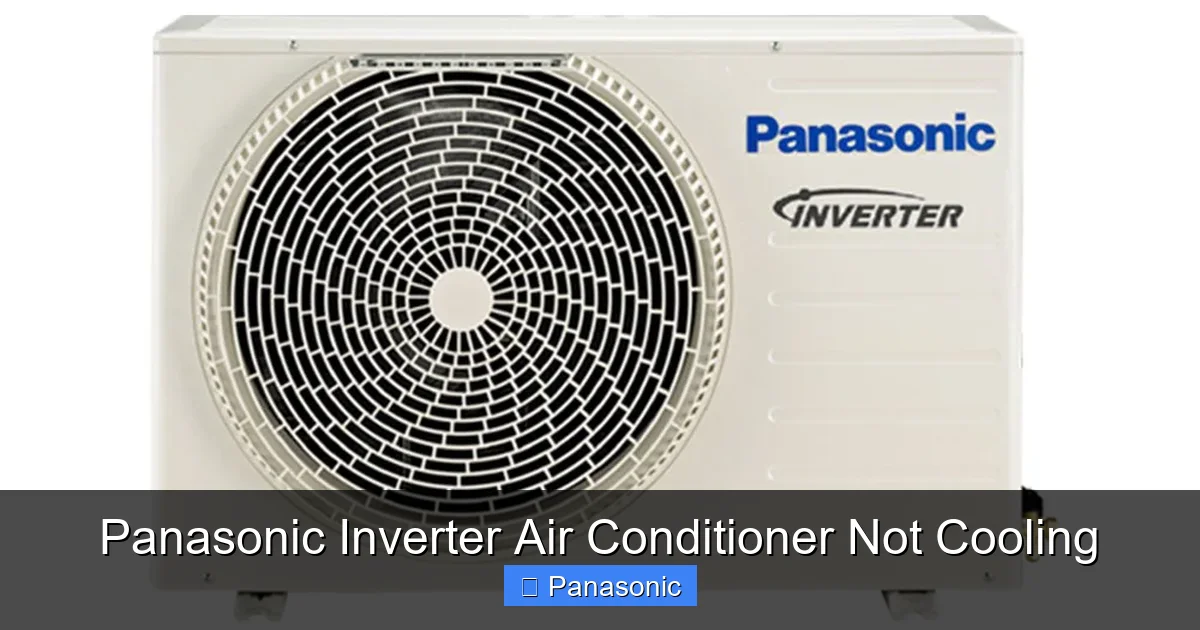
Panasonic Inverter Air Conditioner Not Cooling
Your Panasonic inverter air conditioner not cooling? You're not alone—this is a common issue that usually stems from simple fixes like dirty filters or refrigerant leaks. Inverter ACs are energy-efficient, but even the smartest systems need maintenance to perform at their best. This guide walks you through practical troubleshooting steps, real-world examples, and when to call a pro, so you can get back to enjoying a cool, comfortable home.
Key Takeaways
Filter and coil cleaning: Dirty air filters and evaporator coils restrict airflow, reducing cooling efficiency. Clean or replace them every 1–3 months.
Refrigerant levels matter: Low refrigerant due to leaks can stop cooling. Only certified technicians should handle recharging.
Check the thermostat: Ensure it’s set to "cool," the temperature is lower than room temp, and fan mode isn’t accidentally selected.
Inverter drive issues: Faulty inverter boards or sensors can disrupt compressor operation—common in older models.
Outdoor unit blockage: Leaves, debris, or dust on the outdoor unit reduce heat exchange and cause overheating.
Professional diagnosis: If basic steps fail, schedule service with a certified Panasonic technician for accurate repair.
Quick Answers to Common Questions
Why won’t my Panasonic inverter AC blow cold air?
Most often, it’s due to clogged filters, low refrigerant, or incorrect settings. Start by cleaning the filter and checking the thermostat. If those don’t work, there may be a refrigerant leak or internal component failure requiring professional attention. For more on this, see our guide on air conditioner running but not cooling.
Can I recharge the refrigerant myself?
No. Recharging refrigerant requires certification and special equipment. Attempting DIY recharge can damage the system and void your warranty. Always hire a licensed HVAC technician.
How often should I clean my AC filter?
At least once per month during heavy usage seasons (spring/summer). In homes with pets or allergy sufferers, bi-weekly cleaning is ideal. For more on this, see our guide on hvac air conditioner not cooling.
What does an error code mean?
Error codes indicate specific faults—like overheating, sensor issues, or communication errors. Refer to your user manual for the code list, or take note and show it to a technician.
Is it normal for my AC to run non-stop?
Not really. While inverter ACs run longer to maintain temperature, constant operation can signal a problem like low refrigerant or blocked airflow. Monitor energy use and listen for abnormal sounds. For more on this, see our guide on gree air conditioner not cooling.
📑 Table of Contents
- Why Is Your Panasonic Inverter Air Conditioner Not Cooling?
- Understanding How Panasonic Inverter ACs Work
- Common Causes Why Your Panasonic Inverter AC Isn't Cooling
- Step-by-Step Troubleshooting Guide
- Preventive Maintenance Tips for Long-Term Performance
- When to Replace vs. Repair Your AC
- Final Thoughts: Stay Cool and Confident
Why Is Your Panasonic Inverter Air Conditioner Not Cooling?
If you've ever stepped into a sweltering living room and flipped the switch on your Panasonic inverter air conditioner , only to be met with warm (or worse—lukewarm) air, you know how frustrating it can be. Especially during peak summer months, a malfunctioning AC isn't just inconvenient—it's downright uncomfortable. And while modern inverter ACs are known for their energy efficiency and quiet operation, they're not immune to problems.
The good news? Most cases of a Panasonic inverter air conditioner not cooling aren't due to major mechanical failure. Often, the culprit is something simple: a clogged filter, low refrigerant, or a misconfigured thermostat. But knowing how to diagnose and address these issues can save you time, money, and stress. This comprehensive guide walks you through every possible cause—and what you can do about it. For more on this, see our guide on hisense air conditioner not cooling.
Understanding How Panasonic Inverter ACs Work
Before diving into troubleshooting, it helps to understand the basics. Unlike traditional split ACs that turn the compressor on and off in cycles (which wastes energy), Panasonic inverter models adjust compressor speed based on cooling demand. This means smoother temperature control, faster cooling, and lower electricity bills.
Panasonic inverter indoor unit showing a typical error code indicator.
Image source: acsisair.com.au
Key Components Involved in Cooling
Compressor: The heart of the system; circulates refrigerant to absorb and release heat.
Evaporator Coil: Inside the indoor unit; absorbs heat from indoor air.
Condenser Coil: Outside the unit; releases heat to the environment.
Inverter Board: Controls compressor speed and power flow.
Thermostat & Sensors: Monitor room temperature and send signals to the system.
When any of these components fail or become compromised—even slightly—the entire cooling process can break down. That’s why pinpointing the source is key. For more on this, see our guide on air conditioner not blowing hard.
Inverter vs. Traditional Compressor: Quick Comparison
| Feature | Inverter Compressor | Traditional Fixed-Speed Compressor |
|---|---|---|
| Speed Control | Variable (adjusts to demand) | On/Off cycling |
| Temperature Stability | ±0.5°C | ±2°C |
| Energy Consumption | 30–50% less | Higher |
| Noise Level | Lower (no hard starts) | Louder startup cycles |
| Lifespan | Longer (less wear) | Shorter (frequent cycling) |
In practice, the variable-speed design means the compressor ramps up only as needed, avoiding the current spikes that age fixed-speed units faster. For a deeper look at the differences between inverter and conventional systems, see our overview of air conditioner versus HVAC technology. Understanding how HVAC systems compare can also clarify why inverter models dominate modern installations.
Common Causes Why Your Panasonic Inverter AC Isn't Cooling
Let’s face it: no one wants to spend hours diagnosing their AC. But catching the problem early makes all the difference. Here are the most frequent reasons your Panasonic inverter air conditioner not cooling properly.
1. Dirty or Clogged Air Filters
This is probably the #1 reason for poor performance—and the easiest fix. Over time, dust, pet dander, and pollen accumulate in the filter, restricting airflow. Less air moving through the evaporator coil means less heat absorbed, resulting in weaker cooling.
Real-life example: Sarah called in because her Panasonic inverter AC wasn’t cooling her bedroom. After checking, she found the filter was nearly black with dust. Once replaced, airflow improved instantly, and her room cooled down within minutes.
2. Refrigerant Leak or Low Refrigerant Levels
Refrigerant is what absorbs heat inside your home. If it’s leaking or running low, the system can’t cool effectively. Panasonic uses R32 refrigerant in newer models—a more eco-friendly option, but still sensitive to pressure changes. The EPA's Section 608 regulations govern refrigerant handling and require certified technicians for any service.
Warning signs:
Ice buildup on the indoor unit
Unusual hissing or bubbling sounds
Warm air blowing even on max cool mode
Never attempt to recharge refrigerant yourself. It requires specialized tools and licensing due to safety regulations.
3. Faulty Thermostat Settings or Sensor Issues
It sounds obvious, but many users overlook this. Make sure:
The remote or panel is set to "Cool" mode
The desired temperature is at least 5°F lower than current room temp
Fan mode isn’t selected (fan-only doesn’t cool)
Also, if the internal temperature sensor is dirty or misaligned, it might report incorrect readings, tricking the AC into thinking it’s already cold enough.
4. Blocked Outdoor Unit
The condenser coil sits outside your home and needs clear access to function. If leaves, dirt, or debris pile up around it, heat exchange slows dramatically.
Pro tip: Trim nearby bushes, remove vegetation, and gently vacuum the fins using a soft brush attachment. Never use high-pressure water—it can bend delicate aluminum fins.
5. Inverter Board or Motor Failure
The inverter board regulates power to the compressor. If it fails, the compressor may run too slowly or not at all. Symptoms include:
AC turning on but not producing cold air
Error codes flashing on the display (check your manual)
Burning smell or unusual noises
This typically requires professional repair or replacement—especially since inverter boards are delicate and model-specific.
6. Electrical Connection Problems
Loose wires, corroded connectors, or tripped circuit breakers can prevent the AC from receiving power. Start by checking the main breaker panel. Then inspect the indoor and outdoor unit connections (if accessible).
Safety first: Always turn off power at the breaker before inspecting electrical parts.
Common Panasonic Inverter AC Error Codes
| Code | Meaning | Typical Action |
|---|---|---|
| H11 | Indoor/outdoor communication error | Check wiring, reset power |
| F11 | Indoor temperature sensor fault | Clean/replace sensor |
| F91 | Refrigerant cycle abnormality | Verify refrigerant charge, check for leaks |
| E04 | Compressor discharge temperature high | Clean condenser, check fan operation |
| P16 | DC bus voltage error | Electrical supply check, inverter board test |
When an error appears, note the code and cycle power once. If it returns, the issue is likely hardware-related. For troubleshooting warm air issues linked to these codes, our guide on troubleshooting AC blowing warm air offers a step-by-step approach. For condenser-specific faults, condenser troubleshooting steps can help isolate the outdoor unit.
Step-by-Step Troubleshooting Guide
Now that you know the likely causes, here’s how to methodically check each one. Follow these steps in order—they’re quick and effective for most issues.
Step 1: Verify Basic Settings
Press the “Mode” button until “Cool” appears. Set the temperature to 68°F or lower. Wait 10–15 minutes and listen for the compressor to kick in (you’ll hear a hum). If nothing happens, move to Step 2.
Step 2: Inspect and Clean the Air Filter
Locate the filter (usually behind the front grille). Remove it, hold under running water or use a vacuum. Let it dry completely before reinstalling. For reusable filters, wash monthly.
Step 3: Check the Outdoor Unit
Walk outside and look for visible blockages. Clear away leaves, grass clippings, or spiderwebs. Use a garden hose (low pressure) to rinse the coil gently.
Step 4: Listen for Unusual Sounds
Bubbling, rattling, or screeching could indicate refrigerant leaks, loose parts, or motor wear. Note what you hear and share it with a technician later.
Step 5: Look for Ice or Water Leaks
Ice on the copper lines or excessive condensation may signal low refrigerant or drainage blockage. Don’t ignore this—it worsens over time.
Step 6: Call a Certified Technician
If none of the above resolves the issue, it’s time for professional help. Panasonic recommends using authorized service centers for inverter repairs, especially those involving refrigerant or electronics.
Still not cooling? Our troubleshooting guide for AC blowing warm air walks through additional checks you can perform before scheduling service.
Smart Features and App Diagnostics
Many 2024–2026 Panasonic inverter models include Wi-Fi connectivity and the Comfort Cloud app. If your unit supports it, open the app to view real-time error codes, runtime history, and filter-status alerts. Some models even let you run a self-diagnostic cycle that checks sensor readings and compressor current draw. In practice, the app often reveals a “filter clogged” warning before you notice reduced airflow. For the latest smart AC features, see our coverage of air conditioning innovations. New connectivity options also enable remote firmware updates that can resolve rare control-board glitches.
Preventive Maintenance Tips for Long-Term Performance
A well-maintained Panasonic inverter air conditioner will last 10–15 years with minimal issues. Here’s how to keep it running smoothly year-round.
Monthly Tasks
Vacuum the vents and clean the filter
Remove dust from the remote control buttons
Check the outdoor unit for debris
Quarterly Tasks
Schedule a professional inspection
Inspect drain lines for clogs
Test thermostat accuracy
Annual Tasks
Replace worn filters
Clean coils with approved solutions
Update firmware (if your model supports it)
Bonus: Use a programmable timer to avoid running the AC empty when you’re away.
For a deeper seasonal checklist, see our seasonal air conditioning maintenance tips. The Department of Energy recommends regular maintenance for optimal efficiency and longevity.
When to Replace vs. Repair Your AC
Sometimes, despite your best efforts, the unit reaches the end of its life. Panasonic models typically last 12–15 years. If yours is older and experiencing frequent breakdowns, replacement may be more cost-effective than repeated repairs.
Signs it’s time to consider a new unit:
Repairs exceed 50% of a new unit’s price
Frequent error codes or system failures
Rising energy bills despite proper use
Panasonic offers energy-efficient inverter models with advanced features like nanoe™ X technology for cleaner air. Upgrading can improve both comfort and savings. If you're considering an upgrade, our guide on how to choose the right air conditioner can help you match capacity and features to your home.
Final Thoughts: Stay Cool and Confident
Dealing with a Panasonic inverter air conditioner not cooling situation doesn’t have to be overwhelming. By understanding common causes and following a logical troubleshooting path, most issues can be resolved quickly and safely. Remember: regular maintenance is your best defense against breakdowns.
If you’ve tried everything and still see no improvement, don’t hesitate to contact Panasonic customer support or an authorized technician. They’ll provide model-specific advice and ensure your system gets the care it needs.
Stay cool, stay informed—and enjoy the comfort your inverter AC was designed to deliver!
Frequently Asked Questions
How long should a Panasonic inverter AC last?
A well-maintained Panasonic inverter air conditioner typically lasts 12 to 15 years. Regular maintenance and prompt repairs help extend its lifespan significantly.
Can dust cause my AC not to cool?
Yes. Dust buildup on filters and coils restricts airflow and reduces efficiency. Cleaning them regularly restores optimal cooling performance.
Should I turn off my AC when I leave home?
You don’t need to shut it off completely, but setting it to a higher temperature saves energy. Use eco-mode or timers for better efficiency.
Why does my AC make a clicking noise?
A clicking sound may indicate a faulty relay, loose wiring, or failing compressor. It’s best to turn off the unit and consult a technician immediately.
Does Panasonic offer extended warranties?
Yes, Panasonic provides optional extended warranty plans through retailers or directly. Check with your local dealer for coverage details and pricing.
How can I improve my AC’s efficiency?
Keep filters clean, seal window/door leaks, use ceiling fans, and schedule annual servicing. These steps reduce strain and boost cooling effectiveness.
What should I do if my AC displays an error code not in the manual?
Note the exact code, cycle power at the breaker for 30 seconds, and if it reappears, contact an authorized service center with the code and model number.
Can a power surge damage the inverter board?
Yes. Voltage spikes can fry the sensitive electronics. Installing a whole-house surge protector or a dedicated AC surge suppressor is a low-cost safeguard.
Is it safe to run the AC during a thunderstorm?
It’s best to turn off the unit at the thermostat and breaker during active lightning to avoid surge damage.
