
Title: Panasonic Heat and Air Conditioners
Panasonic heat and air conditioners combine innovative inverter technology with energy-saving features to deliver consistent indoor comfort all year long. Whether you need a reliable heating system for winter or a powerful cooling unit for summer, Panasonic's advanced climate control solutions offer quiet operation, smart connectivity, and superior efficiency. With models ranging from ducted systems to portable units, there’s a Panasonic heat and air conditioner built for every home and lifestyle.
When it comes to keeping your home comfortable no matter the season, few brands stand out like Panasonic. Known worldwide for innovation in electronics and home appliances, Panasonic has become a trusted name in climate control systems—especially when it comes to heat and air conditioners . Whether you're battling scorching summer heat or freezing winter cold, a well-designed climate system can make all the difference in your daily comfort and energy savings.
What sets Panasonic apart is their commitment to blending cutting-edge technology with user-friendly design. From whisper-quiet operation to intelligent automation, their heat and air conditioning units are built to adapt to your lifestyle—not the other way around. In this guide, we’ll walk you through everything you need to know about Panasonic heat and air conditioners: how they work, why they’re worth considering, and what makes them a smart investment for modern homes.
Key Takeaways
Energy Efficiency: Panasonic heat and air conditioners use inverter technology to reduce energy consumption by up to 60%, lowering utility bills while maintaining consistent temperatures.
Year-Round Comfort: Most models offer both heating and cooling in one system, eliminating the need for separate appliances and simplifying home climate control.
Quiet Operation: Advanced noise reduction technologies ensure that Panasonic units run quietly—ideal for bedrooms, offices, and living spaces.
Smart Integration: Many Panasonic heat and air conditioners are compatible with voice assistants and smartphone apps for remote control and scheduling.
Durable Design: Built with high-quality materials and rigorous testing, Panasonic systems are engineered for long-lasting performance and reliability.
Eco-Friendly Refrigerants: Panasonic uses low-GWP refrigerants like R32, reducing environmental impact without sacrificing cooling power.
Professional Installation & Support: Certified technicians ensure optimal setup, while comprehensive warranties and customer support provide peace of mind.
Quick Answers to Common Questions
Are Panasonic heat and air conditioners expensive?
Yes, they typically cost more upfront than basic models due to advanced technology, but their energy efficiency and durability often result in long-term savings on utility bills and fewer repairs.
Can I install a Panasonic air conditioner myself?
While some portable units can be self-installed, most require professional setup for safety, code compliance, and optimal performance—especially split-system or ducted models.
Do Panasonic units work in cold weather?
Yes, many Panasonic heat pumps can efficiently heat homes even when outdoor temperatures are near freezing, though performance may vary by model and climate.
How often should I replace my air filter?
Most Panasonic units recommend changing filters every 1–3 months, depending on usage, pets, and air quality. The Smart App can send reminders when it’s time.
Are Panasonic air conditioners noisy?
No—Panasonic designs its units for quiet operation, with indoor fan speeds as low as 20 dB in sleep mode, making them ideal for bedrooms and offices.
📑 Table of Contents
- Why Choose Panasonic Heat and Air Conditioners?
- Inverter Technology: The Heart of Panasonic Climate Control
- Year-Round Heating and Cooling Solutions
- Smart Features and Connectivity
- Air Quality and Filtration Systems
- Installation, Maintenance, and Warranty
- Environmental Responsibility and Sustainability
- Finding the Right Panasonic Model for Your Home
Why Choose Panasonic Heat and Air Conditioners?
Choosing the right heating and cooling system isn’t just about picking the coolest unit or the warmest furnace. It’s about finding a balance between performance, efficiency, durability, and ease of use. That’s where Panasonic excels. Their heat and air conditioners are designed with several key advantages in mind:
First, energy efficiency is at the core of every Panasonic model. Unlike traditional HVAC systems that cycle on and off constantly, Panasonic uses inverter technology to adjust compressor speed based on room temperature. This means the unit doesn’t waste energy ramping up and down—it maintains steady output with minimal fluctuations. As a result, you get more consistent temperatures and lower electricity bills.
Second, Panasonic prioritizes indoor air quality. Many of their systems include multi-stage filtration, including anti-allergen and anti-bacterial filters, to remove dust, pollen, mold, and even viruses from the air you breathe. This is especially important for families with allergies or respiratory sensitivities.
Finally, Panasonic heat and air conditioners are built to last. With rigorous testing standards and high-grade components, these units can handle years of daily use without breaking down. Plus, their sleek designs fit seamlessly into any home decor—whether you prefer modern minimalism or classic styling.
Inverter Technology: The Heart of Panasonic Climate Control
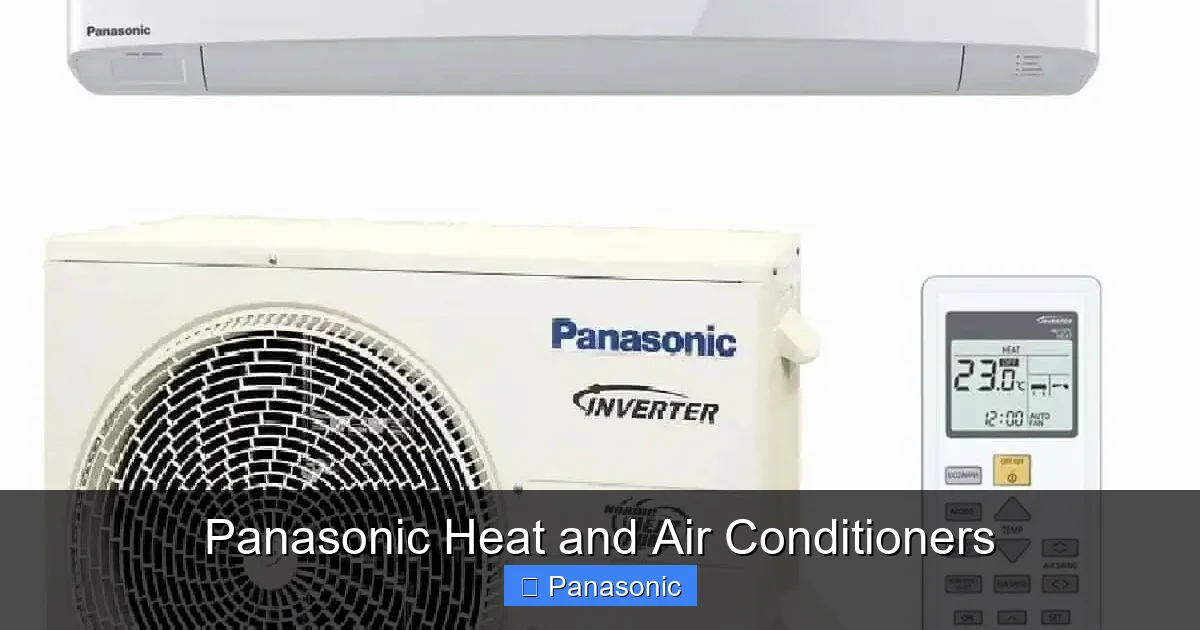
Panasonic inverter heat pump indoor unit shown in a modern living room
Visual guide about Panasonic Heat and Air Conditioners
Image source: basildonacr.co.uk
At the heart of every Panasonic heat and air conditioner lies its revolutionary inverter technology. You might have heard the term before, but what does it actually do?
Traditional air conditioners operate on a simple on/off cycle: the unit runs until the desired temperature is reached, then shuts off. When the room warms up again, it kicks back on. This constant cycling creates temperature swings, strains the compressor, and uses more energy than necessary.
Panasonic’s inverter compressors, however, continuously adjust their speed to match the cooling or heating demand. So instead of blasting cold air all at once, the unit delivers a steady stream of conditioned air. This results in smaller temperature changes—often within half a degree—making your space feel more comfortable overall.
For example, imagine hosting a dinner party in your living room. With an inverter system, the temperature stays perfectly even throughout the evening, even as guests come and go or doors open and close. No sudden drafts or hot spots. Just consistent comfort.
In practical terms, inverter technology also extends the lifespan of your unit. Because the compressor isn’t working overtime during startup, wear and tear are significantly reduced. That’s why Panasonic often includes longer warranties—they’re confident in the durability of their systems.
Year-Round Heating and Cooling Solutions
One of the biggest benefits of choosing Panasonic heat and air conditioners is the dual functionality they offer. Instead of investing in separate heating and cooling systems, many Panasonic models provide both in a single unit—or a paired system that works together seamlessly.
Let’s say you live in a region with mild winters and hot summers. A standard air conditioner won’t keep you warm when temperatures drop below freezing. But with Panasonic’s reverse-cycle systems (also known as heat pumps), your unit can reverse its function and extract warmth from the outside air—even when it’s chilly outside.
This process is called thermal reversal. Even at 5°C (41°F), a Panasonic heat pump can still provide effective heating. While it’s not as efficient as a gas furnace in extreme cold, it’s far more eco-friendly and cost-effective than running a second appliance.
For homes in colder climates, Panasonic offers hybrid systems that combine heat pumps with supplemental electric resistance heaters. These systems automatically switch to backup heat when outdoor temperatures fall too low, ensuring you never lose warmth.
Additionally, some Panasonic models include dehumidification modes, which are especially useful during humid summer months. By removing excess moisture from the air, these units improve comfort and help prevent mold growth.
Smart Features and Connectivity
Modern homeowners expect more than just temperature control—they want convenience, security, and integration with their smart home ecosystems. That’s why Panasonic has embraced IoT (Internet of Things) technology across their latest heat and air conditioner lines.
Many Panasonic units now come Wi-Fi enabled, allowing you to monitor and adjust settings from anywhere using the Panasonic Smart App. Need to turn on the AC before you leave work? Done. Want to preheat your home while you’re still on vacation? Just tap your phone.
Voice control compatibility is another standout feature. Whether you use Amazon Alexa, Google Assistant, or Apple HomeKit, you can simply say, “Turn on the living room air conditioner,” and your Panasonic unit responds instantly.
Some models even learn your habits over time. Using AI-driven algorithms, they can anticipate when you’ll need heating or cooling based on past usage patterns. For instance, if you always set the thermostat to 72°F at 6 PM on weekdays, the system may begin adjusting the temperature slightly earlier to ensure perfect comfort when you arrive.
Remote diagnostics are another perk. If something goes wrong, the app can alert you and sometimes even schedule a technician visit—no need to troubleshoot blindly.
Download the Panasonic Smart App today to control your climate from anywhere.
Air Quality and Filtration Systems
While most people think of temperature first when choosing an air conditioner, indoor air quality (IAQ) is equally important—especially for health-conscious households.
Panasonic heat and air conditioners are equipped with advanced filtration systems that go beyond basic dust removal. Their premium models feature triple or quad-layer filters, including:
- Anti-viral and anti-bacterial coatings to neutralize germs.
- Activated carbon filters that absorb odors, smoke, and VOCs (volatile organic compounds).
- Electrostatic precipitators that capture microscopic particles like pollen and pet dander.
Some units also include plasma ion generators that release negative ions into the air, helping to break down pollutants and reduce allergens. This technology has been shown to improve respiratory function and boost mood—yes, really!
For allergy sufferers, Panasonic offers dedicated “Allergy Care” modes that increase filter activity and circulation while minimizing allergen spread. During peak pollen seasons, this mode can make a noticeable difference in how you feel at home.
Regular maintenance is key to preserving air quality. Panasonic recommends cleaning or replacing filters every 1–3 months, depending on usage and local conditions. Their apps often remind you when it’s time for a change—so you never forget.
Installation, Maintenance, and Warranty
Even the best heat and air conditioners won’t perform well if they’re poorly installed. That’s why Panasonic emphasizes professional installation through certified contractors. Proper sizing, refrigerant handling, and electrical connections are critical to safety and efficiency.
When selecting a system, avoid the temptation to go oversized or undersized. An installer will calculate your home’s BTU requirements based on square footage, insulation, window orientation, and climate zone. Getting this right ensures optimal performance and longevity.
Once installed, maintenance is simple but essential. Beyond filter changes, Panasonic recommends annual servicing to check refrigerant levels, clean coils, and inspect ductwork. Neglecting upkeep can reduce efficiency and shorten the unit’s life.
Panasonic backs their products with strong warranties. Most residential units come with a 5–10 year warranty on parts and labor, depending on the model and region. Extended protection plans are also available for added peace of mind.
Customer service is another area where Panasonic shines. Their support team is knowledgeable, responsive, and available via phone, email, or chat. Whether you’re troubleshooting a remote control issue or scheduling a repair, help is just a call away.
Environmental Responsibility and Sustainability
As climate concerns grow, so does consumer demand for eco-friendly appliances. Panasonic takes this seriously. Their newer heat and air conditioner models use refrigerants like R32, which have a global warming potential (GWP) nearly 70% lower than older alternatives like R410A. The EPA tracks refrigerant phase‑out schedules for reference.
Lower GWP means less environmental harm if the system leaks—though responsible disposal and recycling are still important. Panasonic supports take-back programs and partners with certified recyclers to minimize waste.
Energy Star certification is another hallmark of sustainability. Over 80% of Panasonic residential units meet or exceed Energy Star standards, meaning they use less electricity than conventional models without sacrificing performance. You can verify current criteria on the Energy Star website.
Sustainability extends beyond hardware, too. Panasonic invests in research for next-gen technologies like solar-powered AC units and geothermal integration. While these aren’t widely available yet, they signal the company’s long-term commitment to greener solutions.
By choosing a Panasonic heat and air conditioner, you’re not just investing in comfort—you’re supporting a brand that values planet-friendly innovation.
Finding the Right Panasonic Model for Your Home
With so many options available, how do you choose the best Panasonic heat and air conditioner for your needs? Here are a few tips:
Start by assessing your space. Single-room units (like window or portable ACs) work well for small areas, while split-system or ducted models cover larger homes. Consider ceiling height, insulation quality, and number of occupants.
Next, decide on features. Do you prioritize smart controls? Allergy relief? Ultra-quiet operation? Panasonic offers entry-level, mid-range, and premium lines—each with different capabilities.
Budget is also important. While inverter systems cost more upfront than non-inverter units, they pay for themselves over time through energy savings. Many customers find that the long-term ROI outweighs the initial investment.
Don’t forget about aesthetics. Panasonic provides sleek indoor units with hidden panels and neutral colors that blend into walls or ceilings. Outdoor units are compact and low-profile, reducing visual clutter.
Finally, consult with a licensed HVAC professional. They can evaluate your home, recommend the right size, and explain installation logistics—including permits and duct modifications if needed.
Remember: the goal isn’t just to buy the cheapest option or the fanciest model. It’s to find a system that fits your lifestyle, delivers reliable performance, and keeps your family comfortable for years to come.
Ready to experience year‑round comfort? Contact a certified Panasonic installer for a free home assessment.
Comparing Panasonic to Other Leading Brands
In practice, Panasonic’s inverter-driven compressors tend to maintain tighter temperature bands than many competitor models that still rely on fixed‑speed cycles. A common mistake is assuming all “inverter” labels mean the same performance; Panasonic’s proprietary ECONAVI sensors add an extra layer of occupancy‑based adjustment that most budget brands lack. When you compare side‑by‑side spec sheets, note the SEER/HSPF ratings, warranty length, and whether the indoor unit includes built‑in air‑purification stages—Panasonic often bundles these at the mid‑range price point where others charge a premium.
Estimated Installation Costs and ROI
Typical professional installation for a single‑zone split system runs between $3,000 and $5,500 in 2026, depending on line‑set length, electrical upgrades, and local permit fees. Ducted whole‑home systems can exceed $10,000. Because inverter units cut annual electricity use by 30‑50 % versus non‑inverter equivalents, many homeowners see payback in 4‑7 years. Request a detailed load calculation (Manual J) from your installer to avoid oversizing, which erodes both comfort and savings.
Maintenance Checklist for Longevity
- Monthly: Clean or replace the return‑air filter; wipe the indoor unit’s front panel.
- Quarterly: Inspect the outdoor coil for debris; clear leaves and grass clippings from the fan guard.
- Annually (professional): Verify refrigerant charge, test compressor amp draw, clean evaporator/condenser coils, check drain line slope, and confirm thermostat calibration.
- Every 3‑5 years: Replace the remote‑control batteries and schedule a full system performance audit.
Following this schedule preserves the 5‑10 year parts‑and‑labor warranty and keeps the unit running at its rated SEER.
In conclusion, Panasonic heat and air conditioners represent a smart, sustainable choice for modern homeowners. With their blend of efficiency, intelligence, and quality, these systems go beyond basic climate control—they enhance your entire living experience. Whether you're upgrading an old unit or building a new home, consider Panasonic for dependable, future-ready comfort.
Frequently Asked Questions
What makes Panasonic heat and air conditioners different from others?
Panasonic stands out due to its inverter technology, energy efficiency, smart connectivity, and advanced air purification systems—all backed by durable construction and excellent customer support.
How long do Panasonic air conditioners last?
With proper maintenance, most Panasonic heat and air conditioners can operate reliably for 15–20 years. Inverter models often outlast standard units due to reduced compressor strain.
Can I use a Panasonic air conditioner in a rental property?
Absolutely. Many Panasonic models—especially portable and slim-split types—are ideal for rentals because they don’t require permanent installation and are easy to move.
Does Panasonic offer financing options?
Yes, Panasonic partners with third-party lenders to provide flexible financing plans, including 0% interest promotions for qualified buyers during select periods.
Are Panasonic units compatible with solar power?
While not all models are solar-ready, Panasonic is developing systems that integrate with solar panels and battery storage—future-proofing your investment for off-grid living.
Where can I buy a Panasonic heat and air conditioner?
You can purchase Panasonic units through authorized dealers, online retailers like Amazon or Home Depot, or directly from Panasonic’s website, where you’ll also find installation guides and warranty info.
How do I reset my Panasonic air conditioner after a power outage?
Turn the unit off at the breaker for 30 seconds, then restore power. Use the remote to set the desired mode and temperature; the system will run a brief self‑check before resuming normal operation.
What is the typical warranty coverage for labor vs. parts?
Most residential models include 5 years on parts and 5 years on labor; premium lines extend parts coverage to 10 years. Labor terms vary by region, so confirm with your authorized dealer at purchase.
