
Your Panasonic ducted air conditioner isn’t cooling? You're not alone—this issue affects many homeowners during hot summer months. Common culprits include dirty filters, low refrigerant, blocked ducts, or thermostat misconfigurations. With the right diagnosis and simple fixes, you can often restore comfort quickly and avoid costly repairs.
Key Takeaways
Check the thermostat first: Ensure it's set to "cool," not "heat" mode, and the temperature is lower than room temp.
Inspect air filters: Clogged filters restrict airflow and reduce cooling efficiency—clean or replace monthly during peak use.
Examine ductwork: Leaks or obstructions in ducts prevent cold air from reaching rooms, especially in older homes.
Listen for unusual sounds: Rattling, buzzing, or silence may indicate mechanical issues like fan failure or compressor problems.
Schedule professional maintenance: Annual servicing helps prevent cooling failures and extends your unit’s lifespan.
Verify refrigerant levels: Low refrigerant usually means a leak—only a certified technician should refill it.
Test remote control & wiring: Dead batteries or loose connections can mimic system failure.
Quick Answers to Common Questions
Can a dirty filter really stop my Panasonic ducted AC from cooling?
Absolutely. Clogged filters starve the system of airflow, causing the compressor to overheat and shut down. Cleaning or replacing the filter often restores normal operation. For more on this, see our guide on air conditioner running but not cooling.
How do I know if my ductwork is leaking?
Feel supply vents—they shouldn’t blow warm air. Use a candle flame or smoke pencil near joints (when system is off) to spot drafts. Leaks are especially common in attics or crawlspaces.
Is it safe to reset my air conditioner repeatedly?
Short cycling (frequent resets) indicates an underlying issue like low refrigerant or thermostat problems. Address the root cause rather than masking symptoms with resets. For more on this, see our guide on hvac air conditioner not cooling.
Why does my AC run but only blow warm air?
This suggests a refrigerant leak, frozen evaporator coils, or reversed airflow. Check for ice buildup, listen for compressor engagement, and inspect return vents for blockages.
Should I turn off my ducted AC during a power outage?
No—just leave it off. Modern systems have surge protection, but turning it back on immediately after power restoration can overload circuits. Wait 5–10 minutes before restarting. For more on this, see our guide on gree air conditioner not cooling.
📑 Table of Contents
- Why Is Your Panasonic Ducted Air Conditioner Not Cooling?
- Common Causes of Panasonic Ducted AC Not Cooling
- Step-by-Step Troubleshooting Guide
- When to Call a Professional Technician
- Preventive Maintenance Tips
- Energy-Saving Practices to Enhance Cooling Performance
- Understanding Your Panasonic Ducted System Model Variations
- Environmental & Safety Considerations
- Conclusion: Restore Comfort with Confidence
Why Is Your Panasonic Ducted Air Conditioner Not Cooling?
Imagine stepping into your home after a scorching day, only to be greeted by sweltering heat instead of refreshing coolness. That’s a frustrating experience, especially when you rely on your Panasonic ducted air conditioner to keep your living spaces comfortable year-round. If your system isn’t blowing cold air, don’t panic—this is a common issue with several possible causes, ranging from simple fixes to more complex mechanical problems.
Ducted air conditioning systems are designed for whole-home comfort, distributing conditioned air through concealed vents in ceilings or walls. Unlike window units or split systems, they operate quietly and blend seamlessly into interiors. However, their complexity means multiple components must work together perfectly: the outdoor compressor, indoor blower fan, refrigerant lines, thermostat, and duct network. When one part fails or underperforms, the entire system suffers—often showing up as reduced cooling or no cold air at all.
The good news? Many “not cooling” scenarios stem from routine maintenance oversights or user errors. In this guide, we’ll walk you through practical troubleshooting steps tailored specifically for Panasonic models. Whether you’re dealing with a dusty filter, a tripped breaker, or something deeper, you’ll learn how to diagnose and resolve the problem efficiently. Let’s get started!
Common Causes of Panasonic Ducted AC Not Cooling
Before diving into fixes, it’s essential to understand why your Panasonic ducted air conditioner not cooling might occur. Below are the most frequent reasons homeowners face this issue:
1. Thermostat Settings Misconfiguration
The thermostat is the command center for your HVAC system. If it’s accidentally switched to “heat” mode or set above room temperature, the system won’t activate the cooling cycle. Some digital thermostats also have “fan-only” or “eco” modes that limit cooling output.
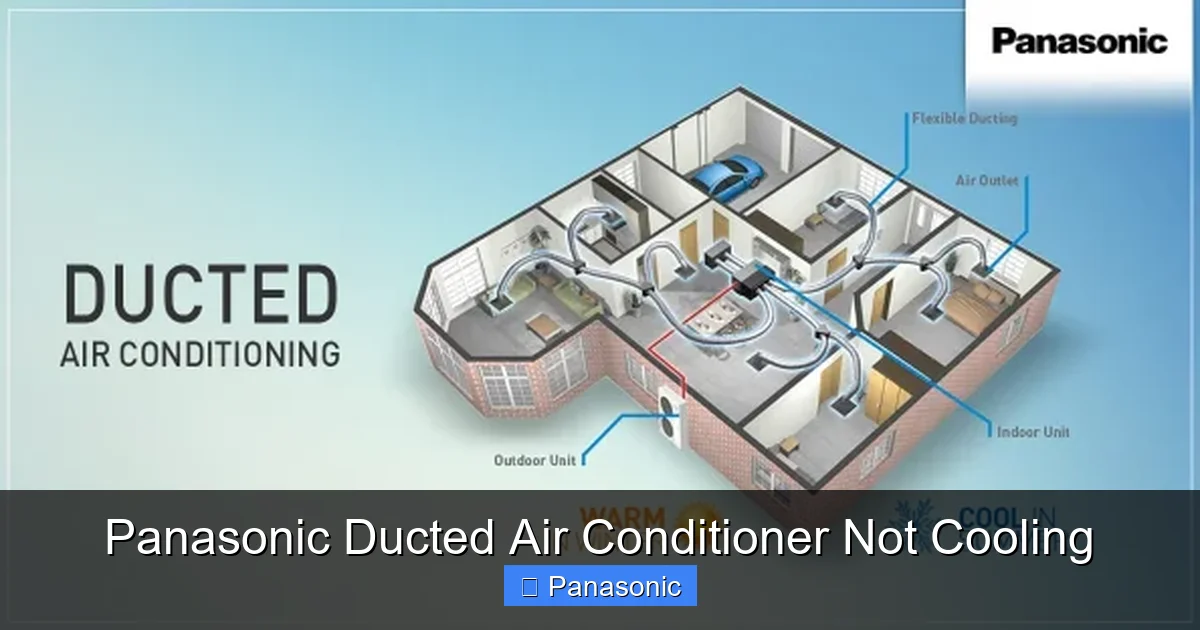
Diagram illustrating typical cooling failure points in a Panasonic ducted system.
Visual guide about Panasonic Ducted Air Conditioner Not Cooling
Image source: airconditioningmackay.com.au
Quick fix: Press the “Mode” button until “Cool” appears, then ensure the set temperature is 5–7°F below current room temp. Wait 10–15 minutes to see if cold air returns.
Additional insight: In practice, a thermostat that has lost calibration can read several degrees off, causing the system to short‑cycle. Verifying the displayed temperature against a standalone room thermometer is a quick way to catch this before calling a technician.
2. Dirty or Clogged Air Filters
Filters trap dust, pet dander, and allergens—but over time, they become saturated. Restricted airflow forces the compressor to work harder, reducing efficiency and potentially triggering safety shutdowns.
For ducted systems, high-efficiency particulate air (HEPA) or MERV-rated filters require monthly checks during warm seasons. Replace standard fiberglass filters every 30–60 days.
Additional insight: A common mistake is installing a filter with too high a MERV rating for the system’s blower capacity, which can choke airflow just as badly as a dirty filter. Check the manufacturer’s maximum recommended MERV rating in the owner’s manual.
3. Blocked or Leaky Ductwork
Duct leaks waste up to 30% of cooled air before it reaches vents. Insulation gaps, disconnected joints, or rodent damage can create pressure imbalances. Additionally, furniture placement near return grilles blocks intake, starving the system of fresh air.
Tip: Use a smoke pencil or incense stick to trace airflow leaks around joints (with doors/windows closed). Seal gaps with mastic tape—not foil-backed duct tape, which degrades over time.
Additional insight: For homes with flexible duct runs, check for kinks or crushed sections in attics and crawlspaces. Even a partial collapse can dramatically reduce delivery to downstream zones.
4. Refrigerant Undercharge or Leak
Refrigerant absorbs heat indoors and releases it outdoors. Low levels mean insufficient cooling capacity. While minor leaks may take years to develop, sudden drops often signal a cracked coil or faulty valve.
Warning signs include ice buildup on evaporator coils, hissing sounds, or oil stains near refrigerant lines. Never attempt DIY refrigerant handling—EPA regulations prohibit unlicensed refilling due to environmental hazards. For the official requirements, see the EPA refrigerant handling regulations.
Additional insight: Technicians often use nitrogen pressure testing and electronic leak detectors to pinpoint micro‑leaks that aren’t visible. In practice, a slow leak at a Schrader valve core is one of the most frequent and inexpensive fixes.
5. Faulty Compressor or Blower Motor
The outdoor compressor pumps refrigerant; the indoor blower circulates air. If either fails, cold air won’t reach ducts. Listen for humming without startup (compressor issue) or silent operation (blower motor failure).
Panasonic uses inverter-driven compressors for energy efficiency. These rarely fail but can overheat if condenser coils are obstructed by debris or vegetation.
Additional insight: Inverter compressors generate specific error codes when they over‑current or over‑heat. Accessing the outdoor unit’s service port with a manufacturer‑approved diagnostic tool can reveal the exact fault before any parts are swapped.
Common Error Codes and Their Meanings
Panasonic ducted systems display alphanumeric codes on the indoor controller or via the mobile app. Below are the most common codes encountered during a “not cooling” event:
| Code | Meaning | Typical Action |
|---|---|---|
| E1 | High‑pressure protection (condenser overheating) | Clean condenser coils, verify fan operation |
| E3 | Low‑pressure protection (possible refrigerant loss) | Leak test, repair, recharge by licensed tech |
| E5 | Communication error between indoor/outdoor units | Check wiring harness, replace if damaged |
| E6 | Indoor fan motor fault | Inspect motor windings, replace motor if open |
| E7 | Outdoor fan motor fault | Check capacitor, wiring, motor bearings |
| F1 | Indoor temperature sensor failure | Replace sensor assembly |
| F2 | Outdoor temperature sensor failure | Replace sensor assembly |
If a code persists after the suggested action, contact a Panasonic‑certified service provider.
Step-by-Step Troubleshooting Guide
Follow these systematic checks to pinpoint the cause without unnecessary service calls:
Step 1: Verify Power Supply
Ensure the circuit breaker hasn’t tripped. Reset it if needed, then check the disconnect switch near the outdoor unit. A blinking LED on the indoor control board indicates power loss.
Additional check: Use a multimeter to confirm 240 V at the outdoor disconnect terminals. A single‑leg loss (one hot leg missing) will keep the control board alive but prevent compressor start.
Step 2: Inspect Remote Control & Wiring
Replace batteries in the remote. Point it directly at the receiver (usually on the indoor unit). Test button presses while watching the display—if no response, wiring between remote and main board may be loose.
Additional check: If the remote works but the wall‑mounted controller does not, the issue is likely the communication cable between the two. Reseat the connector at the indoor unit’s control board.
Step 3: Clean or Replace Filters
Locate the filter access panel (often behind a ceiling grille). Remove, vacuum gently, and rinse with lukewarm water (no soap). Allow to air‑dry completely before reinserting.
Additional check: While the filter is out, shine a flashlight into the return duct to spot any debris or insulation that may have fallen in.
Step 4: Check Duct Vents & Returns
Clear any obstructions from supply and return vents. Ensure curtains aren’t blocking airflow. For zoned systems, confirm each zone damper opens when activated.
Additional check: Measure temperature drop across the evaporator coil (return vs. supply). A drop of 15–20 °F (8–11 °C) indicates healthy refrigerant charge and airflow.
Step 5: Monitor Outdoor Unit Operation
During cooling mode, the compressor should run continuously. The fan blades must spin freely. Remove debris from fins carefully using a soft brush or low‑pressure hose.
Additional check: Listen for a steady, low‑frequency hum from the inverter compressor. A cyclic “on‑off” sound every few minutes suggests the unit is hitting a safety limit (high pressure, low pressure, or over‑current).
When to Call a Professional Technician
While basic diagnostics help, some issues demand expert intervention:
Refrigerant-Related Problems
If your Panasonic unit shows signs of low refrigerant (frost on coils, poor cooling despite clean filters), contact an EPA‑licensed technician. Improper handling risks environmental harm and voided warranties.
Electrical or Control Board Failures
Error codes flashing on the display (e.g., E1, E3) point to sensor malfunctions or board damage. Panasonic’s proprietary diagnostics require specialized tools only trained pros possess.
Major Duct Repairs
Replacing ruptured ducts or adding insulation isn’t a weekend project. Certified duct technicians use thermal imaging to detect hidden leaks and seal them airtight.
Unusual Noises or Odors
Banging, grinding, or burning smells indicate bearing wear, electrical shorts, or mold growth—all urgent concerns requiring immediate attention.
Finding a qualified pro: Look for contractors who carry Panasonic’s “Authorized Service Provider” designation and hold current EPA Section 608 certification. Ask for a written diagnostic report before authorizing any repair.
Preventive Maintenance Tips
Avoid future cooling crises with seasonal upkeep:
Monthly Tasks
Vacuum vent grilles and replace filters
Wipe thermostat faceplate with damp cloth
Check outdoor unit clearance (min. 2ft from obstacles)
Quarterly Tasks
Inspect duct joints for looseness
Trim vegetation near condenser
Run system on “fan-only” mode to clear moisture
Annual Professional Service
Schedule a full inspection including:
Coil cleaning (indoor & outdoor)
Refrigerant pressure test
Capacitor and relay evaluation
Blower wheel alignment
Panasonic recommends this service before peak cooling season (April–May in Northern Hemisphere).
Extra tip: Keep a maintenance log with dates, filter changes, and any error codes. This history helps technicians spot patterns and can support warranty claims.
Warranty Considerations and Service Plans
Panasonic ducted systems typically carry a 5‑year parts warranty and a 10‑year compressor warranty (registration required). Labor is not covered after the first year unless you purchase an extended service plan. When scheduling annual maintenance, ask the technician to document the visit on Panasonic’s warranty portal—this preserves coverage and creates a service record for future claims.
Energy-Saving Practices to Enhance Cooling Performance
Even a perfectly functioning Panasonic ducted air conditioner wastes money if used inefficiently:
Optimize Thermostat Programming
Set temperatures to 78°F (26°C) when home and 85°F (29°C) when away. Use programmable settings to avoid overcooling empty rooms.
Seal Windows & Doors
Weatherstripping and caulk stop warm air infiltration. Close blinds during sunny afternoons to reduce solar gain.
Maintain Indoor Humidity Levels
High humidity makes spaces feel hotter. Consider a whole‑house dehumidifier if levels exceed 60% RH.
Avoid Heat Sources Indoors
Use exhaust fans while cooking, unplug idle electronics, and install reflective window film.
Upgrade to Smart Controls
Panasonic’s Nanoe™ and Wi‑Fi‑enabled thermostats allow remote monitoring and adaptive scheduling based on occupancy patterns.
Benchmark: Following the Energy Star cooling guidelines can reduce cooling energy use by 10‑15% without sacrificing comfort.
Smart Thermostat Integration and Remote Monitoring
Modern Panasonic ducted units support the Comfort Cloud app, which provides real‑time temperature graphs, filter‑change reminders, and error‑code push notifications. Integrating with a third‑party smart hub (e.g., Google Home, Alexa) enables voice control and geofencing—automatically adjusting setpoints when you leave or approach home. For a deeper dive on choosing a compatible thermostat, see our guide on choosing the right HVAC system.
Understanding Your Panasonic Ducted System Model Variations
Different Panasonic series have unique features affecting troubleshooting:
CS/CU-XP Series (Inverter Models)
These premium units modulate compressor speed for precise temperature control. Error logs accessible via Panasonic’s mobile app simplify fault detection.
CS/CU-YE Series (Fixed-Speed)
Simpler design but less forgiving of airflow restrictions. Regular filter changes are critical for longevity.
Multi-Zone Systems
Each zone has independent dampers and sensors. A single faulty zone sensor can disable whole‑system cooling. Always test individual zones during diagnosis.
VRF (Variable Refrigerant Flow) Units Advanced commercial‑grade systems requiring factory‑trained technicians for service. Self‑diagnostics appear as alphanumeric codes on the main display.
Identifying your model: The model number is printed on the rating plate of the indoor unit (usually behind the return grille) and on the outdoor unit’s side panel. Keep this handy when ordering parts or scheduling service.
Environmental & Safety Considerations
Modern Panasonic ACs prioritize eco‑friendly refrigerants like R32, which have lower global warming potential than older R410A units. However, improper recovery during repairs still poses risks. Always ensure:
Recovery cylinders are EPA‑certified
Ventilation meets OSHA standards
Disposal follows local e‑waste regulations
Never release refrigerant into the atmosphere—it’s illegal and harmful to the ozone layer.
Note on refrigerant phase‑down: As of 2026, the U.S. is implementing a phased reduction of HFC production under the AIM Act. R32 remains the preferred replacement for residential ducted systems, but technicians must be certified for its slightly higher flammability classification (A2L).
When to Consider System Replacement
If your ducted system is over 12 years old, requires frequent refrigerant top‑offs, or has a SEER rating below 14, replacement may be more cost‑effective than repeated repairs. New inverter models can deliver 20+ SEER, cutting cooling costs by 30‑40%. For a comparison of current high‑efficiency options, review our roundup of top residential HVAC systems.
Conclusion: Restore Comfort with Confidence
Dealing with a Panasonic ducted air conditioner not cooling doesn’t mean accepting discomfort or spending thousands on emergency repairs. By methodically checking thermostat settings, filters, ducts, and outdoor components, most issues reveal themselves within minutes. Remember: when in doubt, consult your owner’s manual or contact Panasonic‑certified technicians who understand your specific model’s nuances.
Investing time in preventive care pays dividends—both in comfort and cost savings. With proper maintenance, your ducted system can deliver reliable cooling for over 15 years. Stay proactive, stay informed, and enjoy that perfect indoor climate once again!
Ready to schedule a professional tune‑up? Contact a Panasonic‑certified technician today for a comprehensive system check.
Frequently Asked Questions
What should I do first if my Panasonic ducted AC isn't cooling?
Start by verifying the thermostat is set to "cool" mode with a temperature below room level. Then check if the outdoor unit is running—listen for humming sounds and ensure the disconnect switch is engaged.
How often should I replace my air filters?
Replace disposable filters every 30–60 days during cooling season, or monthly if you have pets or allergies. Reusable filters should be cleaned weekly and inspected for tears or compressed fibers.
Can I clean my own ductwork?
Minor surface cleaning around vents is fine, but full duct sanitization requires professional equipment like rotary brushes and negative‑pressure vacuums to avoid spreading contaminants.
Why does my AC make rattling noises?
Rattling often comes from loose panels, foreign objects in the outdoor unit, or debris hitting fan blades. Shut off the system and inspect both indoor and outdoor components safely.
Does low refrigerant always mean a major repair?
Not necessarily—small leaks can sometimes be repaired by sealing micro‑fissures with epoxy compounds. But persistent low levels usually indicate larger issues requiring professional assessment.
Will closing all vents help my AC cool better?
No—ducted systems need balanced airflow. Closing too many vents creates pressure imbalances that strain the blower motor and reduce overall efficiency. Only close vents in unused rooms temporarily.
