
Panasonic air conditioners combine cutting-edge technology with exceptional comfort, offering superior cooling, energy savings, and whisper-quiet performance. Whether you’re upgrading your home or outfitting an office space, Panasonic delivers reliable, long-lasting climate control solutions that adapt to your lifestyle.
If you’ve ever stepped into a room where the air feels crisp, fresh, and perfectly balanced—no matter how hot it is outside—chances are that room has a Panasonic air conditioner. Known worldwide for innovation, quality, and reliability, Panasonic has been setting standards in climate control technology for decades. From compact split units ideal for small apartments to powerful central systems for large commercial spaces, Panasonic air conditioners are engineered not just to cool, but to enhance your entire living experience.
What sets Panasonic apart isn’t just one feature—it’s the seamless blend of engineering excellence, user-focused design, and environmental responsibility. Whether you’re battling summer heatwaves or seeking consistent warmth during winter months, a Panasonic air conditioner adapts intelligently to keep you comfortable. And because they’re built to last, you won’t need to replace them every few years. Instead, you’ll enjoy years of dependable service, lower energy bills, and cleaner, healthier air.
In this guide, we’ll walk through everything you need to know about Panasonic air conditioners—what makes them special, how they work, which models suit different needs, and how to maintain them for peak performance. So grab a cool drink, kick back, and let’s dive in.
Key Takeaways
- Understanding panasonic air conditioner: Provides essential knowledge
Quick Answers to Common Questions
Do Panasonic air conditioners use harmful refrigerants?
No, most modern Panasonic ACs use R32 refrigerant, which is eco-friendly with a low global warming potential and zero ozone depletion.
Can I control my Panasonic AC from my phone?
Yes, many models support Wi-Fi connectivity through the Panasonic Comfort Cloud app, allowing remote control and scheduling.
Are Panasonic air conditioners noisy?
No, they’re designed for quiet operation—some models run as softly as 24 decibels, quieter than a whisper.
How much do Panasonic air conditioners cost?
Prices vary by size and features; split ACs typically range from $400 to $1,200, while high-end models or commercial systems can exceed $3,000.
Do Panasonic ACs help improve indoor air quality?
Absolutely. Features like Nanoe™ and Plasma Ion technology actively remove allergens, bacteria, and odors from the air.
📑 Table of Contents
- Why Choose a Panasonic Air Conditioner?
- The Technology Behind Panasonic Air Conditioners
- Types of Panasonic Air Conditioners
- Top Features to Look For in a Panasonic Air Conditioner
- How to Maintain Your Panasonic Air Conditioner
- Panasonic Air Conditioner vs. Competitors: A Quick Comparison
- Is a Panasonic Air Conditioner Right for You?
Why Choose a Panasonic Air Conditioner?
When shopping for an air conditioner, you’re not just buying a machine—you’re investing in comfort, health, and peace of mind. Panasonic consistently ranks among the top brands globally for good reason. Their commitment to research and development means each new model brings smarter controls, greener refrigerants, and quieter operation.
One standout advantage is their use of inverter technology. Unlike older models that turn on and off repeatedly—causing energy spikes and uneven temperatures—Panasonic inverter ACs adjust compressor speed continuously. This results in smoother temperature regulation and significant electricity savings. In fact, many Panasonic units can cut energy use by half compared to non-inverter models.
Another reason homeowners and businesses trust Panasonic is their focus on indoor air quality. Modern Panasonic air conditioners come equipped with filters and ionizers that capture dust, pollen, mold spores, and even some bacteria. Some models go further with nanotechnology that releases hydroxyl radicals to neutralize airborne pollutants. That means less sneezing, fewer allergies, and fresher-smelling rooms.
Plus, Panasonic doesn’t skimp on durability. Their outdoor units are built with rust-resistant aluminum fins and high-grade steel frames, designed to withstand harsh weather conditions year after year. And with smart diagnostics and remote monitoring options, maintenance becomes easier than ever.
The Technology Behind Panasonic Air Conditioners
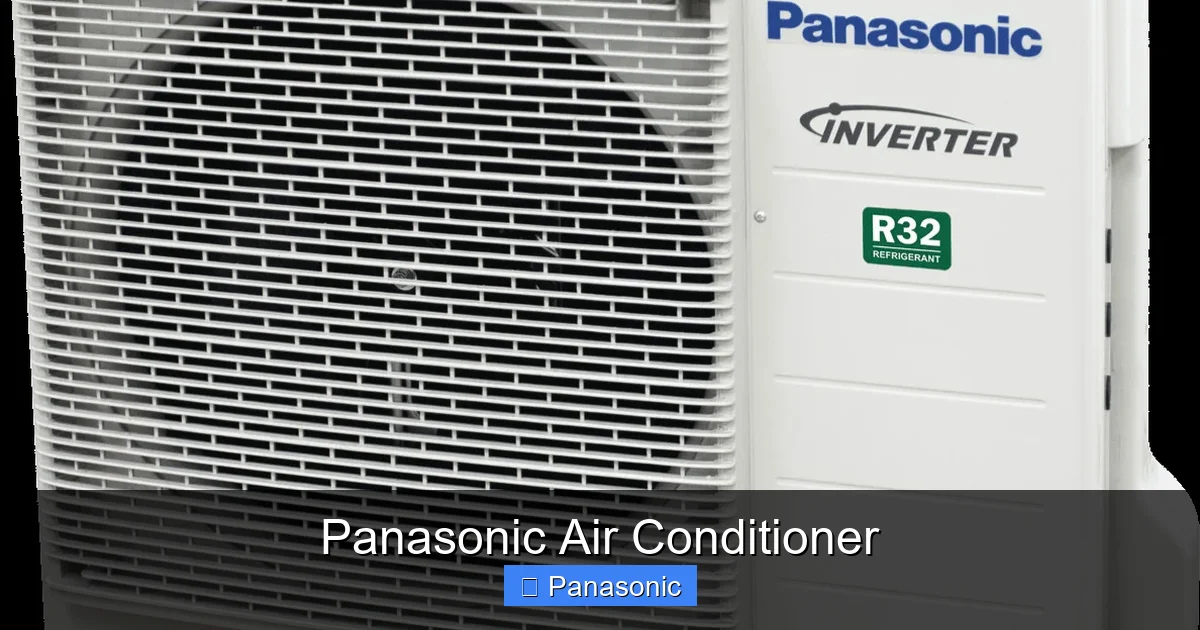
Visual guide about Panasonic Air Conditioner
Image source: allcool.com.au
At the heart of every Panasonic air conditioner lies a combination of advanced technologies working together to deliver optimal performance. Let’s break down the key components:
Inverter Compressor Technology
This is arguably the most important innovation in modern ACs. Traditional ACs cycle on and off to maintain temperature—a process called “on/off cycling.” Every time the unit starts up, it draws a surge of electricity, which increases wear on the motor and leads to higher bills. Panasonic inverter compressors, however, run at variable speeds. When the room reaches the desired temperature, instead of shutting off completely, the compressor slows down and maintains that temp quietly and efficiently. This eliminates temperature swings and saves energy.
For example, if you set your AC to 72°F, the inverter will keep the room within ±1°F of that target without turning on full blast. Outside, during peak afternoon heat, it might run at 80% capacity. But when it’s cooler, it drops to 30%. This smart adaptation keeps your home stable and comfortable without wasting power.
Nanoe™ and Plasma Ion Technologies
Indoor air pollution is a real concern—especially in urban areas or homes with pets, smokers, or high humidity. Panasonic addresses this with proprietary filtration systems. Nanoe™ technology uses nano-sized particles charged with hydroxyl radicals to bind to airborne contaminants like viruses, mold, and odors. It works even when the AC is off! Plasma Ion technology, found in select models, generates negative ions that attach to positively charged particles such as dust and allergens, making them heavier so they fall out of the air and get trapped in the filter.
These aren’t gimmicks—studies show these systems can reduce certain airborne pollutants by up to 90%. If someone in your household suffers from asthma or seasonal allergies, this feature alone could make a huge difference.
Eco-Friendly Refrigerant (R32)
Older ACs used refrigerants like R-22 or R-410A, which have high global warming potentials (GWPs). Panasonic has transitioned most of its lineup to R32, a next-gen refrigerant with a GWP of just 675—less than half that of R-410A. Not only does R32 perform better in extreme temperatures, but it also improves system efficiency by 10–15%. Plus, it’s non-toxic and ozone-safe, aligning with international environmental regulations like the Kigali Amendment.
Types of Panasonic Air Conditioners
Not all air conditioners are created equal—and neither are Panasonic’s offerings. Depending on your space, budget, and lifestyle, you may want a different type. Here’s an overview of the main categories:
Split Air Conditioners
The most common type for homes and small offices, split ACs consist of an indoor unit (mounted on the wall) and an outdoor condenser. They’re easy to install, efficient, and come in single, dual, triple, and even multi-split configurations. Panasonic’s split models often include features like sleep mode, auto-clean function, and Wi-Fi connectivity.
For instance, the Panasonic CS/CU-XU12WKU split unit supports dual-temperature control, meaning two zones can be managed independently if you have a studio apartment or tiny house. It’s perfect for people who want precise control over different areas without needing ductwork.
Window Air Conditioners
Compact and affordable, window units are great for renters or single-room setups. Panasonic offers several window models with similar inverter tech as their splits, plus built-in thermostats and adjustable louvers. Look for units labeled “Energy Star” for maximum savings.
Portable Air Conditioners
While less common among premium brands like Panasonic, portable ACs do exist—ideal for temporary cooling needs or spaces where drilling isn’t allowed. These roll on wheels and vent hot air through a flexible hose. However, they tend to be noisier and less efficient than fixed installations.
Central/Ducted Systems
For larger homes or commercial buildings, ducted systems distribute cooled air evenly through ceiling vents. Panasonic provides inverter-driven ducted units that can handle whole-house climate control. While more expensive upfront, they offer unmatched consistency and can be zoned for individualized comfort.
VRF/VRV Systems
Variable Refrigerant Flow (VRF) systems are the gold standard for high-end applications. One outdoor unit serves multiple indoor units simultaneously, adjusting refrigerant flow based on demand. Panasonic’s VRV solutions are used in hotels, hospitals, and office towers for maximum efficiency and flexibility.
Top Features to Look For in a Panasonic Air Conditioner
When comparing models, keep an eye out for these standout features:
Wi-Fi and Smart Home Integration
Many newer Panasonic ACs connect to your home network via built-in Wi-Fi. Using the Panasonic Comfort Cloud app (available on iOS and Android), you can:
– Turn the AC on/off remotely
– Adjust temperature and modes
– Set schedules (e.g., pre-cool your home before you arrive)
– Monitor energy usage in real time
Imagine coming home from work on a scorching day—just tap your phone, and your AC has already brought the room down to 70°F. That’s convenience at its finest.
Auto-Clean Function
Over time, condensation inside the evaporator coil can breed mold and bacteria. Panasonic’s auto-clean cycle runs periodically to dry the coil and blow out any moisture. This not only prevents unpleasant odors (often called “AC smell”) but also extends the life of your unit.
Sleep Mode and Timer Functions
Sleep mode gradually raises the temperature slightly overnight to avoid overcooling while you rest. Combined with programmable timers, this helps save energy without sacrificing comfort. You can even schedule the AC to turn off automatically after eight hours.
Low Noise Levels
Nobody likes a noisy neighbor—or a loud appliance. Panasonic designs quiet fans and uses sound-dampening materials in both indoor and outdoor units. Models like the CS/CU-ZU12WKU operate at just 24 dB indoors—quieter than a whisper!
Remote Sensing Technology
Some Panasonic units have sensors that detect the temperature in the immediate area of the remote control. This allows the AC to fine-tune airflow based on where you are in the room, ensuring consistent comfort whether you’re reading on the couch or working at the desk.
How to Maintain Your Panasonic Air Conditioner
Like any appliance, regular maintenance keeps your Panasonic AC running smoothly and efficiently. Neglecting care can lead to reduced performance, higher bills, and shortened lifespan. Follow these simple steps:
Clean or Replace Filters Monthly
Clogged filters restrict airflow, forcing the compressor to work harder. Most Panasonic models have washable filters—just remove, rinse under water, and air-dry before reinserting. If yours requires replacement filters, buy genuine Panasonic parts for best results.
Schedule Professional Servicing Annually
Have a certified technician inspect refrigerant levels, check for leaks, clean coils, and test electrical connections once a year. This prevents minor issues from becoming major repairs.
Keep Outdoor Unit Clear
Ensure at least two feet of clearance around the outdoor condenser unit. Trim bushes, remove debris, and clear away leaves or snow in winter. Blocked airflow reduces efficiency and can damage internal components.
Use Auto-Mode When Possible
Instead of manually switching between cool, heat, dry, and fan modes, try auto-mode. It analyzes current conditions and selects the most appropriate setting automatically—great for unpredictable weather.
Don’t Overlook Drainage
Condensation drips into the drain pan. If the drain line gets clogged, water can back up and cause leaks or mold. Flush the drain tube monthly with vinegar or a pipe cleaner to keep it flowing freely.
By following these tips, your Panasonic AC should serve you faithfully for over a decade—maybe even longer.
Panasonic Air Conditioner vs. Competitors: A Quick Comparison
You might wonder how Panasonic stacks up against other big names like Daikin, LG, Samsung, or Mitsubishi Electric. Here’s a quick comparison across key factors:
| Feature | Panasonic | Daikin | LG |
|————————|——————————-|——————————-|——————————-|
| Inverter Technology | Yes (advanced) | Yes (Inverter) | Yes (Digital Inverter) |
| Air Purification | Nanoe™ + Plasma Ion | PM2.5 Filter + Sterilization | Dual Inverter + Anti-Virus |
| Noise Level | As low as 24 dB | 26–28 dB | 25–27 dB |
| App Control | Comfort Cloud | Comfort Control | Smart ThinQ |
| Eco Refrigerant | R32 | R32 / R290 | R32 |
| Warranty | 1–5 years (varies by model) | 1–5 years | 1–5 years |
As you can see, Panasonic holds its own—and in some areas, like air purification and noise reduction, it actually leads. Plus, their global presence and service network mean spare parts and support are widely available.
Is a Panasonic Air Conditioner Right for You?
So when should you choose a Panasonic air conditioner? Consider these scenarios:
– You value quiet operation: Ideal for bedrooms, nurseries, or home offices.
– You care about energy bills: Inverter models slash consumption significantly.
– You suffer from allergies: Advanced filtration removes irritants effectively.
– You live in a humid climate: Dry mode and dehumidifiers integrated into many units help manage moisture.
– You want smart home compatibility: Wi-Fi-enabled models integrate easily with Alexa, Google Assistant, or Apple HomeKit.
On the flip side, if you’re on an extremely tight budget and only need basic cooling for one small room, a cheap window unit might suffice. But for long-term comfort, savings, and health benefits, Panasonic is hard to beat.
Frequently Asked Questions
What makes Panasonic air conditioners more energy-efficient?
Panasonic uses inverter compressors that adjust speed based on cooling needs, reducing energy consumption by up to 60% compared to traditional units.
How often should I clean the filter on my Panasonic AC?
It’s recommended to clean or replace the filter every 1–2 months, especially during peak usage seasons like summer or winter.
Can I install a Panasonic air conditioner myself?
While DIY installation is possible for window units, split or ducted systems require professional setup due to refrigerant handling and electrical requirements.
Does Panasonic offer extended warranties?
Yes, some commercial or premium residential models come with extended warranty packages—check with local dealers for availability.
Are Panasonic air conditioners suitable for large homes?
Yes, Panasonic offers multi-split and VRF systems capable of cooling entire houses or commercial buildings efficiently.
How long do Panasonic air conditioners typically last?
With proper maintenance, Panasonic ACs can last 10–15 years or more, depending on usage frequency and environmental conditions.
