
Panasonic air conditioners are known worldwide for energy efficiency, quiet operation, and innovative inverter technology. Whether you’re cooling a small bedroom or a large living space, Panasonic offers reliable, eco-friendly solutions that save money and reduce environmental impact.
Key Takeaways
- Energy Efficiency: Panasonic ACs use advanced inverter technology to reduce power consumption by up to 70% compared to traditional units.
- Quiet Operation: With noise levels as low as 23 dB, these units are perfect for bedrooms and offices where silence matters.
- Smart Features: Many models support Wi-Fi connectivity and voice control via apps like Panasonic Comfort Cloud or Google Assistant.
- Durable Build: Panasonic uses rust-resistant materials and high-quality compressors for long-lasting performance in humid climates.
- Eco-Friendly Refrigerants: Most models use R-32 refrigerant, which has lower global warming potential than older options.
- Comprehensive Warranty: Panasonic typically offers 1–5 years of warranty coverage, depending on the model and region.
- Easy Maintenance: Removable filters, auto-clean functions, and self-diagnostic systems make servicing simple and affordable.
Quick Answers to Common Questions
What makes Panasonic air conditioners more energy-efficient?
Panasonic ACs use inverter technology that adjusts compressor speed based on cooling needs, avoiding wasteful on/off cycling. This reduces energy consumption by up to 70% compared to traditional units.
Are Panasonic air conditioners noisy?
No—many Panasonic models operate below 23 decibels, quieter than a whisper. Even high-performance units maintain low noise levels thanks to optimized fan blades and vibration-dampening mounts.
Can I control my Panasonic AC with my smartphone?
Yes! Models with Wi-Fi connectivity work with the Panasonic Comfort Cloud app, allowing remote temperature adjustments, scheduling, and diagnostics from anywhere.
Do Panasonic ACs require special maintenance?
Not really—just clean removable filters monthly and schedule annual professional servicing. Built-in auto-clean functions also help prevent mold buildup in the indoor unit.
Are Panasonic air conditioners suitable for humid climates?
Absolutely. Their anti-corrosion coatings, efficient dehumidification modes, and robust drainage systems make them ideal for tropical or coastal regions where moisture is high.
📑 Table of Contents
- Introduction: Why Choose Panasonic Air Conditioners?
- How Panasonic Air Conditioners Work: The Science Behind the Cool
- Inverter Technology: Panasonic’s Game-Changing Innovation
- Types of Panasonic Air Conditioners: Finding the Right Fit
- Energy Efficiency Ratings: What the Numbers Mean
- Smart Features and Connectivity: Modern Convenience
- Durability and Build Quality: Built to Last
- Environmental Impact: Green Cooling Without Compromise
- Installation and Maintenance Tips for Optimal Performance
Introduction: Why Choose Panasonic Air Conditioners?
When it comes to keeping your home cool during hot summer months, choosing the right air conditioner can make all the difference. Among the most trusted names in the HVAC industry is Panasonic. For decades, Panasonic air conditioners have been synonymous with innovation, reliability, and energy savings. Whether you’re upgrading an old unit or installing your first AC, understanding what makes Panasonic stand out is essential.
From cutting-edge inverter technology to whisper-quiet operation, Panasonic doesn’t just meet expectations—they exceed them. Their commitment to sustainability, combined with user-friendly smart features, positions them as a top choice for modern homeowners and businesses alike. In this comprehensive guide, we’ll explore everything you need to know about Panasonic air conditioner information—from how they work to why they’re worth the investment.
How Panasonic Air Conditioners Work: The Science Behind the Cool
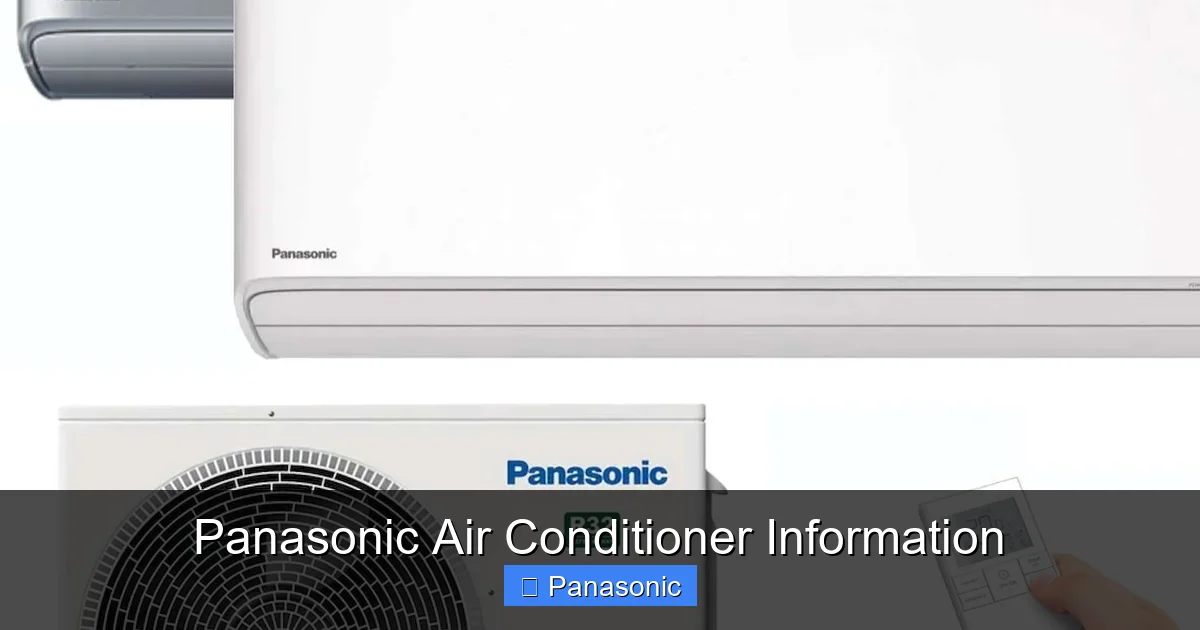
Visual guide about Panasonic Air Conditioner Information
Image source: files.ekmcdn.com
At the heart of every Panasonic air conditioner lies a sophisticated cooling system designed for maximum efficiency. Unlike standard ACs that turn on and off repeatedly (a process called cycling), Panasonic’s inverter-driven compressors adjust their speed based on room temperature demands. This means the compressor runs continuously at varying speeds instead of switching off completely.
This intelligent control reduces wear and tear while maintaining consistent comfort. When the desired temperature is reached, the compressor slows down—not shuts off—so the room stays cool without sudden temperature swings. This results in smoother airflow, fewer drafts, and noticeably lower electricity bills.
Additionally, Panasonic incorporates multi-stage filtration systems to remove dust, allergens, and even bacteria from the air. Their nanoe™ X technology, found in premium models, releases hydroxyl radicals that neutralize viruses and mold spores, improving indoor air quality.
Inverter Technology: Panasonic’s Game-Changing Innovation
One of the biggest reasons people choose Panasonic air conditioners is their use of inverter technology. Traditional AC units cycle on and off, causing temperature fluctuations and wasting energy during startup surges. Panasonic’s inverter compressors, however, modulate their output seamlessly.
For example, if your living room hits 24°C, the compressor won’t shut off. Instead, it will run at a low speed to maintain that exact temperature—just like cruise control on a car. This not only saves energy but also extends the lifespan of the unit.
Studies show that inverter-based ACs can be up to 60% more efficient than non-inverter models. That translates into real savings: over a year, you might save hundreds of dollars on your utility bill. Plus, because the motor runs smoothly, there’s less vibration and noise—making your space quieter and more comfortable.
Types of Panasonic Air Conditioners: Finding the Right Fit
Panasonic offers several types of air conditioners tailored to different spaces and needs. Understanding the differences helps you pick the best option for your home or office.
Split Air Conditioners
These are the most common type, consisting of two main parts: an outdoor unit housing the condenser and compressor, and an indoor unit mounted on the wall. Split ACs are ideal for single rooms or apartments due to their sleek design and effective zoning capabilities.
Window Air Conditioners
Less popular today but still available, window units are installed directly into window frames. They’re budget-friendly and easy to install but occupy valuable wall space and may block natural light.
Floor-Standing Air Conditioners
Designed for larger areas, floor-standing ACs provide powerful cooling through horizontal airflow. They often come with remote controls, timer functions, and multiple fan speeds.
Portable Air Conditioners
Though not as common with Panasonic, some portable models offer flexibility for renters or temporary setups. These require venting through a window but eliminate the need for permanent installation.
Each type comes in various capacities (measured in BTUs or tons), so matching the size to your room dimensions is crucial. A 1-ton AC suits a small bedroom (~90 sq ft), while a 2-ton model works best for open-plan living rooms (~180 sq ft).
Energy Efficiency Ratings: What the Numbers Mean
When shopping for any appliance—especially something that runs constantly like an air conditioner—energy efficiency matters. Panasonic rates its models using the Seasonal Energy Efficiency Ratio (SEER) scale, which measures cooling output relative to electrical input.
Higher SEER ratings mean better efficiency. For instance:
– A SEER 3.5 unit consumes more power annually.
– A SEER 5.0+ model could cut energy use by nearly half.
In regions with strict regulations (like the EU or California), only high-SEER units are sold. Panasonic consistently ranks among the top brands in this category. Look for models labeled “Energy Star” or those displaying “Super Inverter” branding—these guarantee optimal performance without compromising comfort.
Another key metric is the Energy Efficiency Ratio (EER), which focuses on peak performance rather than seasonal averages. Both numbers help you compare apples to apples when reviewing specifications online or in-store.
Smart Features and Connectivity: Modern Convenience
Today’s consumers expect more than just cooling—they want convenience, control, and compatibility. Panasonic delivers with a suite of smart features available across select models.
Wi-Fi Enabled Controls
Using the Panasonic Comfort Cloud app (available for iOS and Android), users can remotely turn their AC on or off, adjust temperature settings, check filter status, and receive maintenance alerts—even when away from home.
Voice Control Compatibility
Compatible with Amazon Alexa and Google Assistant, many Panasonic ACs allow hands-free operation. Just say, “Alexa, set the bedroom AC to 22 degrees,” and the command executes instantly.
Auto-Clean Function
Built-in self-clean modes circulate water through the evaporator coil to prevent mold buildup. Some models also include UV sterilization cycles to keep the interior hygienic.
Sleep Mode & Timer Settings
These preset programs gradually increase or decrease temperatures throughout the night for uninterrupted rest. Sleep mode also dims display lights and minimizes noise.
While not every Panasonic AC includes these bells and whistles, newer lines like the CS/CU-XWZ series emphasize smart integration. If future-proofing your purchase is important, prioritize models with app connectivity.
Durability and Build Quality: Built to Last
Panasonic doesn’t cut corners when it comes to construction. From corrosion-resistant copper coils to reinforced plastic casings, each component is engineered for longevity—especially vital in tropical or coastal environments where humidity accelerates wear.
Their compressors undergo rigorous testing and often carry extended warranties (up to 5 years). The company also uses gold-finished heat exchangers, which resist oxidation better than standard aluminum ones.
Maintenance is straightforward too. Filter covers slide out easily for washing, and drain pans are sloped to avoid standing water (a common cause of mold). Regular cleaning every 15–30 days keeps performance high and extends lifespan significantly.
In customer reviews, many note that Panasonic units outlast competitors by several years with proper care. That kind of reliability pays for itself over time—no surprise replacements, fewer repair calls, and peace of mind.
Environmental Impact: Green Cooling Without Compromise
As climate concerns grow, manufacturers must innovate responsibly. Panasonic leads by example with eco-conscious designs:
– **R-32 Refrigerant**: Used in most new models, R-32 has 68% lower global warming potential than R-410A. It’s also more energy-efficient, reducing CO₂ emissions during operation.
– **Recycled Materials**: Outer shells contain up to 25% recycled plastics.
– **Low Noise Design**: Quieter fans mean less sound pollution.
– **Solar Panel Compatibility**: Some commercial units integrate solar power for auxiliary functions.
By choosing a Panasonic air conditioner, you’re not just investing in comfort—you’re supporting sustainable technology that benefits the planet long-term.
Installation and Maintenance Tips for Optimal Performance
Even the best air conditioner won’t perform well if improperly installed or neglected. Here’s how to get the most out of your Panasonic unit:
Professional Installation Is Key
Always hire a certified technician. Incorrect refrigerant levels, poor drainage, or loose wiring can reduce efficiency by 30% or more. Panasonic recommends authorized dealers who follow strict guidelines.
Clean Filters Monthly
Clogged filters restrict airflow, forcing the compressor to work harder. Simply remove the front panel, take out the filter, rinse under lukewarm water, let dry fully, then reinsert. Avoid using soap or scrubbing aggressively.
Check Drainage Regularly
Ensure the condensate drain line isn’t blocked. Clear any debris and verify water flows freely into the outdoor pan.
Schedule Annual Servicing
A professional tune-up once a year cleans coils, checks freon levels, tightens connections, and tests safety controls. Neglecting this step risks breakdowns during peak heat.
Use Surge Protectors
Power spikes during storms can fry sensitive electronics. Plug your AC into a surge protector or UPS system.
Following these steps ensures your Panasonic air conditioner information remains accurate—and your unit operates efficiently for years.
Frequently Asked Questions
How do I choose the right tonnage for my room?
Match the AC capacity (in tons or BTUs) to your room size. As a rule: 1 ton = ~90 sq ft; 1.5 tons = ~135 sq ft. Larger rooms, high ceilings, or direct sunlight may need higher capacity.
Is inverter technology worth the extra cost?
Yes. While inverter ACs cost more upfront, they save 30–50% on electricity bills over time and last longer due to reduced mechanical stress. The initial investment pays off quickly.
Can I install a Panasonic AC myself?
We strongly advise against DIY installation. Improper setup can void warranties, damage components, or create safety hazards. Always use a licensed technician.
What’s the difference between split and window ACs?
Split units have separate indoor and outdoor sections, offering quieter operation and better aesthetics. Window units sit inside windows but are louder and less flexible in placement.
How often should I replace my AC filter?
Clean reusable filters every 15–30 days. Replace disposable filters every 3 months. Dirty filters reduce airflow and increase strain on the compressor.
Are Panasonic ACs compatible with solar power?
Some commercial models support solar-assisted operation, but residential units typically connect directly to grid power. Check specific product specs for hybrid options.
