
Choosing the right air conditioner can save you money and improve comfort. This Panasonic air conditioner comparison helps you understand key differences between models so you can make a smart investment. Whether you want energy savings, quiet operation, or smart controls, we’ve got you covered.
Key Takeaways
- Energy Efficiency Matters: Look for high EER and inverter technology to reduce power bills by up to 50%.
- Inverter vs Non-Inverter: Inverter models adjust compressor speed, saving energy and maintaining steady temperatures.
- Smart Features: Wi-Fi control, voice assistant support, and app integration let you manage AC from anywhere.
- Indoor Air Quality: Models with nanoe™X ion technology remove allergens, odors, and bacteria from the air.
- Noise Levels: Panasonic units are among the quietest, ideal for bedrooms and offices.
- Installation & Warranty: Most require professional setup, and Panasonic offers strong warranty coverage.
Quick Answers to Common Questions
Which Panasonic AC is best for a small bedroom?
The CS/CU-XE9PKYV mini-split 1-ton model is ideal for small bedrooms due to its compact size, quiet operation, and effective cooling for spaces up to 150 sq ft.
Do Panasonic ACs come with Wi-Fi?
Yes, select models like the CS/CU-XE18PKYVJ include built-in Wi-Fi and the My Aircon app for remote control, scheduling, and energy monitoring.
Are Panasonic inverter ACs worth the higher price?
Absolutely. Inverter models use up to 50% less electricity, last longer, and provide consistent temperatures—saving money over time despite the higher initial cost.
Can I install a Panasonic AC myself?
It’s not recommended. Professional installation ensures proper refrigerant charging, leak detection, and compliance with safety standards. DIY can void warranties and damage the unit.
Does Panasonic offer air purification?
Yes, advanced models feature nanoe™X technology that removes allergens, viruses, and odors, improving indoor air quality beyond basic cooling.
📑 Table of Contents
- Why Consider Panasonic Air Conditioners?
- Understanding Panasonic Air Conditioner Technologies
- Top Panasonic Air Conditioner Models Compared
- How to Choose the Right Size for Your Room
- Energy Efficiency and Cost Savings
- Maintenance Tips to Keep Your Panasonic AC Running Smoothly
- Customer Reviews and Real-World Performance
- Warranty and After-Sales Support
Why Consider Panasonic Air Conditioners?
When the summer heat hits, having a reliable air conditioner isn’t just nice—it’s essential. But with dozens of brands and models on the market, picking the right one can feel overwhelming. That’s where this Panasonic air conditioner comparison comes in.
Panasonic has long been a trusted name in home appliances, and their air conditioners are no exception. Known for innovation, durability, and energy efficiency, Panasonic offers models for every need—from small apartments to large homes. Whether you’re replacing an old unit or building a new space, understanding how different Panasonic models stack up against each other is the first step toward better cooling and lower bills.
In this guide, we’ll walk you through the key features that set Panasonic apart, compare popular models, and help you choose the best option for your home. Let’s dive in.
Understanding Panasonic Air Conditioner Technologies
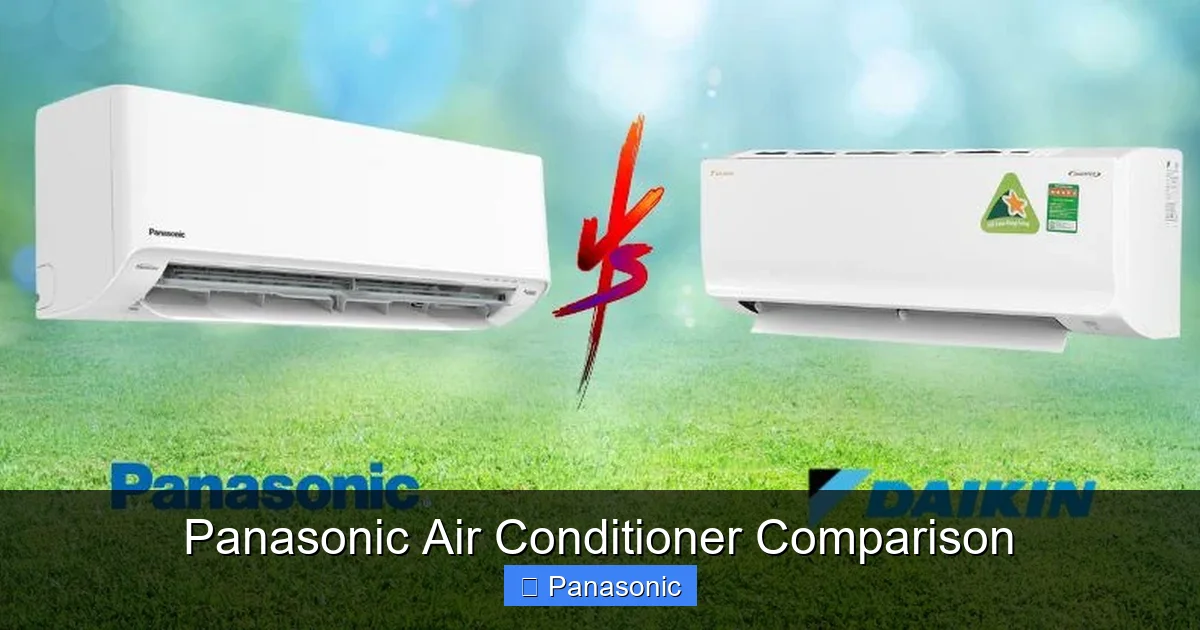
Visual guide about Panasonic Air Conditioner Comparison
Image source: gcs.tripi.vn
Before jumping into specific models, it’s helpful to understand the technologies that make Panasonic air conditioners stand out.
Inverter Technology: The Heart of Efficiency
One of the biggest differences between air conditioners is whether they use inverter or non-inverter compressors. Panasonic’s inverter models are among the best in the industry.
With inverter technology, the compressor doesn’t run at full speed all the time. Instead, it adjusts its speed based on the room’s temperature needs. When the room cools down, the compressor slows down—keeping the temperature stable without constant cycling.
This means:
– Less energy use
– Fewer temperature swings
– Longer equipment life
For example, if your living room is already cool, a non-inverter AC would turn off completely and restart when it gets warm again. An inverter model, however, might only use 60% power to maintain the temperature. Over time, that adds up to significant savings.
nanoe™X Ion Technology: Cleaner Air
Panasonic’s nanoe™X technology releases hydroxyl radicals that attach to pollutants like pollen, dust mites, and even viruses. These particles get neutralized and removed from the air.
This feature is especially valuable for people with allergies or asthma. It’s not just about cooling—it’s about breathing easier.
Models with nanoe™X also help reduce odors and prevent mold growth inside the unit. You’ll notice fresher-smelling rooms and fewer maintenance issues over time.
Quiet Operation for Better Sleep
Nobody wants to sleep next to a loud hum. Panasonic designs their units to operate quietly, often below 40 decibels in sleep mode.
That’s quieter than a whisper. Ideal for bedrooms, nurseries, or home offices where focus and rest matter.
Even during normal operation, many models stay under 45 dB—comparable to a soft conversation.
Top Panasonic Air Conditioner Models Compared
Let’s look at some of the most popular Panasonic models across different categories. We’ll compare specs, features, and ideal use cases.
Panasonic CS/CU-XE18PKYV Split AC (1.5 Ton)
This is a great entry-level inverter model for medium-sized rooms (up to 150 sq ft).
Key Features:
– Inverter compressor
– 3-star BEE rating (energy efficient)
– Auto-clean function
– Sleep mode
– Remote control included
Pros:
– Affordable for first-time buyers
– Easy installation
– Low noise level (around 38 dB)
Cons:
– No smart connectivity
– Basic air purifier (no nanoe™X)
Best for: Small apartments, guest rooms, or secondary spaces.
Panasonic CS/CU-XE36PKYV Split AC (3 Ton)
A step up in size and performance—ideal for large living areas or open-plan homes.
Key Features:
– Inverter compressor
– 5-star BEE rating
– Auto swing louvers
– Turbo cooling (for fast relief on hot days)
– Sleep mode
Pros:
– Excellent energy savings
– Powerful airflow
– Quiet operation
Cons:
– Higher upfront cost
– Requires larger indoor unit space
Best for: Large living rooms, master bedrooms, or commercial small offices.
Panasonic CS/CU-XE9PKYV Mini-Split AC (1 Ton)
Compact and versatile—perfect for tiny spaces or as a supplemental cooler.
Features:
– Compact design
– Wall-mounted only
– Energy-efficient inverter
– Remote control
– Eco mode
Use Case:
If you’re renting a studio apartment or need extra cooling in a study nook, this model fits perfectly. It’s also great for dorm rooms or RVs.
Panasonic CS/CU-XE18PKYVJ Split AC (1.5 Ton) with Wi-Fi
Now let’s talk smart. This version includes Wi-Fi connectivity and app control via Panasonic’s “My Aircon” app.
Smart Features:
– Schedule cooling times
– Monitor energy usage
– Voice control (compatible with Alexa/Google Assistant)
– Filter alerts
You can turn on the AC before arriving home or check if filters need cleaning—all from your phone.
While it doesn’t have nanoe™X, it does include a basic ionizer and auto-clean.
Best for: Tech-savvy users who value convenience and remote access.
Panasonic CS/CU-EP9PKYV Window AC (1 Ton)
Not all Panasonic units are split systems. For smaller rooms or rental properties, the window AC is a solid choice.
Highlights:
– Self-diagnostic error codes
– Adjustable thermostat
– Easy window mounting kit included
– 3-speed fan
Note:
This is a non-inverter model, so it’s less energy-efficient than split systems. But it’s budget-friendly and simple to install.
Best for: Budget-conscious buyers or temporary setups.
How to Choose the Right Size for Your Room
Getting the right tonnage is crucial. Too small, and your AC will struggle to cool the space. Too big, and it will short-cycle, wasting energy and reducing humidity control.
Here’s a quick guide:
– 0.75 Ton = Up to 100 sq ft
– 1 Ton = 100–150 sq ft
– 1.5 Ton = 150–225 sq ft
– 2 Ton = 225–300 sq ft
– 3 Ton = 300–400 sq ft
Always consider factors like ceiling height, insulation, sunlight exposure, and number of windows. If your room gets direct sun all day, go up one size.
Panasonic recommends consulting a certified technician for accurate sizing. Many dealers offer free load calculations.
Energy Efficiency and Cost Savings
One reason so many homeowners choose Panasonic is their focus on efficiency.
The Bureau of Energy Efficiency (BEE) rates ACs using the Energy Efficiency Ratio (EER). Higher EER = more cooling per watt.
Panasonic’s 5-star inverter models often have EER values above 3.8, meaning they use less than half the electricity of older non-inverter units.
Over five years, switching from a 1-star non-inverter to a 5-star inverter could save you $200–$400 on electricity alone—depending on usage and local rates.
Also, inverter models last longer because they don’t endure constant start-stop cycles. Fewer repairs = lower lifetime costs.
Maintenance Tips to Keep Your Panasonic AC Running Smoothly
Even the best AC needs care. Here’s how to maintain yours:
Clean or Replace Filters Monthly
Dust buildup blocks airflow and reduces efficiency. Wash reusable filters with mild soap and water. Let them dry fully before reinserting.
Schedule Professional Servicing Once a Year
A technician should check refrigerant levels, clean coils, and inspect wiring. This prevents breakdowns and maintains peak performance.
Use Auto-Clean Mode Weekly
Many Panasonic models have an auto-clean function that removes mold and bacteria from internal ducts. Run it weekly, especially in humid climates.
Keep Outdoor Unit Clear
Trim bushes around the outdoor unit and remove debris. Blocked airflow makes the system work harder.
Set Thermostat Between 24°C–26°C
Cooling to 22°C wastes energy. A comfortable 25°C uses less power and keeps humidity in check.
Customer Reviews and Real-World Performance
What do actual users say?
On Amazon and Flipkart, Panasonic ACs consistently earn 4+ star ratings. Common praises include:
– Fast cooling
– Quiet night operation
– Reliable after-sales service
– App interface ease-of-use (for smart models)
Some users note that initial setup requires professional help—which is standard but worth budgeting for.
Negative feedback usually centers on:
– Higher price point vs competitors
– Limited availability in rural areas
– Occasional delay in spare parts delivery
Overall, satisfaction remains high, particularly among those who prioritize efficiency and long-term value.
Warranty and After-Sales Support
Panasonic typically offers:
– 1 year on indoor/outdoor units
– 5 years on compressor (inverter models)
– 10 years on controller board
Extended warranty plans are sometimes available through dealers.
Service centers are widespread in cities, though response times may vary in remote regions. Always register your product online for faster claim processing.
Pro Tip: Ask your installer to show you how to read error codes. This helps troubleshoot minor issues before calling support.
Frequently Asked Questions
How do I know which tonnage AC I need?
Match tonnage to room size: 1 ton for 100–150 sq ft, 1.5 tons for 150–225 sq ft. Consider insulation, sunlight, and occupancy. Consult a technician for precise sizing.
What’s the difference between inverter and non-inverter ACs?
Inverter ACs adjust compressor speed to maintain temperature, saving energy. Non-inverter models run at full speed then shut off, leading to temperature swings and higher electricity use.
Are Panasonic ACs noisy?
No—many Panasonic models operate below 40 dB in sleep mode, quieter than a whisper. Even normal operation stays under 45 dB, making them suitable for bedrooms.
Do I need special filters for Panasonic ACs?
Most use standard washable filters. Advanced models include additional layers or nanoe™X for enhanced air purification, but routine monthly cleaning suffices for basic maintenance.
How often should I service my Panasonic AC?
Professional servicing once a year is recommended. Monthly filter cleaning and weekly auto-clean mode extend lifespan and efficiency.
Is nanoe™X safe to use indoors?
Yes. nanoe™X uses harmless hydroxyl radicals to neutralize pollutants. It’s approved by health authorities and safe for homes with children or pets.
