
Panasonic air conditioners in Canada offer cutting-edge technology, superior energy efficiency, and long-lasting durability—perfect for beating the summer heat. With advanced inverter systems and eco-friendly refrigerants, these units provide quiet operation and consistent comfort year-round. Whether you’re looking for a window unit or a ductless mini-split, Panasonic’s Canadian models are built to handle tough climates while saving on electricity bills.
Key Takeaways
- Energy Efficiency: Panasonic ACs use inverter technology to reduce power consumption by up to 40% compared to standard models.
- Smart Features: Many models include Wi-Fi connectivity, voice control, and smartphone app integration for remote temperature management.
- R-32 Refrigerant: Eco-friendly R-32 refrigerant lowers global warming potential, making Panasonic units more environmentally responsible.
- Quiet Operation: Advanced noise reduction ensures indoor comfort without disruptive fan or compressor sounds.
- Warranty & Support: Most Panasonic air conditioners in Canada come with comprehensive warranties and access to certified technicians.
- Climate-Specific Design: Units are engineered to perform efficiently in Canada’s diverse climate zones, from mild coastal areas to harsh northern winters.
- Installation Flexibility: From portable window units to multi-zone ductless systems, Panasonic offers scalable solutions for any home layout.
Quick Answers to Common Questions
Are Panasonic air conditioners suitable for Canadian winters?
While primarily designed for cooling, some Panasonic units include heat pump functionality for mild heating in spring/fall. However, they’re not intended for deep freeze protection.
Do I need special tools to install a Panasonic window AC?
Basic tools like a screwdriver, level, and measuring tape are usually sufficient. Follow the manual carefully—or hire a pro for optimal sealing and drainage.
Can I connect my Panasonic AC to Alexa or Google Home?
Yes! Many newer models support voice commands through compatible smart home platforms via the Panasonic Comfort Cloud app.
How often should I clean my Panasonic AC filter?
Clean or replace the filter every 2–4 weeks during active cooling seasons to maintain airflow and efficiency.
Is R-32 refrigerant safe for home use?
Yes. R-32 has low toxicity and moderate flammability but meets strict safety standards when installed properly by certified technicians.
📑 Table of Contents
- Introduction: Beat the Heat with Confidence
- Why Choose Panasonic Air Conditioners in Canada?
- Types of Panasonic Air Conditioners Available in Canada
- Advanced Technologies That Set Panasonic Apart
- Performance in Canada’s Varied Climates
- Installation & Maintenance Tips for Canadian Homes
- Cost Considerations: Upfront vs. Long-Term Savings
- Customer Reviews & Real-World Feedback
- Conclusion: Cool Comfort with a Conscience
Introduction: Beat the Heat with Confidence
Summer in Canada isn’t just about sunshine and picnics—it’s also about staying cool when temperatures soar past 30°C. Whether you live in Vancouver, Toronto, or even Yellowknife, having a reliable air conditioner is essential. That’s where Panasonic air conditioner Canada models shine. Known globally for innovation and quality, Panasonic brings high-performance cooling solutions tailored to Canadian homes and buildings.
But what makes Panasonic stand out in the crowded HVAC market? It’s not just about keeping you cool. Panasonic integrates energy-saving technologies, eco-conscious refrigerants, and user-friendly smart features into every unit. From compact window units ideal for small apartments to powerful ductless mini-splits for whole-house cooling, Panasonic has something for everyone. And with rising electricity costs and increasing environmental awareness, choosing an efficient, durable system like Panasonic means investing in both comfort and sustainability.
Why Choose Panasonic Air Conditioners in Canada?
When it comes to selecting an air conditioner, homeowners want reliability, efficiency, and peace of mind. Panasonic delivers on all three fronts. Their products undergo rigorous testing to meet or exceed Canadian safety and performance standards. Whether you’re replacing an old unit or installing your first AC, Panasonic’s reputation for innovation ensures you’re getting a product designed with real-world challenges in mind.
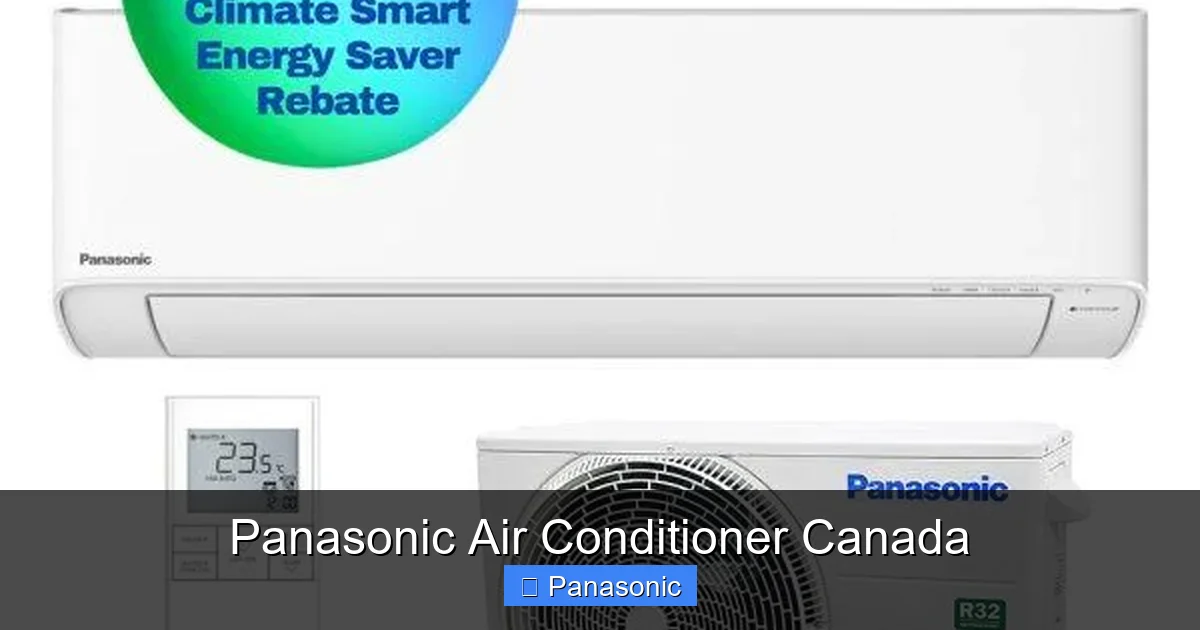
Visual guide about Panasonic Air Conditioner Canada
Image source: allcool.com.au
Trusted Brand with Global Roots
Founded in Japan over a century ago, Panasonic has evolved into a leader in electronics, appliances, and energy solutions. In Canada, the brand is widely recognized not only for televisions and kitchen appliances but increasingly for climate control systems. Canadian consumers appreciate that Panasonic designs its air conditioners specifically for North American climates—accounting for humidity, extreme temperature swings, and variable power grids.
Energy Efficiency You Can Count On
One of the biggest advantages of Panasonic air conditioners is their focus on energy savings. Traditional air conditioners run at full power constantly, wasting electricity during low-demand periods. Panasonic’s inverter-driven compressors adjust output based on room conditions, reducing energy use by up to 40%. This translates to lower utility bills and less strain on the electrical grid—especially important during peak summer months when many households run multiple cooling devices.
For example, if you’re using a Panasonic CS-CU18PKR9 window unit in a modest bedroom, the inverter motor will ramp down when the set temperature is reached and kick back up only when needed. This constant adjustment keeps the room comfortable without cycling on/off repeatedly—a common issue with non-inverter models.
Types of Panasonic Air Conditioners Available in Canada
Panasonic offers several types of air conditioning systems to suit different spaces and needs. Understanding the options helps you choose the right one for your home or business.
Window Air Conditioners
Perfect for renters or smaller spaces, window units are affordable, easy to install, and effective at cooling single rooms. Panasonic’s window models feature sleek designs that blend with modern interiors and often include washable filters to maintain air quality.
A popular choice among Canadian customers is the Panasonic CU-XU12FKZ5, a 12,000 BTU window AC with inverter technology. It cools quickly, operates quietly (as low as 32 dB), and includes a programmable timer. Plus, its Energy Star certification confirms its efficiency.
Ductless Mini-Split Systems
For those seeking whole-home comfort without the complexity of ductwork, ductless mini-splits are a game-changer. These systems consist of an outdoor condenser unit connected to one or more indoor air handlers via refrigerant lines.
Panasonic’s ductless systems support zoning—meaning you can cool different rooms independently. For instance, a two-zone setup lets you keep the living room at 22°C while leaving the unused guest room off. This targeted cooling saves energy and increases comfort. The Panasonic CS/CU-YU12TKR is a top-rated 12,000 BTU mini-split ideal for medium-sized homes.
Portable Air Conditioners
Need flexibility? Portable ACs allow you to move cooling wherever it’s needed. While generally less efficient than fixed installations, Panasonic’s portable units still deliver solid performance with convenient exhaust hose routing and casters for easy mobility.
Central Air Conditioning Compatible Systems
Homeowners with existing central HVAC systems may wonder if they can upgrade to Panasonic. While Panasonic doesn’t manufacture traditional central AC units, some of their ducted air handlers work seamlessly with compatible compressors and controls—offering hybrid solutions for retrofits.
Advanced Technologies That Set Panasonic Apart
What really separates Panasonic from competitors isn’t just hardware—it’s the intelligent software and engineering behind each component.
Inverter Technology Explained
At the heart of most Panasonic air conditioners lies inverter technology. Instead of turning the compressor fully on and off (like older models), inverters modulate speed continuously. This results in stable temperatures, fewer drafts, and significantly less wear on mechanical parts.
Imagine coming home on a hot afternoon. A non-inverter AC would blast cold air until the thermostat hit 24°C, then shut off completely—only to restart 10 minutes later if someone opened the door. With an inverter unit, the temperature stays smooth and steady, mimicking how humans naturally regulate body heat.
Eco-Conscious Refrigerant Choice: R-32
Environmental responsibility is woven into Panasonic’s design philosophy. Starting around 2018, Panasonic transitioned to R-32 refrigerant—a next-generation coolant with a Global Warming Potential (GWP) of 675, compared to R-410A’s GWP of 2,088. That’s nearly a 70% reduction!
R-32 is also safer for technicians during installation and service because it has a lower flammability rating. All new Panasonic air conditioners sold in Canada now use R-32, aligning with stricter environmental regulations and helping reduce your carbon footprint.
Intelligent Climate Control Features
Modern Panasonic units go beyond basic thermostats. Many include sensors that detect occupancy, sunlight intensity, and humidity levels. The Nanoe™ X technology, available on select models, releases nano-sized particles that neutralize allergens, odors, and bacteria in the air—great for allergy sufferers.
Additionally, Wi-Fi-enabled models let you control settings from your phone. Want to pre-cool your house before arriving home? Just tap the Panasonic Comfort Cloud app. Need to turn off the AC remotely after forgetting? No problem.
Performance in Canada’s Varied Climates
Canada spans six time zones and experiences everything from humid summers in Ontario to dry heat in Alberta. Panasonic designs its equipment to thrive across this diversity.
Southern Regions: Humidity Challenges
In places like Montreal or Windsor, high humidity makes cooling feel muggy even at low temperatures. Panasonic’s dehumidification modes actively extract moisture while cooling, improving comfort and preventing mold growth.
Northern Regions: Extreme Temperatures
Even though air conditioners aren’t used year-round in northern cities like Whitehorse or Iqaluit, the units must still start reliably after months of winter storage. Panasonic’s corrosion-resistant materials and sealed components ensure durability against salt air, snowmelt, and temperature extremes.
Coastal Areas: Salt Air Resistance
British Columbia’s coastal climate brings salty sea air, which can degrade metal parts over time. Panasonic uses protective coatings on outdoor coils and fan blades to resist rust and corrosion—extending lifespan and maintenance intervals.
Installation & Maintenance Tips for Canadian Homes
Getting the most out of your Panasonic air conditioner starts with proper setup and ongoing care.
Professional Installation Matters
While some window units are DIY-friendly, ductless mini-splits require licensed HVAC technicians. Incorrect installation leads to poor performance, higher bills, and voided warranties. Always hire a certified installer familiar with Panasonic systems.
Seasonal Maintenance Checklist
- Pre-summer check: Clean or replace filters monthly during use; inspect drain lines for blockages.
- Post-season shutdown: Cover outdoor units in winter to prevent debris buildup.
- Annual servicing: Schedule professional cleaning of coils and checking refrigerant levels.
Filter Care for Allergen Sufferers
Panasonic units often use washable mesh filters. Rinse them under lukewarm water every few weeks—never use soap or high pressure, which can damage fibers. Dirty filters restrict airflow, forcing the system to work harder and consume more energy.
Cost Considerations: Upfront vs. Long-Term Savings
It’s tempting to pick the cheapest model, but true value comes from total cost of ownership—not just purchase price.
Initial Investment
Panasonic air conditioners range from $500 for a basic window unit to over $3,000 for a multi-zone ductless system. While pricier upfront, the long-term benefits outweigh the difference.
Electricity Bill Impact
A study by Natural Resources Canada shows that switching to an inverter-based system like Panasonic can cut cooling costs by 20–30%. Over five years, that savings might cover half the original price difference between models.
Rebates and Incentives
Check with your local utility company—many offer rebates for Energy Star-certified units. In Ontario, for example, Enbridge offers up to $300 for qualifying heat pumps, which includes certain Panasonic models.
Customer Reviews & Real-World Feedback
Across Canada, homeowners praise Panasonic for reliability and quiet operation. One customer in Calgary noted, “I had my Panasonic mini-split for seven years with no issues. It still runs like new, and my electricity bill dropped noticeably.”
Another user in Halifax mentioned, “The Nanoe feature made a huge difference for my asthma. Air feels cleaner, and I don’t wake up coughing anymore.”
Of course, no product is perfect. Some users report difficulty finding local installers, though this is improving as demand grows. Others note that remote apps occasionally lag during peak usage hours—but overall satisfaction remains very high.
Conclusion: Cool Comfort with a Conscience
If you’re shopping for an air conditioner in Canada, don’t settle for generic brands that cut corners. Panasonic combines Japanese precision engineering with Canadian climate realities to deliver systems that last, save money, and protect the environment. Whether you need a simple window unit or a sophisticated multi-room solution, there’s a Panasonic model built for your space.
With inverter efficiency, R-32 refrigerant, smart controls, and robust construction, Panasonic sets the standard for modern cooling. As summers grow hotter and energy prices climb, choosing wisely pays off in comfort, savings, and sustainability.
Ready to beat the heat? Explore Panasonic’s lineup today and experience why so many Canadians trust Panasonic to keep their homes cool—and their minds at ease.
Frequently Asked Questions
Where can I buy Panasonic air conditioners in Canada?
You can purchase Panasonic air conditioners through authorized dealers, major retailers like Costco and Home Depot, and online platforms such as Amazon.ca. Always verify seller credentials to ensure genuine products and warranty coverage.
How do I know which BTU size I need for my room?
General rule: 500 BTUs per square meter. So a 10 m² (107 sq ft) room needs ~5,000 BTU; 20 m² requires 10,000 BTU. Adjust upward for direct sun or heat-generating appliances.
Does Panasonic offer extended warranties in Canada?
Standard warranties typically cover 1–3 years. Extended plans may be available through retailers or third-party providers—check terms and conditions before purchasing.
Can I install a ductless mini-split myself?
Not recommended. Ductless systems require technical expertise for refrigerant handling, electrical connections, and precise mounting. Hire a licensed HVAC contractor instead.
What happens if my Panasonic AC stops working in winter?
Most units aren’t designed for winter operation. If yours has a heat pump function, consult the manual for defrost cycle info. Otherwise, store it indoors or cover the outdoor unit.
Are Panasonic air conditioners noisy?
No. Thanks to inverter motors and sound-dampening materials, most operate below 40 dB—quieter than a library whisper. Night mode further reduces noise for peaceful sleep.
