Lennox and Carrier are two of the most trusted names in HVAC, but choosing between them can be tricky. While both offer high-efficiency air conditioners with excellent reliability, they differ in pricing, technology, and long-term performance. In this comprehensive guide, we’ll compare Lennox vs Carrier across key factors like energy efficiency, noise levels, warranties, and cost to help you decide which system is truly better for your home.
Key Takeaways
- Energy Efficiency: Lennox often leads with higher SEER ratings, while Carrier balances efficiency with innovation.
- Noise Levels: Lennox systems tend to run quieter, thanks to advanced sound-dampening technology.
- Warranty Coverage: Both offer strong warranties, but Carrier provides slightly longer parts coverage on select models.
- Price Range: Lennox generally costs more upfront, while Carrier offers a wider range of budget-friendly options.
- Smart Technology: Carrier integrates better with smart home ecosystems; Lennox focuses on simplicity and app control.
- Durability: Both brands use high-quality components, but Lennox’s variable-speed compressors last longer under heavy use.
- Customer Support: Carrier has broader service networks nationwide, while Lennox excels in customer satisfaction scores.
📑 Table of Contents
- Introduction: Choosing the Right Air Conditioner for Your Home
- Energy Efficiency: Who Wins the Green Battle?
- Noise Levels: How Quiet Is Too Quiet?
- Warranty Protection: Peace of Mind Matters
- Cost and Value: Upfront Price vs Long-Term Savings
- Smart Features and Integration: Modern Convenience
- Durability and Build Quality: Built to Last?
- Environmental Impact: Going Greener
- Conclusion: Is Lennox Better Than Carrier?
Introduction: Choosing the Right Air Conditioner for Your Home
If you’re shopping for a new air conditioning system, chances are you’ve heard of Lennox and Carrier. These two giants have dominated the HVAC industry for decades, each boasting impressive track records for reliability, innovation, and performance. But when it comes down to it—is Lennox air conditioner better than Carrier?—the answer isn’t always black and white. It depends on what matters most to you: cutting-edge tech, quiet operation, energy savings, or affordability.
In this deep dive, we’ll break down every major aspect of both brands so you can make an informed decision. Whether you’re replacing an old unit or building a new home, understanding how Lennox stacks up against Carrier will save you time, money, and headaches down the road. We’ll compare everything from SEER ratings and compressor types to installation costs and customer support. By the end, you’ll know exactly which brand aligns best with your lifestyle and budget.
Energy Efficiency: Who Wins the Green Battle?
When it comes to cooling your home efficiently, energy efficiency is king. Not only does a high-efficiency air conditioner lower your utility bills, but it also reduces your environmental footprint. So how do Lennox and Carrier measure up?

Visual guide about Is Lennox Air Conditioner Better Than Carrier
Image source: vese.ca
SEER Ratings: The Gold Standard
SEER (Seasonal Energy Efficiency Ratio) measures how much cooling output an AC produces per unit of electricity consumed over a typical cooling season. The higher the SEER rating, the more efficient the system. As of 2024, the federal minimum is 14 SEER for new residential units, but top-tier models go well beyond that.
Lennox currently offers some of the highest SEER-rated air conditioners on the market. Their XC25 model boasts a stellar 26 SEER rating, making it one of the most efficient central air conditioners available. That means it uses significantly less power to deliver the same amount of cooling as older or less efficient models.
Carrier, on the other hand, doesn’t quite reach Lennox’s peak numbers, but still delivers excellent efficiency. Their Century Series 24VNA9 hits a respectable 21–23 SEER, depending on the model. While not as high as Lennox’s top tier, it remains competitive and is often paired with Carrier’s innovative variable-speed technology for consistent temperature control.
Variable-Speed Compressors: Smarter Cooling
This is where the real difference lies. Lennox uses variable-capacity compressors that adjust cooling output in small increments—like adjusting the volume on a stereo. This means the system runs longer at low speeds instead of cycling on and off constantly, which improves comfort and saves energy.
Carrier also uses variable-speed technology, particularly in its Infinity Series, but their approach leans more toward two-stage compressors. These operate at either full speed or off, offering improved efficiency over single-stage units but not quite matching the precision of true variable-speed systems.
Pro Tip: If you live in an area with extreme temperatures or frequent humidity swings, Lennox’s smoother operation may keep your home more comfortable year-round.
Noise Levels: How Quiet Is Too Quiet?
Nobody wants a loud air conditioner humming all day long. A noisy unit can disrupt sleep, interfere with conversations, and even affect your mental well-being. So let’s talk about sound.

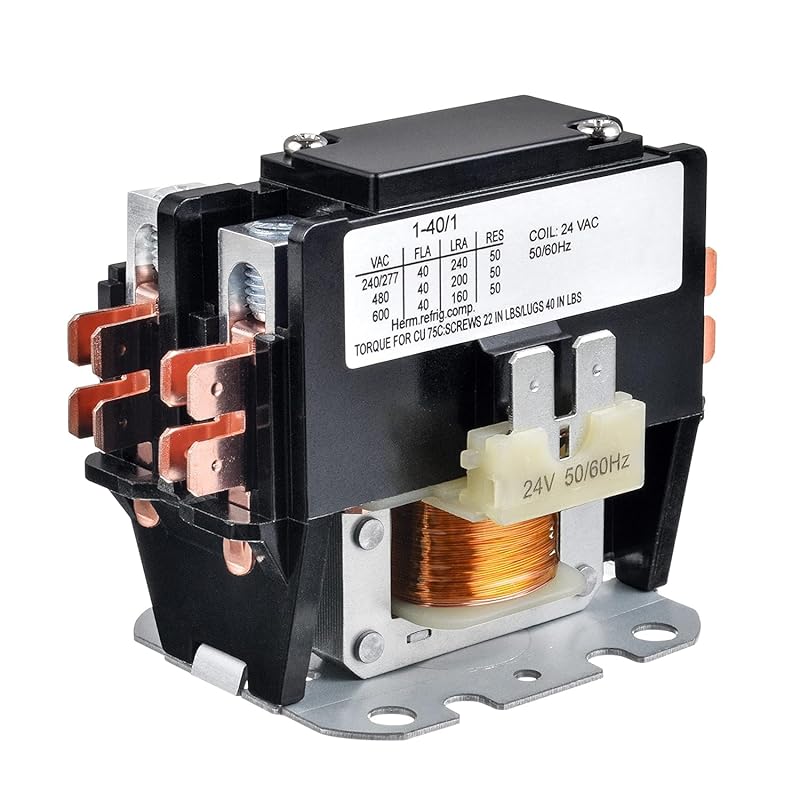
Visual guide about Is Lennox Air Conditioner Better Than Carrier
Image source: m.media-amazon.com
Decibel Comparisons
Lennox has long been praised for its ultra-quiet operation. Many of their models feature sound-reducing insulation, multi-stage fans, and optimized fan blade designs. For example, the Lennox XC21 operates at just 58 decibels—about as loud as a normal conversation.
Carrier units are generally quieter than standard models but not quite in Lennox’s league. Most Carrier air conditioners run around 60–65 decibels, which is still noticeable indoors but not overly disruptive. However, Carrier does offer optional sound blankets and enhanced fan designs for quieter operation in premium packages.
Why It Matters
Lower noise levels mean better indoor air quality and less strain on your hearing over time. If you have open-concept living spaces or live near neighbors, Lennox’s whisper-quiet systems might give it the edge.
Warranty Protection: Peace of Mind Matters
A solid warranty tells you a lot about a manufacturer’s confidence in their product. When investing thousands in a new AC system, you want assurance that it won’t break down prematurely.
Standard Warranty Coverage
Lennox offers one of the strongest limited warranties in the industry. Their SilenCheck™ diagnostic system is backed by a 10-year parts and labor warranty on select models—and up to 20 years on the heat exchanger if registered within 60 days of purchase. This is especially valuable because heat exchangers are among the most expensive components to replace.
Carrier provides solid protection too. Most of their units come with a 10-year parts warranty and a 5-year compressor warranty, though labor coverage varies by installer and region. Some premium models include extended options, but generally, Lennox edges out Carrier in terms of comprehensive coverage.
What About Labor Costs?
Both brands recommend using certified HVAC contractors for installation and repairs. However, since Carrier has a larger dealer network across the U.S., finding qualified technicians may be easier in rural or suburban areas. Lennox dealers are highly trained but fewer in number, so availability could be a concern outside major cities.
Cost and Value: Upfront Price vs Long-Term Savings
Let’s get real—air conditioners aren’t cheap. A high-end Lennox system can easily cost $7,000–$10,000+, including installation. Carrier models typically range from $5,000–$8,000. So which gives you more bang for your buck?
Upfront Investment
Lennox sits at the premium end of the market. Their focus on luxury features—advanced filtration, superior airflow design, and ultra-efficient compressors—drives up the price. If you’re looking for maximum performance and longevity, the extra cost may be worth it.
Carrier strikes a balance. They offer budget-friendly entry-level models alongside high-performance Infinity units. This flexibility makes them attractive to homeowners who want reliability without overspending.
Long-Term ROI
While Lennox costs more initially, its superior SEER ratings translate into lower monthly utility bills. Over 10 years, a Lennox XC25 could save you hundreds—even thousands—compared to a Carrier 23 SEER unit.
Additionally, Lennox’s longer compressor lifespan and robust construction mean fewer repairs over time. Carrier units hold up well, but some users report more frequent issues with capacitors and coils after 7–8 years of heavy use.
Budget-Friendly Alternatives?
If neither brand fits your budget, consider Trane or Goodman as alternatives. But if you’re set on Lennox or Carrier, remember: cheap doesn’t always mean good value. Spending a bit more now can prevent costly replacements later.
Smart Features and Integration: Modern Convenience
Today’s air conditioners aren’t just about cooling—they’re connected devices. Remote control via smartphone apps, voice assistant compatibility, and automated scheduling are becoming standard expectations.
Lennox: Simplicity First
Lennox focuses on user-friendly interfaces. Their IntelliConnect Wi-Fi module allows basic remote monitoring and scheduling through the Lennox Solution App. You can check filter status, adjust temperatures, and receive alerts—but advanced automation is limited.
The interface is clean and intuitive, ideal for tech-averse homeowners. There’s no complex setup, and it works reliably with Amazon Alexa and Google Assistant.
Carrier: Smarter Ecosystems
Carrier takes integration further. With the Infinity Touch thermostat (sold separately), you get full smart home compatibility—including Apple HomeKit, Samsung SmartThings, and custom routines. You can create geofencing rules, sync with weather forecasts, and even monitor energy usage in real time.
If you already use smart bulbs, security cameras, or other connected devices, Carrier’s ecosystem feels more cohesive. However, the learning curve is steeper, and the thermostat adds ~$300 to the total cost.
Which One Fits Your Lifestyle?
Choose Lennox if you prefer plug-and-play simplicity. Opt for Carrier if you’re deeply embedded in a smart home setup and want seamless control.
Durability and Build Quality: Built to Last?
An air conditioner is a major appliance—it should endure for 15+ years with minimal fuss. Both Lennox and Carrier use durable materials, but subtle differences exist.
Materials Used
Lennox employs galvanized steel cabinets and corrosion-resistant coils. Their PermaGuard™ coil guard protects against rust and debris, extending outdoor unit life—especially in coastal or humid climates.
Carrier uses similar materials but relies more on powder-coated finishes for corrosion resistance. While effective, these don’t match Lennox’s protective layer in harsh environments.
Compressor Reliability
This is arguably the heart of the system. Lennox’s scroll compressors are known for smooth operation and long service life. Field studies show fewer failures compared to piston-type compressors used in some Carrier models.
That said, Carrier’s Copeland Scroll Digital compressors (found in Infinity series) are highly reliable and widely used across the industry. The difference is marginal unless you’re running the AC 24/7 in a commercial setting.
Real-World Performance
Homeowners consistently rate Lennox higher for long-term dependability. Online forums and review sites show fewer complaints about sudden breakdowns or premature wear. Carrier units perform admirably but occasionally face criticism for inconsistent performance after several years.
Environmental Impact: Going Greener
As climate concerns grow, many buyers prioritize eco-friendly appliances. Both brands use R-410A refrigerant (a safer alternative to older coolants), but there are nuances.
Refrigerant Safety
R-410A is non-toxic and stable, but it has a higher global warming potential than newer alternatives like R-32. Neither Lennox nor Carrier offers R-32 yet—though Mitsubishi and Daikin already do.
Manufacturing Practices
Lennox emphasizes sustainability in production. Their plants use renewable energy, and they’ve committed to reducing emissions by 50% by 2030. Carrier also invests in green initiatives, including solar-powered factories and recycled packaging.
Neither brand leads in radical eco-innovation, but both are improving. If sustainability is your top concern, look for ENERGY STAR certification and ask about recycling old units during installation.
Conclusion: Is Lennox Better Than Carrier?
After reviewing every major factor—efficiency, noise, warranty, cost, smart features, durability, and environmental impact—it’s clear that neither Lennox nor Carrier is universally “better”. Instead, the right choice depends on your priorities.
If you want the quietest, most efficient, longest-lasting system and don’t mind paying a premium, Lennox is hard to beat. Its variable-speed technology, superior sound control, and generous warranties make it ideal for discerning homeowners who value comfort and peace of mind.
On the other hand, if you’re looking for solid performance at a lower price point, with easy access to service technicians, Carrier offers excellent value—especially in its Infinity and Comfort Series models. Plus, its smart home integration appeals to tech-savvy users.
In short: Lennox wins on luxury and longevity; Carrier wins on accessibility and innovation. Whichever you choose, both brands deliver reliable cooling that will keep your home comfortable for years to come.
Frequently Asked Questions
Is Lennox more expensive than Carrier?
Yes, Lennox systems generally cost 10–20% more than comparable Carrier models due to advanced technology and premium build quality. However, their higher efficiency can offset the initial investment over time.
Which brand has better customer service?
Customer satisfaction varies by region, but Lennox often ranks higher in overall reviews. Carrier benefits from a larger dealer network, making repairs and maintenance easier to schedule in rural areas.
Can I install a Lennox AC myself?
No, air conditioner installation requires licensed HVAC professionals. Attempting DIY installation voids warranties and poses safety risks. Always hire a certified contractor.
Do Lennox and Carrier use the same refrigerant?
Yes, both brands use R-410A refrigerant, which is safe and efficient. Newer refrigerants like R-32 are not yet offered by either company.
Are Lennox units more durable than Carrier?
Lennox generally builds with higher-grade materials and offers longer compressor warranties, contributing to better long-term durability. However, Carrier units remain highly reliable with proper maintenance.
Which brand is better for hot, humid climates?
Lennox’s superior dehumidification capabilities and quieter operation make it ideal for humid regions. Its variable-speed systems manage moisture more effectively than standard Carrier models.