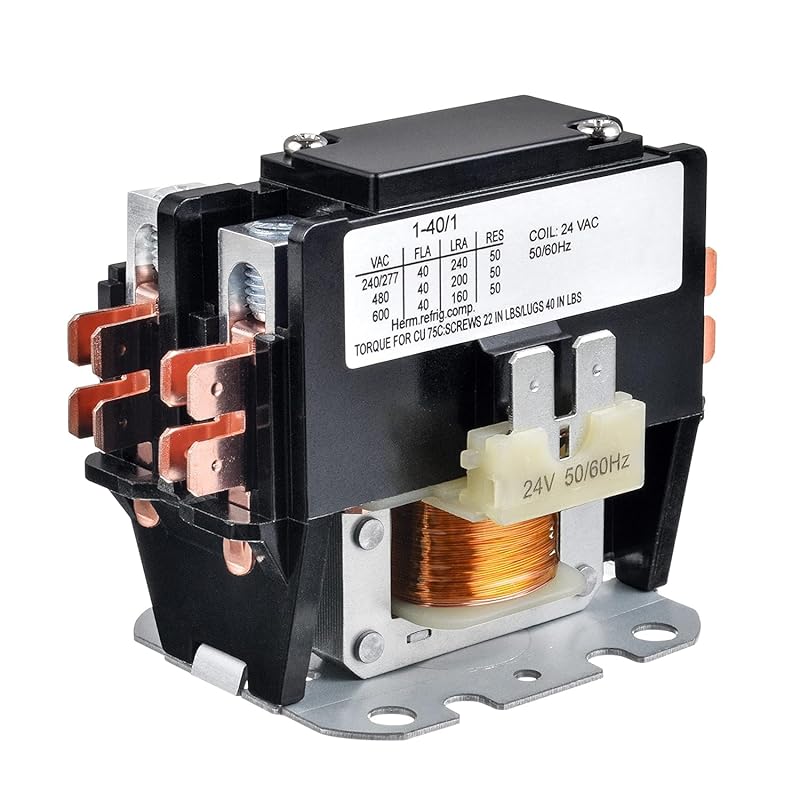
Resetting your Carrier air conditioner can resolve many common issues like no cooling or error codes. This guide walks you through safe, effective reset procedures for both standard and smart units, helping restore performance quickly and safely.
# How to Reset a Carrier Air Conditioner Unit
If your Carrier air conditioner isn’t cooling properly, making strange noises, or showing error codes, a simple reset might be all it needs. Carrier is known for high-quality HVAC systems, but even the best units can experience glitches due to power fluctuations, software hiccups, or minor sensor errors. The good news? Most of these issues can be resolved by performing a proper reset.
In this comprehensive guide, we’ll walk you through everything you need to know about resetting your Carrier air conditioner—whether it’s a central system, a window unit (if compatible), or a smart-enabled model. You’ll learn why resets work, how to do them safely, and when to call a professional. By the end, you’ll feel confident troubleshooting and restoring your AC without unnecessary service calls.
—
## Why Reset Your Carrier Air Conditioner?
Before diving into steps, let’s understand what a reset actually does. Think of your Carrier air conditioner as a computer with sensors, motors, and logic boards. Over time, small electrical glitches or communication errors can occur between components. A reset clears these temporary faults, restores default settings, and allows the system to reboot cleanly.
Common reasons to reset include:
– The unit won’t turn on
– It runs but doesn’t cool
– Error codes appear on the display
– The thermostat seems unresponsive
– After a power outage
A reset doesn’t replace worn parts or fix refrigerant leaks—but it often resolves software-related problems that mimic mechanical failures.
—
## Identifying Your Carrier AC Model Type
Not all Carrier units are the same. The reset method depends largely on whether you have:
– **Central air conditioning** (with outdoor condenser and indoor handler)
– **Window or portable unit** (less common for Carrier, but some models exist)
– **Smart or Wi-Fi enabled system** (with companion app and remote access)
To identify your model:
1. Check the nameplate on the outdoor unit or indoor blower.
2. Look for model numbers like 24ABC6, 38APA, or 24VNA9.
3. If unsure, consult your installation manual or contact Carrier support.
This distinction matters because smart units offer digital reset options, while traditional models rely on power cycling.
—
## Step-by-Step: How to Reset a Standard Carrier Central Air Conditioner
Follow these steps carefully to safely reset your Carrier central AC:
### Step 1: Turn Off the Thermostat
Start by switching your thermostat from “Cool” mode to “Off.” This prevents the system from attempting to restart immediately after power is restored.
> 💡 *Tip:* Set the temperature higher than room temp if your thermostat has a fan-only option—this ensures no unintended activation.
### Step 2: Locate the Breaker Panel
Find your home’s main electrical panel (usually in the basement, garage, or utility closet). Inside, look for a breaker labeled “HVAC,” “Air Conditioner,” or something similar.
> ⚠️ *Safety First:* Never touch breakers with wet hands or while standing on a damp surface.
### Step 3: Turn Off the AC Breaker
Switch the breaker to the “Off” position. Hold it down for 1–2 seconds to ensure it’s fully disconnected.
### Step 4: Wait 5–10 Minutes
This waiting period is critical. It allows capacitors inside the compressor and control board to discharge completely. Skipping this step may cause damage during restart.
> 📌 *Why wait?* Capacitors store energy even after power loss. Rapid reconnection can stress components.
### Step 5: Restore Power
Flip the breaker back to “On.” The system should begin its startup sequence automatically.
### Step 6: Return Thermostat to Cool Mode
Set your thermostat to your desired temperature. Allow 15–30 minutes for the unit to stabilize and start cooling.
—
## How to Reset a Smart Carrier Air Conditioner (Wi-Fi Models)
Modern Carrier systems like the Comfort Series or Evolution series support smart features. These can be reset via app, remote, or control panel.
### Option A: Soft Reset Using the App
1. Open the **Carrier app** (or **ComfortLink**) on your smartphone.
2. Select your connected AC unit.
3. Tap “Settings” > “System” > “Factory Reset” or “Restart.”
4. Confirm the action. The unit will shut down and reboot.
> 🔔 Note: This only resets software—not physical connections.
### Option B: Control Panel Reset
Some wall-mounted thermostats have a reset button:
1. Remove the front cover gently.
2. Press and hold the recessed reset button (often near the battery compartment) for 5 seconds.
3. Reattach the cover.
### Option C: Full System Reset
If the app fails:
1. Follow the power cycle steps above (thermostat off → breaker off → wait → restart).
2. Reconnect the Wi-Fi network afterward through the app.
—
## Troubleshooting Common Post-Reset Issues
Even after a successful reset, you might encounter problems:
### Problem: Unit Doesn’t Start
– Ensure the thermostat is set below room temperature.
– Check for tripped breakers or blown fuses elsewhere in the house.
– Verify the outdoor unit isn’t obstructed by debris.
### Problem: Runs But Doesn’t Cool
– Inspect air filters—clogged filters restrict airflow.
– Make sure vents aren’t blocked.
– If refrigerant levels are low, you’ll need a licensed technician.
### Problem: Error Codes Persist
Write down any flashing lights or alphanumeric codes (e.g., E1, F3). Visit Carrier’s official error code chart online—many codes indicate sensor faults that a reset fixes, but persistent ones suggest deeper issues.
—
## When Not to Reset: Signs You Need Professional Help
While resets solve many issues, they won’t fix:
– Refrigerant leaks (low pressure readings)
– Compressor failure (unusual humming or no startup)
– Frozen evaporator coils (due to airflow blockage)
– Wiring damage after storms
If your Carrier unit makes grinding sounds, smells burning, or trips breakers repeatedly, shut it off immediately and contact an HVAC pro.
—
## Pro Tips for Maintaining Your Carrier AC
Prevention reduces the need for resets:
– Replace air filters every 1–3 months.
– Schedule annual maintenance with a certified Carrier dealer.
– Keep the outdoor unit clear of leaves, grass, and debris.
– Use a surge protector for the electrical panel.
Regular care extends lifespan and keeps efficiency high—meaning fewer surprises.
—
## Conclusion
Resetting your Carrier air conditioner is a simple yet powerful way to revive performance without spending money on repairs. Whether you’re dealing with a stubborn thermostat, a frozen coil warning, or just a hiccup after a storm, following the right reset procedure can save time and money.
Remember: always prioritize safety, respect the 5–10 minute cooldown window, and distinguish between smart and standard models. And if problems continue? Don’t hesitate to reach out to Carrier-certified technicians who know your system inside and out.
With this guide, you’re equipped to handle most common reset scenarios confidently. Stay cool!
—
Quick Answers to Common Questions
Should I reset my Carrier AC after a power outage?
Yes—especially if it won’t start. Power outages can corrupt the system’s memory. Follow the full power cycle: thermostat off → breaker off → wait 10 minutes → restart.
Can I reset my Carrier unit remotely?
If it’s a smart model, yes! Use the Carrier app to send a soft reset command. This only affects software, not hard connections.
How often should I reset my AC?
Only when experiencing issues. Frequent resets waste energy and may strain components. Wait 5+ minutes between attempts.
Will a reset delete my custom settings?
Most Carrier systems retain settings after a soft reset. But a factory reset (via app or button) will erase preferences like schedules and temperatures.
Is it safe to reset during summer heat?
Absolutely. Modern compressors handle brief shutdowns well. Just avoid resetting during extreme heat if outdoor temps exceed 100°F—wait until cooler hours if possible.