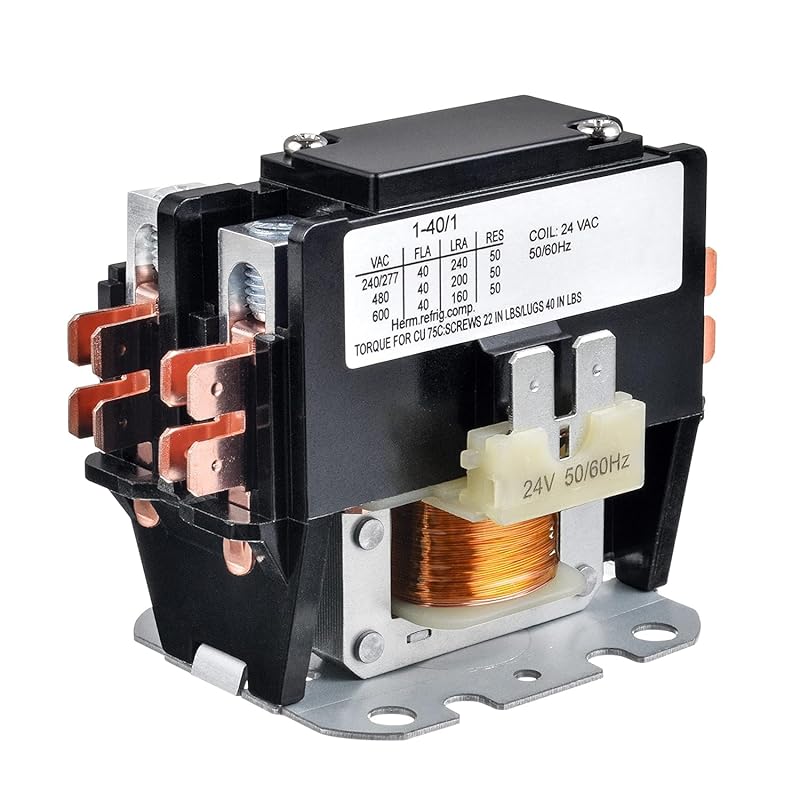
Replacing a capacitor in your Carrier air conditioner is a common repair that can save you money on cooling bills. The cost typically ranges from $50 to $150 per capacitor, depending on the model and type. This guide walks you through everything you need to know about pricing, installation, and when to call a pro.
If your Carrier air conditioner isn’t turning on or blowing cold air, the problem might be a bad capacitor. You’ve probably seen this little cylindrical component tucked near the compressor—it’s not glamorous, but it plays a big role in getting your system running smoothly. Replacing it might seem intimidating if you’re not familiar with HVAC parts, but knowing what to expect—especially how much a capacitor for a Carrier air conditioner costs—can save you time, money, and frustration.
In this detailed guide, we’ll break down everything about Carrier air conditioner capacitors: from identifying the right part to understanding pricing, installation, and safety precautions. Whether you’re a DIYer considering a fix yourself or just trying to understand repair estimates, you’ll walk away with clear answers and practical advice.
Key Takeaways
- Capacitor Cost Range: A single run capacitor usually costs between $30 and $150, with most residential models falling in the $50–$100 range.
- Labor Costs Add Up: Expect an additional $75–$150 for professional installation, making total replacement around $125–$250.
- Location Matters: Prices vary by region and local labor rates—urban areas often charge more than rural ones.
- Carrier vs. Aftermarket: OEM capacitors from Carrier dealers may cost more but offer better compatibility and warranty coverage.
- Diagnosis First: Always confirm the capacitor is faulty before replacing—misdiagnosis can lead to unnecessary expenses.
- Safety Is Critical: Capacitors store high-voltage electricity; never attempt replacement without proper tools and knowledge.
- Prevent Future Failures: Regular maintenance reduces capacitor wear and extends your AC’s lifespan.
📑 Table of Contents
- What Is a Capacitor and Why Does It Matter?
- How Much Does a Capacitor for a Carrier Air Conditioner Actually Cost?
- Total Replacement Cost Breakdown
- Signs You Need a New Capacitor
- DIY vs. Hiring a Pro: What Should You Do?
- Tips to Extend Capacitor Life and Avoid Early Failure
- Where to Buy a Carrier Air Conditioner Capacitor
- Common Mistakes People Make When Replacing Capacitors
- Final Thoughts: Is Capacitor Replacement Worth It?
What Is a Capacitor and Why Does It Matter?
At its core, a capacitor is an electrical device that stores energy and helps regulate voltage in your air conditioning system. In a Carrier unit, there are typically two types of capacitors: the **start capacitor** and the **run capacitor**. Each serves a distinct purpose:
– The **start capacitor** provides a quick burst of power to kick-start the compressor motor when the AC first turns on.
– The **run capacitor** supports continuous operation by maintaining steady voltage flow during normal runtime.
Over time, these components degrade due to heat exposure, electrical stress, and age. When they fail, your air conditioner may:
– Fail to start at all
– Make loud humming noises without cooling
– Cycle on and off rapidly (short cycling)
– Trip the circuit breaker
Recognizing these symptoms early can prevent bigger problems like compressor damage—which is far more expensive to fix.
How Much Does a Capacitor for a Carrier Air Conditioner Actually Cost?

Visual guide about How Much Is a Capacitor for a Carrier Air Conditioner
Image source: i.pinimg.com
The price of a capacitor for a Carrier air conditioner varies based on several factors. On average, you’ll pay anywhere from $30 to $150 per capacitor, with most standard residential models costing between $50 and $100. Here’s a closer look at what influences pricing:
1. Type of Capacitor
Carrier units commonly use dual-function (start + run) capacitors or separate start/run capacitors. Dual-capacitor units are slightly cheaper because they use fewer parts.
| Capacitor Type | Typical Price Range |
|—————-|———————|
| Run Capacitor Only | $40 – $80 |
| Start Capacitor Only | $35 – $70 |
| Dual-Function Capacitor | $50 – $100 |
2. Brand: OEM vs. Aftermarket
Original Equipment Manufacturer (OEM) capacitors—sold directly by Carrier or authorized dealers—tend to cost more but offer guaranteed fit and reliability. For example, a genuine Carrier capacitor might run $90–$120, while a compatible aftermarket brand could be $60–$85.
While aftermarket options are often reliable and cheaper, opting for OEM ensures full compatibility, especially in newer Carrier models with advanced control systems.
3. Model and Age of Your Unit
Older Carrier air conditioners (pre-2000s) may use older capacitor designs that are easier to source and less expensive. Newer models, particularly those with variable-speed compressors or smart thermostats, may require specialty capacitors that command higher prices.
For instance, a capacitor for a Carrier 24ABC6 (a popular central AC model) typically costs around $75–$95, whereas a capacitor for a Carrier Infinity series inverter-driven unit might be $110–$140 due to specialized circuitry.
4. Where You Buy It
Buying online (like Amazon, HVAC supply stores, or Carrier.com) usually gives you the best selection and competitive pricing. Local HVAC shops sometimes markup parts by 20–30%, but they offer the convenience of same-day pickup and expert advice.
Pro tip: Always verify compatibility using your unit’s serial number or model number before purchasing.
Total Replacement Cost Breakdown
Visual guide about How Much Is a Capacitor for a Carrier Air Conditioner
Image source: i.pcmag.com
Replacing a capacitor isn’t just about the part itself—labor adds significantly to the final bill. Here’s a realistic breakdown:
– **Part Cost**: $50 – $100
– **Labor Cost (DIY)**: $0 (if you do it yourself)
– **Labor Cost (Professional)**: $75 – $150
– **Diagnostic Fee (if charged)**: $50 – $100
So, the total cost for a professional replacement typically ranges from $125 to $250. If your technician charges a diagnostic fee and finds multiple issues, the final bill could exceed $300—but that’s rare for a simple capacitor swap.
On the other hand, doing it yourself saves labor costs and gives you peace of mind. Many HVAC forums report successful DIY replacements under 30 minutes, especially for beginners.
Signs You Need a New Capacitor
Before spending any money, confirm the capacitor is actually the culprit. Misdiagnosing other issues (like refrigerant leaks or fan motors) as capacitor failure leads to wasted cash.
Watch for these red flags:
– **AC won’t turn on**: No clicking sound, no airflow.
– **Loud humming noise**: Especially when the unit tries to start.
– **Frequent tripping**: Breaker keeps flipping during startup.
– **Short cycling**: System turns on briefly, then shuts off repeatedly.
– **Visible bulging or leaking**: Physical signs of internal failure.
To test a capacitor safely:
1. Turn off power at the breaker.
2. Discharge the capacitor using a insulated screwdriver across its terminals (be careful!).
3. Use a multimeter set to capacitance mode to check if it reads within ±10% of its rated value.
If you’re uncomfortable with electrical work, skip straight to hiring a licensed HVAC technician.
DIY vs. Hiring a Pro: What Should You Do?
Deciding whether to replace the capacitor yourself depends on your comfort level with electrical repairs, access to tools, and the complexity of your unit.
When to DIY
– You have basic hand tools (screwdriver, pliers, multimeter).
– Your unit is accessible and well-lit.
– You’ve watched a few YouTube tutorials and feel confident.
– The capacitor is clearly labeled and easy to locate.
Many homeowners successfully replace capacitors themselves and save over $100 in labor. Just remember: safety comes first. Always double-check that power is OFF before touching anything inside the electrical panel or near the condenser unit.
When to Call a Professional
– You’re unsure how to discharge the capacitor safely.
– The unit has complex wiring or integrated controls.
– You’ve replaced capacitors before and keep getting failures.
– You want a warranty on both parts and labor.
Licensed technicians also inspect other components during service, catching minor issues before they become major repairs. For Carrier owners, using a certified dealer ensures access to genuine parts and manufacturer-backed support.
Tips to Extend Capacitor Life and Avoid Early Failure
Even with perfect replacement, capacitors don’t last forever—typically 5–10 years under normal conditions. But you can reduce premature wear:
1. Keep the Unit Clean
Debris buildup around the outdoor condenser unit restricts airflow, causing the compressor to overheat. This stresses the capacitor unnecessarily. Trim vegetation, clean fins, and schedule annual tune-ups.
2. Don’t Ignore Strange Noises
A failing capacitor often starts with subtle vibrations or buzzing. Addressing it early prevents cascading damage.
3. Install a Surge Protector
Power surges from storms or grid fluctuations can fry sensitive components like capacitors. A whole-house surge protector protects your entire HVAC system.
4. Upgrade to a Smart Thermostat
Smart thermostats help your AC run efficiently, reducing frequent on/off cycles that strain capacitors.
5. Schedule Annual Maintenance
Carrier recommends servicing your unit once a year. Technicians clean coils, check refrigerant levels, and inspect capacitors—proactively replacing weak units before they fail.
Where to Buy a Carrier Air Conditioner Capacitor
Finding the right capacitor doesn’t have to be stressful. Here are trusted sources:
– **Carrier Official Website**: Use their part finder tool with your model/serial number.
– **Amazon**: Search for “Carrier capacitor” + your unit model. Read reviews carefully.
– **HVAC Supply Stores**: Local businesses like HVACDirect or Climate Control Warehouse often carry inventory and offer tech support.
– **Home Depot/Lowes**: Surprisingly, big-box stores stock common AC capacitors.
– **eBay**: Great for rare or discontinued models—but verify seller ratings.
Always cross-reference part numbers. For example, a capacitor marked “45D24-100” won’t work in every Carrier model—even if it looks similar.
Common Mistakes People Make When Replacing Capacitors
Learning from others’ errors saves time and money. Watch out for these pitfalls:
– **Skipping the discharge step**: Capacitors retain lethal voltage even after power-off. Always short terminals with a grounded tool.
– **Using wrong voltage/capacitance rating**: Match both exactly—using a higher-rated capacitor risks overheating.
– **Tightening terminals too much**: Over-torquing can crack ceramic insulators.
– **Installing backwards**: Some capacitors have polarity—check markings!
– **Assuming all hums mean capacitor failure**: Loose fan blades or dirty coils can mimic symptoms.
If in doubt, consult the owner’s manual or contact Carrier customer service.
Final Thoughts: Is Capacitor Replacement Worth It?
Replacing a capacitor in your Carrier air conditioner is one of the most cost-effective HVAC repairs you can make. At less than $250 total, it restores full cooling function and prevents more expensive compressor failures. Whether you tackle it yourself or hire a pro, acting quickly when symptoms appear pays off in comfort, efficiency, and long-term savings.
Remember: a healthy capacitor means a happy home. Stay proactive, stay safe, and don’t ignore warning signs. With the right information—and maybe a little help from a trusted technician—you’ll get your Carrier back up and running in no time.
Frequently Asked Questions
How much does a capacitor cost for a Carrier air conditioner?
A capacitor for a Carrier air conditioner typically costs between $50 and $100, though prices can range from $30 to $150 depending on the model, type, and where you buy it. Labor adds another $75–$150 if installed professionally, bringing the total replacement cost to around $125–$250.
Can I replace a capacitor myself on my Carrier AC?
Yes, many homeowners successfully replace capacitors themselves with basic tools and safety precautions. However, always turn off power, discharge the capacitor safely, and verify compatibility. If you’re unsure, hiring a licensed HVAC technician is safer and ensures proper diagnostics.
How long do Carrier air conditioner capacitors last?
Most capacitors last between 5 and 10 years under normal operating conditions. Factors like extreme heat, frequent cycling, poor maintenance, or power surges can shorten their lifespan. Annual HVAC inspections help catch early wear.
What are the signs of a bad capacitor in a Carrier air conditioner?
Common signs include the unit failing to start, loud humming without cooling, rapid on-off cycling, tripped breakers, or visible bulging/leaking on the capacitor. These indicate potential failure and should be checked immediately.
Is it worth replacing a capacitor or should I just buy a new AC?
Replacing a capacitor is almost always more cost-effective than buying a new AC. Since capacitors rarely fail unless there’s underlying damage, fixing this simple component restores full function for a fraction of replacement cost—typically under $250 total.
Where can I buy a genuine Carrier capacitor?
You can purchase genuine Carrier capacitors through their official website, authorized dealers, or reputable HVAC suppliers like HVACDirect. Online retailers like Amazon also sell compatible options—just verify part numbers match your exact model.