Carrier air conditioners typically last 10 to 15 years, depending on usage and care. Regular maintenance and proper installation extend longevity, while neglect can shorten their life significantly. Whether you’re replacing an old unit or planning ahead, knowing the lifespan helps you budget and stay comfortable.
Key Takeaways
- Average Lifespan: Most Carrier AC units last between 10 and 15 years with normal use and upkeep.
- Maintenance Matters: Routine cleaning, filter changes, and professional tune-ups boost performance and durability.
- Installation Quality: Proper installation by certified technicians prevents early wear and improves efficiency.
- Environmental Impact: Extreme heat, humidity, or poor airflow reduce lifespan—climate affects how long your unit lasts.
- Model Differences: High-efficiency models may last longer due to better components and design.
- Signs of Aging: Reduced cooling, loud noises, or frequent repairs signal it’s time for a replacement.
- Savings Strategy: Replacing before failure avoids emergency costs and keeps energy bills low.
📑 Table of Contents
- How Long Does a Carrier Air Conditioner Last?
- What Is the Average Lifespan of a Carrier Air Conditioner?
- Why Do Some Carrier Units Last Longer Than Others?
- Signs Your Carrier AC Is Getting Old
- Can You Extend the Life of Your Carrier Air Conditioner?
- Does the Age of Your Home Matter?
- Comparing Carrier AC Models: Which Lasts Longer?
- When Should You Replace Your Carrier Air Conditioner?
- Cost Considerations: Repair vs. Replace
- Environmental Factors Affecting Carrier AC Longevity
- Warranty Coverage and Its Impact on Longevity
- Real-World Examples: How Long Did People Keep Their Carrier Units?
- Future-Proofing Your Investment
- Conclusion: Make Your Carrier AC Last
How Long Does a Carrier Air Conditioner Last?
If you’re thinking about upgrading or replacing your home’s cooling system, you might be wondering: how long does a Carrier air conditioner last? Carrier is one of the most trusted names in HVAC (heating, ventilation, and air conditioning) systems, known for reliability, innovation, and long-lasting performance. But like any major appliance, its lifespan isn’t guaranteed forever. Understanding how long your Carrier AC unit can last—and what influences that number—can help you plan better, avoid surprises, and get the best return on your investment.
In this guide, we’ll walk through everything you need to know about Carrier air conditioner longevity. From average lifespans and key influencing factors to maintenance tips and warning signs of aging, you’ll learn how to make your unit last as long as possible. We’ll also explore whether newer models offer better durability and how climate, usage patterns, and installation quality play roles in your AC’s life expectancy.
What Is the Average Lifespan of a Carrier Air Conditioner?
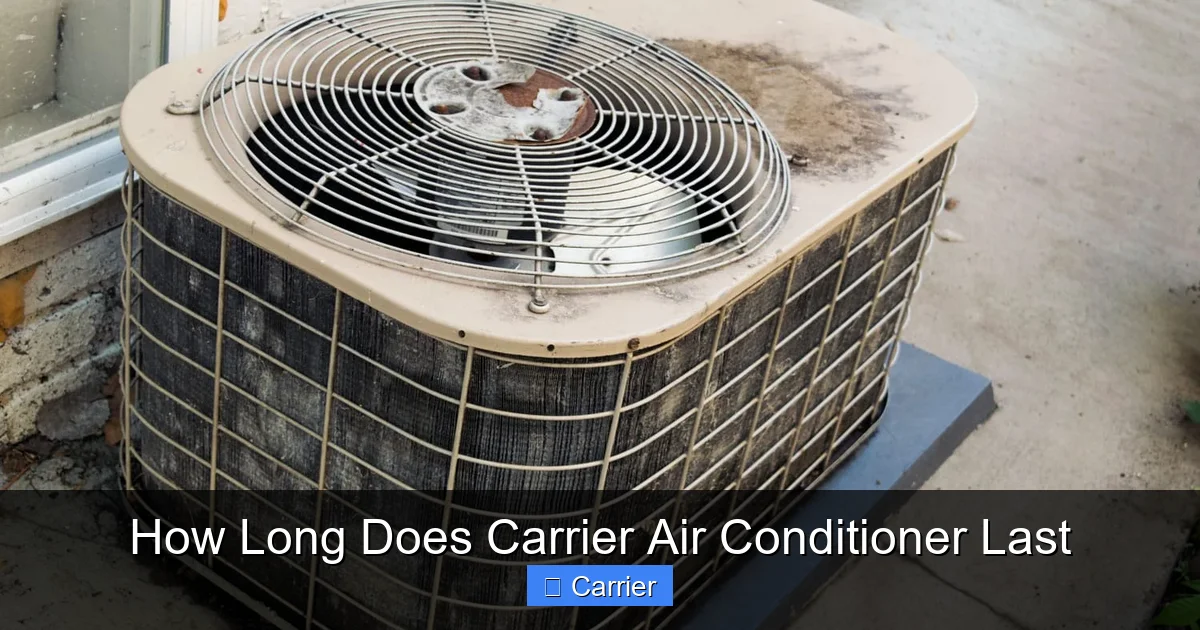
The typical lifespan of a Carrier central air conditioning system ranges from 10 to 15 years. This estimate applies to residential units installed in average conditions with regular maintenance. However, some well-maintained systems have lasted up to 20 years, while others may fail prematurely due to poor care or environmental stressors.
Visual guide about How Long Does Carrier Air Conditioner Last
Image source: hvacseer.com
Factors That Influence Lifespan
Several variables determine how long your Carrier air conditioner will run efficiently. Let’s break them down:
- Quality of Installation: Even the best unit won’t last long if installed incorrectly. Poor ductwork, improper refrigerant levels, or rushed setups lead to strain and early failure.
- Maintenance Frequency: Annual servicing—including coil cleaning, filter replacement, and electrical checks—keeps your system running smoothly.
- Usage Patterns: Homes in hot climates where the AC runs 24/7 naturally wear out faster than those in milder regions.
- Indoor Air Quality: Dust buildup, mold, or high humidity accelerate component degradation.
- Type of Unit: Central air conditioners generally last longer than window or portable units. Carrier’s premium models (like the Performance™ or Infinity™ series) often include enhanced materials and warranties that support longevity.
Why Do Some Carrier Units Last Longer Than Others?
Not all Carrier air conditioners age at the same rate. While the brand is respected for durability, real-world performance depends heavily on user behavior and external conditions. Here’s why some systems outlast others:

Visual guide about How Long Does Carrier Air Conditioner Last
Image source: pic4.zhimg.com
Proper Maintenance Is Key
Think of your AC like a car—it needs regular oil changes and tune-ups to keep running. For Carrier units, that means:
- Replacing air filters every 1–3 months during peak seasons
- Scheduling biannual inspections (spring and fall)
- Cleaning outdoor condenser coils annually
- Checking refrigerant levels and ensuring no leaks
Skipping these steps leads to clogged filters, dirty coils, and increased energy consumption—all of which shorten your system’s life. A clogged filter forces the compressor to work harder, overheating internal parts over time.
Climate Plays a Big Role
If you live in Phoenix, Arizona, or Houston, Texas, your AC works overtime during blistering summers. Constant high demand wears down components faster than in temperate zones. In contrast, homes in places like Portland or Seattle see shorter runtimes, giving units more rest periods between cycles.
Even subtle differences matter. High humidity increases condensation inside the unit, promoting rust and mold growth unless properly drained and ventilated.
Installation Quality Makes a Difference
A Carrier air conditioner is only as good as its installation. Hiring a licensed HVAC technician ensures:
- Correct sizing—oversized units cycle on/off too often (short cycling), which damages compressors
- Secure electrical connections and proper grounding
- Optimal placement of indoor and outdoor units for airflow and drainage
Cheaper, DIY installations might save money upfront but cost more in repairs and replacements down the line.
Signs Your Carrier AC Is Getting Old
Knowing when your Carrier air conditioner is nearing the end of its life helps you avoid breakdowns and unexpected expenses. Watch for these red flags:
Reduced Cooling Efficiency
If rooms aren’t cooling evenly or take longer to reach desired temperatures, your unit may be losing refrigerant or developing mechanical issues. Older systems also struggle because internal parts degrade over time.
Unusual Noises
Rattling, grinding, or squealing sounds usually indicate loose belts, failing motors, or debris in the fan assembly. These noises worsen with age and signal urgent attention is needed.
Frequent Repairs
If you find yourself calling technicians every few months for the same problems (e.g., frozen evaporator coils, tripped breakers), it’s a sign the system is struggling to keep up.
High Energy Bills
An aging AC loses efficiency. If your utility bills spike without explanation, your unit could be working harder than necessary—a common symptom of wear and tear.
Loud Banging or Clicking
These sounds often mean internal components are failing. Ignoring them risks total system shutdown.
Water Leaks Around the Unit
While some condensation is normal, persistent leaks suggest blocked drains, damaged pans, or refrigerant issues common in older models.
Can You Extend the Life of Your Carrier Air Conditioner?
The good news? Yes! With smart habits and proactive care, you can push your Carrier AC beyond the average lifespan. Here’s how:
Stick to a Maintenance Schedule
Most manufacturers recommend annual professional servicing. During these visits, technicians inspect capacitors, clean coils, test thermostats, and ensure electrical connections are tight. Many HVAC companies now offer maintenance plans that include two free tune-ups per year.
Change Filters Regularly
Dirty filters restrict airflow, forcing your system to overwork. Replace pleated filters every 90 days; standard fiberglass ones every month during heavy use. Some modern Carrier models feature reusable electrostatic filters—just rinse and reuse!
Keep Outdoor Unit Clear
The condensing unit outside should have at least two feet of clearance on all sides. Trim bushes, remove leaves, and hose off dust buildup to maintain airflow and prevent overheating.
Use a Programmable Thermostat
Smart thermostats like Carrier’s own Comfort™ or Nest learning models optimize runtime based on occupancy and weather. This reduces unnecessary cycling and extends compressor life.
Address Issues Immediately
Don’t wait for a full breakdown. If you notice weak airflow or warm spots, call a pro right away. Catching problems early prevents cascading damage.
Upgrade to a Higher-Efficiency Model
If your current unit is over 10 years old, consider upgrading to a Carrier Infinity or Performance series. These include advanced features like variable-speed compressors and corrosion-resistant cabinets designed for longer life.
Does the Age of Your Home Matter?
Older homes present unique challenges for Carrier AC longevity. Ductwork in pre-1980s houses is often leaky, uninsulated, or poorly sized—causing inefficiencies and uneven cooling. This extra strain accelerates wear.
However, many homeowners successfully install Carrier systems in historic homes using modern retrofits. Sealing ducts, adding insulation, and zoning controls can dramatically improve performance and extend unit life regardless of construction date.
Another consideration: older homes may lack dedicated electrical circuits for large AC units. Running a Carrier model without sufficient power supply risks overloading circuits and damaging components.
Comparing Carrier AC Models: Which Lasts Longer?
Carrier offers several lines, each with different durability profiles:
- Performance Series: Reliable mid-tier units lasting 10–13 years with basic care.
- Infinity Series: Top-tier models with extended warranties (up to 12 years parts/labor) and superior build quality—often exceeding 15 years.
- Legacy Units (Pre-2000): Older models may last 8–10 years due to outdated technology and less robust materials.
Newer Carrier units also incorporate innovations like:
- Corrosion-resistant aluminum coils
- Stainless steel heat exchangers
- Self-diagnostic software that alerts owners to potential failures
These features contribute directly to longer service lives.
When Should You Replace Your Carrier Air Conditioner?
Timing matters. Replacing your Carrier AC before it fails completely avoids emergency calls and costly repairs. Experts recommend replacement when:
- It’s been 10+ years since installation
- Repair costs exceed 50% of a new system’s price
- You’re spending more on energy than you would with an efficient model
- Your home feels uncomfortable despite constant operation
Modern Carrier units boast SEER ratings up to 26 (compared to 13–15 in older models), meaning significant savings on electricity bills. The initial investment pays off within 3–5 years through reduced operating costs.
Cost Considerations: Repair vs. Replace
Deciding whether to repair or replace depends on multiple factors. Ask yourself:
- Is the problem recurring or isolated?
- How old is the unit?
- Are energy bills rising sharply?
For units under 8 years old with infrequent issues, repairs may suffice. But if your Carrier AC is over 10 years old and needs repeated fixes, replacement is usually smarter financially—especially if the new model qualifies for federal tax credits (up to $600 under the Inflation Reduction Act).
Environmental Factors Affecting Carrier AC Longevity
Beyond human-controlled variables, nature impacts your system’s health:
Extreme Temperatures
Consistent temperatures above 100°F force compressors to run constantly, increasing wear. Systems in desert climates may need more frequent maintenance than those in coastal areas.
Pest Infestations
Birds nesting in outdoor units or rodents chewing wiring can cause serious damage. Regular inspections help catch these issues early.
Weather Events
Hurricanes, hailstorms, or flooding can physically damage components. Ensure your unit is elevated above flood levels and shielded from debris.
Soil Conditions
Clay-heavy soil around outdoor units can retain moisture, promoting rust. Gravel pads improve drainage and reduce corrosion risk.
Warranty Coverage and Its Impact on Longevity
Carrier offers comprehensive warranties that reflect confidence in product durability:
- Standard Warranty: 5–10 years on parts and labor for most models
- Enhanced Warranties: Extended coverage available through certified dealers or maintenance plans
- Lifetime Compressor Warranty: Included on select Infinity models
Keeping proof of purchase and maintenance records strengthens warranty claims. Skipping required services voids coverage, leaving you responsible for expensive repairs.
Real-World Examples: How Long Did People Keep Their Carrier Units?
Customer stories reveal wide variation—but highlight consistent themes:
- Sarah, Florida: Installed a Carrier Performance unit in 2008. Replaced filters monthly, had annual tune-ups. Still running strong in 2023—over 15 years later.
- Mike, Colorado: Had a 1999 Carrier AC until 2010. Never serviced it; replaced after compressor failure. Regrets not investing in maintenance earlier.
- Lisa, California: Upgraded to a Carrier Infinity in 2015. Now 8 years old with zero issues—she expects it to last 20+ years.
These examples prove that while age matters, care makes the difference.
Future-Proofing Your Investment
Technology evolves fast. To future-proof your Carrier AC purchase:
- Choose ENERGY STAR® certified models
- Install smart thermostats compatible with remote monitoring
- Consider solar-ready systems if you plan to go green
- Plan for ductless mini-splits in new constructions or room additions
Modern Carrier units integrate with apps that track performance, send alerts, and schedule maintenance—helping you stay ahead of problems.
Conclusion: Make Your Carrier AC Last
So, how long does a Carrier air conditioner last? On average, between 10 and 15 years—but with proper care, it can easily surpass that mark. The secret isn’t just buying a quality brand; it’s maintaining it like the asset it is. From changing filters to scheduling professional inspections, small actions add up to big results.
Remember: your Carrier AC is your ally against summer heat. Treat it well, and it’ll reward you with reliable cooling, lower bills, and peace of mind. When it’s time to replace, choose wisely—your comfort and wallet will thank you.
Frequently Asked Questions
How long do Carrier air conditioners typically last?
Most Carrier central air conditioners last between 10 and 15 years with regular maintenance and normal usage. Well-cared-for units may reach 18–20 years, especially if installed correctly and operated in moderate climates.
What causes a Carrier AC to fail early?
Early failure often results from poor installation, infrequent maintenance, dirty filters, extreme weather exposure, or short cycling (frequent on/off cycles). Lack of professional servicing is the leading cause of premature breakdowns.
Can I extend my Carrier AC’s lifespan with DIY maintenance?
Yes! Simple tasks like replacing air filters every 1–3 months, clearing debris around the outdoor unit, and checking thermostat settings can add years to your system’s life. Combine these with annual professional tune-ups for best results.
Should I repair or replace my aging Carrier AC?
Replace if your unit is over 10 years old, repair costs exceed half the price of a new system, or energy bills are rising sharply. For units under 8 years old with minor issues, repairs may be worthwhile.
Do newer Carrier models last longer than older ones?
Generally, yes. Newer Carrier models (especially the Infinity and Performance series) feature improved materials, variable-speed technology, and self-diagnostic tools that enhance durability and efficiency compared to pre-2000 units.
Is it worth investing in a high-end Carrier model for longevity?
Absolutely. High-efficiency Carrier models like the Infinity series include corrosion-resistant components, extended warranties, and smarter engineering that support longer lifespans and better performance over time—ideal for hot climates or heavy usage.