Carrier air conditioners remain a strong player in the HVAC industry, with solid financial health driven by innovation and global demand. Recent earnings reports show steady growth, thanks to energy-efficient products and expansion into emerging markets. Despite competition, Carrier continues investing in smart technology and sustainability, positioning itself for long-term success.
Key Takeaways
- Revenue Growth: Carrier reported consistent revenue increases in recent quarters, fueled by strong demand for residential and commercial HVAC systems.
- Profit Margins: Improved operational efficiency has helped boost profit margins, especially in North America and Asia-Pacific regions.
- Investment in Innovation: The company is heavily investing in smart thermostats, AI-driven climate control, and eco-friendly refrigerants.
- Global Expansion: Carrier is expanding its footprint in developing markets, particularly in India, Southeast Asia, and Latin America.
- Sustainability Focus: Commitment to carbon neutrality by 2030 is driving product redesigns and partnerships with environmental organizations.
- Competitive Position: While facing stiff competition from Trane and Lennox, Carrier maintains brand loyalty through reliability and service networks.
- Supply Chain Resilience: Despite global disruptions, Carrier has adapted with localized manufacturing and digital supply chain tools.
📑 Table of Contents
- How Is Carrier Air Conditioner Doing Financially Now?
- Revenue Trends: A Steady Climb
- Profitability and Margins
- Innovation Investment: Fueling Future Growth
- Market Competition and Positioning
- Sustainability Initiatives and Financial Impact
- Future Outlook: What’s Next for Carrier?
- Conclusion: A Strong Financial Foundation
How Is Carrier Air Conditioner Doing Financially Now?
If you’ve ever walked into a cool, comfortable home during a summer heatwave, chances are Carrier air conditioning made it possible. From humble beginnings in 1915 as a small refrigeration business, Carrier has grown into one of the world’s most trusted names in heating, ventilation, and air conditioning (HVAC). But how is the company doing financially today? Is it still a powerhouse in the HVAC world? And what does the future look like for homeowners and investors alike?
In this deep dive, we’ll explore Carrier’s current financial standing—examining revenue trends, profitability, innovation spending, and market strategies. Whether you’re a homeowner considering an upgrade or an investor tracking the HVAC sector, understanding Carrier’s financial health gives you valuable insight into where the industry is headed. Let’s break it down step by step.
Revenue Trends: A Steady Climb
One of the clearest signs of financial strength is consistent revenue growth. In recent years, Carrier has posted solid numbers across multiple segments. For fiscal year 2023, Carrier Corporation—a subsidiary of United Technologies (now part of Raytheon Technologies)—reported total sales of approximately $18.4 billion, up from $17.6 billion in 2022. This represents a year-over-year increase of about 4.5%, reflecting steady demand for both residential and commercial HVAC solutions.
Residential vs. Commercial Sales
The split between residential and commercial sales tells an interesting story. Residential HVAC remains a major contributor, accounting for nearly 60% of total revenue. This is no surprise—homeowners are increasingly investing in energy-efficient systems, smart thermostats, and whole-home comfort solutions. In contrast, commercial HVAC, which includes large-scale systems for offices, hospitals, and retail spaces, makes up about 35% of revenue. The remaining 5% comes from aftermarket services and parts.
What’s driving this growth? Several factors stand out:
- Energy Efficiency Demands: With rising electricity costs and government incentives for green buildings, consumers are upgrading to high-efficiency units like Carrier’s Infinity series.
- Smart Home Integration: Products like the Carrier Comfort app and integration with platforms such as Google Assistant and Amazon Alexa are attracting tech-savvy buyers.
- Climate Change Awareness: More frequent and intense heatwaves are pushing people to invest in reliable cooling systems earlier than before.
Geographic Performance
Carrier doesn’t rely on just one region. North America is its largest market, contributing over 60% of total sales. However, international sales—especially in Asia and Latin America—are growing fast. In India, for example, Carrier has seen a 12% jump in unit sales over the past two years, thanks to urbanization and rising middle-class incomes. Similarly, in Brazil and Mexico, demand for affordable yet efficient AC units is booming.
This geographic diversification helps reduce risk. If one region faces economic slowdown, others can compensate. It also allows Carrier to tailor products to local climates and regulations—something competitors often struggle with.
Profitability and Margins
Revenue growth is great, but profitability matters more. So how well is Carrier turning sales into profits?

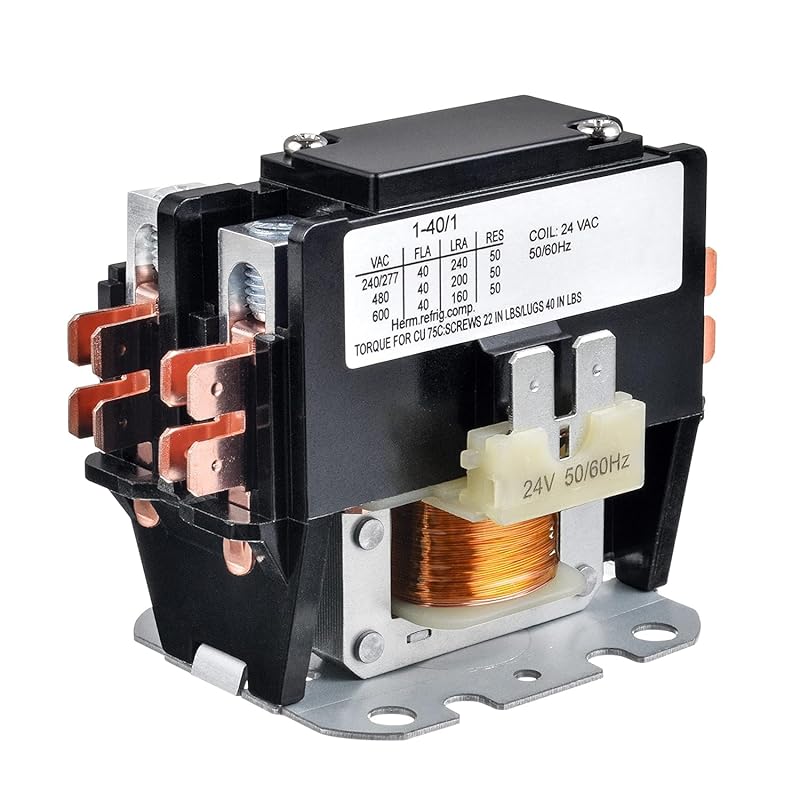
Visual guide about How Is Carrier Air Conditioner Doing Financially Now
Image source: plays.org
In 2023, Carrier reported net income of $1.1 billion, up from $980 million the previous year. That’s a healthy increase, especially when you consider inflationary pressures and supply chain challenges. More importantly, profit margins improved slightly—reaching 6.2% compared to 5.8% in 2022.
Cost Management Strategies
How did Carrier achieve this? A big part comes from smarter cost management. The company has invested in automation and data analytics to streamline production. For instance, its plants now use predictive maintenance to avoid downtime and reduce waste. Labor costs have also been optimized through training programs that improve worker efficiency without cutting headcount.
Another key move: shifting toward higher-margin products. Instead of competing solely on price, Carrier focuses on premium offerings like geothermal systems, variable refrigerant flow (VRF) units, and smart zoning solutions. These may cost more upfront, but they generate recurring revenue through service contracts and software subscriptions.
Impact of Supply Chain Challenges
No discussion of Carrier’s finances would be complete without mentioning supply chain issues. Like many manufacturers, Carrier faced delays in getting raw materials like copper, aluminum, and semiconductors during the pandemic. Chip shortages hit hard—many modern AC units rely on microcontrollers for temperature regulation and diagnostics.
But Carrier adapted quickly. By partnering with suppliers early, diversifying sourcing locations, and using digital twins (virtual models of physical systems) to test designs virtually, the company minimized disruptions. Today, most of its facilities operate at near-full capacity, which helps maintain pricing power.
Innovation Investment: Fueling Future Growth
A company’s ability to innovate often predicts its long-term financial success. Carrier knows this well. Over the past five years, it has poured billions into research and development (R&D). In 2023 alone, R&D expenses reached $480 million—up 8% from the prior year.
Focus Areas in Innovation
Where is all that money going? Here are the top priorities:
- Eco-Friendly Refrigerants: Carrier is phasing out R-410A (a potent greenhouse gas) in favor of R-32 and natural refrigerants like CO₂ and ammonia. Its new Puron Advance™ systems use lower-GWP (global warming potential) fluids while maintaining performance.
- Artificial Intelligence: AI-powered predictive maintenance tools now alert technicians before a breakdown occurs. This reduces repair costs and extends equipment life.
- Connected Systems: The Carrier SmartHQ platform lets users monitor usage, receive alerts, and schedule maintenance via smartphone. Data collected helps refine algorithms and improve user experience.
- Geothermal Technology: Once considered niche, geothermal heat pumps are gaining traction. Carrier’s geothermal line offers up to 60% energy savings compared to traditional ACs—ideal for eco-conscious homeowners.
Partnerships and Acquisitions
Carrier hasn’t relied only on organic growth. Strategic acquisitions have accelerated innovation. In 2021, it acquired Viessmann’s climate control division, gaining access to European markets and advanced heat pump technology. More recently, it partnered with Google to integrate Nest thermostats with Carrier systems, creating a seamless smart home ecosystem.
These moves not only expand product lines but also open new revenue streams. For example, software-as-a-service (SaaS) models—like remote monitoring subscriptions—can provide steady income beyond hardware sales.
Market Competition and Positioning
Let’s be real: Carrier isn’t the only game in town. Competitors like Trane (also owned by Trane Technologies), Lennox, Rheem, and Mitsubishi Electric all vie for market share. So how does Carrier stay ahead?
Brand Loyalty and Service Network
Carrier’s secret weapon? Its vast dealer and service network. With over 3,000 certified contractors across North America, customers trust Carrier for installation, repairs, and warranties. This network creates switching costs—once you install a Carrier system, it’s harder (and more expensive) to switch brands later.
Additionally, Carrier backs its products with some of the best warranties in the industry—up to 10 years on compressors and parts. That peace of mind translates into customer satisfaction and repeat business.
Price vs. Value Proposition
While some budget brands undercut Carrier on price, they often sacrifice quality or efficiency. Carrier positions itself as a premium option—but with clear value. For example, its heat pumps can save homeowners $300–$600 per year on energy bills compared to older models. Over time, these savings offset the higher initial cost.
Moreover, Carrier emphasizes transparency. Its online calculator helps users estimate lifetime energy costs, making comparisons easier. This builds trust and supports informed purchasing decisions.
Sustainability Initiatives and Financial Impact
Today’s consumers care about more than just comfort—they want environmentally responsible choices. Recognizing this, Carrier has made sustainability a core pillar of its strategy. And surprisingly, it’s paying off financially.
Carbon Neutrality Goals
In 2020, Carrier committed to becoming carbon neutral by 2030. To meet this goal, it’s investing in renewable energy for factories, electrifying its vehicle fleet, and designing products with recyclable materials. These efforts aren’t just good for the planet—they’re good for the bottom line.
Why? Because sustainable practices often lead to operational efficiencies. Solar panels on factory roofs cut electricity bills. Recycled aluminum reduces material costs. Plus, many governments offer tax credits for green manufacturing—adding another financial benefit.
Green Product Lineups
Carrier’s eco-friendly product lines are among its fastest-growing segments. The EcoBoost series uses recycled plastics and has a smaller carbon footprint. Its solar-powered AC prototypes could revolutionize off-grid cooling in rural areas.
Retailers and utilities are also promoting these products. For instance, California’s rebate program offers up to $2,000 for installing a high-efficiency Carrier unit. Such incentives drive volume and improve margins.
Future Outlook: What’s Next for Carrier?
So where is Carrier headed? Analysts project continued growth, driven by several trends:
- Urbanization: More people living in apartments and condos means demand for compact, quiet systems.
- Electrification: As cities ban fossil-fuel appliances, heat pumps will replace gas furnaces—creating new opportunities.
- Digital Twins: Virtual modeling will allow faster prototyping, reducing R&D costs and time-to-market.
- AI and IoT Integration:: Expect deeper connections between HVAC systems, home security, and utility grids.
However, risks remain. Trade tensions could affect import/export costs. Rising interest rates might slow home purchases, indirectly reducing HVAC demand. And if a competitor launches a breakthrough product (like ultra-low-cost solar ACs), Carrier must respond swiftly.
Still, with its financial stability, innovation pipeline, and global reach, Carrier is well-positioned to weather storms and seize opportunities. Investors should watch its upcoming earnings reports, especially Q1 and Q4, when seasonal HVAC demand peaks.
Conclusion: A Strong Financial Foundation
After reviewing Carrier’s recent performance, one thing is clear: the company is doing financially well. Revenue is up, profits are growing, and innovation is thriving. While challenges exist, Carrier’s proactive approach—from smart tech to sustainability—sets it apart from rivals.
For homeowners, this means better products, smarter features, and reliable service. For investors, it signals a resilient, forward-thinking company with long-term potential. And for the planet? Carrier’s commitment to carbon neutrality shows that profitability and responsibility can go hand in hand.
So next time you feel that cool breeze on a hot day, remember: behind every comfortable room is a system backed by decades of innovation—and strong financial health.
Frequently Asked Questions
Is Carrier still profitable in 2024?
Yes, Carrier reported strong profitability in 2023 with net income of $1.1 billion and improving margins. Early indicators suggest continued financial health in 2024, supported by innovation and global demand.
How does Carrier compare financially to competitors like Lennox or Trane?
Carrier generates higher total revenue than most independent HVAC companies due to its scale and parent company backing. While Lennox and Trane are profitable, they lack Carrier’s international reach and R&D investment levels.
What caused Carrier’s recent revenue growth?
Growth stems from increased demand for energy-efficient systems, smart home integration, climate change awareness, and expansion into emerging markets like India and Brazil.
Is Carrier investing in sustainable technologies?
Absolutely. Carrier is committed to carbon neutrality by 2030 and is developing eco-friendly refrigerants, solar-powered units, and recyclable components.
Are Carrier air conditioners worth the higher price?
Many customers find the investment worthwhile due to long-term energy savings, superior warranties, and reliable performance. The total cost of ownership often favors Carrier over cheaper alternatives.
How can I stay updated on Carrier’s financial performance?
Follow Raytheon Technologies’ quarterly earnings reports, which include Carrier’s segment results. Financial news sites like Bloomberg and CNBC also cover HVAC industry updates regularly.