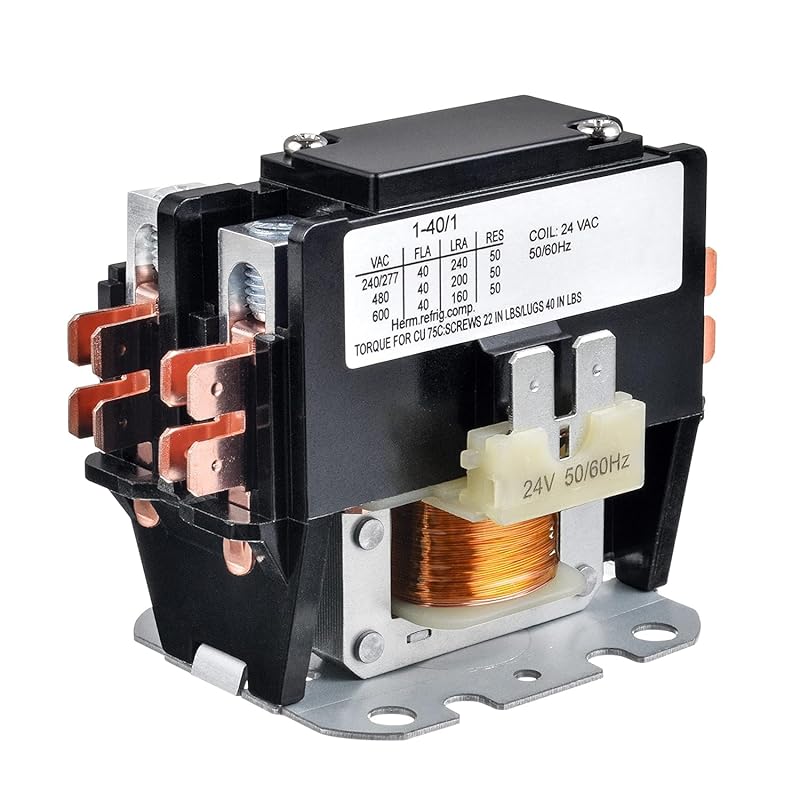
Carrier air conditioners use a refrigerant-based refrigeration cycle to cool your home efficiently. From the compressor to the thermostat, every part plays a vital role in maintaining comfortable indoor temperatures. With smart features and high SEER ratings, Carrier units deliver reliable performance while saving energy.
Key Takeaways
- Refrigerant Cycle: Carrier ACs rely on a closed-loop system using refrigerant to absorb and release heat as it circulates through coils.
- Compressor Function: The heart of the system, the compressor increases refrigerant pressure and temperature before it enters the condenser.
- Energy Efficiency: High SEER ratings (up to 26) ensure lower electricity bills and reduced environmental impact.
- Smart Controls: Many modern Carrier units feature Wi-Fi connectivity, programmable thermostats, and voice control for convenience.
- Proper Sizing Matters: Correctly sized systems prevent short cycling and improve comfort and efficiency.
- Regular Maintenance: Clean filters, coil cleaning, and annual servicing keep your Carrier AC running smoothly.
- Indoor Comfort: Dehumidification and airflow management enhance comfort beyond just temperature reduction.
📑 Table of Contents
- How Does Carrier Air Conditioner Work?
- The Science Behind Cooling: The Refrigeration Cycle
- Key Components of a Carrier Air Conditioner
- Energy Efficiency and SEER Ratings
- Smart Features and Technology
- Proper Sizing: Why It Matters
- Maintenance Tips for Long-Lasting Performance
- Common Issues and Troubleshooting
- Environmental Responsibility and Refrigerants
- Why Choose a Carrier Air Conditioner?
- Conclusion: Cool Comfort Made Simple
How Does Carrier Air Conditioner Work?
Imagine coming home on a sweltering summer day, only to find your house feeling like an oven. Then you flip the switch, and within minutes, cool, refreshing air flows from the vents—your Carrier air conditioner has done its job. But have you ever wondered what’s happening inside that sleek outdoor unit or how your AC actually keeps you cool? The answer lies in a beautifully engineered process known as the vapor-compression refrigeration cycle, the same principle used in refrigerators, freezers, and, of course, Carrier air conditioners.
Carrier has been a leader in heating, ventilation, and air conditioning (HVAC) systems since 1915. Today, their air conditioners are trusted across homes and businesses worldwide. Whether you’re cooling a small apartment or a large commercial space, Carrier designs its systems with precision, energy efficiency, and long-term reliability in mind. Understanding how your Carrier air conditioner works doesn’t require a degree in engineering—it’s simpler than you might think. In this article, we’ll walk through each step of the cooling process, explain the key components, and share practical tips to help you get the most out of your system.
The Science Behind Cooling: The Refrigeration Cycle
At the core of every Carrier air conditioner is the vapor-compression refrigeration cycle. This cycle is a closed loop that continuously moves a special substance called refrigerant through a series of four main components: the compressor, condenser coil, expansion valve, and evaporator coil. As the refrigerant travels through these parts, it changes states—from gas to liquid and back again—absorbing heat from inside your home and releasing it outside.
Visual guide about How Does Carrier Air Conditioner Work
Image source: m.media-amazon.com
Step 1: Evaporation – Absorbing Heat Inside Your Home
The process begins inside your home, in the indoor unit, which houses the evaporator coil. When warm indoor air passes over this cold coil, the refrigerant inside absorbs heat from the air. As the warm air gives up its heat, it cools down and circulates back into your living spaces through supply vents. At the same time, the refrigerant, now heated by the indoor air, turns into a low-pressure gas.
This step is crucial because it removes both heat and moisture from the air. That’s why your Carrier AC not only cools but also dehumidifies—making your home feel more comfortable, especially during humid summer months.
Step 2: Compression – Increasing Pressure and Temperature
The low-pressure refrigerant gas then travels to the outdoor unit and enters the compressor. This is often called the “heart” of the air conditioner. The compressor squeezes the refrigerant, increasing its pressure and temperature significantly. Think of it like squeezing a bicycle pump—the faster you pump, the hotter the air gets at the nozzle.
In a Carrier system, the compressor transforms the low-pressure gas into a high-pressure, high-temperature gas. This hot gas is now ready to release the heat it absorbed indoors, but first, it must move to the next stage.
Step 3: Condensation – Releasing Heat Outside
The high-pressure gas flows into the condenser coil, located in the outdoor unit. Here, fans blow ambient air across the coil, helping the refrigerant release its heat to the outside air. As the hot gas loses heat, it condenses into a high-pressure liquid.
During this phase, the refrigerant changes from a gas back into a liquid, but it remains under high pressure. This liquid refrigerant still holds the heat it absorbed from inside your home, and it’s now heading toward the final component.
Step 4: Expansion – Dropping Pressure and Temperature
The high-pressure liquid refrigerant passes through the expansion valve (also called a metering device). This tiny but important component restricts the flow of refrigerant, causing a sudden drop in pressure. As pressure decreases, the refrigerant rapidly cools down—sometimes dropping to near-freezing temperatures.
Now, the refrigerant is a cold, low-pressure liquid, ready to re-enter the evaporator coil and start the cycle all over again. This controlled drop in pressure and temperature is essential for efficient cooling.
Key Components of a Carrier Air Conditioner
Each part of your Carrier air conditioner plays a unique role in keeping your home cool. Let’s take a closer look at the major components and how they work together.
Visual guide about How Does Carrier Air Conditioner Work
Image source: s3b.cashify.in
The Compressor
The compressor is arguably the most important part of any Carrier air conditioner. It’s responsible for pressurizing the refrigerant and moving it through the system. Carrier offers both single-stage and variable-speed compressors in their residential units. Variable-speed models adjust output based on cooling demand, improving efficiency and comfort.
For example, if your home only needs a little cooling, the compressor runs at a slower speed instead of turning on and off repeatedly. This reduces wear and tear and lowers energy consumption—especially noticeable during milder days when full capacity isn’t needed.
Evaporator and Condenser Coils
The evaporator coil is located inside your home, usually connected to the furnace or air handler. It’s where the magic of heat absorption happens. Over time, dust and debris can build up on the coil, reducing efficiency. That’s why regular maintenance, including coil cleaning, is so important.
The condenser coil, on the other hand, sits in the outdoor unit. It releases heat to the outside air. Like the evaporator coil, the condenser should remain clean and unobstructed—no leaves, dirt, or snow blocking the airflow.
Expansion Valve
This small but powerful component regulates the flow of refrigerant into the evaporator coil. By controlling the amount of refrigerant entering the coil, the expansion valve ensures optimal cooling performance. Some Carrier models use thermostatic expansion valves (TXVs), which adjust automatically based on temperature readings.
Air Handler and Blower Fan
The indoor unit—often called the air handler—contains a blower fan that pushes cooled air through your ductwork and into different rooms. A well-designed Carrier system distributes air evenly, avoiding hot spots and ensuring consistent comfort throughout the house.
Energy Efficiency and SEER Ratings
One of the reasons Carrier air conditioners stand out is their focus on energy efficiency. The efficiency of an air conditioner is measured by its Seasonal Energy Efficiency Ratio (SEER). The higher the SEER rating, the less electricity the unit uses to produce the same amount of cooling.
Most modern Carrier residential air conditioners come with SEER ratings between 14 and 26. For comparison, older units may have SEER ratings as low as 8. A higher SEER means lower utility bills and a smaller carbon footprint. Carrier’s inverter-driven systems, for instance, can achieve SEER ratings above 20 by adjusting compressor speed to match cooling demand precisely.
If you’re considering upgrading your AC, look for a Carrier model with a high SEER rating. Not only will you save money on energy bills, but you may also qualify for federal or state rebates for installing an energy-efficient system.
Smart Features and Technology
Today’s Carrier air conditioners go beyond basic cooling. Many models come equipped with smart technology, allowing you to control your system remotely via a smartphone app or voice assistant like Amazon Alexa or Google Assistant.
With a Carrier smart thermostat or connected AC unit, you can:
- Adjust temperature settings from anywhere
- Set custom schedules for weekdays and weekends
- Receive maintenance alerts when filters need replacing
- Monitor energy usage and identify savings opportunities
Some Carrier systems even learn your habits and automatically adjust temperatures for maximum comfort and efficiency. For busy families or frequent travelers, these features offer peace of mind and convenience.
Proper Sizing: Why It Matters
Not all air conditioners are created equal—and not all sizes fit every home. An oversized or undersized Carrier unit can lead to poor performance, higher energy bills, and reduced lifespan.
A correctly sized system undergoes a detailed calculation based on factors like square footage, insulation, window count, and climate. Carrier-trained technicians use load calculations (like Manual J) to determine the right size for your home. An oversized unit cools too quickly, shutting off before properly dehumidifying the air. An undersized one struggles to keep up, leading to constant running and wear.
Investing in professional installation ensures your Carrier AC is sized perfectly for your home. This pays off in better comfort, lower bills, and fewer repairs down the road.
Maintenance Tips for Long-Lasting Performance
Even the best Carrier air conditioner won’t last forever without care. Regular maintenance keeps it running efficiently and prevents costly breakdowns. Here are some simple steps you can take:
- Change or clean air filters monthly—dirty filters restrict airflow and strain the system.
- Keep the outdoor unit clear of debris, grass, and furniture.
- Schedule annual professional service—a technician can check refrigerant levels, inspect coils, and ensure everything is working safely.
- Check the condensate drain for clogs to prevent water damage.
Many Carrier owners also benefit from subscribing to a maintenance plan offered by their local dealer. These plans often include priority service, discounts on repairs, and routine tune-ups—keeping your system in top shape year after year.
Common Issues and Troubleshooting
If your Carrier air conditioner isn’t cooling properly, don’t panic. Most problems have simple explanations—and sometimes, easy fixes.
For example, if the unit won’t turn on, check the circuit breaker and thermostat settings first. If the airflow seems weak, the filter might be clogged. A tripped breaker or dirty filter accounts for nearly half of all AC issues.
If you notice ice buildup on the indoor coil, it could mean low refrigerant, poor airflow, or a faulty blower motor. In any case, it’s best to call a professional. Attempting DIY repairs on refrigerant lines can be dangerous and may void your warranty.
Remember, Carrier offers excellent customer support and nationwide service networks. If something feels off, reach out to your local dealer—they’re trained to handle everything from routine checks to complex diagnostics.
Environmental Responsibility and Refrigerants
Modern Carrier air conditioners use environmentally friendly refrigerants such as R-410A, which has zero ozone-depleting potential. As regulations evolve, Carrier continues to innovate toward more sustainable solutions, including systems compatible with lower-global-warming-potential (GWP) refrigerants.
By choosing an energy-efficient Carrier system, you’re not just cooling your home—you’re contributing to a greener planet. Lower energy consumption means fewer greenhouse gas emissions, especially when paired with renewable energy sources.
Why Choose a Carrier Air Conditioner?
When it comes to cooling your home, you want reliability, efficiency, and peace of mind. Carrier delivers all three. With over a century of innovation, they’ve built a reputation for quality products backed by strong warranties and responsive service.
Whether you’re installing a new system or replacing an old unit, choosing a Carrier air conditioner means investing in long-term comfort. Their systems are designed to adapt to changing weather, integrate with smart home devices, and perform reliably for years.
Plus, with a network of certified dealers across the country, you’ll never be far from expert help when you need it.
Conclusion: Cool Comfort Made Simple
So, how does a Carrier air conditioner work? It all starts with the refrigeration cycle—a clever process that transfers heat from inside your home to the outside. Through the coordinated effort of the compressor, coils, expansion valve, and blower fan, your Carrier unit creates a comfortable indoor environment, even on the hottest days.
Beyond the science, what really sets Carrier apart is their commitment to innovation, efficiency, and customer satisfaction. From high SEER ratings and smart controls to professional installation and easy maintenance, every aspect of a Carrier system is designed with your comfort in mind.
If you’re thinking about upgrading your cooling system or simply want to understand how your AC keeps you cool, remember: it’s not just about turning on a switch. It’s about a well-engineered process powered by precision, care, and decades of expertise. And with Carrier, you’re always in good hands.
Frequently Asked Questions
What refrigerant does a Carrier air conditioner use?
Modern Carrier air conditioners typically use R-410A refrigerant, which is safe for the environment and highly effective at transferring heat. This non-ozone-depleting refrigerant is standard in most residential Carrier models.
How long does a Carrier air conditioner last?
With proper maintenance, a Carrier air conditioner can last 15 to 20 years. Regular filter changes, annual servicing, and timely repairs help extend its lifespan and maintain efficiency.
Can I install a Carrier air conditioner myself?
No, Carrier air conditioners require professional installation. HVAC systems involve electrical connections, refrigerant handling, and precise sizing—tasks best left to certified technicians to ensure safety and performance.
Why is my Carrier AC not cooling properly?
Common causes include dirty air filters, low refrigerant levels, blocked outdoor units, or thermostat issues. Check the basics first, but contact a technician if the problem persists to avoid further damage.
Do Carrier air conditioners work with solar power?
Yes, many Carrier systems are compatible with solar energy systems. Pairing your AC with solar panels can reduce energy costs and increase sustainability, especially in sunny climates.
How often should I service my Carrier air conditioner?
It’s recommended to schedule professional maintenance once a year—ideally in early spring before cooling season begins. This helps ensure peak performance, energy efficiency, and system longevity.