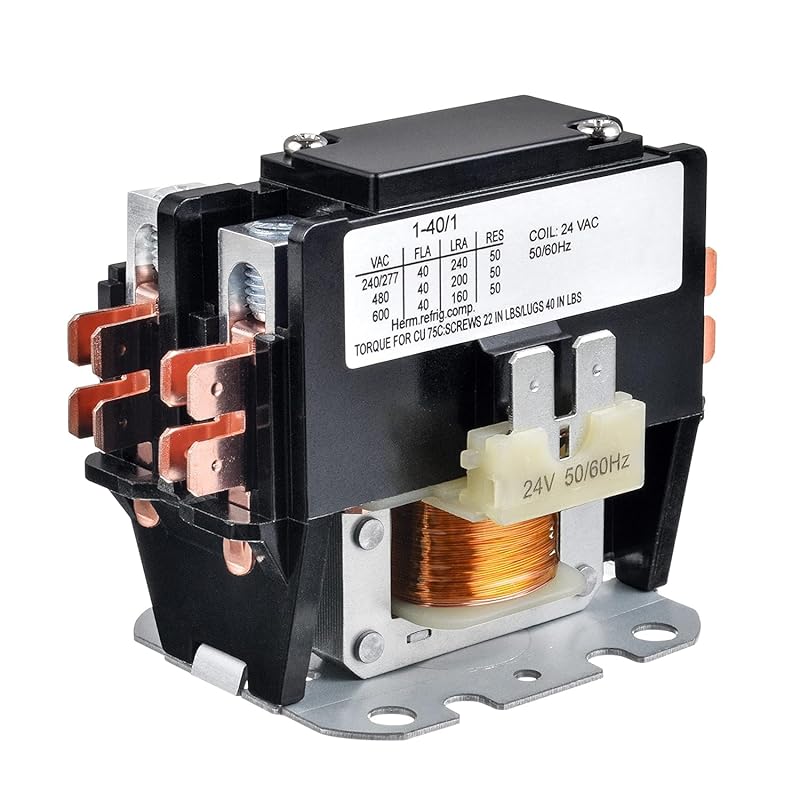
Does Carrier make Bryant air conditioners? No, Carrier does not manufacture Bryant units—they are two separate brands under the same parent company, United Technologies (now Carrier Global). While both offer high-quality HVAC systems, they target different market segments with distinct features, pricing, and warranties. Understanding the differences can help you choose the right cooling solution for your home.
Key Takeaways
- Bryant and Carrier are sister brands: Both are manufactured by Carrier Global Corporation, but they operate as independent brands with unique identities.
- Different target markets: Bryant caters to mid-to-high-end residential buyers, while Carrier focuses on premium performance and smart technology.
- Shared technology, different branding: Many core components and technologies overlap, but each brand has exclusive design elements, control systems, and warranty programs.
- Warranty differences matter: Bryant typically offers 10-year parts warranties, while Carrier provides up to 20 years on compressors and advanced systems.
- Installation and dealer networks vary: Each brand has its own certified dealer network, influencing service quality and availability in your area.
- Energy efficiency is comparable: Both brands meet ENERGY STAR® standards, but specific models may have different SEER ratings depending on the line.
- Choosing between them depends on priorities: Consider budget, smart features, longevity, and local support when deciding between Bryant and Carrier.
Quick Answers to Common Questions
Are Carrier and Bryant air conditioners made by the same company?
Yes, both Carrier and Bryant are manufactured by Carrier Global Corporation, though they operate as separate brands with different product lines and marketing strategies.
Can I install a Bryant AC with a Carrier furnace?
Absolutely. Mixing and matching brands is common and often recommended by HVAC professionals. Just ensure compatibility in terms of voltage, refrigerant type, and physical size.
Is a Carrier air conditioner more expensive than a Bryant?
Generally yes—Carrier systems tend to carry a higher price tag due to advanced features and extended warranties, though the difference varies by model and region.
Do Bryant and Carrier use the same refrigerants?
Both primarily use R-410A, the current industry standard for residential HVAC systems. Newer models may transition to R-32 as regulations evolve.
Which brand has better customer service?
It varies by location and installer. Both brands have extensive dealer networks, so researching local reviews and asking for referrals is your best bet.
📑 Table of Contents
- Does Carrier Make Bryant Air Conditioners? The Straight Answer
- Understanding the Parent-Child Brand Relationship
- Brand Positioning: What Sets Them Apart?
- Do They Share the Same Technology?
- Warranty Comparison: Who Offers Better Protection?
- Pricing and Value: Are They Comparable?
- Choosing Between Carrier and Bryant: A Homeowner’s Guide
- Final Thoughts: Two Great Brands, One Family Tree
Does Carrier Make Bryant Air Conditioners? The Straight Answer
If you’ve been shopping for a new air conditioner and stumbled upon both Carrier and Bryant brands, you might be wondering: Are these two names related? And more importantly—does Carrier make Bryant air conditioners?
The short answer? No, Carrier does not make Bryant air conditioners. But here’s where it gets interesting: they’re actually both made by the same company. That’s right—Carrier and Bryant are sister brands under the umbrella of Carrier Global Corporation, formerly known as United Technologies. So while they’re not the same product line, they share deep manufacturing roots and engineering heritage.
This relationship often leads to confusion among homeowners and contractors alike. You might see similar model numbers, comparable efficiency ratings, or even the same physical units being sold under different brand labels. But despite these similarities, each brand maintains its own identity, marketing strategy, and customer experience.
Understanding the Parent-Child Brand Relationship
A Brief History of Carrier and Bryant
To understand why someone would ask if Carrier makes Bryant units, you need to look back at how these brands evolved. Carrier is one of the oldest names in HVAC history—founded in 1915 by Willis Haviland Carrier, who invented modern air conditioning. Over the decades, it became a global leader in heating, ventilation, and air conditioning systems.
Visual guide about Does Carrier Make Bryant Air Conditioners
Image source: images.pexels.com
In 1984, United Technologies Corporation acquired both Carrier and another major HVAC name—Bryant—which had originally been founded in 1904. Today, after UTC split into several companies, Carrier Global Corporation stands as the parent company overseeing both brands. Think of it like siblings from the same family: they live in the same house (the company), but each has their own room, personality, and style.
How Are They Manufactured Separately?
Even though they share a parent company, Carrier and Bryant are manufactured separately. This means that while some components might come from the same factories or use similar R&D processes, final assembly, branding, packaging, and quality testing happen independently. A Bryant unit won’t have a Carrier logo stamped on it, and vice versa. Each brand has its own team of engineers, designers, and technicians who tailor products specifically to their target audience.
For example, a Bryant heat pump model might feature a proprietary ComfortCore™ compressor designed for quieter operation, while a Carrier model could include an IntelliLink™ control system that syncs with smart thermostats. These aren’t just cosmetic changes—they reflect different user experiences and technological philosophies.
Brand Positioning: What Sets Them Apart?
Carrier: Premium Performance and Innovation
Carrier has long been associated with innovation and top-tier performance. Their systems are often used in commercial buildings, luxury homes, and applications requiring precise climate control. Carrier emphasizes smart technology integration, energy efficiency, and durability. Models like the Carrier Infinity Series boast advanced features such as variable-speed compressors, Wi-Fi connectivity, and AI-driven diagnostics.
Visual guide about Does Carrier Make Bryant Air Conditioners
Image source: filebroker-cdn.lazada.co.id
If you’re looking for cutting-edge tech and maximum comfort customization, Carrier is likely your go-to brand. They also offer some of the most generous warranties in the industry—up to 20 years on certain compressors—and their dealer network is well-established globally.
Bryant: Reliable Mid-Range Excellence
Bryant positions itself as a reliable, value-oriented option without sacrificing quality. While still offering high efficiency and solid build standards, Bryant models tend to appeal more to homeowners seeking dependable performance at a slightly lower price point than Carrier. For instance, the Bryant Evolution Extreme® series delivers excellent energy savings and quiet operation but doesn’t always include all the premium smart features found in Carrier’s top-tier lines.
Bryant’s strength lies in practicality. Their systems are easy to install, maintain, and repair—ideal for families who want peace of mind without overspending. Plus, many Bryant dealers are also trained to service Carrier units, creating some overlap in support networks.
Do They Share the Same Technology?
Common Core Components
Yes—there is significant overlap in the underlying technology. Both brands use similar refrigeration cycles, compressor designs, and heat exchanger materials. In fact, some third-party analyses suggest that the actual hardware inside a Carrier and a Bryant unit from the same series can be nearly identical, differing mainly in external casing, control boards, and branding.
However, this doesn’t mean you’re getting the exact same product. Carrier invests heavily in software and user interface development, offering apps like the Carrier app for remote monitoring and scheduling. Bryant, while improving its digital offerings, traditionally focused more on mechanical reliability than app-based controls.
Exclusive Features
Each brand pushes innovation in its own direction. Carrier introduced the first fully modulating gas furnace, while Bryant developed the ComfortCore™ scroll compressor—a hallmark of their mid-tier models. These aren’t just marketing buzzwords; they represent real engineering achievements tailored to each brand’s goals.
Another key difference: Carrier often includes multi-stage cooling options across more of its product lines, allowing finer temperature adjustments and better humidity control. Bryant, meanwhile, excels in cost-effective single-stage systems that still deliver strong performance year-round.
Warranty Comparison: Who Offers Better Protection?
Bryant Warranty Details
Bryant typically offers a standard 10-year limited warranty on parts for qualifying systems when installed by a professional. Some higher-end models may extend this to 12 years or include additional coverage for labor. It’s important to note that warranty terms can vary based on location and installer certification.
Carrier Warranty Advantages
Carrier goes further with its warranties. Many of their premium models come with a 20-year limited warranty on the compressor, which is rare in the industry. They also provide enhanced protection plans like the Carrier ComfortCare® program, which covers repairs and maintenance for up to 10 years. This level of assurance is a major selling point for homeowners investing in long-term comfort solutions.
Which Is Better?
If extended coverage is your priority, Carrier generally edges out Bryant. But for everyday homeowners who plan to stay in their homes for less than a decade, Bryant’s warranty may be more than sufficient—especially since both brands use durable components and undergo rigorous testing.
Pricing and Value: Are They Comparable?
Initial Cost Differences
You’ll usually find that Bryant units are priced slightly lower than equivalent Carrier models. For example, a Bryant 58MCA furnace with a matching air handler might cost $1,200–$1,600 installed, while a Carrier 59MN7 matches that performance but could run $1,500–$2,000. The gap isn’t huge, but it adds up—especially when considering whole-home packages.
Long-Term Energy Savings
Despite the upfront difference, both brands offer ENERGY STAR® certified systems with high SEER (Seasonal Energy Efficiency Ratio) ratings. A Bryant 96% AFUE furnace paired with a 16 SEER AC unit will save you roughly the same amount on utility bills as a comparable Carrier setup. In other words, the energy savings largely balance out over time.
Total Cost of Ownership
When factoring in installation, maintenance, and potential repairs, Bryant tends to score slightly better on total cost of ownership due to simpler designs and broader compatibility with existing ductwork. However, Carrier’s superior warranties and resale value for high-end homes can offset those savings.
Choosing Between Carrier and Bryant: A Homeowner’s Guide
When to Choose Carrier
- You want the latest smart home integration (e.g., voice control, geofencing).
- Your home has complex zoning needs or multiple floors.
- You plan to stay in your home long-term and value extended warranty protection.
- You prioritize quiet operation and precise humidity control.
When to Choose Bryant
- You’re building or replacing within a moderate budget.
- You prefer straightforward, no-frills operation.
- You don’t need advanced app controls or multi-stage cooling.
- You want a trusted brand with strong regional dealer support.
Real-Life Example
Consider Sarah, a family of four living in a 2,500-square-foot suburban home. She chose a Bryant Evolution Extreme® system because it fit her budget and met her efficiency goals. Three years later, her monthly electric bill dropped by 22%, and her technician praised the unit’s consistent airflow and ease of servicing. Meanwhile, her neighbor opted for a Carrier Infinity® system with smart thermostat integration—enjoying voice control and remote monitoring but paying $800 more upfront.
Both systems perform excellently; the choice came down to lifestyle preferences and financial considerations.
Final Thoughts: Two Great Brands, One Family Tree
So, does Carrier make Bryant air conditioners? Not exactly—but they’re close cousins in the world of HVAC. As subsidiaries of Carrier Global Corporation, they benefit from shared resources and engineering expertise while maintaining distinct identities tailored to different customer needs.
If you’re deciding between the two, focus on what matters most to you: cutting-edge tech and long-term warranties (Carrier), or reliable performance with a touch less cost (Bryant). Either way, you’re choosing from among America’s most trusted names in climate control.
And remember: no matter which brand you pick, always hire a licensed, NATE-certified contractor. Proper installation makes all the difference in efficiency, longevity, and indoor comfort.
Frequently Asked Questions
Are Bryant and Carrier air conditioners the same?
No, they are not the same. While both are made by Carrier Global Corporation, they are marketed and engineered as separate brands targeting different customer segments with unique features and pricing.
Can I mix Carrier and Bryant components in my HVAC system?
Yes, many HVAC contractors recommend mixing brands for optimal performance. As long as the components are compatible in terms of size, voltage, and refrigerant, combining Carrier and Bryant parts is perfectly safe and common.
Which brand offers longer warranties?
Carrier typically offers longer warranties, especially on premium models—up to 20 years on compressors—while Bryant usually provides 10-year part warranties. Always check the fine print and confirm with your installer.
Are Bryant air conditioners less efficient than Carrier?
Not necessarily. Both brands offer ENERGY STAR® certified systems with similar SEER ratings. Efficiency depends more on the specific model and installation quality than the brand name alone.
Where can I buy a Bryant or Carrier air conditioner?
Both brands are available through authorized dealers listed on their official websites. You can search by ZIP code to find certified installers near you.
Should I choose Carrier or Bryant for a new home construction?
For new builds, consider your long-term plans. If you value smart home integration and plan to stay put, Carrier may be worth the extra investment. For cost-conscious buyers, Bryant delivers excellent performance at a lower price.