Carrier and Aire are two popular brands in the HVAC industry, each offering unique advantages. Carrier is known for its innovation, energy efficiency, and long-term reliability, while Aire focuses on affordability and straightforward cooling solutions. Understanding their differences helps you choose the right system for your home’s needs, budget, and climate.
Key Takeaways
- Brand Heritage: Carrier has over a century of innovation, while Aire is recognized for cost-effective residential solutions.
- Efficiency Ratings: Carrier units often lead in SEER and EER ratings, making them more energy-efficient.
- Warranty Coverage: Carrier typically offers longer standard warranties than Aire models.
- Technology Features: Carrier includes advanced features like Wi-Fi control and variable-speed compressors; Aire focuses on essential functionality.
- Installation & Service: Carrier relies on certified professionals; Aire may use independent installers, affecting consistency.
- Pricing Strategy: Aire is generally more budget-friendly upfront, while Carrier may offer better long-term savings through efficiency.
- Market Reputation: Carrier enjoys higher brand recognition and customer trust; Aire appeals to value-conscious homeowners.
Quick Answers to Common Questions
Is Carrier more expensive than Aire?
Yes, Carrier air conditioners generally cost more upfront due to advanced features and higher efficiency, while Aire offers more budget-friendly options for basic cooling needs.
Which brand has better energy efficiency?
Carrier typically has higher SEER ratings and uses innovative technologies like variable-speed compressors, making it more energy-efficient than most Aire models.
Do Carrier units last longer than Aire units?
Carrier units often have longer lifespans—up to 15–20 years—due to durable construction and advanced engineering, whereas Aire units usually last 10–15 years.
Can I install an Aire or Carrier unit myself?
No, both brands require professional installation for safety, warranty compliance, and optimal performance. DIY installation voids warranties and risks system damage.
Are Aire units good for small homes?
Yes, Aire units work well in small to medium-sized homes with moderate cooling demands, especially for homeowners seeking affordability and simplicity.
📑 Table of Contents
- Introduction: Choosing the Right Air Conditioner for Your Home
- 1. Brand History and Industry Reputation
- 2. Efficiency and Energy Performance
- 3. Technology and Smart Features
- 4. Warranty and Customer Support
- 5. Installation and Compatibility
- 6. Pricing and Value Proposition
- Conclusion: Making the Right Choice for Your Home
Introduction: Choosing the Right Air Conditioner for Your Home
When it comes to keeping your home cool and comfortable during hot summer months, selecting the right air conditioner is one of the most important decisions you’ll make as a homeowner. With so many brands and models on the market, it can be overwhelming—especially when comparing well-known names like Carrier and Aire. Both offer reliable cooling systems, but they differ significantly in design philosophy, technology, pricing, and long-term value.
Carrier and Aire represent two distinct approaches to residential air conditioning. Carrier, founded in 1902 by Willis Carrier, is often considered a pioneer in modern HVAC systems. It’s synonymous with innovation, high performance, and premium quality. On the other hand, Aire is a brand that emphasizes practicality and affordability, targeting homeowners who want dependable cooling without unnecessary frills.
In this comprehensive guide, we’ll explore the core differences between Carrier and Aire air conditioners—from efficiency and features to installation and long-term costs. Whether you’re building a new home, replacing an old unit, or just curious about your options, understanding these distinctions will help you make a smarter, more informed decision.
1. Brand History and Industry Reputation

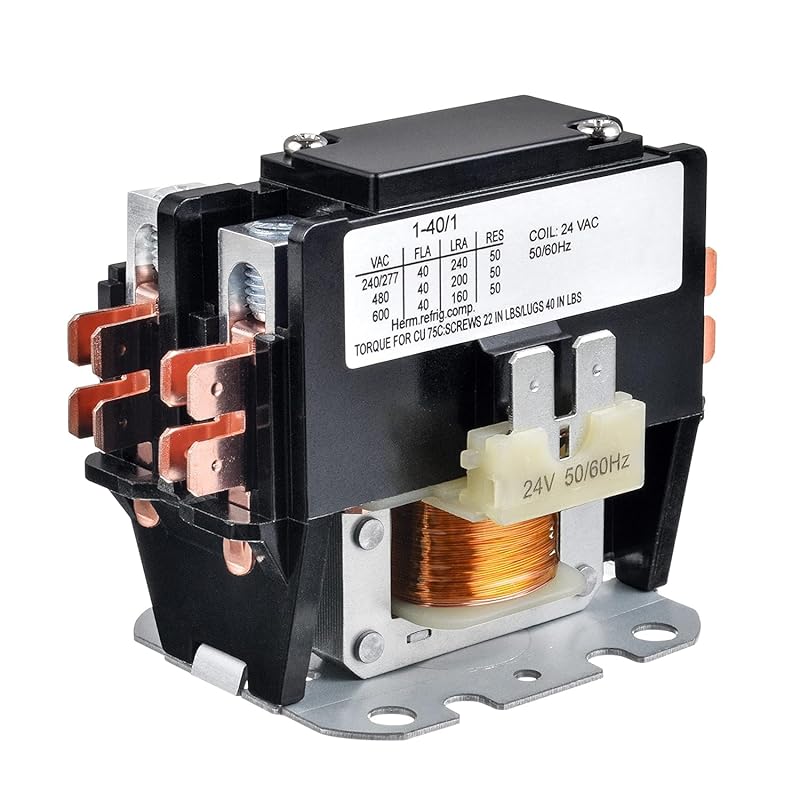
Visual guide about Difference Between Carrier and Aire Air Conditioner
Image source: cdn.macaro-ni.jp
The Legacy of Carrier
Carrier isn’t just a brand—it’s a household name in heating and cooling. Founded by Willis Carrier, often called the “father of air conditioning,” the company revolutionized indoor climate control in the early 20th century. Today, Carrier remains a leader in HVAC technology, backed by decades of research, development, and real-world testing.
What sets Carrier apart isn’t just its history—it’s its ongoing commitment to innovation. From introducing the first window air conditioner to developing smart thermostats and eco-friendly refrigerants, Carrier consistently pushes the boundaries of what’s possible in home comfort systems.
Homeowners who choose Carrier often do so because they associate the brand with trust, durability, and cutting-edge engineering. It’s not uncommon for Carrier units to last 15–20 years with proper maintenance—sometimes even longer.
The Rise of Aire
Aire, by contrast, emerged as a more recent player in the HVAC market. While not as old as Carrier, Aire has built a strong reputation for providing affordable, no-frills air conditioning solutions. The brand focuses primarily on residential markets, especially in regions where extreme heat is common but budgets are tight.
Unlike Carrier, which operates globally through Carrier Global Corporation (a publicly traded company), Aire is often associated with regional distributors or private-label partnerships. This allows Aire to keep costs low by streamlining production and distribution—but it also means less brand visibility and fewer resources dedicated to R&D.
Still, Aire has carved out a loyal customer base among price-sensitive buyers who prioritize function over flash. Many homeowners appreciate Aire for delivering consistent performance at a fraction of the cost of premium brands.
Reputation Comparison
When comparing brand reputations, Carrier consistently ranks higher in customer satisfaction surveys, expert reviews, and industry awards. Its reputation for reliability and service support makes it a favorite among contractors and homeowners alike.
Aire, while less prestigious, earns praise for value. Customers frequently note that Aire units perform well for basic cooling needs without breaking the bank. However, some users report shorter lifespans and limited availability of replacement parts compared to Carrier.
Ultimately, your choice may come down to how much weight you give to brand prestige versus practical affordability.
2. Efficiency and Energy Performance
Understanding SEER and EER Ratings
One of the most important factors in choosing an air conditioner is its energy efficiency. Two key metrics used to measure this are SEER (Seasonal Energy Efficiency Ratio) and EER (Energy Efficiency Ratio). The higher these numbers, the more efficiently the unit uses electricity to produce cooling.
Most modern central air conditioners must meet minimum federal standards set by the Department of Energy. As of 2023, all new residential units sold in the U.S. must have a minimum SEER rating of 14 or 15, depending on the region.
Carrier’s Efficiency Leadership
Carrier leads the pack when it comes to energy efficiency. Many of its high-end models boast SEER ratings of 20 or higher, thanks to innovations like variable-speed compressors, two-stage cooling, and advanced inverter technology.
For example, the Carrier Infinity series features SEER ratings up to 26—among the highest available. These systems adjust their output based on demand, reducing energy waste and maintaining consistent temperatures. They also operate quietly and reduce humidity more effectively than single-stage units.
Additionally, Carrier often integrates eco-friendly refrigerants like Puron (R-410A) or newer alternatives such as R-32, which have lower global warming potential than older chemicals.
Aire’s Moderate Efficiency
Aire typically targets mid-range efficiency levels. Most Aire units fall within the SEER 14–16 range, which meets but doesn’t exceed federal minimums. While still efficient enough for everyday use, they lack the advanced modulation capabilities found in Carrier models.
This doesn’t mean Aire units are inefficient—they simply don’t go as far in optimizing performance. For moderate climates or homes with manageable cooling loads, Aire’s efficiency is perfectly adequate. But in hotter regions or larger homes, you might notice higher utility bills over time.
That said, Aire does offer decent bang for your buck. You get solid efficiency without paying a premium for top-tier features—a trade-off many budget-conscious buyers accept.
Long-Term Cost Savings
While Carrier units come with a higher initial price tag, their superior efficiency often results in lower monthly energy bills. Over a 10-year lifespan, this difference can add up to hundreds—or even thousands—of dollars in savings.
Aire, meanwhile, saves you money upfront but may cost more in the long run due to higher energy consumption and potentially shorter lifespans.
If your goal is minimizing total cost of ownership, Carrier usually wins. If you’re working with a tight budget and only need basic cooling, Aire remains a viable option.
3. Technology and Smart Features
Advanced Controls and Connectivity
Modern air conditioners aren’t just about blowing cold air—they’re about smart, responsive, and user-friendly operation. Here’s where Carrier really shines.
Many Carrier models come with integrated Wi-Fi connectivity, allowing you to monitor and control your system remotely via smartphone apps. You can adjust temperatures, receive maintenance alerts, and track energy usage—all from your phone.
Some even sync with smart home ecosystems like Amazon Alexa or Google Assistant, enabling voice commands and automated routines. Imagine telling your thermostat, “It’s getting warm—turn on the AC,” and having your Carrier unit respond instantly.
Variable-Speed Compressors and Two-Stage Cooling
One of Carrier’s signature technologies is the variable-speed compressor. Unlike traditional single-speed units that cycle on and off, these compressors adjust their output continuously. This results in more precise temperature control, fewer start-stop cycles (which wear out components faster), and quieter operation.
Two-stage cooling—another Carrier hallmark—allows the system to run at partial capacity most of the time, then ramp up only when needed. This reduces stress on the equipment and improves indoor air quality by filtering more consistently.
Aire’s Simplicity Approach
Aire takes a different tack: simplicity. Most Aire units are single-speed, single-stage systems designed for reliable, hassle-free operation. There’s no app to download, no complex menus to navigate—just plug in, turn on, and enjoy cool air.
This approach appeals to homeowners who prefer mechanical reliability over digital bells and whistles. It also makes Aire systems easier to install and troubleshoot, which can be a plus if you plan to handle maintenance yourself or work with a smaller contractor.
However, you miss out on benefits like adaptive learning, predictive maintenance, and remote diagnostics—features increasingly expected in today’s smart homes.
Air Quality Enhancements
Both brands offer optional air purification systems, but Carrier goes further with proprietary solutions like the ComfortSense™ filtration technology. These systems capture allergens, odors, and volatile organic compounds (VOCs), improving indoor air quality beyond standard filtration.
Aire typically pairs its units with basic filters or offers add-on purifiers separately. While effective for general use, they don’t match the integrated sophistication of Carrier’s offerings.
If allergies, asthma, or poor air quality are concerns in your home, Carrier provides more comprehensive solutions.
4. Warranty and Customer Support
Standard Warranties
Warranties are a critical indicator of manufacturer confidence—and they reveal a lot about how each brand stands behind its products.
Carrier generally offers robust warranty packages. Most new units include a 10-year limited warranty on the compressor and 10 years on parts (with registration required). Some premium models even come with lifetime warranties on certain components.
This extended coverage reflects Carrier’s belief in the longevity and reliability of its equipment. It also gives homeowners peace of mind, knowing major repairs won’t hit their wallets unexpectedly.
Aire’s Shorter Guarantees
Aire’s warranties tend to be shorter. Most units carry a 5- to 7-year limited warranty on both compressor and parts. While still reasonable for entry-level systems, it’s notably less than what Carrier provides.
That said, Aire does offer extended warranty plans through third-party providers—though availability varies by location and installer.
Service Network and Support
Another big advantage of Carrier is its nationwide network of certified dealers and service technicians. When something goes wrong, chances are there’s a trained professional nearby who understands Carrier systems inside and out.
Aire, being less centralized, relies more on local HVAC contractors. While many of these professionals are skilled, service quality can vary. Finding a reputable installer for an Aire unit requires more research on your part.
Additionally, Carrier’s customer service lines and online resources are widely available and highly rated. Aire support tends to be more limited, with fewer dedicated channels for troubleshooting or upgrades.
Impact on Long-Term Ownership
When considering total cost of ownership, warranty length matters. A longer warranty reduces the risk of expensive repairs and increases resale value if you ever upgrade.
With Carrier, you’re investing in durability and support. With Aire, you’re betting on value and simplicity—but accepting slightly higher long-term risks.
5. Installation and Compatibility
Professional Installation Requirements
Regardless of brand, proper installation is crucial for performance and safety. Both Carrier and Aire recommend certified HVAC professionals for setup.
Carrier works exclusively with factory-trained technicians who undergo rigorous certification programs. This ensures consistent, high-quality installations across the country.
Aire also encourages professional installation, but since it’s not always tied to a single training program, the expertise level of installers may fluctuate more widely.
Ductwork and System Compatibility
Both brands can integrate with existing ductwork, but Carrier offers broader compatibility with high-efficiency systems like heat pumps and zoning solutions. If you’re upgrading an older home or adding smart thermostats, Carrier provides more seamless integration.
Aire units work well with standard residential setups but may require modifications for advanced configurations. That’s fine for most homes—but worth noting if you’re planning future upgrades.
Initial Installation Costs
Upfront installation costs depend largely on your home’s layout, ductwork condition, and local labor rates. However, because Carrier systems are heavier and more complex, installation typically takes longer and costs more than an Aire unit.
That said, many contractors charge similar rates regardless of brand—so the difference may be minimal unless you’re dealing with a large or challenging job.
Still, if you’re on a tight budget, factoring in potential installation fees can tilt the balance toward Aire.
6. Pricing and Value Proposition
Upfront Costs
Let’s talk money—because it’s often the deciding factor.
Carrier air conditioners typically retail between $3,000 and $8,000 installed, depending on model size, efficiency, and added features. High-end Infinity models can exceed $10,000.
Aire units, by comparison, range from $1,800 to $4,000 installed. This makes Aire one of the most affordable options in the market.
Total Cost of Ownership
While Aire saves you money upfront, Carrier often delivers better long-term value. Thanks to higher efficiency, longer lifespans, and superior warranties, Carrier’s total cost of ownership is frequently lower over 10–15 years.
Think of it like this: paying more now to avoid higher bills later and repair costs down the road.
Financing and Rebates
Carrier benefits from strong relationships with financing partners and utility companies, offering rebates, tax credits, and flexible payment plans. In many states, installing a high-efficiency Carrier unit qualifies you for energy rebates that can offset 20–30% of the cost.
Aire rarely participates in such programs, though local contractors may offer discounts or promotions.
Who Should Choose Which?
Choose **Carrier** if:
– You want maximum efficiency and smart features
– You live in a hot climate or have high cooling demands
– You plan to stay in your home long-term
– You value peace of mind and excellent customer support
Choose **Aire** if:
– You’re on a strict budget
– Your home doesn’t require top-tier performance
– You prefer simple, reliable operation
– You’re replacing an older, inefficient unit quickly
Conclusion: Making the Right Choice for Your Home
Deciding between Carrier and Aire isn’t just about picking a brand—it’s about aligning your HVAC investment with your lifestyle, climate, and financial goals. Carrier offers unmatched innovation, efficiency, and support, making it ideal for homeowners who want the best performance and are willing to invest accordingly. Aire, meanwhile, delivers dependable cooling at a lower price point, appealing to those prioritizing affordability and simplicity.
Neither brand is “wrong.” The right choice depends on what matters most to you. Do you value cutting-edge technology and long-term savings? Then Carrier is likely your answer. Do you need quick, effective cooling without overspending? Aire fits the bill.
Before finalizing your decision, consult a trusted HVAC contractor, compare quotes, and consider your home’s specific needs. And remember: even the most advanced system won’t perform well if it’s poorly installed or poorly maintained. Regular tune-ups will keep either brand running smoothly for years to come.
No matter which path you take, staying cool and comfortable starts with informed choices—and that’s exactly what this guide aims to deliver.
Frequently Asked Questions
Are Carrier and Aire made by the same company?
No, Carrier is a standalone brand under Carrier Global Corporation, while Aire is a separate brand focused on cost-effective residential systems, often distributed regionally.
Which brand offers better customer support?
Carrier provides stronger nationwide customer support with certified technicians and dedicated service lines, whereas Aire support varies more depending on local contractors.
Do Aire units use the same refrigerant as Carrier?
Both use similar refrigerants like R-410A or R-32, but Carrier is more likely to adopt newer, eco-friendly options earlier due to its focus on sustainability.
Can I upgrade my Aire unit to include smart features?
Basic smart thermostats can be paired with most Aire units, but full integration with advanced controls and diagnostics is limited compared to Carrier systems.
Is it worth paying extra for a Carrier air conditioner?
If you prioritize long-term savings, superior efficiency, and smart features, yes—paying extra for Carrier often results in lower operating costs and greater comfort over time.
Where can I find a qualified installer for either brand?
For Carrier, use the official dealer locator on their website. For Aire, check with local HVAC contractors—but verify their experience with the specific model you choose.