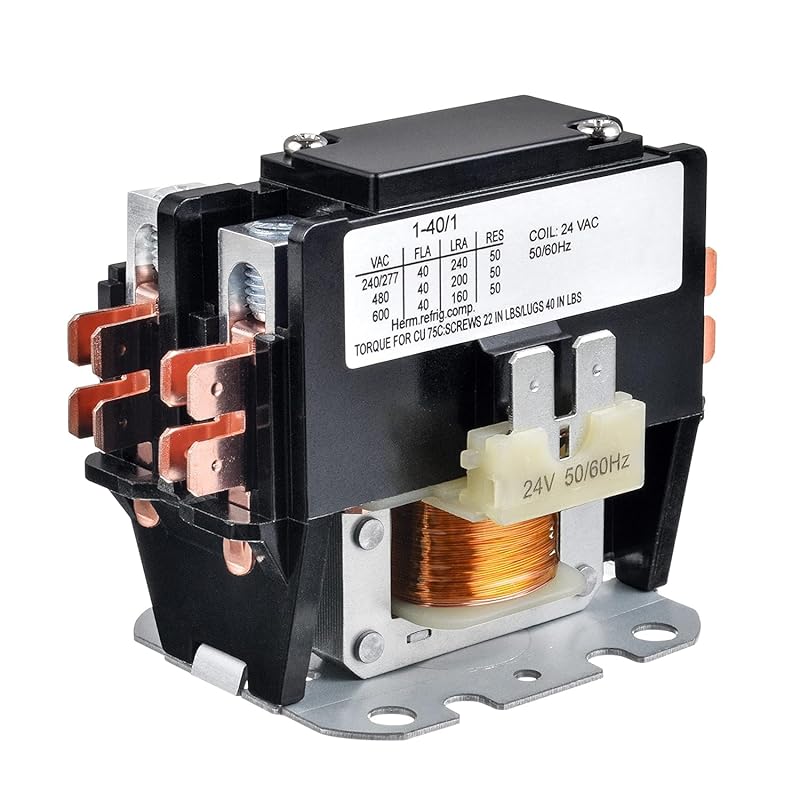
The cost of a compressor for a Carrier air conditioner typically ranges from $800 to $3,500, depending on the model, type of compressor, and whether you opt for repair or full replacement. This essential component powers your AC system and can significantly impact energy efficiency and cooling performance. Understanding these costs helps homeowners make informed decisions about maintenance, repairs, and upgrades.
Key Takeaways
- Compressor Cost Range: Expect to pay between $800 and $3,500 for a Carrier AC compressor, including parts and labor.
- Type Matters: Scroll compressors are more expensive but last longer than reciprocating types.
- Labor Adds Up: Installation costs can add $500–$1,200 depending on complexity and location.
- DIY Isn’t Always Safe: Replacing the compressor yourself risks voiding warranties and damaging other components.
- Regular Maintenance Saves Money: Annual tune-ups reduce the chance of compressor failure by up to 70%.
- Energy Efficiency Impacts Long-Term Costs: Newer compressors improve SEER ratings and lower utility bills.
- Warranty Coverage Varies: Some Carrier models include compressor protection—check your policy before repairs.
Quick Answers to Common Questions
How much does it cost to replace a compressor in a Carrier AC?
On average, replacing a compressor in a Carrier air conditioner costs between $800 and $3,500, including parts and labor. The exact price depends on the compressor type, unit age, and installation complexity.
Can I replace the compressor myself?
It’s not recommended. Compressor replacement requires refrigerant handling, precise calibration, and electrical knowledge. Incorrect installation can damage the system or void warranties. Always hire a licensed HVAC technician.
Is it worth fixing a bad compressor?
Only if your unit is under 10 years old and otherwise healthy. For older systems, a full replacement is usually more cost-effective and energy-efficient in the long run.
Does Carrier cover compressor failures under warranty?
Yes, many Carrier models include compressor protection under their limited warranties (typically 5–10 years). Check your specific contract for details on coverage duration and exclusions.
How often should I service my Carrier AC to prevent compressor issues?
Schedule annual maintenance with a certified technician. Regular cleaning, filter changes, and refrigerant checks reduce compressor strain and extend system life by up to 70%.
📑 Table of Contents
- Understanding the Role of the Compressor in Your Carrier Air Conditioner
- What Is a Compressor and Why Does It Matter?
- Average Cost of a Carrier AC Compressor
- Factors Influencing Compressor Replacement Costs
- Repair vs. Replacement: Making the Right Decision
- Tips to Extend Your Compressor’s Lifespan
- Financing and Warranty Options for Carrier AC Repairs
- Conclusion: Invest Smart, Stay Cool
Understanding the Role of the Compressor in Your Carrier Air Conditioner
Your Carrier air conditioning system is more than just a box with fins and coils—it’s a carefully engineered machine designed to keep your home cool, comfortable, and energy-efficient. At the heart of this system lies one of its most vital components: the compressor. Without it, your air conditioner simply wouldn’t work. The compressor is essentially the “heart” of your HVAC system, responsible for circulating refrigerant throughout the unit and enabling the heat exchange process that cools your indoor air.
When you turn on your Carrier AC, the compressor kicks into action, pressurizing the refrigerant gas so it can absorb heat from inside your home and release it outside. This continuous cycle keeps your indoor environment at a consistent, comfortable temperature. Over time, however, the compressor can wear out due to age, lack of maintenance, or electrical issues. When that happens, understanding the cost implications becomes crucial—not only for budgeting but also for making smart decisions about repair versus replacement.
In this guide, we’ll walk you through everything you need to know about the cost of replacing or repairing a compressor in a Carrier air conditioner. From average prices and installation details to tips for avoiding costly breakdowns, we’ve got you covered. Whether you’re facing a sudden breakdown or planning ahead, knowing what to expect will help you stay cool without breaking the bank.
What Is a Compressor and Why Does It Matter?
Visual guide about Cost of Compressor for Carrier Air Conditioner
Image source: gakkensf.co.jp
Before diving into costs, let’s clarify what exactly a compressor does and why it’s so important. The compressor doesn’t generate cold air—instead, it acts like a pump for refrigerant. Refrigerant is the chemical fluid that absorbs heat as it evaporates indoors and releases it as it condenses outdoors. The compressor increases the pressure of the refrigerant, raising its temperature and allowing it to transfer heat efficiently through the condenser coil.
There are two main types of compressors used in residential Carrier systems: reciprocating and scroll. Reciprocating compressors use pistons to compress refrigerant and are common in older or smaller units. Scroll compressors, found in newer Carrier models, use interlocking spiral-shaped components and are quieter, more efficient, and longer-lasting. While both get the job done, the scroll type tends to be pricier upfront—but pays off in reliability and energy savings over time.
Because the compressor is under constant mechanical and thermal stress, it’s prone to failure if not properly maintained. Common causes include low refrigerant levels (due to leaks), poor airflow from dirty filters or blocked vents, or failing capacitors that prevent proper startup. Ignoring warning signs like reduced cooling, strange noises, or frequent cycling can lead to catastrophic compressor failure—and a hefty repair bill.
Average Cost of a Carrier AC Compressor

Visual guide about Cost of Compressor for Carrier Air Conditioner
Image source: cdn.apnatube.in
So, how much does it actually cost to replace a compressor in a Carrier air conditioner? The answer depends on several factors, but here’s a general breakdown:
– **Parts Only:** $600 – $2,800
– **Parts + Labor:** $800 – $3,500+
– **Full System Replacement (if needed):** $4,000 – $8,000
For most homeowners, the total cost to replace just the compressor—including parts and professional installation—typically falls between **$1,200 and $2,500**, assuming no additional repairs are required. However, in cases where the entire system is outdated or incompatible with a new compressor, a full replacement may be necessary.
Carrier offers high-efficiency models like the 38YNA0 and 24ANB9 that often require specific compressor designs. Using an incorrect or incompatible compressor can void warranties and cause further damage. That’s why it’s always best to consult a certified Carrier technician who can match the exact model and specifications.
Keep in mind that prices vary by region, contractor markup, and whether emergency service is needed. In extreme heat seasons, demand spikes can increase labor rates by 10–20%. Always get multiple quotes from licensed HVAC professionals to ensure fair pricing.
Factors Influencing Compressor Replacement Costs
Several variables affect how much you’ll ultimately pay for a new compressor. Understanding these can help you anticipate expenses and avoid surprises.
1. Type and Model of Compressor
As mentioned earlier, scroll compressors cost more than reciprocating ones. For example:
– Standard reciprocating compressor: $400 – $900
– High-efficiency scroll compressor: $1,200 – $2,500
Newer Carrier Infinity series units often come with inverter-driven scroll compressors, which allow variable speed operation for improved comfort and efficiency. These advanced models command higher prices but offer superior performance and longevity.
2. Labor Costs
Replacing a compressor isn’t a simple DIY task. A trained technician must:
– Safely recover refrigerant (a regulated process)
– Remove and install the compressor
– Test for leaks
– Recharge the system with the correct refrigerant charge
Labor typically accounts for **30–50%** of the total cost. On average, expect to pay **$500 – $1,200** for professional installation, depending on your location and the complexity of the job.
3. Age and Condition of the Unit
If your Carrier air conditioner is over 10 years old, the rest of the system—coils, ducts, controls—may also be nearing end-of-life. In such cases, replacing the compressor alone might not restore peak efficiency. Technicians often recommend a full system upgrade to maximize energy savings and avoid repeated failures.
Conversely, if your unit is relatively new and well-maintained, a compressor swap could extend its life by another 8–12 years.
4. Warranty Status
Carrier offers limited warranties on new equipment (usually 5–10 years), and some plans cover compressor failures even after the initial warranty expires. If your unit is still under warranty, you may not have to pay anything out-of-pocket. Check your contract or contact Carrier customer support to verify coverage.
Even if not fully covered, extended service agreements can reduce repair costs significantly.
5. Geographic Location
HVAC labor rates differ widely across the U.S. For instance:
– Urban areas (e.g., New York, Los Angeles): $90–$150/hour
– Suburban regions: $70–$110/hour
– Rural locations: $60–$90/hour
Additionally, extreme climates may require specialized handling or expedited service, adding to the final bill.
Repair vs. Replacement: Making the Right Decision
One of the biggest financial decisions you’ll face is whether to repair or replace the compressor. While a compressor replacement sounds expensive, it’s often the smarter long-term choice—especially if your unit is newer and otherwise healthy.
Here’s how to decide:
Consider Repair If:
– Your Carrier AC is less than 5 years old
– The compressor failed due to a minor issue (e.g., bad capacitor, low refrigerant leak)
– You have a strong maintenance history
– Budget is tight and a full replacement isn’t feasible
In rare cases, a technician might fix internal compressor components (like valve plates), but this is uncommon and usually not cost-effective.
Opt for Replacement If:
– The unit is over 10 years old
– Multiple components are failing (e.g., blower motor, thermostat)
– Energy bills have skyrocketed despite routine servicing
– The system uses outdated R-22 refrigerant (being phased out)
Modern Carrier systems run on eco-friendly R-410A refrigerant, which improves efficiency and environmental safety. Retrofitting older units can be expensive and inefficient.
Pro Tip: Ask your technician for a written estimate that outlines each line item—parts, labor, disposal fees, etc.—so you can compare apples-to-apples across providers.
Tips to Extend Your Compressor’s Lifespan
Rather than dealing with unexpected compressor failures, take proactive steps to protect your investment. Here are practical ways to keep your Carrier AC running smoothly:
Schedule Annual Maintenance
Have a certified Carrier technician inspect your system once per year. They’ll clean coils, check refrigerant levels, test electrical connections, and ensure all moving parts operate correctly. Preventive care can prevent compressor stress and catch small issues before they become major problems.
Change Air Filters Regularly
Clogged filters restrict airflow, forcing the compressor to work harder. Replace pleated or HEPA filters every 1–3 months during heavy usage. Washable flat filters should be cleaned monthly.
Keep Outdoor Unit Clear
Ensure the condenser unit has at least 2 feet of clearance around it. Trim back shrubs, remove debris, and never park vehicles directly beneath it. Blocked airflow increases compressor strain.
Install a Surge Protector
Power surges from storms or grid fluctuations can fry sensitive compressor components. Use a whole-house surge protector to shield your HVAC system.
Monitor Thermostat Settings
Avoid setting your thermostat too low during summer. Each degree above 78°F reduces compressor runtime by roughly 10%. Programmable or smart thermostats help automate efficient temperatures.
By following these simple practices, many homeowners avoid compressor replacements altogether—saving hundreds or even thousands in avoided repair costs.
Financing and Warranty Options for Carrier AC Repairs
Replacing a compressor doesn’t have to break the bank. Carrier and third-party programs offer flexible solutions:
– **Carrier Comfort Club:** Includes priority scheduling, discounted repairs, and potential compressor coverage beyond standard warranties.
– **Third-Party Financing:** Companies like Wells Fargo or CareCredit offer low-interest medical-style loans for HVAC repairs.
– **Home Improvement Loans:** Some banks provide unsecured personal loans with fixed rates and repayment terms.
Always read the fine print. Some financing options carry high APRs if not paid within 12 months. Compare interest rates and choose the plan that fits your monthly budget.
Additionally, if your compressor fails within the manufacturer’s warranty period, Carrier will typically cover the part and sometimes labor—depending on the agreement. Contact their customer service team with your serial number to confirm eligibility.
Don’t delay reporting failures. Waiting too long after a breakdown may void warranty coverage due to negligence (e.g., ignoring loud noises or refusing recommended maintenance).
Conclusion: Invest Smart, Stay Cool
The cost of a compressor for a Carrier air conditioner varies widely based on model, labor, and system condition—but knowing what to expect empowers you to make confident choices. Whether you’re comparing repair quotes, exploring financing, or planning preventive maintenance, staying informed saves time, money, and stress.
Remember: while the upfront cost of a new compressor may seem high, it’s an investment in reliability, efficiency, and comfort. With proper care, a well-installed Carrier system can deliver dependable cooling for over a decade.
When in doubt, lean on certified professionals who understand Carrier’s engineering standards. Avoid unlicensed contractors selling “universal” compressors—they rarely fit perfectly and often lead to premature failure.
Stay proactive, stay prepared, and enjoy peace of mind knowing your home stays cool—even when the heat rises.
Frequently Asked Questions
What causes a Carrier AC compressor to fail?
Common causes include low refrigerant due to leaks, dirty air filters restricting airflow, failing capacitors, power surges, or general wear over time. Poor maintenance accelerates deterioration.
How long does a Carrier AC compressor last?
With proper care, a Carrier compressor typically lasts 10–15 years. High-efficiency scroll compressors may exceed 20 years, while reciprocating types often last 8–12 years.
Can I use any compressor for my Carrier air conditioner?
No. Carrier units require OEM-matched or equivalent-certified compressors. Using incompatible parts voids warranties and can cause system inefficiency or damage.
Should I repair or replace my entire Carrier system?
If your unit is over 10 years old or shows multiple failures, a full replacement with a new high-efficiency model is usually better. Newer systems use less energy and qualify for rebates.
Are there tax credits or rebates for upgrading my Carrier AC?
Yes. Federal and state programs like the Inflation Reduction Act offer tax credits for installing ENERGY STAR-certified systems. Check local utility websites for additional rebates on efficient Carrier models.
How do I find a qualified Carrier HVAC technician?
Visit Carrier’s official website and use their “Find a Contractor” tool. Look for NATE-certified professionals with positive reviews and experience servicing Carrier systems specifically.