The cost of Carrier Infinity 17 air conditioner varies depending on size, installation, and location—typically ranging from $4,000 to $7,500 total. This high-efficiency model offers top-tier cooling performance and smart features, making it ideal for homeowners seeking comfort and energy savings. With proper maintenance, the Infinity 17 can deliver years of reliable service and lower utility bills.
Key Takeaways
- Total Cost Range: The full price, including unit and installation, usually falls between $4,000 and $7,500, depending on home size and contractor rates.
- Energy Efficiency Rating: With a Seasonal Energy Efficiency Ratio (SEER) up to 17, the Infinity 17 reduces electricity use by 20–30% compared to older models.
- Installation Complexity: Proper installation is critical—ductwork upgrades or electrical work may increase costs if your home isn’t already set up for a high-end system.
- Smart Technology Included: Comes with Wi-Fi connectivity and remote control via smartphone apps, allowing you to monitor and adjust settings from anywhere.
- Warranty Coverage: Carrier offers strong protection: 10-year parts warranty on compressor and heat exchanger, plus a 10-year limited warranty when registered within 90 days.
- Long-Term Savings: Higher upfront cost is often offset by reduced energy bills and fewer repair needs over time.
- Rebates & Incentives: Many utility companies offer rebates for ENERGY STAR® certified systems like the Infinity 17, lowering net cost significantly.
Quick Answers to Common Questions
What is the total cost of Carrier Infinity 17 air conditioner including installation?
Typically between $4,000 and $7,500, depending on unit size, home layout, and regional labor rates.
Does the Infinity 17 come with Wi-Fi or smart controls?
Yes, it includes built-in Wi-Fi and compatibility with Carrier’s Comfort app for remote temperature control and alerts.
Can I finance the cost of Carrier Infinity 17 air conditioner?
Absolutely. Carrier partners with lenders offering 0% APR for 18–24 months and low monthly payment plans.
Are there rebates available for the Infinity 17?
Yes, many utilities and states offer rebates of $200–$1,500 for ENERGY STAR certified SEER 16+ systems.
How does SEER 17 compare to older AC units?
A SEER 17 unit uses 30–50% less electricity than pre-2006 models with SEER ratings of 8–10.
📑 Table of Contents
- The Real Cost of Carrier Infinity 17 Air Conditioner: What You Need to Know
- Understanding the Base Price of the Carrier Infinity 17
- Breaking Down the Components That Add to the Final Price
- Energy Efficiency and Long-Term Savings
- Financing and Rebates Can Lower Your Out-of-Pocket Expense
- Warranty Protection and Peace of Mind
- Is the Carrier Infinity 17 Worth the Investment?
- Tips to Maximize Your Investment
The Real Cost of Carrier Infinity 17 Air Conditioner: What You Need to Know
So, you’re thinking about upgrading your home’s cooling system. You’ve heard about the Carrier Infinity 17 air conditioner—and for good reason. It’s one of the most advanced residential HVAC units on the market today. But let’s be honest: when you see numbers like “$6,000” or “up to $8,000,” your first thought is probably, “That’s a lot.” Is it worth it?
In this article, we’ll break down everything you need to know about the true cost of the Carrier Infinity 17. We’ll talk not just about the sticker price, but what goes into that number—installation, energy savings, smart features, warranties, and even hidden extras. By the end, you’ll have a clear picture of whether this premium AC unit fits your budget, lifestyle, and long-term goals.
Understanding the Base Price of the Carrier Infinity 17
The list price for a Carrier Infinity 17 air conditioning unit typically starts around $2,800 to $3,800, depending on the tonnage (cooling capacity). For example:
- A 2-ton model might cost around $3,200
- A 3-ton unit could run closer to $3,600
- Larger homes requiring a 4-ton or 5-ton system will see higher base prices
This doesn’t include installation, which brings us to the next big piece of the puzzle.
Why Installation Drives Up the Total Cost
Even the most efficient air conditioner won’t perform well—or safely—if it’s not installed correctly. The cost of Carrier Infinity 17 air conditioner jumps significantly once labor and setup are factored in. Here’s what’s involved:
- Ductwork assessment: If your ducts are old, leaky, or undersized, they’ll need sealing or replacement—adding $500–$2,000 to the job.
- Electrical requirements: High-efficiency units draw more power. A dedicated circuit may be needed, especially for larger systems.
- Refrigerant handling: Proper evacuation and charging of R-410A refrigerant requires specialized tools and certification.
- Thermostat upgrade: While the Infinity 17 works with many thermostats, pairing it with a smart thermostat (like the Carrier Comfort® app-enabled model) enhances performance and adds value.
Most reputable contractors charge between $1,200 and $3,500 for full installation, bringing the total cost of Carrier Infinity 17 air conditioner to $4,000–$7,500+.
Breaking Down the Components That Add to the Final Price
Let’s look at each major cost component so you understand where every dollar goes.

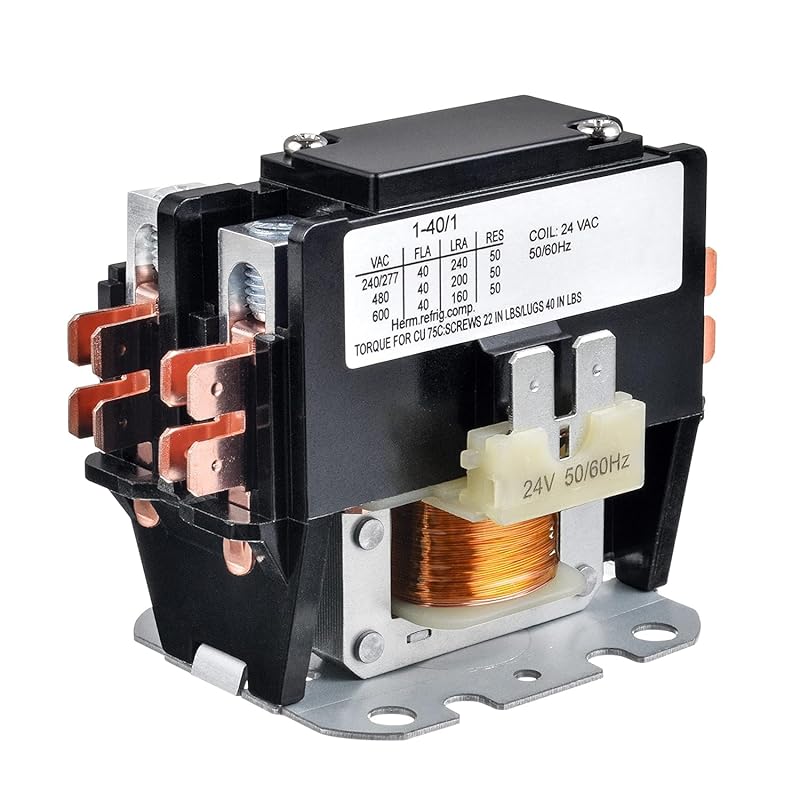
Visual guide about Cost of Carrier Infinity 17 Air Conditioner
Image source: m.media-amazon.com
Unit Pricing by Tonnage
Tonnage refers to how much heat the AC can remove per hour. Common sizes for single-family homes range from 2 to 5 tons. Larger homes need more capacity, which means a bigger (and pricier) unit.
| Tonnage | Typical Unit Price | Recommended Home Size |
|---|---|---|
| 2 tons | $3,000–$3,400 | Up to 1,200 sq ft |
| 3 tons | $3,400–$3,800 | 1,200–1,800 sq ft |
| 4 tons | $3,800–$4,200 | 1,800–2,400 sq ft |
| 5 tons | $4,200–$4,600 | Over 2,400 sq ft |
Keep in mind: oversized units cycle on/off too frequently, reducing efficiency and wear out components faster. An HVAC pro should size your system properly—don’t go by square footage alone.
Labor Costs Vary by Region and Contractor
HVAC labor isn’t uniform across the country. In cities like New York or San Francisco, expect to pay more than in rural areas. On average:
- East Coast & Midwest: $1,200–$2,200
- Southern U.S.: $1,000–$2,000
- West Coast: $1,500–$3,000 (due to stricter codes and higher demand)
Always get multiple quotes from licensed, NATE-certified technicians. Beware of unusually low bids—they may cut corners or include hidden fees.
Optional Upgrades That Increase Total Cost
While the base Infinity 17 includes great features, some upgrades can enhance comfort and savings:
- Variable-speed blower motor: Adds $300–$600; improves airflow and humidity control.
- Two-stage compressor: Standard on Infinity models, but confirm it’s included in your quote.
- UV light purification: Optional add-on ($200–$400) that kills mold and bacteria in the evaporator coil.
- Smart thermostat integration: Carrier’s Cômodo or Wi-Fi-enabled thermostats add $200–$400 but enable remote monitoring and geofencing.
These aren’t always necessary, but they can make a noticeable difference in indoor air quality and convenience.
Energy Efficiency and Long-Term Savings
Here’s the truth most people overlook: the cost of Carrier Infinity 17 air conditioner isn’t just about what you pay today—it’s about what you save tomorrow.
How SEER 17 Reduces Your Electric Bill
The Infinity 17 has a SEER rating of 17, meaning it removes 17 BTUs of heat per watt of electricity used. Compare that to:
- Pre-2006 central AC: SEER 8–10
- Newer standard models: SEER 13–15
If you replace an old 10 SEER unit with a 17 SEER Infinity 17, you could reduce cooling costs by 20–30% annually. For a typical household spending $600/year on AC, that’s $120–$180 saved each year.
Real-World Example: 10-Year Cost Comparison
Let’s compare two scenarios over 10 years:
| System Type | Upfront Cost | Annual Energy Use | 10-Year Energy Cost | Total 10-Year Cost |
|---|---|---|---|---|
| Old 10 SEER AC | $3,200 | $600/year | $6,000 | $9,200 |
| Carrier Infinity 17 SEER | $6,500 | $420/year | $4,200 | $10,700 |
At first glance, the Infinity 17 seems more expensive. But consider this: if electricity rates rise 3% per year (as they often do), the gap widens. Plus, the Infinity 17 lasts longer and needs fewer repairs—saving hundreds in maintenance over a decade.
Humidity Control Adds Value
Unlike older systems that cool quickly but leave rooms damp, the Infinity 17 uses variable-speed technology to maintain consistent temperatures *and* dehumidify effectively. Less humidity = less sweating, better sleep, and no musty smells. That comfort boost is hard to put a price on—but it’s part of what makes the higher initial cost worthwhile.
Financing and Rebates Can Lower Your Out-of-Pocket Expense
You don’t have to pay the full cost of Carrier Infinity 17 air conditioner all at once. Many options exist to stretch payments or reduce them outright.
Financing Options from Carrier
Carrier offers flexible financing through third-party lenders like Wells Fargo or Synchrony. Typical terms include:
- 0% APR for 18–24 months
- Low monthly payments (as low as $40–$100/month for a $6,000 system)
- No prepayment penalty
Apply online or through your local dealer. Just ensure your credit score is fair to good (600+) for best rates.
ENERGY STAR Rebates and Tax Credits
The U.S. government and utilities offer incentives for high-efficiency HVAC upgrades:
- Federal tax credit: As of 2024, you may qualify for a 10% tax credit (up to $600) on qualifying ENERGY STAR products installed before December 31, 2024. (Check IRS Form 5695 for details.)
- Utility rebates: Companies like PG&E, Con Edison, and Duke Energy offer $200–$1,500 off for SEER 16+ systems. Visit dsireusa.org to find programs near you.
- State-level incentives: California’s Instant Discount program gives up to $1,500 off qualifying HVAC systems.
Don’t assume you’re ineligible—many rebates apply even if you rent or don’t own solar panels.
Home Improvement Loans
Banks like Chase, Bank of America, or credit unions offer personal loans specifically for home upgrades. Rates typically range from 6% to 12%, with terms up to 7 years. These are unsecured, so no home equity is required—but interest adds to the total cost.
Warranty Protection and Peace of Mind
One reason the cost of Carrier Infinity 17 air conditioner feels justified is its robust warranty. Unlike bargain-basement units that break after a few years, Carrier backs the Infinity line with industry-leading coverage.
Standard Warranty Terms
- Compressor: 10 years (original owner, parts only)
- Heat exchanger: 10 years (same conditions)
- All other components: 10 years (if registered within 90 days of installation)
After the first 10 years, you’ll need to purchase an extended warranty—but given Carrier’s reputation, resale value remains strong even without one.
What’s Not Covered
Be aware that normal wear items like filters, coils, and freon aren’t included. Also, damage from improper maintenance or unauthorized repairs voids coverage. Always use a licensed technician and keep service records.
Registration Is Critical
To activate your warranty, register online within 90 days. Missing this window drops your coverage to 5 years—still generous, but shorter than optimal.
Is the Carrier Infinity 17 Worth the Investment?
After reviewing all angles—price, efficiency, comfort, and support—the answer depends on your priorities.
Best Buyers
- Homeowners planning to stay 10+ years
- Those in hot, humid climates (e.g., Florida, Texas, Louisiana)
- People who value quiet operation and smart home integration
- Anyone replacing a failing or outdated AC unit
Who Might Want to Wait
- Renters with landlord approval required
- Buyers on a tight budget with no financing options
- People in mild climates who rarely use AC
- DIY enthusiasts comfortable with HVAC (not recommended!)
Bottom line: if you want the best performance, lowest operating cost, and longest lifespan, the Infinity 17 delivers. Yes, the cost of Carrier Infinity 17 air conditioner is higher than entry-level models—but for many, the ROI is clear.
Tips to Maximize Your Investment
Want to get the most bang for your buck? Follow these pro tips:
- Get a load calculation: Don’t guess your home’s cooling needs. A Manual J calculation ensures perfect sizing.
- Schedule annual maintenance: Twice-yearly tune-ups keep efficiency high and prevent breakdowns.
- Change filters monthly: Clogged filters force the system to work harder, increasing wear and energy use.
- Use ceiling fans: They circulate cool air, letting you raise the thermostat by 4°F without sacrificing comfort.
- Seal ducts properly: Leaky ducts waste 20–30% of cooled air—especially in attics or crawl spaces.
Frequently Asked Questions
Is the Carrier Infinity 17 worth the higher cost?
For most homeowners, yes. Its superior efficiency, durability, and smart features lead to long-term savings and comfort that justify the upfront investment.
What size unit do I need for my home?
An HVAC professional should perform a Manual J load calculation based on square footage, insulation, windows, and climate—not just square footage alone.
Do I need to upgrade my ductwork?
Not always, but older or poorly sealed ducts can reduce efficiency by 20–30%. A pre-installation inspection is recommended.
How often should I service the Infinity 17?
Twice a year—once before summer and once in fall—is ideal for optimal performance and longevity.
Can I install the Infinity 17 myself?
No. HVAC systems involve refrigerants, electrical wiring, and safety codes. Always hire a licensed, certified technician.
Will I save money on my electric bill?
Yes—expect 20–30% reduction in cooling costs compared to older, less efficient units, especially in hot or humid regions.