Carrier home air conditioners offer top-tier cooling with advanced technology and energy efficiency. Prices vary based on capacity, features, and installation costs, but investing in a Carrier unit often means lower utility bills and long-term reliability. Whether you’re replacing an old system or installing a new one, understanding the full cost helps you make a smart, affordable decision.
Key Takeaways
- Pricing varies by model: Carrier offers single-stage, two-stage, and variable-speed units, each with different price points based on efficiency and performance.
- Installation adds significant cost: Professional installation typically runs between $1,500 and $3,500, depending on ductwork, electrical upgrades, and location.
- Energy efficiency saves money: Models with high SEER ratings reduce long-term electricity costs, making them worth the initial investment.
- Financing options are available: Many HVAC contractors and Carrier partners offer payment plans to spread out the cost over time.
- Maintenance affects lifespan: Regular servicing can extend your system’s life and prevent expensive repairs down the line.
- Rebates and incentives exist: Check federal, state, and utility programs for tax credits or rebates when upgrading to an efficient Carrier AC.
- Size matters: An improperly sized unit increases energy use and wear, leading to higher operating costs over time.
Quick Answers to Common Questions
What is the average cost of a Carrier home air conditioner with installation?
The average cost ranges from $3,000 to $6,000, depending on the model, home size, and installation complexity. High-efficiency or variable-speed models can go up to $8,000 or more.
Are Carrier air conditioners more expensive than other brands?
Yes, Carrier tends to be pricier than budget brands like Frigidaire or Goodman due to superior build quality, efficiency, and customer support. However, the long-term savings often justify the higher initial cost.
Can I get financing to pay for my Carrier air conditioner?
Yes, Carrier partners offer 0% interest financing for 12–18 months, deferred payments, and low monthly plans over 24–60 months. Home equity loans and HELOCs are also common options.
Do I need to replace my ductwork when installing a Carrier AC?
Not always. If your ducts are in good condition and properly sealed, they can be reused. However, outdated or poorly insulated ducts may need upgrades to maximize efficiency and performance.
How much do Carrier air conditioners save on energy bills?
A high-efficiency Carrier unit can reduce cooling costs by 20–40% compared to older systems. Over time, this translates to hundreds of dollars in annual savings, depending on usage and climate.
📑 Table of Contents
- Introduction: Why Carrier Air Conditioners Are Worth the Investment
- Understanding Carrier Air Conditioner Pricing
- Installation Costs: What You’ll Really Pay
- Additional Costs to Consider
- Financing and Payment Options
- How to Choose the Right Carrier Model for Your Home
- Long-Term Savings and ROI
- Tips to Reduce Your Total Cost
- Conclusion: Is a Carrier Home Air Conditioner Worth the Cost?
Introduction: Why Carrier Air Conditioners Are Worth the Investment
When it comes to keeping your home cool and comfortable during hot summer months, few brands inspire confidence like Carrier. With over a century of innovation in heating, ventilation, and air conditioning (HVAC), Carrier has built a reputation for reliability, efficiency, and cutting-edge technology. But before you click “buy now” on a new Carrier home air conditioner, it’s important to understand the full cost—not just the sticker price, but everything from installation to long-term energy savings.
The cost of a Carrier home air conditioner isn’t a one-size-fits-all number. It depends on the model you choose, your home’s size and layout, local labor rates, and whether you need additional components like ductwork or thermostats. In this guide, we’ll walk you through every aspect of the cost so you can plan your budget wisely and avoid surprise expenses.
Whether you’re replacing an outdated system or installing central air for the first time, knowing what to expect helps you make a confident, informed decision. Let’s break down the real cost of owning a Carrier home air conditioner—from purchase to operation.
Understanding Carrier Air Conditioner Pricing
Visual guide about Cost of Carrier Home Air Conditioner
Image source: atlasacrepair.com
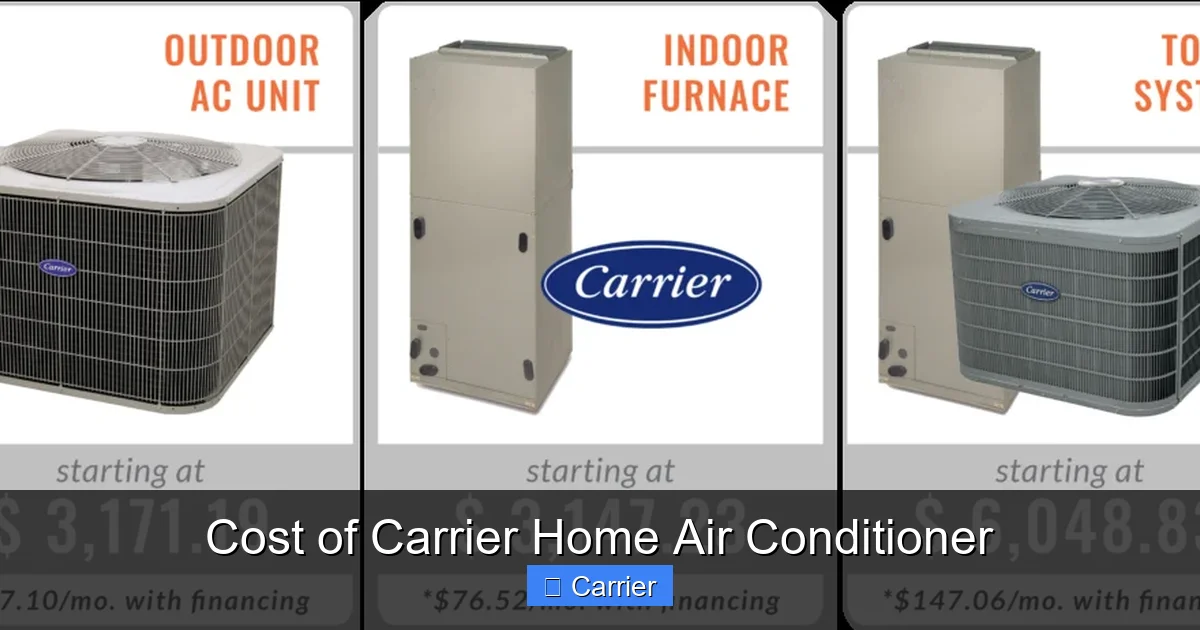
Carrier offers a wide range of residential air conditioning systems, each designed for different needs and budgets. Their product lineup includes window units, portable models, and whole-home central air systems. For most homeowners, the focus is on central air because of its superior comfort and efficiency.
Single-Stage vs. Two-Stage vs. Variable-Speed Compressors
One of the biggest factors influencing the cost of a Carrier home air conditioner is the type of compressor it uses:
- Single-Stage: These systems run at full power all the time, turning on and off as needed. They’re the most affordable option, typically priced between $2,500 and $4,000 installed. While they get the job done, they cycle frequently, which increases energy use and wear on components.
- Two-Stage: These units have two levels of operation—high and low. Most of the time, they run on low stage, which is quieter and more energy-efficient. Carrier’s two-stage models usually cost between $4,000 and $6,500 installed. They’re ideal for homes in moderate climates.
- Variable-Speed: The premium option, these compressors adjust their speed continuously for precise temperature control. Carrier’s variable-speed models, like the Infinity series, can exceed $8,000 installed due to advanced features and ultra-high SEER ratings. They offer the best comfort and efficiency but come with a higher upfront cost.
For example, a 3-ton Carrier 24ANB036 (two-stage) might cost around $3,800 installed in a typical suburban home, while a 24VYP036 (variable-speed) could run closer to $7,500. The difference may seem steep, but the long-term savings often justify the investment.
SEER Rating and Energy Efficiency
The Seasonal Energy Efficiency Ratio (SEER) measures how efficiently your air conditioner uses electricity. Carrier models range from 13 SEER (basic) to 26 SEER (premium). Higher SEER ratings mean lower utility bills and eligibility for rebates.
For instance, upgrading from a 13 SEER to a 16 SEER Carrier unit can save up to 20% on cooling costs annually. While a high-SEER model costs more upfront, the return on investment comes back fast through energy savings.
Installation Costs: What You’ll Really Pay

Visual guide about Cost of Carrier Home Air Conditioner
Image source: imgix.theurbanlist.com
Buying the air conditioner is only half the battle. Installation is where many homeowners encounter unexpected costs. A professional installation ensures safety, optimal performance, and warranty compliance.
Typical Installation Price Ranges
On average, installing a Carrier central air conditioner costs between $3,000 and $6,000, depending on several variables:
- Unit Size (Tons): A 2-ton unit is common for smaller homes; a 4-ton or larger is needed for bigger spaces. Larger units cost more to install and operate.
- Ductwork: If your home lacks existing ducts, installation can add $1,500 to $4,000. Retrofitting ducts into older homes is especially complex and costly.
- Electrical Upgrades: Older homes may need new circuits, breaker panels, or wiring, adding $500 to $1,500 to the total.
- Outdoor Unit Placement: Moving the condenser unit far from the house or dealing with zoning restrictions can increase labor time and cost.
- Thermostat Replacement: Carrier recommends compatible smart thermostats like the Comfort® Connect or Côr, which cost $200 to $400 and improve system performance.
For example, a simple installation in a modern home with existing ducts might cost $3,200. But if you need ductwork added and a new electrical panel, the same system could reach $6,500. Always get multiple quotes and ask for itemized estimates.
DIY vs. Professional Installation
While some homeowners attempt DIY installations to save money, Carrier strongly advises against it. Improper setup can void warranties, cause safety hazards, and lead to poor performance. Plus, local building codes often require licensed HVAC technicians for permits and inspections.
Professional installation also includes load calculations, refrigerant handling, and post-installation testing—all critical for efficiency and longevity.
Additional Costs to Consider
Beyond the unit and installation, several other expenses can affect your total investment in a Carrier home air conditioner.
Permits and Inspections
Most cities require permits for HVAC installations. These fees range from $100 to $300 and cover inspections to ensure the work meets safety and code standards. Your contractor usually handles this, but it’s part of the overall cost.
Warranty Coverage
Carrier offers comprehensive warranties on their products:
- Standard Warranty: Typically 5–10 years on parts and compressor (varies by model).
- Extended Protection: Optional plans like Carrier’s Comfort Assurance Program extend coverage up to 10 years and include maintenance services.
While the warranty itself doesn’t cost extra upfront, choosing an extended plan adds $100 to $300 per year. Still, it protects against costly repair bills and gives peace of mind.
Maintenance and Cleaning
Annual maintenance is essential for efficiency and lifespan. A typical tune-up includes cleaning coils, checking refrigerant levels, inspecting electrical connections, and replacing filters. Expect to pay $150 to $300 per service. Some contractors include this in annual service contracts.
Neglecting maintenance can reduce efficiency by 15% and shorten your system’s life by half.
Replacement Parts and Repairs
Even with proper care, parts wear out. Common replacements include capacitors ($50–$150), blower motors ($300–$800), and thermostats ($100–$300). A faulty refrigerant leak repair can cost $200 to $600 depending on severity.
Having a service contract can help manage these costs, but factor them into your long-term budget.
Financing and Payment Options
The high upfront cost of a Carrier home air conditioner doesn’t have to be a barrier. Several financing options make it easier to afford the system you need.
Manufacturer Financing Programs
Carrier partners with companies like Wells Fargo and Synchrony Bank to offer special financing. These plans often feature:
- 0% interest for 12 to 18 months
- Deferred payments for up to 12 months
- Low monthly payments over 24 to 60 months
For example, a $5,000 system with 0% interest for 18 months would require only $278 per month—plus installation—with no finance charges.
Home Equity Loans and Lines of Credit
Many homeowners use home equity loans (HEL) or lines of credit (HELOC) to fund HVAC upgrades. These typically offer lower interest rates than credit cards and may be tax-deductible if used for energy improvements.
Compare rates and terms carefully, and consider how the loan fits into your overall financial plan.
Rebates and Tax Credits
Don’t overlook government and utility incentives. When you install a high-efficiency Carrier air conditioner, you may qualify for:
- Federal Tax Credit: Up to 30% of the cost (including installation) under the Inflation Reduction Act (IRA) for qualifying ENERGY STAR® models.
- State Rebates: Programs like California’s Instant Discounts or New York’s Home Performance with ENERGY STAR offer cash back.
- Utility Company Rebates: Local providers like PG&E or Con Edison often reward efficiency upgrades with direct rebates.
For instance, a 26 SEER Carrier unit might qualify for a $500 federal credit and a $300 utility rebate—effectively reducing your net cost by nearly $800.
Always verify eligibility and apply before installation to maximize savings.
How to Choose the Right Carrier Model for Your Home
Picking the wrong size or type of air conditioner leads to higher costs and discomfort. Here’s how to match a Carrier unit to your home.
Calculate Your Cooling Load
HVAC professionals use Manual J calculations to determine the correct tonnage for your space. Too small a unit struggles to cool; too large cycles on and off frequently, wasting energy.
A general rule: 1 ton of cooling equals 12,000 BTUs and covers about 400–600 square feet. But insulation, windows, climate, and ceiling height all affect demand.
For example, a 2,000 sq. ft. home in a hot climate may need a 3.5-ton unit, while the same size home in a mild area might only need 3 tons.
Consider Climate and Usage Patterns
If you live in a humid region, look for Carrier models with dehumidification features or variable-speed airflow. In extreme heat, a two-stage or variable-speed system provides better comfort.
Also think about how long you run the AC daily. High usage makes energy efficiency even more valuable.
Evaluate Noise Levels
Carrier’s variable-speed and two-stage models are significantly quieter than single-stage units. If bedrooms are near the outdoor unit, noise becomes a concern. Look for units with sound ratings below 70 decibels.
Long-Term Savings and ROI
Yes, a Carrier home air conditioner costs more upfront than cheaper brands, but the long-term benefits often outweigh the initial expense.
Energy Bill Reductions
A high-efficiency Carrier unit can cut cooling costs by 20–40% compared to older systems. Over five years, that’s hundreds—or even thousands—of dollars saved.
For example, replacing a 10-year-old 13 SEER system with a 20 SEER Carrier model might save $300 per year. After five years, you’ve recovered part of your investment.
Increased Home Value
Energy-efficient HVAC systems are a major selling point. Buyers value modern, efficient cooling systems, especially in hot markets. Installing a Carrier unit can boost your home’s resale value by 3–5%.
Durability and Reliability
Carrier systems are built to last 15–20 years with proper care. Fewer breakdowns mean fewer repair costs and less downtime during heatwaves.
In contrast, budget systems may fail within 5–7 years, costing more in replacements and discomfort.
Tips to Reduce Your Total Cost
Even with a premium brand like Carrier, smart choices can lower your overall expense.
Get Multiple Quotes
Contact at least three licensed HVAC contractors. Compare not just prices, but included services, warranties, and timelines. Beware of unusually low bids—they may skip important steps.
Upgrade Timing
Installing during shoulder seasons (spring or fall) can reduce labor costs by 10–15%. Contractors have more availability and may offer promotions.
Bundle Services
Some companies offer package deals that include installation, thermostat, and maintenance. These can save $200–$500 compared à la carte purchases.
Improve Home Insulation
Sealing leaks, adding attic insulation, or installing thermal curtains reduces cooling load, allowing you to downsize the unit slightly—saving on both equipment and installation.
Use Smart Thermostats
Pair your Carrier system with a programmable or smart thermostat. These optimize runtime, reduce waste, and can be controlled remotely—saving energy without sacrificing comfort.
Conclusion: Is a Carrier Home Air Conditioner Worth the Cost?
Investing in a Carrier home air conditioner means choosing quality, efficiency, and peace of mind. While the upfront cost—including installation—can range from $3,000 to over $8,000, the long-term benefits are clear. From lower energy bills and increased home value to reliable performance and available incentives, Carrier systems deliver lasting value.
Rather than focusing solely on the price tag, consider the total cost of ownership. A slightly more expensive model with higher efficiency may pay for itself in energy savings within a few years. And with financing, rebates, and professional support, the burden of the initial investment becomes manageable.
When you choose Carrier, you’re not just buying an air conditioner—you’re investing in comfort, durability, and smart home performance. With proper planning and the right contractor, your new system will keep your family cool for decades to come.
Frequently Asked Questions
How much does it cost to install a Carrier air conditioner?
Installation typically costs between $1,500 and $3,500, but can go higher if ductwork, electrical upgrades, or permits are needed. The total system cost (unit + installation) usually ranges from $3,000 to $6,000.
Is it worth paying extra for a variable-speed Carrier model?
Yes, if you value comfort, quiet operation, and maximum energy savings. Variable-speed models use less energy, provide consistent temperatures, and last longer—making them cost-effective over time.
Can I install a Carrier air conditioner myself?
No. DIY installation voids warranties, risks safety issues, and often fails code requirements. Always hire a licensed HVAC technician for proper setup, testing, and compliance.
Are there rebates for Carrier air conditioners?
Yes. Federal tax credits (up to 30%), state rebates, and utility company incentives are available for high-efficiency ENERGY STAR® Carrier models. Check your local programs before purchasing.
How long do Carrier air conditioners last?
With regular maintenance, Carrier systems typically last 15–20 years. Proper sizing, annual tune-ups, and timely repairs help extend lifespan and maintain efficiency.
Should I replace my thermostat when installing a new Carrier AC?
It’s recommended. Compatible smart thermostats like Carrier’s Comfort Connect improve performance, enable remote control, and optimize energy use—adding minimal cost but significant benefit.