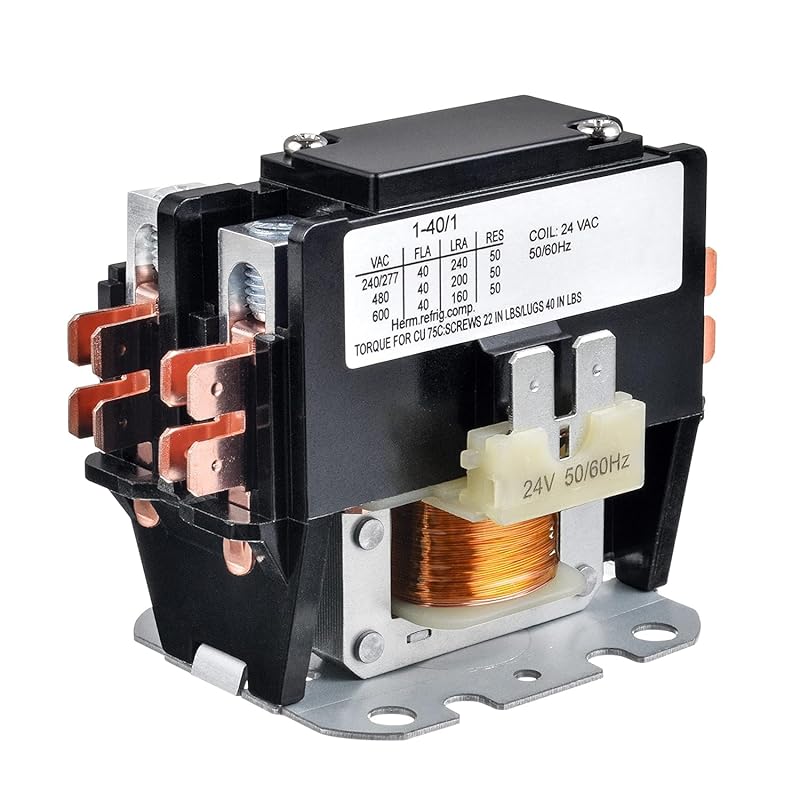
Installing a Carrier furnace and air conditioner with gas heating costs between $6,000 and $12,000, depending on unit size, efficiency, and labor. This investment offers high energy efficiency, reliable performance, and long-term savings on utility bills. Choosing a reputable contractor and proper sizing ensures optimal comfort and system longevity.
If you’re thinking about upgrading your home’s heating and cooling, chances are you’ve heard the name “Carrier” come up more than once. Known for innovation, durability, and smart technology, Carrier has been a trusted brand in HVAC systems for over a century. One of the most common questions homeowners ask is: How much does it really cost to install a Carrier furnace and air conditioner with gas heating?
This article breaks down everything you need to know—from upfront costs and efficiency ratings to installation tips and long-term savings. Whether you’re replacing an old system or building a new home, understanding the total cost helps you make a smart, informed decision.
Let’s dive in and explore what goes into the price of a Carrier gas furnace and air conditioner installation.
Key Takeaways
- Average Installation Cost: Expect to pay between $6,000 and $12,000 for a full Carrier gas furnace and central air conditioning system.
- Gas vs. Electric Efficiency: Gas furnaces typically offer higher AFUE ratings (90–98%) than electric heat pumps, making them ideal in colder climates.
- SEER Rating Matters: Higher SEER-rated air conditioners (14–20+) reduce energy use and lower monthly cooling bills.
- Professional Sizing Is Critical: An improperly sized system leads to inefficiency, wear, and higher operating costs.
- Warranty & Rebates: Carrier offers strong warranties, and local utilities may provide rebates for high-efficiency models.
- Ongoing Maintenance Saves Money: Annual tune-ups improve efficiency and extend system life by 5–10 years.
- Energy Savings Over Time: A well-maintained gas furnace/AC combo can save hundreds annually compared to older systems.
Quick Answers to Common Questions
What’s the average cost to install a Carrier furnace and air conditioner with gas?
It typically costs between $6,000 and $12,000 installed, including equipment and labor. Prices vary based on system size, efficiency, and local installation complexity.
Can I install a Carrier furnace and AC myself?
No. HVAC systems involve gas lines, refrigerants, and electrical work that require licensed professionals. DIY installation voids warranties and poses safety risks.
How long does installation take?
Most installations take 4 to 8 hours, depending on the complexity of your home’s ductwork and existing setup.
Are there rebates for Carrier systems?
Yes. Many utility companies and government programs offer rebates for ENERGY STAR certified Carrier furnaces and air conditioners. Check DSIRE or your local provider.
Do Carrier systems work with smart thermostats?
Absolutely. Carrier systems are compatible with Wi-Fi thermostats like the ComfortLink II, allowing remote control and energy-saving automation.
📑 Table of Contents
- What Is a Carrier Furnace and Air Conditioner Combo?
- How Much Does It Cost to Install a Carrier Furnace and Air Conditioner?
- Factors That Influence the Total Cost
- Benefits of Choosing a Carrier System
- Installation Process Explained
- Tips to Save on Installation Costs
- Long-Term Savings and ROI
- Common Mistakes to Avoid
- Is a Gas Furnace Right for You?
- Final Thoughts
What Is a Carrier Furnace and Air Conditioner Combo?
A Carrier furnace and air conditioner combo refers to a complete HVAC system that includes both a heating unit (the furnace) and a cooling unit (the air conditioner). In this setup, the furnace uses natural gas or propane to generate heat, while the air conditioner removes indoor heat using refrigerants and airflow. These two systems often work together through a shared ductwork and thermostat control.
Carrier offers several series of furnaces and AC units designed to work seamlessly. For example, the Carrier 24VNA9 (gas furnace) pairs well with the 24ABC6 (air conditioner), creating a balanced, efficient system. The key advantage? One company, one warranty, and one point of contact for service and support.
Why Choose a Gas-Powered Furnace?
Gas-powered furnaces are popular in many U.S. homes because they heat homes quickly and efficiently, especially in cold climates. Unlike electric heat pumps, which struggle below freezing, gas furnaces maintain consistent warmth regardless of outdoor temperature. They also tend to have higher Annual Fuel Utilization Efficiency (AFUE) ratings—often 90% to 98%, meaning nearly all the fuel is converted into usable heat.
With rising electricity prices in some regions, gas remains a cost-effective heating option. Plus, modern Carrier gas furnaces include features like variable-speed blowers, two-stage heating, and quiet operation.
How Much Does It Cost to Install a Carrier Furnace and Air Conditioner?
Visual guide about Cost of Carrier Furnace Air Conditioner Installed Gas
Image source: m.media-amazon.com
The total cost of installing a Carrier furnace and air conditioner depends on several factors. On average, homeowners spend between $6,000 and $12,000 for a complete installation. Let’s break this down.
Unit Prices
Carrier offers a range of models, from budget-friendly to premium. Here’s a quick look at typical costs:
– Entry-Level Furnace: $1,800–$2,800 (e.g., Carrier 24ANA)
– Mid-Range Furnace: $2,800–$4,000 (e.g., Carrier 24VCB)
– High-Efficiency Furnace: $4,000–$6,000+ (e.g., Carrier 24VNA9)
– Entry-Level AC Unit: $1,600–$2,500 (e.g., Carrier 24ABC6)
– Mid-Range AC Unit: $2,500–$4,000 (e.g., Carrier 24ANB1)
– Variable-Speed AC: $4,000–$7,000+ (e.g., Carrier 24VSN8)
Note: These are just the equipment costs. Installation adds significantly to the total.
Labor Costs
HVAC installation requires skilled technicians and can take 4 to 8 hours. Labor typically ranges from $1,500 to $4,000. Factors affecting labor cost include:
– Complexity of ductwork
– Need for new electrical wiring or gas line upgrades
– Permits required by local code
– Location of the home (urban vs. rural, attic access, etc.)
In areas with high demand or strict building codes, labor can push toward the higher end of the range.
Additional Costs to Consider
Beyond the unit and labor, other expenses may arise:
– Ductwork repairs or modifications: $500–$2,000+
– New thermostat: $150–$600 (smart thermostats like Carrier’s ComfortLink II add convenience)
– Gas line hookup or extension: $300–$1,200
– Electrical upgrades: $500–$2,000 (if your current panel can’t handle the load)
– Permits and inspections: $100–$500
Pro Tip: Always get a detailed written estimate before work begins. Ask for itemized pricing so you know exactly what you’re paying for.
Factors That Influence the Total Cost
Visual guide about Cost of Carrier Furnace Air Conditioner Installed Gas
Image source: thumb.ac-illust.com
Not every installation is the same. Several variables affect how much you’ll pay.
System Size and Capacity
The size of your home plays a big role. A 1,500-square-foot house needs a different-sized system than a 3,000-square-foot home. Undersizing leads to poor comfort and higher energy use; oversizing causes short-cycling, which wears out components faster.
Carrier uses Manual J load calculations to determine the correct BTU output. A professional should perform this analysis during the assessment phase.
Efficiency Ratings
Higher efficiency means higher upfront cost but lower long-term bills.
– AFUE (Furnace Efficiency): Measured in percentages. A 95% AFUE furnace keeps 95 cents of every dollar spent on gas.
– SEER (Air Conditioner Efficiency): Ranges from 13 to 26+. The minimum SEER in most states is 13, but 16+ is ideal for savings.
For example:
– A 95% AFUE + 16 SEER system might cost $11,000 installed.
– A 90% AFUE + 13 SEER system might be $8,500.
Even though the cheaper system saves you $2,500 now, it could cost $300–$600 more per year in energy.
Location and Climate
Where you live affects both equipment choice and installation difficulty.
– Homes in colder climates (e.g., Minnesota, Wisconsin) benefit more from high-AFUE gas furnaces.
– Homes in hotter, humid regions (e.g., Florida, Texas) prioritize high-SEER cooling and dehumidification.
– Urban areas often have stricter codes and higher labor rates.
– Rural areas may require longer gas lines or custom ductwork.
Utility company rebates are another location-based factor. Some states offer incentives for ENERGY STAR® certified systems.
Brand Compatibility
While Carrier systems are designed to work together, mixing brands isn’t always ideal. However, if you already own a Carrier furnace and want to add an AC, compatibility is usually straightforward. Mixing brands can void parts of the warranty and complicate troubleshooting.
Benefits of Choosing a Carrier System
So why go with Carrier specifically?
Reliability and Durability
Carrier units are built to last. Many homeowners report 15–20 years of service with proper maintenance. The company uses high-quality materials and rigorous testing.
Smart Technology
Modern Carrier systems include Wi-Fi connectivity, remote monitoring, and app-based controls. You can adjust temperatures, check filter status, and receive alerts from your phone.
Comfort Features
Features like:
– Variable-speed motors (quieter, more efficient)
– Humidity control
– Two-stage compressors
– Advanced filtration (MERV 13 filters available)
…all contribute to better indoor air quality and comfort.
Strong Warranty
Most Carrier systems come with a 10-year parts limited warranty when registered within 90 days. Some high-end models offer 20-year heat exchanger warranties.
Energy Star Certification
Many Carrier models meet ENERGY STAR criteria, qualifying you for federal tax credits and local utility rebates. For 2024, the U.S. Department of Energy increased rebates for high-efficiency heat pumps, but gas furnaces still qualify in many cases.
Installation Process Explained
Understanding the steps involved helps you prepare and avoid surprises.
Step 1: Home Assessment
An HVAC contractor visits your home to evaluate:
– Ductwork condition
– Electrical capacity
– Gas line availability
– Insulation and window types
– Existing thermostat
They’ll also run a Manual J calculation to size your system correctly.
Step 2: Equipment Selection
Based on the assessment, you choose furnace and AC models. The contractor explains trade-offs between cost, efficiency, and features.
Step 3: Permits and Scheduling
The contractor handles permit applications with your local authority. Once approved, they schedule the installation date.
Step 4: Removal of Old System
Old furnace and AC are disconnected and removed. If recycling fees apply, they’ll inform you upfront.
Step 5: New Installation
New units are installed, tested, and connected. Ductwork may be sealed or repaired during this phase.
Step 6: Final Testing and Training
The system is tested for leaks, airflow, and safety. You’ll learn how to operate the thermostat and basic maintenance.
Tips to Save on Installation Costs
You don’t have to pay top dollar. Here’s how to manage costs wisely.
Get Multiple Quotes
Ask at least three licensed contractors for estimates. Compare not just price, but scope of work, warranty terms, and references.
Choose Mid-Range Models
Skip the cheapest and most expensive options. Mid-tier Carrier models (like the 24VCB furnace and 24ANB1 AC) offer excellent value with smart features and strong reliability.
Time Your Purchase
Install in spring or fall when demand is lower. Many contractors offer discounts during off-seasons.
Check for Rebates
Visit DSIRE or call your utility provider. Common rebates include:
– $200–$600 for ENERGY STAR gas furnaces
– $150–$500 for high-SEER AC units
Bundle Services
Some companies offer discounts when you replace both heating and cooling at the same time.
Maintain Regularly
Once installed, annual maintenance prevents breakdowns and keeps efficiency high. Most contractors offer maintenance plans for $150–$300/year.
Long-Term Savings and ROI
Yes, the upfront cost is significant—but so are the long-term benefits.
Lower Utility Bills
A high-efficiency Carrier system can reduce heating and cooling costs by 20–30% compared to a 15-year-old system. For example, if your old system cost $2,400 annually, the new one might cost $1,800.
Over 10 years, that’s $6,000 in savings—easily covering part of the installation cost.
Increased Home Value
A new, efficient HVAC system boosts resale value. Buyers appreciate low operating costs and modern comfort.
Reduced Repairs
Newer systems have fewer mechanical issues. You’re less likely to face emergency repair calls.
Environmental Impact
While gas isn’t zero-emission, high-AFUE systems waste less fuel. Pairing with solar panels or switching to renewable gas (RNG) can further reduce your carbon footprint.
Common Mistakes to Avoid
Don’t let these pitfalls derail your project.
Skipping the Manual J Load Calculation
DIY sizing leads to oversized or undersized systems. Always hire a pro.
Ignoring Ductwork
Leaky or poorly insulated ducts can cut efficiency by 20%. Sealing ducts during installation pays off fast.
Picking the Cheapest Option
The lowest bid might mean cutting corners. Look for NATE-certified technicians and solid warranties.
Neglecting Maintenance
Without annual tune-ups, even the best system loses efficiency.
Not Upgrading the Thermostat
A programmable or smart thermostat improves control and saves 10% on energy use.
Is a Gas Furnace Right for You?
Consider these questions:
– Do you live in a cold climate?
– Is natural gas available in your area?
– Do you prefer fast, reliable heat?
– Are you okay with higher upfront cost for long-term savings?
If you answered yes to most, a gas furnace makes sense. But if you’re in a mild climate and want all-electric, a heat pump might be better.
Carrier also offers hybrid systems that combine gas furnace with electric heat pump—great for seasonal flexibility.
Final Thoughts
Installing a Carrier furnace and air conditioner with gas heating is a smart investment for comfort, efficiency, and peace of mind. While the cost ranges from $6,000 to $12,000, the combination of reliable performance, advanced features, and energy savings makes it worthwhile for most homeowners.
Take time to research, compare quotes, and choose a reputable contractor. With proper installation and maintenance, your new system will serve you well for decades.
And remember: a little planning now saves money and stress later.
Frequently Asked Questions
How much does a Carrier gas furnace alone cost to install?
Installing just a Carrier gas furnace typically costs between $2,500 and $5,500, including labor and any necessary gas line upgrades or ductwork adjustments.
What is the difference between SEER and AFUE ratings?
SEER measures air conditioner efficiency (higher = cooler with less energy), while AFUE measures furnace efficiency (percentage of fuel converted to heat). Both impact long-term energy costs.
Can I mix Carrier furnace and non-Carrier AC?
Technically yes, but it’s not recommended. Mixed brands may complicate warranties and reduce overall efficiency. Carrier systems are engineered to work optimally together.
How often should I service my Carrier HVAC system?
Annual maintenance is ideal. A qualified technician should inspect filters, clean coils, check refrigerant levels, and test safety controls each spring and fall.
Will a new HVAC system increase my home insurance?
Not usually—but it may lower premiums slightly due to improved safety and reduced fire risk. Confirm with your insurer when filing a claim.
What happens if my gas line isn’t adequate for a new furnace?
The installer will assess your gas line pressure and flow rate. If insufficient, they’ll recommend upgrades, which add to the total cost but ensure safe, efficient operation.