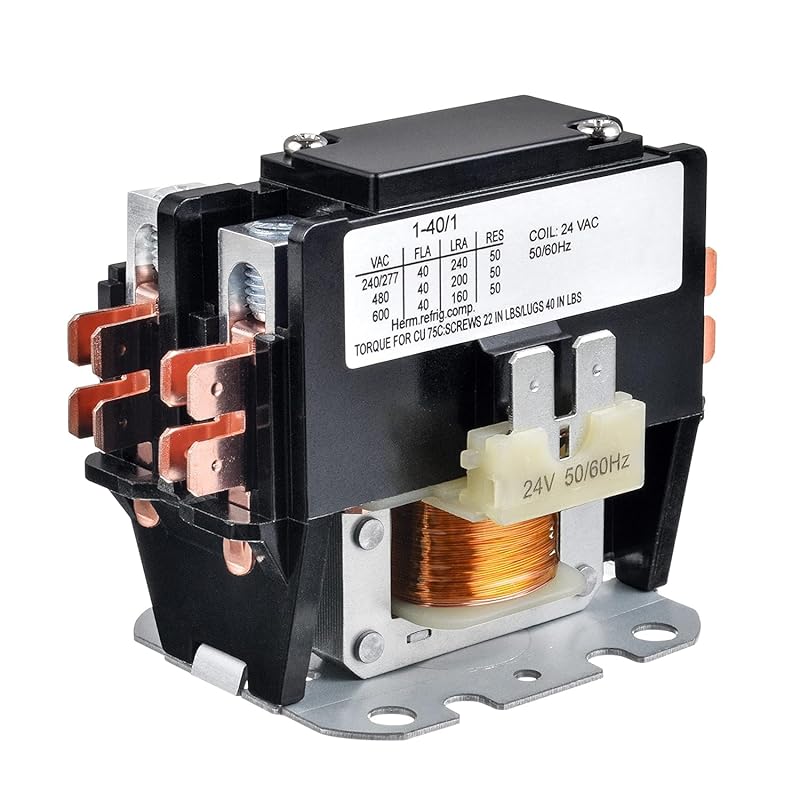
The cost of Carrier air conditioner compressors can range from $500 to over $2,500 depending on model, efficiency, and installation needs. As the heart of your AC system, replacing a faulty compressor ensures energy efficiency and extends your unit’s lifespan. This guide breaks down real-world prices, hidden costs, and tips to save during replacement.
Key Takeaways
- Compressor type matters: Scroll vs. reciprocating compressors affect price and performance—scroll units are quieter and more efficient but cost more.
- Labor adds up: Professional installation typically costs $500–$1,200, making it 30–40% of total replacement expenses.
- Energy efficiency impacts long-term cost: High-efficiency compressors reduce electricity bills by 15–25%, offsetting higher upfront costs.
- Warranty coverage varies: New Carrier systems often include 5–10 year parts warranties, protecting against premature failures.
- DIY isn’t always safe: Compressor work involves refrigerants and electrical systems—hiring a licensed pro avoids safety risks and voided warranties.
- Preventive maintenance saves money: Annual tune-ups can prevent compressor failure, delaying costly replacements for 7–10 years.
- Rebates and incentives exist: Check local utility programs—many offer $200–$600 rebates for high-efficiency Carrier units.
Quick Answers to Common Questions
How much does a Carrier AC compressor cost?
Expect to pay $500–$2,500 for the compressor alone, with total replacement costing $1,800–$4,500 including labor and refrigerant.
Is it worth replacing just the compressor?
Yes, if your unit is under 15 years old and other components are sound. Replacing only the compressor saves money versus full system replacement.
Do I need a permit for AC compressor replacement?
Most cities require permits for HVAC work. Your contractor should handle this—don’t skip it to avoid fines or voided insurance.
Can I reuse my old refrigerant?
Technically yes, but it’s not recommended. Old refrigerant loses purity and efficiency. Most pros recycle or reclaim it properly instead.
How long does a Carrier compressor last?
With good maintenance, Carrier compressors typically last 10–15 years. Scroll-type units may reach 20+ years in ideal conditions.
📑 Table of Contents
- The Heart of Your Cooling System: Understanding Carrier AC Compressors
- What Is an Air Conditioner Compressor—and Why Does It Matter?
- Average Cost Breakdown: What You’ll Pay for a Carrier Compressor Replacement
- Hidden Costs and What They Mean for Your Budget
- How Long Should a Carrier Compressor Last—and When to Replace?
- Smart Tips to Reduce the Cost of Carrier Compressor Replacement
- Can You DIY a Carrier Compressor Replacement?
- Conclusion: Invest Wisely in Your Comfort
The Heart of Your Cooling System: Understanding Carrier AC Compressors
When your Carrier air conditioner kicks on in the summer heat, you’re not just feeling relief—you’re witnessing one of engineering’s most vital processes at work. At the core of every Carrier AC unit is the compressor, often called the “heart” of the system. Without it, cool air simply doesn’t happen. But like any major component, wear and tear eventually take their toll. When that happens, understanding the cost of Carrier air conditioner compressors becomes essential—not just for budgeting, but for making smart, long-term decisions about your home’s comfort and energy use.
Carrier has long been synonymous with reliability and innovation in the HVAC world. Their compressors—especially in models like the Performance™ and Infinity® series—are built for durability, efficiency, and quiet operation. But even the best components have a lifespan, typically lasting 10 to 15 years under normal conditions. Once that window closes, you’re looking at a critical decision: repair or replace? And if replacement is needed, how much will it really cost?
In this comprehensive guide, we’ll walk through everything you need to know about the cost of Carrier air conditioner compressors. From average prices to hidden fees, labor considerations, and smart buying tips, we’ve got you covered. Whether you’re troubleshooting a noisy unit or planning ahead for future upgrades, this article will help you navigate the numbers with confidence.
What Is an Air Conditioner Compressor—and Why Does It Matter?
Visual guide about Cost of Carrier Air Conditioner Compressor
Image source: img1.dxycdn.com
Before diving into costs, let’s clarify what a compressor actually does. In simple terms, the AC compressor pumps refrigerant through your system, raising its temperature and pressure so it can release heat outside. Then it cools the refrigerant down again so it can absorb indoor heat. This cycle repeats continuously while your AC runs.
Think of the compressor as the engine of your car—without it, nothing moves. For Carrier units, the compressor is especially important because it determines how efficiently your system cools your home. Modern Carrier compressors use advanced technologies like variable-speed motors, inverter-driven controls, and multi-stage cooling to match demand precisely. That means less energy waste, quieter operation, and longer lifespans.
There are two main types of compressors used in residential Carrier ACs:
Scroll Compressors
These are found in most newer Carrier models (like the Performance and Infinity lines). They use two spiral-shaped scrolls—one fixed, one orbiting—to compress refrigerant. Scroll compressors are:
– More energy-efficient
– Quieter than older models
– Longer-lasting (often 20+ years with care)
– Ideal for modern homes
Reciprocating Compressors
Common in older or budget-friendly Carrier units, these use pistons and cylinders. While reliable, they tend to be:
– Louder
– Less efficient
– More prone to vibration and wear
Because scroll compressors are now standard in high-end Carrier systems, most replacements involve this technology. That brings us to the next big factor: cost.
Average Cost Breakdown: What You’ll Pay for a Carrier Compressor Replacement
Visual guide about Cost of Carrier Air Conditioner Compressor
Image source: izzysmoke.com
So, what’s the cost of Carrier air conditioner compressors in 2024? Let’s break it down piece by piece.
Part Costs: Compressor Only (Wholesale to Retail)
The actual compressor unit itself typically ranges from **$500 to $2,500**, depending on:
– Model and tonnage (e.g., 2-ton vs. 5-ton)
– Efficiency rating (SEER 14 vs. SEER 20)
– Whether it’s a scroll or reciprocating design
– Availability and regional pricing
For example:
– A basic 2.5-ton reciprocating compressor might start around $500.
– A high-efficiency 3-ton scroll compressor could run $1,200–$1,800.
– Premium inverter-driven scroll units (like those in Carrier Infinity systems) may exceed $2,000.
Keep in mind: these are just the parts. Labor, refrigerant handling, and system diagnostics add significantly to the final bill.
Total Installation Cost: Parts + Labor + Fees
Most homeowners pay between **$1,800 and $4,500** for a full Carrier compressor replacement. Here’s why:
| Cost Component | Estimated Range |
|—————-|—————–|
| Compressor Part | $500 – $2,500 |
| Labor (2–4 hours) | $500 – $1,200 |
| Refrigerant Recharge | $100 – $300 |
| Electrical Work & Thermostat | $100 – $400 |
| Permits & Disposal Fees | $50 – $200 |
That totals roughly **$1,250 to $4,600**—but don’t panic. Many variables affect this number.
For instance, if your existing ductwork is compatible and no upgrades are needed, labor drops. Conversely, if your breaker panel is outdated or the thermostat needs replacement, costs climb.
Regional Price Variations
Prices vary widely by location due to:
– Local HVAC contractor rates
– Utility regulations
– Climate (hotter regions see higher demand)
– Supply chain logistics
In general:
– Urban areas (e.g., NYC, LA): +10–20% above national average
– Rural Midwest/South: -5–15% lower
– Coastal states with strict codes: +$200–$400 for permits
Always get multiple quotes from licensed Carrier-certified technicians. Avoid the cheapest bid—it might skip safety checks or use non-OEM parts.
Hidden Costs and What They Mean for Your Budget
While the compressor is the star of the show, several “hidden” costs can sneak into your estimate. Being aware of them helps you avoid sticker shock.
Refrigerant Handling and Recharge
AC systems lose tiny amounts of refrigerant over time through microscopic leaks. During a compressor replacement, a technician must:
– Recover old refrigerant safely (required by EPA law)
– Leak-test the entire system
– Recharge with new refrigerant
If there’s a leak, it’ll be repaired first—adding $200–$600. Refill costs typically run $100–$300 depending on system size.
Ductwork Inspection and Repairs
Old ducts can develop cracks or disconnections during compressor removal/reinstallation. If airflow is poor, your new compressor won’t perform well. Expect duct sealing or minor repairs at $300–$900.
Electrical Upgrades
Some older homes lack sufficient amperage for modern Carrier compressors. Upgrading from 115V to 230V service or replacing the disconnect switch adds $300–$800.
Thermostat Compatibility
Newer Carrier compressors often pair with smart thermostats (e.g., Nest, Ecobee). If yours is outdated, you might need a $150–$400 upgrade to unlock full features like remote control and energy reports.
Permits and Inspections
Many cities require HVAC work permits ($50–$200) and post-installation inspections. Skipping these risks fines and voided insurance claims.
Bottom line: always ask for a detailed itemized quote before work begins.
How Long Should a Carrier Compressor Last—and When to Replace?
Knowing when to replace your compressor saves money and prevents emergency breakdowns. Most Carrier compressors last **10 to 15 years**, but several factors influence longevity:
Maintenance History
Regular filter changes, coil cleaning, and annual professional servicing extend life. Neglect leads to dirt buildup, reduced efficiency, and premature failure.
Climate and Usage
Frequent cycling, extreme humidity, or dusty environments accelerate wear. Homes in Florida or Arizona may see shorter lifespans.
Quality of Installation
Poor initial setup causes stress on components. Always hire NATE-certified technicians.
Signs You Need a Replacement
Watch for:
– Loud grinding or banging noises
– Warm air blowing despite fan running
– Frequent tripped breakers
– Rising electric bills
– Frost on refrigerant lines
If your unit is over 12 years old and showing multiple symptoms, it’s likely time.
Pro tip: Schedule a pre-failure diagnostic test every 5 years. It’s cheaper than an emergency call-out.
Smart Tips to Reduce the Cost of Carrier Compressor Replacement
Even with rising prices, you can manage the cost of Carrier air conditioner compressors with smart planning.
1. Compare Quotes from Certified Pros
Get at least 3 estimates from Carrier Factory Authorized Dealers. They use genuine OEM parts and follow factory guidelines—protecting your warranty.
2. Ask About Financing Options
Many dealers offer 0% APR plans or payment terms. For example, Carrier Comfort Club members get exclusive financing.
3. Consider Rebates and Tax Credits
The federal Energy Efficient Home Improvement Credit offers **up to $600** for qualifying HVAC upgrades in 2024. Plus, utilities like PG&E or Con Edison offer $300–$600 rebates for high-SEER Carrier systems.
4. Bundle with Duct Sealing or Smart Thermostat
Dealers often discount package deals. Improving duct efficiency can reduce compressor workload by 10–15%, lowering future bills.
5. Join a Maintenance Plan
Programs like Carrier’s Comfort Club ($199/year) include bi-annual tune-ups, priority service, and discounts on parts. It pays for itself if your unit ages beyond 8 years.
6. Time Your Replacement Strategically
Avoid peak summer demand (July–August). Spring or fall installations cost 10–20% less due to lower contractor workload.
Can You DIY a Carrier Compressor Replacement?
Short answer: **No—not safely or legally.**
Here’s why:
– Refrigerant recovery requires EPA Section 608 certification. Unlicensed handling results in fines up to $16,000 per violation.
– Compressors involve high-voltage wiring and pressurized gases—risk of fire, electrocution, or injury.
– Improper installation voids Carrier’s warranty instantly.
– Incorrect sizing leads to short cycling, which damages the new compressor within months.
Even experienced handymen should leave this to pros. The risk far outweighs potential savings.
Instead, focus on preventive care:
– Change filters monthly
– Keep outdoor coils clear of debris
– Set thermostat to 78°F when home
– Use ceiling fans to reduce AC runtime
These habits can delay compressor failure by years.
Conclusion: Invest Wisely in Your Comfort
Understanding the cost of Carrier air conditioner compressors isn’t just about numbers—it’s about protecting your home, health, and wallet. Yes, a replacement is a significant investment, but choosing quality, energy-efficient components pays off in lower bills, fewer repairs, and greater peace of mind.
Remember: the cheapest option today could cost more tomorrow. Prioritize certified technicians, genuine parts, and proper installation. Leverage rebates, maintenance plans, and seasonal timing to maximize value.
Your Carrier AC isn’t just a machine—it’s your ally against heatwaves. Treat it right, and it’ll serve you faithfully for over a decade. When the time comes to replace the compressor, do it smart. Because comfort shouldn’t come at an unexpected price.
Frequently Asked Questions
What affects the cost of replacing a Carrier AC compressor?
Several factors influence cost: compressor type (scroll vs. reciprocating), system size, labor rates, refrigerant needs, and whether additional repairs like ductwork or electrical upgrades are required.
Are Carrier compressors expensive compared to other brands?
Carrier compressors are premium-priced due to brand reputation and efficiency, but they often outlast competitors. The higher initial cost is usually justified by lower energy bills and longer service life.
Should I replace my whole AC unit instead of just the compressor?
If your unit is over 10–12 years old or other parts (coils, capacitors, blower motor) are failing, a full replacement may be more economical. Otherwise, compressor-only replacement is common and effective.
Does warranty cover compressor replacement?
New Carrier systems come with 5–10 year parts warranties. If the compressor fails early due to defects, the dealer typically covers it—but not if caused by poor maintenance or improper installation.
How can I lower my AC compressor replacement cost?
Schedule during off-peak seasons, compare multiple quotes, apply for utility rebates, join a maintenance plan, and ensure your unit is well-maintained to avoid extra repairs.
Is it safe to wait until summer to replace my compressor?
Not recommended. Waiting increases risk of complete system failure during hot weather. Schedule replacement in spring or fall when contractors are less busy and temps are milder.