Thinking about upgrading your home’s cooling system? The cost of a Carrier central air conditioner typically ranges from $3,500 to $7,500 installed, depending on size, efficiency, and regional factors. With top-tier reliability and energy-saving features, Carrier units offer long-term value—especially when paired with proper maintenance and smart usage habits.
Key Takeaways
- Total Cost Range: Expect to pay between $3,500 and $7,500 for a fully installed Carrier central AC, including equipment and labor.
- SEER Rating Matters: Higher SEER ratings (16–24) mean better energy efficiency but may increase upfront costs—balance comfort and savings.
- Installation Complexity: Ductwork, home size, and accessibility can significantly affect final pricing—older homes often need more work.
- Energy Bills Can Drop: A Carrier high-efficiency model can reduce cooling costs by 20–30% compared to older systems.
- Financing & Rebates Available: Many utility companies and government programs offer rebates or low-interest loans for efficient Carrier units.
- Maintenance Saves Money: Annual tune-ups extend lifespan and keep performance optimal, avoiding costly repairs.
- Warranty Coverage: Carrier offers strong warranties (typically 10 years on compressors, 5–10 on parts), adding peace of mind to your investment.
Quick Answers to Common Questions
How much does a Carrier central air conditioner cost installed?
On average, expect to pay between $3,500 and $7,500 for a fully installed Carrier central AC, including equipment, labor, and necessary modifications.
Is Carrier more expensive than other brands?
Yes, Carrier units typically cost 10–20% more than generic or lesser-known brands due to superior build quality, efficiency, and warranty coverage.
Can I finance a Carrier AC unit?
Yes, Carrier offers 0% interest financing for qualified buyers through partner lenders, plus utility rebates and federal tax credits.
Do I need new ductwork for a Carrier central AC?
Only if your home lacks ducts or they’re damaged. Existing ductwork keeps costs lower; otherwise, expect $2,000–$6,000+ in duct installation.
Will a Carrier AC lower my energy bills?
Absolutely. High-efficiency models (SEER 16+) can reduce cooling costs by 20–30% compared to outdated systems.
📑 Table of Contents
- Understanding the True Cost of a Carrier Central Air Conditioner
- What Is Included in the Cost of a Carrier Central AC?
- How Much Does a Carrier Central Air Conditioner Actually Cost?
- Factors That Influence the Total Cost
- Financing Options and Rebates to Reduce Costs
- Long-Term Savings and ROI of a Carrier AC Unit
- Tips to Save Money When Buying a Carrier Central AC
- Conclusion: Is a Carrier Central Air Conditioner Worth the Investment?
Understanding the True Cost of a Carrier Central Air Conditioner
When the summer heat hits, there’s nothing more comforting than stepping into a cool, climate-controlled home. For many homeowners, upgrading or replacing their central air conditioning system is one of the most impactful decisions they can make. And when it comes to trusted brands in the HVAC world, Carrier stands out as a leader known for innovation, durability, and energy efficiency.
But before you dive into purchasing a Carrier central air conditioner, it’s essential to understand what goes into the total cost. It’s not just the sticker price of the unit—it’s also installation, ductwork, permits, potential upgrades, and ongoing maintenance. In this guide, we’ll break down every aspect of the cost so you can make a confident, informed decision.
Whether you’re building a new home, replacing an old unit, or simply looking to upgrade for better comfort and lower energy bills, this article will walk you through everything you need to know about the cost of a Carrier central air conditioner.
—
What Is Included in the Cost of a Carrier Central AC?
The price tag for a Carrier central air conditioner covers more than just the outdoor compressor and indoor evaporator coil. Let’s unpack the full picture:
The Equipment Itself
Carrier offers a wide range of central air conditioners, from budget-friendly models to premium systems with advanced technology. Entry-level units typically start around $2,500, while high-end models with smart features and ultra-high SEER ratings can exceed $4,000. The brand’s reputation for quality comes at a premium, which is why Carrier systems are often chosen for their longevity and reliability.
Professional Installation
This is where costs can really add up. Professional installation isn’t optional—it’s critical for safety, performance, and warranty compliance. A Carrier-certified contractor ensures the unit is sized correctly, ducts are sealed, and refrigerant levels are accurate. Depending on your home, installation might include:
– Running new refrigerant lines
– Installing electrical connections
– Modifying ductwork (in older homes)
– Obtaining local permits
For example, a simple split-system install in a new home might run $1,500–$2,500, while retrofitting ductwork in a 1970s ranch could push the labor cost to $4,000 or more.
Ductwork and Home Layout
One major factor affecting cost is whether your home already has ductwork. If it does, the job is simpler. But if you’re installing ducts for the first time—or replacing damaged ones—this adds $2,000 to $6,000+ to the project. Homes with multiple stories, complex layouts, or tight crawl spaces require more labor and materials.
Permits and Inspections
Most municipalities require a permit for HVAC installations. These usually cost $100–$300 and ensure the work meets safety and building codes. Your contractor should handle this, but it’s part of the overall expense.
—
How Much Does a Carrier Central Air Conditioner Actually Cost?

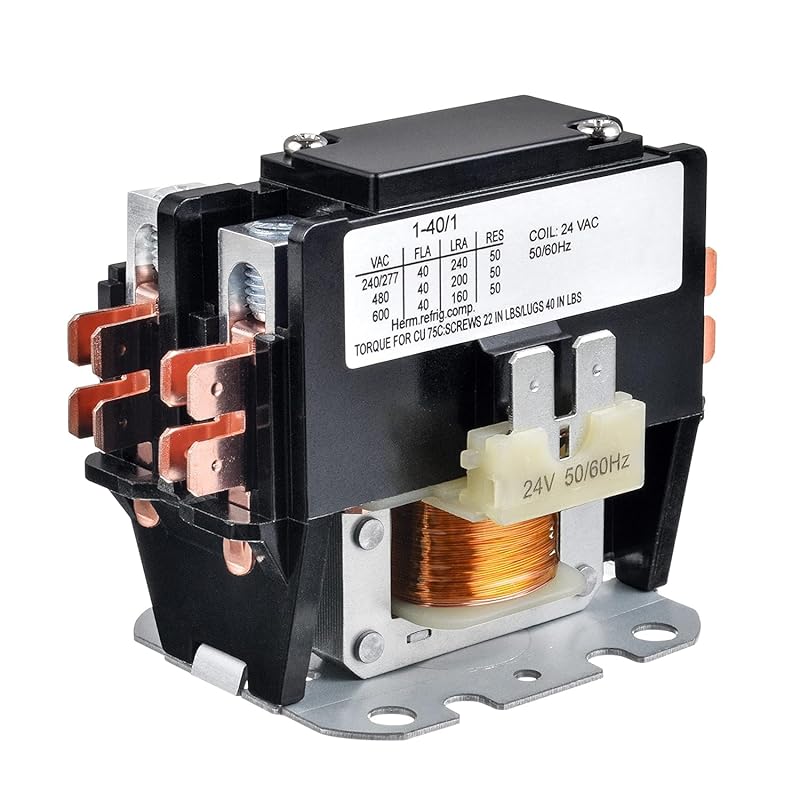
Visual guide about Cost of a Carrier Central Air Conditioner
Image source: m.media-amazon.com
Let’s get straight to the numbers. On average, homeowners spend between $3,500 and $7,500 to purchase and install a Carrier central air conditioning system. Here’s how that breaks down:
| Component | Typical Cost |
|———|————-|
| Unit (indoor + outdoor) | $2,500 – $4,500 |
| Labor (installation) | $1,000 – $3,000 |
| Ductwork (if needed) | $1,500 – $5,000 |
| Permits & fees | $100 – $300 |
Keep in mind, these are national averages. In areas like California, New York, or the Pacific Northwest, costs tend to be higher due to stricter building codes, higher labor rates, and increased demand for efficient systems.
Also, Carrier offers different product lines—each with its own price point. For instance:
– **Carrier Infinity Series**: High-end, variable-speed systems (SEER 18–24), starting around $4,000.
– **Carrier Comfort Series**: Mid-range models (SEER 14–16), priced from $2,800.
– **Carrier Performance Series**: Budget-friendly options (SEER 13–15), starting near $2,500.
Choosing the right model depends on your budget, home size, and climate needs.
—
Factors That Influence the Total Cost
Several variables can shift the final price of your Carrier central AC. Understanding them helps you plan realistically.
Home Size and Cooling Load
A larger home requires a bigger unit, which costs more. HVAC professionals use Manual J load calculations to determine the correct BTU capacity. An undersized unit struggles to cool; an oversized one wastes energy and short-cycles, wearing out faster.
For example:
– A 1,500 sq ft home might need a 3-ton unit ($3,000–$4,000).
– A 3,000 sq ft home could require a 5-ton system ($4,500–$6,000).
SEER Rating and Energy Efficiency
SEER (Seasonal Energy Efficiency Ratio) measures how efficiently a unit uses electricity. Higher SEER means lower energy bills but higher initial cost.
– SEER 13: Basic efficiency, cheaper upfront ($2,500–$3,000)
– SEER 16: Good balance of cost and savings ($3,200–$4,000)
– SEER 20+: Top-tier efficiency, best for hot climates or eco-conscious buyers ($4,000+)
While a higher SEER unit costs more now, it can save $100–$300 annually on electricity—paying for itself over time.
Geographic Location
Climate plays a big role. In hotter states like Texas or Arizona, demand for powerful AC units drives up prices. Plus, local contractors charge varying labor rates. Urban areas often have higher costs than rural zones.
Existing Infrastructure
If your home has existing ductwork, installation is smoother and cheaper. Without ducts, expect additional charges for fabrication and routing.
Type of Installation
– **New construction**: Lower per-unit cost due to bulk labor.
– **Retrofit/renovation**: More complexity, higher cost.
– **Packaged vs. Split System**: Packaged units (all-in-one rooftop style) are easier to install in tight spaces but less common in residential settings.
—
Financing Options and Rebates to Reduce Costs
You don’t have to pay the full amount upfront. Several financial tools can ease the burden:
Manufacturer Financing
Carrier partners with Wells Fargo and other lenders to offer promotional financing:
– 0% interest for 24–36 months (on approved credit)
– Low monthly payments over 60 months
These plans let you spread out the cost without interest if paid on time.
Utility Company Rebates
Many power companies offer cash back for upgrading to high-efficiency systems. For example:
– Southern California Edison: Up to $1,000 for SEER 16+ Carrier units
– Con Edison (NY): $500–$1,200 depending on model
Check your local utility website—these incentives can cover 10–25% of the total cost.
Federal and State Tax Credits
As of 2023, the federal government offers a tax credit of up to $600 for ENERGY STAR certified central air conditioners with SEER ≥15. Some states like California and Massachusetts add their own credits, sometimes doubling the benefit.
Home Improvement Loans
Banks and credit unions offer personal loans or HELOCs (Home Equity Lines of Credit) specifically for HVAC upgrades. Rates are usually lower than credit cards, making them a smart choice for large purchases.
Pro tip: Always ask your contractor about available rebates before signing any agreement—they often handle the paperwork!
—
Long-Term Savings and ROI of a Carrier AC Unit
Investing in a Carrier central air conditioner isn’t just about immediate comfort—it’s about long-term value. Here’s how your system pays off over time:
Lower Energy Bills
A modern Carrier unit uses 20–30% less energy than a 10-year-old system. Over five years, that’s hundreds in savings. For instance, switching from a SEER 10 to a SEER 18 Carrier model might save $250/year—totaling $1,250 in five years.
Increased Home Value
According to real estate experts, a high-efficiency HVAC system increases resale value by 5–10%. Buyers pay a premium for energy-efficient features, especially in hot climates.
Reduced Repair Costs
Carrier systems are built to last 15–20 years with minimal issues. Regular maintenance (twice yearly) prevents breakdowns and keeps repair bills low.
Environmental Impact
Less energy use = fewer carbon emissions. A Carrier high-efficiency unit helps reduce your household’s environmental footprint.
In short, while the upfront cost is significant, the return on investment comes fast—often within 3–5 years through energy savings alone.
—
Tips to Save Money When Buying a Carrier Central AC
Want to keep costs down without sacrificing quality? Try these strategies:
Shop During Off-Peak Seasons
Spring and fall are slower times for HVAC contractors. You’re more likely to find discounts, flexible scheduling, and bundled deals (e.g., free maintenance for life).
Compare Multiple Quotes
Get estimates from at least three Carrier-certified dealers. Prices vary widely—some may include extras like extended warranties or duct cleaning at no charge.
Consider a Heat Pump Instead
In milder climates, a Carrier heat pump (which provides both heating and cooling) can replace your furnace + AC combo, saving installation and operating costs.
Upgrade Insulation and Windows
Sealing leaks and adding thermal curtains reduces cooling load, allowing you to choose a smaller, cheaper unit.
Bundle Services
Some contractors offer package deals: AC install + furnace tune-up + thermostat upgrade. These can save 10–15% overall.
Remember: the cheapest quote isn’t always the best. Prioritize licensed, insured, and highly rated installers.
—
Conclusion: Is a Carrier Central Air Conditioner Worth the Investment?
Yes—absolutely. While the cost of a Carrier central air conditioner may seem steep at first glance, the combination of superior performance, energy savings, and lasting reliability makes it a smart long-term investment. From advanced inverter technology to robust warranties and nationwide service support, Carrier delivers peace of mind along with cool air.
Whether you’re motivated by comfort, sustainability, or home value, a Carrier system checks all the boxes. And with financing options, rebates, and strategic shopping, you don’t have to break the bank to enjoy premium cooling.
Take control of your home’s climate today. Do your homework, compare quotes, and choose a dealer who listens. Your future self (and wallet) will thank you when summer rolls around.
—
Frequently Asked Questions
How long does a Carrier central air conditioner last?
With proper maintenance, a Carrier central AC typically lasts 15–20 years. Regular filter changes and annual servicing help maximize lifespan.
Are Carrier air conditioners worth the extra cost?
Yes. While pricier upfront, Carrier’s durability, energy efficiency, and strong warranties provide long-term savings and reliability unmatched by many competitors.
What size Carrier AC do I need for my home?
A professional HVAC technician should perform a Manual J load calculation based on square footage, insulation, windows, and climate to determine the correct tonnage.
Can I install a Carrier AC myself?
No. Central AC installation requires licensed professionals due to refrigerant handling, electrical wiring, and safety regulations. DIY voids most warranties.
Does Carrier offer rebates or incentives?
Yes. Many utility companies and government programs offer rebates for high-efficiency Carrier units. Ask your installer about available incentives during your quote.
How often should I service my Carrier AC?
We recommend two professional tune-ups per year—once before summer and once before winter—plus monthly filter replacements for optimal performance.