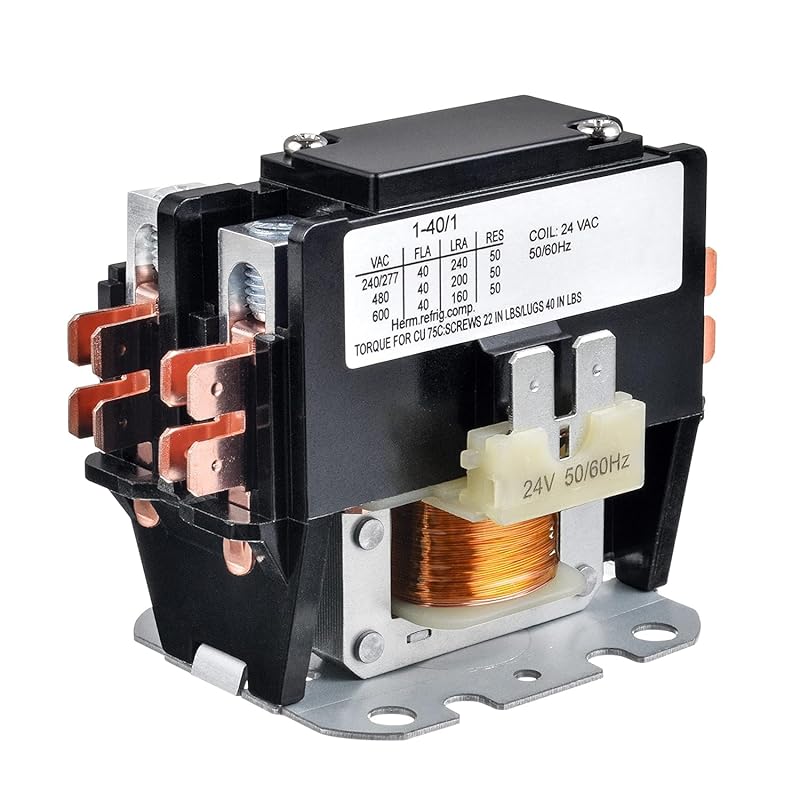
Carrier air conditioners come in various styles and price ranges, from affordable window units under $500 to high-end central systems over $6,000. Installation costs, energy efficiency, and size all impact total expenses. This guide breaks down pricing, helps you compare models, and offers smart ways to save.
Key Takeaways
- Average Cost Range: Carrier AC units typically cost between $1,200 and $8,000, depending on type and capacity.
- Central Air Conditioners: Most expensive option; expect $3,000–$8,000 installed, ideal for whole-home cooling.
- Ductless Mini-Splits: Mid-range pricing ($2,000–$5,000); great for room-by-room control and retrofits.
- Window & Portable Units: Budget-friendly ($400–$1,500); best for single rooms or small spaces.
- Energy Efficiency Matters: Higher SEER ratings save long-term electricity bills despite higher upfront cost.
- Installation Adds 30–60%: Professional setup is crucial—don’t skip this to avoid leaks or poor performance.
- Warranty & Financing: Carrier offers strong warranties; financing options can ease the initial investment.
Quick Answers to Common Questions
How much does a Carrier central air conditioner cost?
Expect to pay $2,500–$7,000 for the unit and $3,000–$8,000 installed, depending on size and complexity.
Are Carrier air conditioners worth the price?
Yes. They offer superior efficiency, durability, and customer support, making them a smart long-term investment.
Can I install a Carrier AC myself?
Not recommended. Improper installation voids warranties and risks system damage. Always hire a certified technician.
Do Carrier units qualify for tax credits?
Some models do, thanks to federal incentives under the Inflation Reduction Act—check eligibility before purchasing.
What’s the average lifespan of a Carrier AC?
With proper maintenance, Carrier systems last 15–20 years, often longer than competitors.
📑 Table of Contents
- Introduction: Why Carrier? Why Now?
- Understanding Carrier Air Conditioner Types and Pricing
- Hidden Costs You Can’t Ignore
- Energy Efficiency: The Real Money Saver
- Financing and Rebates: Making It Affordable
- Maintenance and Long-Term Costs
- How to Choose the Right Carrier AC for Your Home
- Conclusion: Is a Carrier Air Conditioner Worth the Investment?
Introduction: Why Carrier? Why Now?
If you’re shopping for an air conditioner, chances are you’ve heard of Carrier. For over a century, Carrier has been synonymous with reliable, high-performance HVAC systems. But what does that reliability cost? And how do you know if a Carrier air conditioner fits your budget and needs?
In this complete guide, we’ll walk through everything you need to know about the cost of a Carrier air conditioner. Whether you’re looking to cool one room or your entire home, we’ll break down pricing by type, explain hidden costs like installation, and share smart tips to help you get the best value. By the end, you’ll feel confident choosing the right unit—and the right time—to make your purchase.
Understanding Carrier Air Conditioner Types and Pricing
Carrier doesn’t make every kind of AC out there. Instead, they specialize in premium residential and commercial systems. Their lineup includes central air conditioners, ductless mini-splits, window units, and portable models—each with different costs, benefits, and ideal use cases.
Visual guide about Cost of a Carrier Air Conditioner
Image source: nvcourts.gov
Central Air Conditioners
This is the most common type for whole-house cooling. A central Carrier AC uses ductwork to distribute cold air evenly throughout your home. These systems are powerful, quiet, and designed for comfort at scale.
Average Price: $2,500–$7,000 for the unit alone.
Installed Cost: $3,000–$8,000+ (including labor, refrigerant, and electrical work).
For example, the Carrier 24VNA9 (16 SEER) starts around $2,800, while the top-tier 30VAE (20 SEER) can exceed $6,000. Installation adds roughly 40–60% to the base price, especially if new ducts are needed.
Pro Tip: If you’re replacing an old system, ask your contractor whether your existing ductwork can be reused. That alone can save $1,000 or more.
Ductless Mini-Split Systems
Perfect for homes without ductwork or for adding cooling to specific areas (like a sunroom or basement). Ductless units consist of an outdoor compressor and one or more indoor air handlers.
Average Price: $1,800–$4,500 per zone.
Total Installed Cost: $2,000–$5,000+ (depending on number of rooms).
The Carrier 24VRB024-1 (2-ton, 19.5 SEER) runs about $2,200, but installing two indoor units bumps the total to nearly $4,000. These systems are quieter and more energy-efficient than window units and don’t require major construction.
Real-World Example: A homeowner in Arizona added a Carrier ductless unit to their garage workshop. They paid $3,800 installed and saw a 25% drop in summer utility bills—worth every penny.
Window and Portable Air Conditioners
While Carrier isn’t known for budget window units, they do offer compact models for small spaces. These are less common than brands like Frigidaire or LG, but still available.
Average Price: $400–$1,200.
Portable Models: $600–$1,500 (includes hose kit and wheels).
The Carrier 10,000 BTU window unit costs around $550, while a portable model with dehumidifier features tops out near $1,400. Keep in mind: these units cool only one room and may struggle in large or poorly insulated spaces.
Best Use Case: Ideal for renters, dorm rooms, or supplemental cooling during peak heat waves.
Hidden Costs You Can’t Ignore
Buying the unit is just the beginning. Many homeowners underestimate the extra expenses that come with installation, maintenance, and upgrades. Here’s what to watch for:

Visual guide about Cost of a Carrier Air Conditioner
Image source: cdn.mainichi.jp
Professional Installation Fees
DIY AC installation is risky and often voids your warranty. Carrier recommends certified technicians for all installations. Expect to pay:
- $500–$1,200 for central AC setup
- $400–$800 per ductless indoor unit
- $100–$300 for window unit mounting
Complex jobs—like rerouting electrical lines or adding refrigerant—can push labor costs higher. Always get three quotes and verify technician licensing.
Electrical Upgrades
Older homes may need updated circuits or larger breakers to handle modern AC loads. This adds $300–$1,000 to the bill. Newer homes usually avoid this cost.
Thermostat Replacement
If your current thermostat is outdated, you might need a smart or programmable model compatible with your new Carrier system. Smart thermostats (like the Carrier Cor thermostat) range from $200–$400.
Refrigerant and Ductwork
New refrigerant (R-410A or newer R-32) and sealed duct connections are essential. Contaminants in old systems can damage compressors—so don’t cut corners here.
Energy Efficiency: The Real Money Saver
You’ve probably noticed SEER ratings on Carrier boxes. That stands for Seasonal Energy Efficiency Ratio. Higher SEER means more cooling per watt of electricity.
SEER Ratings Explained
- 13 SEER: Meets minimum federal standards; older models
- 16 SEER: Standard for new units; good balance of cost and efficiency
- 18–20 SEER: Premium efficiency; saves 15–25% on annual energy use
A Carrier 20 SEER unit may cost $1,000 more upfront than a 16 SEER, but it could save $150–$250 per year on electricity. Over 10 years, that’s $1,500–$2,500 back in your pocket.
Example: In Florida, where cooling accounts for 50%+ of summer bills, upgrading to a 20 SEER Carrier system pays for itself in under 5 years.
Smart Thermostats and Zoning
Pairing your AC with a smart thermostat lets you schedule cooling, track usage, and reduce waste. Carrier’s own Cor thermostat integrates seamlessly with their systems and offers geofencing to turn off vents when you leave.
Zoning systems—where different parts of your home are cooled independently—can cut energy use by up to 30%. This is especially useful in multi-story homes.
Financing and Rebates: Making It Affordable
Even with upfront costs, you don’t have to pay full price out of pocket. Here’s how to stretch your budget:
Manufacturer Financing
Carrier offers interest-free payment plans through partners like Wells Fargo. Terms vary, but many include 0% APR for 18–24 months. Just watch for deferred interest clauses.
Utility Rebates
Many power companies rebate efficient Carrier units. For example:
- PG&E (California): Up to $600 for qualifying 16+ SEER units
- Con Edison (NYC): $300–$500 for ductless mini-splits
- Southern California Edison: $200 for smart thermostats
Visit your utility’s website or call their rebate hotline before buying.
Federal Tax Credits
As of 2023, the Inflation Reduction Act offers tax credits up to $2,000 for heat pumps and efficient HVAC systems installed in existing homes. Eligible Carrier models include select ductless and central units.
Local Incentives
Cities like Austin, Texas, and Denver offer cash incentives for energy-efficient upgrades. Check with your city’s sustainability office.
Maintenance and Long-Term Costs
A Carrier air conditioner is built to last—but only if you take care of it. Annual maintenance prevents breakdowns and keeps efficiency high.
Annual Service Plan
Most contractors offer service contracts starting at $100–$200/year. Includes filter changes, coil cleaning, and system checks. Neglecting this can shorten your unit’s life by 3–5 years.
Filter Replacements
Cheap filters ($10–$20) should be changed monthly in high-use seasons. High-efficiency filters (MERV 11+) cost $30–$50 but improve air quality and airflow.
Repair Costs
Common repairs include:
- Compressor failure: $800–$2,000
- Capacitor replacement: $100–$300
- Evaporator coil fix: $500–$1,200
Always use OEM (original equipment manufacturer) parts—generic ones can void your warranty.
How to Choose the Right Carrier AC for Your Home
Cost isn’t the only factor. Matching the right unit to your space ensures comfort, safety, and savings.
Assess Your Cooling Needs
Use a BTU calculator based on square footage, ceiling height, insulation, and climate. A 1,000 sq ft home needs ~50,000 BTU (4.2 ton), while a 500 sq ft room needs 9,000–12,000 BTU.
Consider Noise Levels
Central and ductless units operate at 50–70 dB—quieter than a vacuum cleaner. Window units can reach 65–70 dB, so check decibel ratings if noise matters.
Evaluate Space Constraints
No exterior wall access? No problem—ductless systems mount inside. No ductwork? Skip central AC and go ductless.
Think About Future-Proofing
Invest in a heat pump-compatible model if you want dual heating/cooling later. Carrier’s Infinity series supports seamless transition to electric heat pumps.
Conclusion: Is a Carrier Air Conditioner Worth the Investment?
Yes—especially if you value reliability, efficiency, and long-term savings. While the cost of a Carrier air conditioner may be higher than generic brands, the return on investment comes through lower energy bills, fewer repairs, and better home value.
Whether you choose a central system for whole-home comfort or a ductless unit for targeted cooling, Carrier delivers consistent performance backed by a solid warranty (typically 10 years on compressors, 5–10 on parts).
Remember: the cheapest option today might cost more tomorrow. Prioritize quality, professional installation, and smart usage habits. With the right approach, your Carrier AC will keep you cool for decades.
Frequently Asked Questions
What is the average cost of a Carrier air conditioner?
The average cost ranges from $1,200 for basic window units to over $6,000 for high-efficiency central systems. Installation adds another 30–60% to the total.
Does Carrier offer financing options?
Yes. Carrier partners with financial institutions to provide interest-free payment plans, often with 0% APR for 18–24 months.
How much does it cost to install a Carrier air conditioner?
Installation typically costs $500–$1,200 for central AC, $400–$800 per ductless unit, and $100–$300 for window models. Complex jobs may cost more.
Are Carrier air conditioners energy efficient?
Absolutely. Many Carrier models feature SEER ratings up to 20+, significantly reducing electricity use compared to older, less efficient units.
Can I get a rebate on a Carrier AC?
Yes. Many utility companies offer rebates for energy-efficient Carrier models. Amounts vary by location and model—check your local provider’s website.
Is it better to buy a Carrier AC online or in-store?
Buy the unit online or in-store, but always use a licensed HVAC contractor for installation. Online retailers often include free delivery and extended warranties.