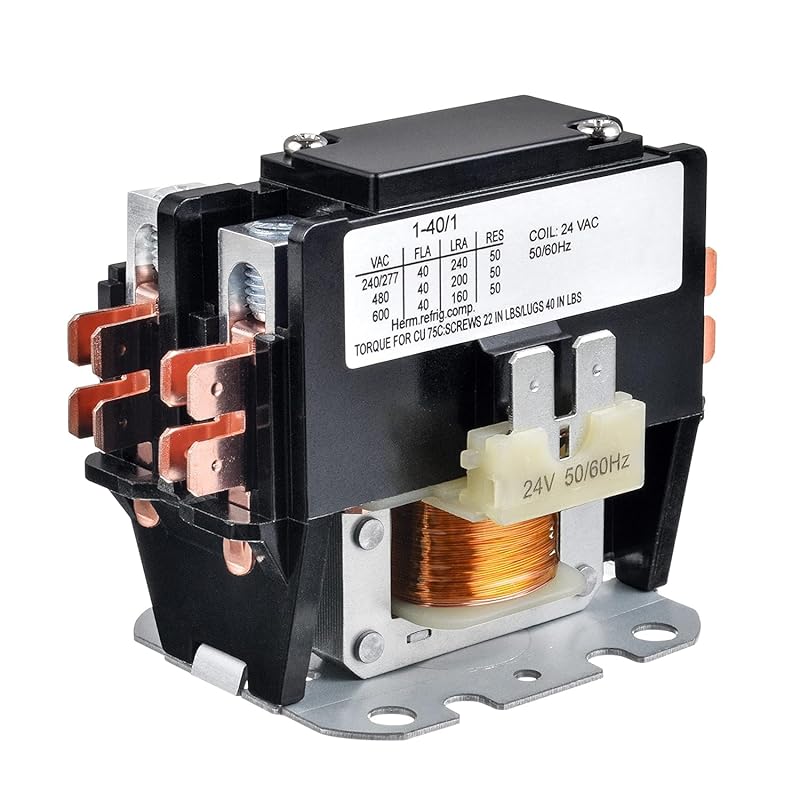
Struggling with your Carrier RV air conditioner remote? You’re not alone—many RVers face compatibility issues, lost remotes, or simple button malfunctions. This guide walks you through identifying your model, finding the right remote, and solving common problems so you can stay cool without breaking the bank. Whether you need a Carrier RV air conditioner remote replacement or just want to understand how it works, we’ve got you covered.
Key Takeaways
- Compatibility is key: Not all Carrier RV AC remotes work with every model. Always check the model number of your unit before purchasing.
- Lose your remote? Most Carrier RV AC units have a manual override or physical controls as a backup when the remote fails.
- Universal remotes exist: Some third-party universal remotes can mimic Carrier signals, but verify compatibility first.
- Battery life matters: Weak batteries are a leading cause of remote failure. Replace them every 6–12 months or as needed.
- Troubleshooting steps: Try resetting the remote, checking the IR sensor, and ensuring no obstructions block the signal.
- Replacement sources: Official Carrier parts, online retailers, and RV specialty stores all offer authentic remotes.
- Prevent future issues: Keep a spare remote in a dry, accessible spot—especially important during long road trips or camping season.
Quick Answers to Common Questions
Can I use any remote with my Carrier RV AC?
No—only remotes specifically designed for your Carrier AC model will work reliably. Using an incompatible remote may cause system errors or complete failure.
What does the red light on the remote mean?
The red LED (or IR emitter) shows when a button is pressed. Point a phone camera at it—you should see a faint flash confirming the signal is being sent.
How far should I hold the remote from the AC?
Typically, signals work within 15–20 feet. For best results, aim directly at the AC’s front panel and keep a clear line of sight.
Why did my remote suddenly stop working?
The most common causes are dead batteries, blocked IR sensors, or dirt/debris on the remote’s surface. Try replacing batteries first.
Is there a way to program a universal remote for my Carrier AC?
Yes—some universal remotes allow code entry. Search online for “learn codes” for your specific Carrier model, but success isn’t guaranteed.
📑 Table of Contents
Understanding Your Carrier RV Air Conditioner Remote
When you hit the road in your recreational vehicle (RV), one of the first things you expect is a cool, comfortable interior—no matter how hot it gets outside. That’s where your Carrier RV air conditioner comes in. But what happens when you reach for the Carrier RV air conditioner remote and nothing responds? Or worse—you’ve misplaced it entirely?
Whether you’re a seasoned full-timer or a weekend adventurer, having control over your RV’s climate is essential. And while modern Carrier AC units are built for durability and efficiency, they rely heavily on that small, handheld remote to function smoothly. From adjusting temperature settings to scheduling power modes, the remote is your direct line to comfort.
In this comprehensive guide, we’ll walk you through everything you need to know about your Carrier RV air conditioner remote—how it works, why it might stop responding, and most importantly, how to get back in control quickly and affordably. We’ll also share practical tips, troubleshooting hacks, and smart ways to avoid future headaches.
How Does a Carrier RV Air Conditioner Remote Work?
Visual guide about Carrier Rv Air Conditioner Remote
Image source: static.mercdn.net
The Carrier RV air conditioner remote isn’t just a fancy gadget—it’s a sophisticated communication tool designed to interact seamlessly with your AC unit. At its core, it uses infrared (IR) technology to send coded signals to the AC’s receiver module.
Inside your RV, the AC unit has an IR sensor—usually located near the front or side grille. When you press a button on the remote (like “Cool” or “Timer”), it emits a unique light signal that matches a specific command. The sensor picks it up, decodes it, and tells the AC system what to do—whether that’s turning on, changing fan speed, or setting a timer.
Most Carrier remotes also include features like:
– Temperature adjustment (up/down buttons)
– Fan speed control (low, medium, high)
– Sleep mode or energy-saving settings
– Timer functions (on/off at set times)
– Display screens showing current settings
These remotes are typically compact, lightweight, and battery-powered, making them easy to store in a glove compartment or under a seat. They’re engineered to withstand the bumps and vibrations of travel, though exposure to extreme heat or moisture can still affect performance over time.
The Importance of Compatibility
One of the biggest pitfalls RVers run into is assuming any remote will work with their Carrier AC. In reality, Carrier produces multiple generations of RV AC units—each with slightly different internal systems. Even within the same model family, firmware updates or regional variations can change how the unit communicates with its remote.
That’s why compatibility is non-negotiable. An incorrect remote may not respond at all, or worse, send conflicting commands that confuse the system. To ensure you get the right one, always cross-check your AC’s model number against the remote’s specifications. This information is usually printed on a label inside the AC housing or in your owner’s manual.
Common Issues With Carrier RV Air Conditioner Remotes
Visual guide about Carrier Rv Air Conditioner Remote
Image source: i.pinimg.com
Despite their reliability, these remotes aren’t immune to problems. Here are some of the most common issues RVers encounter—and how to fix them fast.
Remote Doesn’t Turn On the AC
If pressing buttons does nothing, start with the basics:
– Is the battery dead? Replace it with a fresh alkaline AA or AAA battery (check polarity markings).
– Are the buttons stuck or dirty? Clean around the button area gently with a damp cloth.
– Is the IR sensor blocked? Make sure nothing—like furniture or curtains—is covering the front of the AC unit.
Sometimes, simply removing and reinserting the battery can reset the remote’s internal circuitry. If that doesn’t work, try aiming the remote directly at the sensor from 3–5 feet away, even if it previously worked from farther out.
Inconsistent Response or Intermittent Signals
This often points to either weak batteries or a failing IR LED (the tiny red light at the front of the remote). Test by pointing the remote at a smartphone camera—when you press a button, you should see a faint flash of light through the lens. No flash? Time for new batteries or a replacement remote.
Also, environmental factors matter. Direct sunlight, bright LEDs, or reflective surfaces near the AC can interfere with signal transmission. Try repositioning yourself or shading the area slightly.
Buttons Stop Responding Partially
It’s frustrating when only some buttons work. This usually means dirt, dust, or corrosion has built up under the membrane layer inside the remote. You can try opening the casing (if sealed properly) and cleaning the contacts with isopropyl alcohol—but proceed cautiously to avoid damaging delicate components.
Alternatively, if cleaning doesn’t help, a full replacement may be necessary.
Finding the Right Replacement Remote
Losing or breaking your original remote doesn’t mean you’re stuck sweating through summer heat. There are several paths to getting a working replacement—from official sources to clever DIY fixes.
Order Direct From Carrier
For maximum peace of mind, visit Carrier’s official website or contact their customer support. Provide your AC’s model number (e.g., “CAE180J140A”), serial number, and year of manufacture. They’ll confirm which remote is compatible and often ship within 1–3 business days.
While this option is reliable, it can be pricey—sometimes $75–$120 for an OEM remote. Shipping costs may also apply depending on your location.
Check With Your RV Dealer or Service Center
Local dealers often stock genuine Carrier accessories, including remotes. They can verify compatibility on-site and sometimes order them overnight. Plus, you’ll have someone nearby to help if issues arise later.
Buy From Reputable Online Retailers
Websites like Amazon, eBay, and specialized RV parts stores frequently list authentic Carrier remotes. Look for sellers with high ratings, detailed product descriptions, and clear return policies. Be wary of suspiciously low prices—they may indicate counterfeit or incompatible models.
When shopping online, search specifically for “Carrier [your model] remote” rather than generic terms like “RV AC remote.” For example:
“Carrier CAE180J140A Remote Control”
…works better than…
“RV air conditioner remote”
Consider Universal Alternatives
Some universal remotes claim to work with multiple RV AC brands—including Carrier—by learning or emulating known signal patterns. These can save money and reduce clutter in your glove box. However, success varies widely. Brands like GE, Philips Hue, or even Amazon Basics offer programmable remotes, but you’ll need to spend time coding them to match your AC’s frequency.
Before buying a universal remote, check forums like RV.net or Reddit’s r/rvlife for user experiences with your specific Carrier model. Community insights are invaluable here.
DIY Fixes and Preventive Tips
You don’t always need a new remote to solve minor issues. A few simple tricks can extend your remote’s life and keep your RV cool.
Clean the Remote Regularly
Dust and debris love to accumulate inside small electronics. Wipe the exterior with a microfiber cloth weekly, and use compressed air to blow out vents or crevices. Avoid liquids unless absolutely necessary—moisture damages circuits.
Store It Safely
Keep your remote in a cool, dry place—ideally in a zippered pouch inside your RV’s console or under a seat cushion. Avoid extreme temperatures (like leaving it in a hot car dashboard) or damp environments (bathrooms, near sinks).
Use a Battery Tester
Weak batteries are silent killers. Invest in a cheap digital battery tester ($5–$10) to monitor voltage regularly. Alkaline batteries lose potency over time, even if they still “look” fine.
Reset the AC System
Sometimes, the issue isn’t the remote—it’s the AC itself. Unplug the unit from power for 10 minutes, then reconnect. This resets the control board and clears temporary glitches. After reboot, test the remote again.
Label Your Remote
Attach a small tag or sticker with your AC’s model number to avoid confusion if you ever need another remote. This saves time during replacements and prevents accidental purchases.
When to Call a Professional
While many remote issues are DIY-friendly, there are signs it’s time to bring in a pro:
– The AC runs but ignores all remote commands (possible sensor malfunction)
– Physical damage to the remote (cracked casing, exposed wiring)
– Water or liquid exposure inside the remote
– Persistent errors after trying multiple fixes
An HVAC technician specializing in RVs can diagnose deeper electrical issues or replace faulty sensors. While this adds cost, it ensures your cooling system operates safely and efficiently.
Remember: Safety first. Never attempt to repair internal components without proper tools and knowledge—you risk damaging the AC or voiding warranties.
Final Thoughts: Stay Cool Without the Stress
Your Carrier RV air conditioner remote is more than just a convenience—it’s a lifeline to comfort on long drives or sweltering campouts. By understanding how it works, recognizing early warning signs, and knowing where to find quality replacements, you’ll minimize downtime and maximize enjoyment on the road.
Whether you choose an OEM part, a trusted third-party alternative, or a universal solution, always prioritize compatibility and reliability. And never underestimate the power of a quick battery swap or gentle cleaning session!
With these tips in hand, you’re ready to reclaim control of your RV’s climate—no matter where adventure takes you. So pack your sunscreen, fire up that AC, and enjoy the ride with confidence.
Frequently Asked Questions
How do I find my Carrier RV AC model number?
Look inside the access panel near the thermostat or on the side/front of the unit. It’s usually a string like “CAE180J140A” printed on a white label.
Can I buy a used remote that works with my AC?
Possibly—but buyer beware. Used remotes may have hidden damage or incompatible firmware. Ask for proof of functionality before purchasing.
Do all Carrier RV ACs come with remotes?
Most modern units do, but older models or budget packages may require separate purchase. Check your original packaging or manual.
Will a universal remote void my warranty?
Unlikely—but using non-OEM parts shouldn’t affect coverage unless tampering caused damage. Always consult your warranty terms.
How long do Carrier AC remotes last?
With normal use, expect 1–3 years. Heavy travel, humidity, or poor storage can shorten lifespan significantly.
Can I replace just the battery in my remote?
Yes—most Carrier remotes use standard AA or AAA batteries. Just ensure the polarity (+/-) matches the tray markings.