Your Carrier RV air conditioner suddenly won’t start—no humming, no blower, nothing. Before calling a technician, check the basics: power source, breakers, and connections. Most startup problems stem from simple electrical or control issues rather than major compressor failure. With the right troubleshooting steps, you can often restore cooling in under an hour. This guide walks you through every possible cause—from tripped breakers to faulty thermostats—so you’re prepared the next time your AC decides to take a day off.
Key Takeaways
- Power source is the first suspect: Always verify your RV has power and the correct voltage. A dead battery or disconnected converter can prevent startup.
- Check the circuit breaker: The 30- or 50-amp breaker for the AC may have tripped. Reset it and test again—this solves over half of startup failures.
- Thermostat settings matter: Ensure the unit is set to “cool,” the temperature is below ambient, and the fan mode isn’t stuck on “auto” when it should be “on.”
- Inspect wiring and connections: Loose, corroded, or damaged wires at the thermostat, control board, or power inlet can interrupt the signal needed to start the unit.
- Listen for diagnostic sounds: Beeps, clicks, or error codes from digital thermostats provide clues. Refer to your manual for meaning.
- Consider environmental factors: Extreme heat or blocked airflow around the outdoor unit can trigger thermal overload protection.
- Know when to call a pro: If basic checks don’t resolve it, internal components like capacitors, compressors, or control boards may need replacement.
Quick Answers to Common Questions
Why does my Carrier RV AC make a humming noise but won’t start?
Answer: This usually means the capacitor is weak or failing. The capacitor gives the compressor and fan motor the initial push they need to start. A bad capacitor will hum but not deliver enough power to turn the motor. Replacing it often resolves the issue.
Can a dirty air filter prevent my Carrier AC from starting?
Answer: Yes, especially in older models. A severely clogged filter restricts airflow, triggering thermal overload protection that shuts off the system to prevent damage. Cleaning or replacing the filter and clearing the vent cap usually restores function.
What should I do if the circuit breaker keeps tripping?
Answer: Don’t just keep resetting it. Investigate for shorts, overloads, or failing components like the compressor or capacitor. Continuous tripping indicates a fault that could damage your RV’s electrical system. Consult a technician to diagnose the root cause.
How do I test if my thermostat is working?
Answer: Set it to “Cool” and dial the temperature down several degrees below room temp. If nothing happens within 30 seconds, test the batteries (if applicable) or swap it with a known-good one. Blank display or erratic behavior confirms a faulty thermostat.
Is it safe to try replacing a capacitor myself?
Answer: Only if you’re comfortable handling high-voltage components and disconnecting power first. Capacitors store dangerous charges even when unplugged. Use insulated tools, wear gloves, and follow safety guidelines. If unsure, hire a professional.
📑 Table of Contents
Why Is My Carrier RV Air Conditioner Not Starting?
If you’re parked in a sunny spot and reach for the AC remote only to find your Carrier RV air conditioner completely dead, you’re not alone. One moment you’re dreaming of cool comfort, the next—silence. No humming, no clicking, no blower. Just… nothing. It’s frustrating, especially when summer temps are climbing and your mobile home is feeling like a sauna.
The good news? In most cases, a Carrier RV air conditioner that won’t start isn’t suffering from a catastrophic mechanical failure. More often than not, the problem lies in something simple: a loose wire, a tripped breaker, or a misbehaving thermostat. Understanding how these systems work—and where they can fail—is key to diagnosing and fixing the issue yourself. This guide walks you through every likely cause, step by step, so you can get back to enjoying your travels without breaking a sweat.
Common Reasons Your Carrier RV AC Won’t Start
Before diving into complex repairs, let’s walk through the most frequent culprits behind a non-starting Carrier RV air conditioner. These aren’t just guesses—they’re based on real-world troubleshooting data from RV owners across the country. By ruling them out systematically, you save time, money, and unnecessary stress.
Visual guide about Carrier Rv Air Conditioner Not Starting
Image source: i.pinimg.com
1. Power Source Issues
Even the most reliable RV air conditioning system needs juice to kickstart its magic. If your Carrier unit shows no signs of life at all—no lights, no fans, no sounds—the first place to look is your power supply.
Start by checking your battery. If you’re running on house batteries, confirm they’re charged. A low or dead battery can prevent the AC from receiving enough voltage to start. Use a multimeter to test between the negative and positive terminals—you should see around 12.6 volts when fully charged. If it reads below 11.8V, your battery might be toast.
If you’re plugged into shore power, inspect the connection at your campground pedestal. Loose plugs, damaged cords, or mismatched amperage (e.g., trying to use a 50-amp system on a 30-amp outlet) can block power flow. Also, check your inverter if you’re using one. A faulty inverter can fail to convert DC battery power to AC power, leaving your AC powerless.
2. Tripped Circuit Breaker or GFCI
RV electrical systems rely on breakers to protect against overloads and short circuits. When too much current flows—or a fault occurs—the breaker trips and shuts off power. This is especially common with air conditioners because they draw significant wattage during startup.
Locate your main breaker panel—usually near the front or side of your RV—and look for the breaker labeled “Air Conditioning” or “AC.” It’s typically a 30-amp or 50-amp switch. If it’s in the middle position (off), flip it to “on.” Give it a few seconds, then try restarting the unit.
Don’t forget about GFCI outlets! Some RVs have GFCI-protected power inlets or dedicated circuits. If one trips, it cuts power to the AC even if the main breaker is fine. Press the “reset” button on any GFCI outlets near your power source.
3. Faulty Thermostat or Control Board
The thermostat is the brain of your RV air conditioner. If it’s malfunctioning or improperly configured, the system won’t receive the command to start. Modern Carrier units often use digital thermostats with LCD displays—pay attention to what they show.
First, verify the thermostat is set to “Cool” mode and the desired temperature is lower than the current room temp. Even a 1-degree difference matters. Some thermostats also have a “Fan” setting—if it’s on “Auto,” the fan won’t run until the compressor starts. Switch it to “On” temporarily to test.
If the display is blank or flickering, the thermostat may be dead. Try replacing the batteries if it uses them. For digital models, consult your user manual for error codes. A blinking light or beep sequence often indicates a sensor or communication issue.
4. Blown Fuse or Bad Capacitor
Inside your Carrier AC unit, small but vital components keep things moving. Two of the most common failure points are the fuse and capacitor.
The fuse—usually located near the control board—protects the circuit from surges. If it blows, the entire system loses power. Check it with a multimeter or replace it with one of the same rating (typically 3–5 amps).
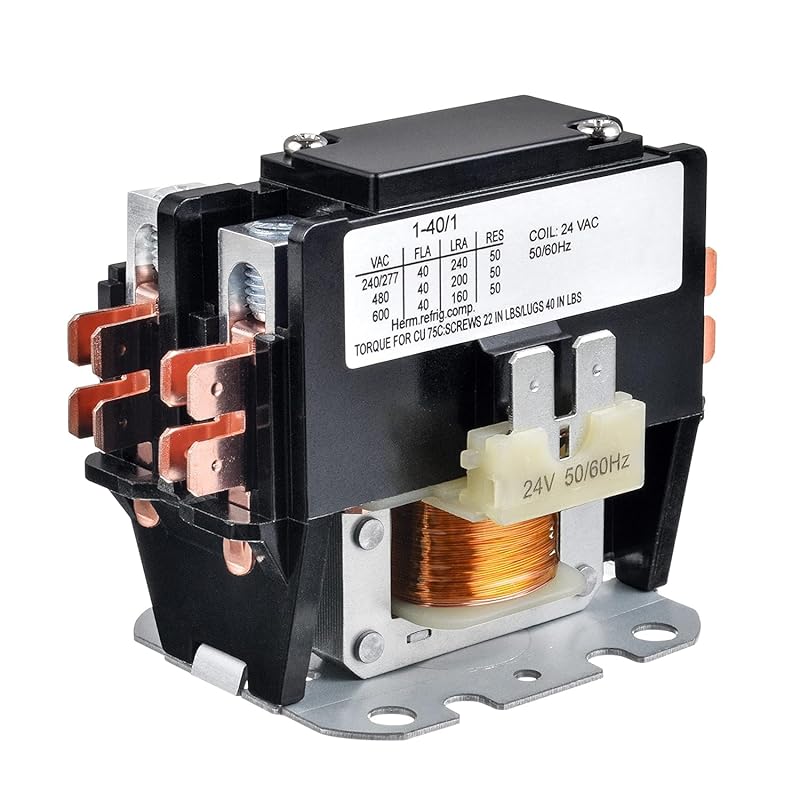
The capacitor, meanwhile, provides the initial jolt of energy needed to spin the compressor and fan motors. Over time, capacitors dry out and lose efficiency. Signs include a humming sound with no startup, or the fan spinning slowly. Replacing a capacitor isn’t hard, but always disconnect power first and discharge the old one safely (it stores electricity!).
5. Dirty or Blocked Airflow
Air conditioners need clean filters and unobstructed airflow to operate efficiently. A clogged filter or debris around the intake/exhaust vents can trigger safety mechanisms that prevent startup.
Remove and clean the air filter—ideally monthly during heavy use. Replace disposable ones as recommended. Then, check the outdoor vent cap (the large plastic grille on top of your RV). Make sure it’s free of leaves, dirt, or spider webs. Also, ensure the area around the condenser coils (usually behind the vent cap) isn’t blocked by furniture, tarps, or other obstructions.
6. Thermal Overload Protection
Like human beings, RV air conditioners have built-in safety features. One of the most important is thermal overload protection—a safeguard that shuts down the compressor if it gets too hot.
This often happens in extreme heat (above 105°F/40°C) or if the outdoor unit is surrounded by poor ventilation. Wait 15–30 minutes, then try again. If it still won’t start, clean the coils and ensure proper airflow around the unit. Never cover or block the outdoor vent.
7. Damaged Wiring or Connections
Over time, vibration, moisture, and temperature swings can loosen wires inside your RV—especially at connection points like the thermostat, control board, or power inlet. Loose or corroded wires interrupt the electrical path needed to start the motor.
Start by turning off the power and removing the thermostat cover. Look for loose screws, frayed wires, or corrosion (white/green powder around connectors). Tighten any loose terminals and clean corrosion with a wire brush or vinegar solution. Then, reassemble and test.
8. Compressor or Motor Failure
In rare cases, the heart of your Carrier AC—the compressor—may be failing. Symptoms include no sound at all, or a single loud pop followed by silence. Internal motor windings can burn out, leaving the unit dead in the water.
If everything else checks out and the unit remains completely unresponsive, this could be the issue. Diagnosing internal motor problems requires professional tools. While DIY-friendly for many tasks, compressor replacement should be handled by an HVAC technician familiar with RV systems.
Step-by-Step Troubleshooting Guide
Now that you know the common causes, here’s a practical checklist to follow when your Carrier RV air conditioner won’t start. Work methodically from simple to complex.
Visual guide about Carrier Rv Air Conditioner Not Starting
Image source: cdx-prod-ssc-frontend.cardx.co.th
Step 1: Confirm Power Availability
- Test your 12V house batteries with a multimeter.
- Verify shore power connection is secure and functional.
- Check inverter status if applicable.
Step 2: Inspect Electrical Components
- Reset the AC circuit breaker in your main panel.
- Press reset on any GFCI outlets near the power source.
- Replace the fuse if present and suspected blown.
Step 3: Evaluate the Thermostat
- Set to “Cool” and temperature 5–10 degrees below current room temp.
- Switch fan mode to “On.”
- Replace batteries if applicable.
- Look for error codes per your manual.
Step 4: Examine the Outdoor Unit
- Clear debris from the vent cap and surrounding area.
- Clean or replace the air filter.
- Ensure no objects are blocking airflow.
Step 5: Check Internal Wiring
- Turn off power and remove thermostat cover.
- Inspect for loose, damaged, or corroded wires.
- Tighten connections and clean corrosion.
Step 6: Listen for Diagnostic Cues
- Note any beeps, clicks, or hums during attempts.
- Consult your Carrier owner’s manual for sound meanings.
Step 7: Test Under Load
- If possible, run another appliance to confirm full power availability.
- Avoid overloading circuits when testing.
When to Call a Professional
If after completing all steps your Carrier RV air conditioner still won’t start, it’s time to bring in help. Signs you need a technician include:
- Repeated tripping of the breaker.
- Visible smoke, burning smell, or melted components.
- No response even after replacing capacitors, fuses, and checking wiring.
- Error codes not explained in your manual.
HVAC specialists familiar with RV systems can perform advanced diagnostics like voltage drop tests, refrigerant level checks, and compressor health assessments. They also carry OEM parts, ensuring compatibility and longevity.
Preventative Maintenance Tips
Prevention is always better than cure—especially when it comes to keeping your Carrier RV air conditioner running smoothly. Regular maintenance not only avoids startup issues but also extends the life of your unit by years.
Monthly Tasks
- Clean or replace the air filter.
- Inspect outdoor vent for debris.
- Check all electrical connections for tightness.
Seasonal Prep
- Before spring/summer travel, inspect belts and pulleys.
- Lubricate moving parts as per manufacturer specs.
- Test thermostat operation in different modes.
Long-Term Care
- Keep a log of performance and any unusual sounds.
- Store your RV in shaded areas when possible to reduce heat stress on the AC.
- Use surge protectors when hooking up to campground power.
Final Thoughts
A Carrier RV air conditioner that won’t start doesn’t have to mean disaster. With a calm approach and a methodical checklist, most owners can identify and fix the problem themselves—saving time, money, and vacation plans. Remember: silence usually means an electrical issue; humming or clicking suggests mechanical faults. Trust your ears and eyes, and never hesitate to consult your user manual.
Whether it’s a simple breaker reset or a deeper wiring issue, understanding the anatomy of your AC empowers you to act confidently. And when in doubt, reach out to a trusted RV service provider. After all, staying cool shouldn’t be stressful—it should be part of the adventure.
Frequently Asked Questions
How long should it take for an RV air conditioner to cool a room?
Answer: Typically 15–30 minutes depending on room size, insulation, and outside temperature. Carrier units are designed for efficient cooling, but performance drops significantly above 95°F (35°C).
Can I run my RV AC on 110V instead of 120V?
Answer: Technically yes, but voltage fluctuations are common in campgrounds. Running a 120V system on 110V may cause insufficient power delivery, leading to poor performance or startup failures. Use a voltage stabilizer if needed.
Do I need special tools to troubleshoot my Carrier AC?
Answer: Basic tools like a screwdriver and multimeter are sufficient for most checks. Advanced diagnostics may require specialized equipment like a clamp meter or refrigerant gauge kit—best left to professionals.
Will a weak battery stop my RV AC from working?
Answer: Yes, if you’re relying solely on house batteries without an active converter or inverter-charger combo. The AC draws high amperage, which a weak or deeply discharged battery cannot sustain. Always maintain healthy 12V house batteries.
What’s the average lifespan of a Carrier RV air conditioner?
Answer: With proper care, most last 10–15 years. However, usage frequency, climate conditions, and maintenance quality greatly influence longevity. Annual professional servicing can extend life beyond 20 years.
Can extreme cold affect my RV AC’s ability to start?
Answer: Cold temperatures (<32°F/0°C) can thicken lubricants and increase startup resistance slightly, but modern Carrier units are designed to handle winter storage. Startup issues in cold weather are more likely due to moisture freezing in lines—not the AC itself.