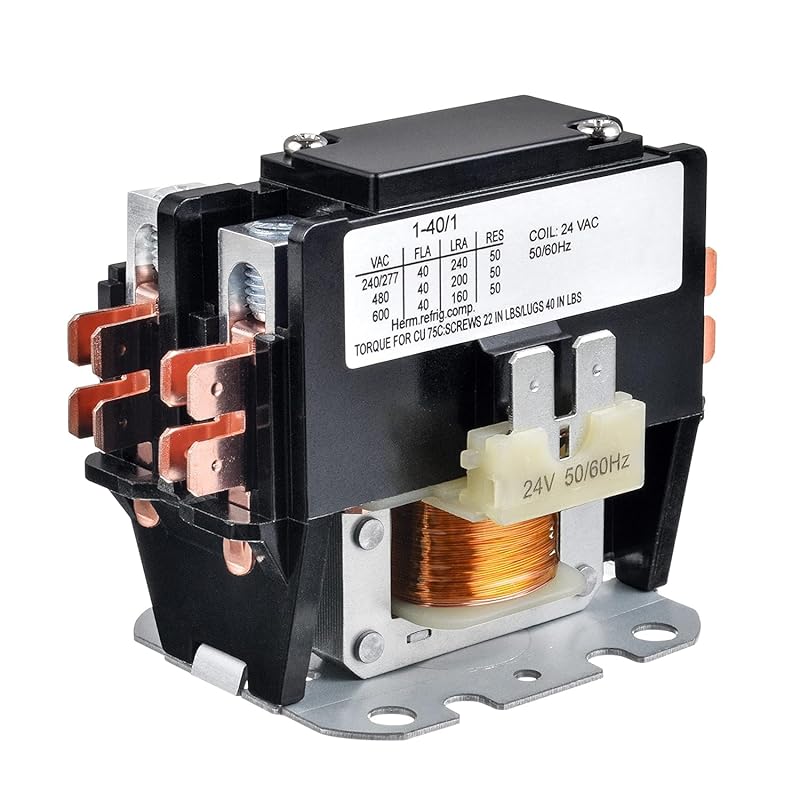
Your Carrier RV air conditioner isn’t turning on—don’t panic. This guide walks you through the most common causes of no power, like blown fuses, faulty thermostats, or wiring issues. With simple diagnostics, you can often fix the problem yourself and get back to enjoying cool comfort on the road.
If your Carrier RV air conditioner has suddenly stopped working and shows no signs of life—no fan spin, no clicking, no lights—chances are you’re dealing with a “no power” issue. This can be incredibly frustrating, especially during hot summer months when you need reliable cooling the most. The good news? Most Carrier RV air conditioners that won’t turn on are caused by simple, fixable problems. In this comprehensive guide, we’ll walk you through every possible cause of Carrier RV air conditioner no power, how to diagnose them, and how to fix them yourself—saving you time, money, and stress.
Carrier is one of the most trusted names in RV air conditioning, known for durability and performance. But even top-tier systems can fail due to electrical issues, wear and tear, or user error. Whether you’re parked at a campsite or boondocking off-grid, knowing how to troubleshoot power problems can get you back to comfort quickly. We’ll cover everything from checking your battery and fuses to inspecting internal components like capacitors and thermostats. Let’s dive in and get your cool breeze flowing again!
Key Takeaways
- Battery and power source check: Always start by confirming your RV’s battery or shore power is charged and connected properly.
- Thermostat malfunction: A faulty thermostat is a frequent cause of no power—replace it if voltage readings are inconsistent.
- Fuse or breaker failure: Blown fuses or tripped breakers block power flow; inspect and replace as needed.
- Wiring or connection issues: Corroded or loose wires can prevent power delivery—inspect terminals and clean connections.
- Capacitor problems: A bad start capacitor can stop the AC from receiving initial power—test and replace if out of spec.
- Compressor lockout: Thermal overload switches may shut off the unit to protect it—reset after allowing cooldown time.
- Professional help: If basic troubleshooting fails, contact a certified HVAC technician for advanced diagnostics.
Quick Answers to Common Questions
Why won’t my Carrier RV air conditioner turn on?
Answer: The most common reasons are a dead battery, blown fuse, faulty thermostat, or loose wiring. Start by checking power sources and fuses, then inspect connections and internal components like capacitors.
How do I know if my RV battery is causing the AC problem?
Answer: Use a multimeter to check battery voltage. If it reads below 12V, the battery is likely drained. Recharge it fully and test the AC again. Low voltage prevents proper startup.
Can a bad thermostat cause no power at all?
Answer: Yes. A malfunctioning thermostat may not send the signal to activate the compressor or fan. Test it with a multimeter or swap it with a known-good one to confirm.
What does a blown fuse look like?
Answer: A blown fuse often has a visible break in the metal strip inside or a darkened appearance. It may also smell slightly burnt. Replace it with one of the same amperage rating.
Is it safe to test internal components myself?
Answer: Basic tests (like checking voltage or replacing fuses) are safe. However, testing capacitors or opening internal panels requires caution. Disconnect power first and consult a manual or professional if unsure.
📑 Table of Contents
Understanding How Carrier RV Air Conditioners Work
Before we jump into troubleshooting, it helps to understand how your Carrier RV air conditioner powers up. These units rely on a 12V DC circuit for control functions (like the thermostat) and a 120V AC circuit for the compressor and blower motor. When you flip the switch, power flows through the control board, which then energizes the compressor and fan. If any part of this chain is broken, the system won’t start—even if the unit appears intact.
The Power Flow Chain
Think of your RV AC as a circuit: Battery or shore power → Fuse/ breaker → Control board → Thermostat → Compressor/ fan. A break anywhere stops the whole process. Common weak points include the fuse box, thermostat wiring, and internal relays. Identifying where the power cuts off is key to fixing the problem fast.
Step-by-Step Diagnosis for Carrier RV AC No Power
Diagnosing a no-power issue starts with the basics and moves inward. Follow this logical sequence to pinpoint the problem without unnecessary guesswork.
Visual guide about Carrier Rv Air Conditioner No Power
Image source: esle.io
1. Check Your Battery and Power Source
First, confirm your RV has power. Is the 12V battery charged? If you’re boondocking, a dead battery is a common culprit. Use a multimeter to test the battery voltage—it should read around 12.6V when fully charged. If it’s below 12V, recharge or replace the battery.
Also, verify shore power or generator output if you’re connected. A loose or damaged power cord can cut off electricity entirely. Inspect the connector for bends, cracks, or dirt. Try plugging into a different outlet to rule out site issues.
2. Inspect Fuses and Breakers
Every Carrier RV AC has multiple fuses and breakers protecting its circuits. Locate your fuse box (usually near the battery or AC unit) and look for blown fuses or tripped breakers. Common ones include the 30A or 50A main breaker, as well as smaller inline fuses for the control board.
Replace any blown fuses with the exact amperage specified. Never skip this step—a failed fuse often indicates a deeper issue, so inspect wiring for damage while you’re at it.
3. Test the Thermostat
A malfunctioning thermostat can trick the system into thinking there’s no demand for cooling. First, ensure the thermostat is set to “cool” and the temperature is lower than room temp. If it still won’t power on, disconnect it temporarily and use a multimeter to check for 12V at the terminals. No voltage? The issue is upstream. If voltage is present but the AC won’t run, the thermostat itself may be faulty—replace it.
4. Examine Wiring and Connections
Loose, corroded, or damaged wires are another frequent cause of no power. Inspect all visible wiring from the battery to the AC unit. Look for frayed insulation, burnt spots, or disconnected plugs. Pay special attention to the ground wire—poor grounding prevents power from completing the circuit.
Clean any corrosion with a wire brush and apply dielectric grease to prevent future buildup. Tighten all terminal connections using a torque wrench if possible.
Common Internal Components That Cause No Power
If external checks don’t reveal the issue, the problem likely lies inside the AC unit. Carrier RVs use robust components, but they’re not immune to failure.

Visual guide about Carrier Rv Air Conditioner No Power
Image source: template.canva.com
Capacitors: The Power Boosters
Capacitors store electrical energy and give the compressor and fan motor the jolt they need to start. A bad capacitor can leave your AC completely dead. Use a multimeter to test capacitance—compare readings to the label on the capacitor. If it’s significantly off (more than ±10%), replace it.
Warning: Never touch capacitor terminals with bare hands. Discharge them first using an insulated screwdriver.
Control Boards and Relays
The control board manages power distribution within the AC. Faulty relays or fried boards can block power to critical components. Look for burn marks or scorch marks around the board. If the board tests dead, replacement is usually necessary.
Compressor Overload Switches
These safety devices shut off the compressor if it overheats. If the switch trips, the AC won’t restart until it cools down. Allow 30–60 minutes, then try again. If it won’t reset, the overload may be defective.
Boondocking vs. Shore Power Issues
The power source affects how your AC behaves. Boondockers rely on deep-cycle batteries, which can drain quickly under high load. If your AC runs for a few minutes then dies, the battery may be failing. Install a battery monitor to track voltage drop during operation.
On shore power, ensure your inverter (if used) is functioning. An underpowered inverter can’t support the AC’s startup surge. Upgrade to a pure sine wave inverter rated above 3000W for best results.
Preventive Maintenance Tips
Regular maintenance keeps your Carrier RV AC powered and efficient. Clean the condenser coils annually, replace air filters monthly, and inspect wiring every season. Keep the exterior unit free of debris to prevent overheating.
Also, consider installing a surge protector to guard against power spikes that can fry internal components. These small investments pay off in longevity.
When to Call a Professional
If you’ve checked all fuses, batteries, and wiring and the AC still has no power, it’s time to call a certified HVAC technician. Complex internal faults—like a shorted transformer or failed control module—require specialized tools and knowledge.
Attempting advanced repairs without training can void warranties or create safety hazards. Better safe than sorry!
Frequently Asked Questions
How do I reset my Carrier RV air conditioner?
Answer: Turn off the main breaker, wait 5 minutes, then turn it back on. Some models have a reset button on the control board. This clears thermal locks and resets the system.
Why does my AC work sometimes but not others?
Answer: Intermittent power issues often stem from loose connections, a failing battery, or a faulty relay. Check all wiring and test the battery under load.
Can weather affect my RV AC’s power supply?
Answer: Extreme heat increases AC demand, which can drain batteries faster. Cold temperatures may reduce battery efficiency. Ensure your power setup matches your usage needs.
Do I need a special tool to test my AC capacitor?
Answer: A digital multimeter is sufficient for testing capacitance. Make sure the capacitor is fully discharged before touching it.
How often should I replace my RV air conditioner’s capacitor?
Answer: Capacitors typically last 5–10 years. Replace it proactively if your unit is older or shows signs of starting issues.
Can I use my RV AC without a battery?
Answer: Only if you’re on stable shore power with a reliable inverter. Batteries provide backup power during outages and help with startup surges.