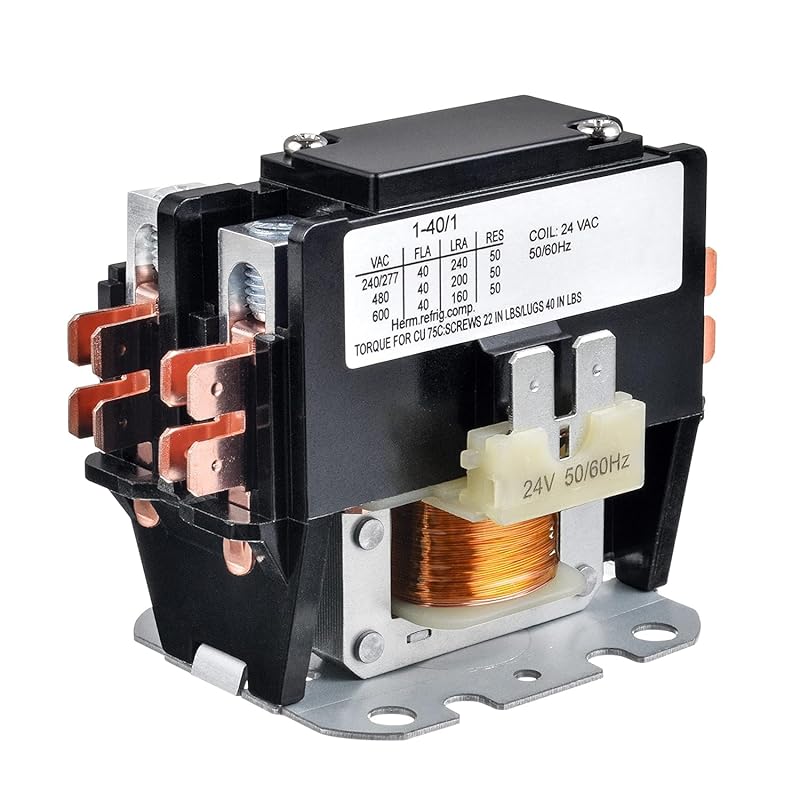
A flashing red light on your Carrier RV air conditioner is a warning sign that something isn’t right. This could indicate issues like low refrigerant levels, electrical faults, or sensor malfunctions. Ignoring it may lead to poor cooling performance or even permanent damage. In this guide, we’ll walk you through what the red light means, why it happens, and how to safely resolve it—so you can get back to enjoying a comfortable ride.
Key Takeaways
- The flashing red light indicates an error or fault in the air conditioning system. It’s Carrier’s way of alerting you that the unit isn’t operating normally.
- Common causes include low refrigerant, dirty filters, faulty sensors, or electrical issues. Each has its own solution and diagnostic path.
- Resetting the unit may temporarily clear the light, but it won’t fix the root problem. A proper diagnosis is essential for long-term reliability.
- Professional servicing is recommended for complex issues like refrigerant leaks or compressor problems. DIY fixes have limits when it comes to HVAC systems.
- Regular maintenance helps prevent many of the issues that trigger the red light. Clean coils, filters, and proper ventilation go a long way.
- Always consult your owner’s manual for model-specific error codes. Not all Carrier RVs use identical control logic.
- Never ignore the flashing red light during operation. Continuing to run the AC with a fault can cause further damage.
Quick Answers to Common Questions
Is it safe to continue using my RV AC with the red light flashing?
No, continuing to operate the unit with a flashing red light can worsen the underlying issue and potentially cause permanent damage to the compressor or electrical components. It’s best to stop using it until the problem is resolved.
Can I reset the red light myself?
Yes, you can perform a hard reset by turning off the AC, unplugging it, waiting 10 minutes, and restoring power. This often clears temporary glitches. However, if the light returns immediately, there’s likely a persistent fault that needs addressing.
How do I find my Carrier RV AC’s model number?
Look for a label on the side or top of the unit—usually includes letters and numbers like “CAR15S12A” or similar. You can also find it in your owner’s manual or original paperwork.
Will a dirty filter really cause a red light?
Absolutely. Restricted airflow leads to coil freezing, melted ice flooding the drain pan, and triggering moisture sensors—all of which activate the red warning light as a safety measure.
How often should I service my RV AC?
At minimum, inspect and replace the filter monthly during hot weather. Annual professional servicing is ideal to check refrigerant levels, clean coils, and test sensors.
📑 Table of Contents
Why Is My Carrier RV Air Conditioner Flashing Red Light?
If you’re reading this, chances are you’ve seen that dreaded flashing red light on your Carrier RV air conditioner’s display. It’s not just annoying—it’s a signal from your AC that something’s wrong. Unlike a steady green or blue light, which means everything’s running smoothly, a blinking red usually means the system has detected a fault and needs attention. Whether you’re parked at a campsite or driving down the highway, this warning shouldn’t be ignored.
Carrier RV air conditioners are built for durability and efficiency, but like any mechanical system, they’re prone to issues over time. The flashing red light is part of the unit’s built-in diagnostics—a safety feature designed to protect both the appliance and your comfort. When the light starts blinking, the control board has logged an error code, often related to temperature, pressure, airflow, or electrical conditions. While it might seem scary at first, understanding what’s happening can help you respond quickly and effectively.
In this comprehensive guide, we’ll break down every possible reason your Carrier RV AC might be flashing red, explain how to interpret the pattern of the blink (yes, there’s meaning behind the rhythm!), and provide step-by-step troubleshooting tips. We’ll also cover when to call a pro versus when you can handle it yourself. By the end, you’ll know exactly what to do next—and how to prevent future red-light emergencies.
Understanding Carrier RV AC Error Codes
What Does the Flashing Red Light Mean?
The flashing red light on your Carrier RV air conditioner is essentially the system’s “check engine” light. It tells you that the onboard computer has detected an anomaly. Unlike older models that only had simple on/off switches, modern Carrier units come equipped with microprocessors that monitor dozens of variables—temperature sensors, fan speeds, compressor cycles, voltage levels, and more. If any of these fall outside safe operating ranges, the control board triggers a fault code and activates the warning light.
Visual guide about Carrier Rv Air Conditioner Flashing Red Light
Image source: assets.atmos-tokyo.com
Most Carrier RV ACs use a blink-code system to communicate specific errors. For example, one flash might mean “high pressure,” two flashes could indicate “low voltage,” and so on. These patterns vary slightly by model year and unit type, so consulting your owner’s manual is crucial. However, some general rules apply across many models: a slow blink usually points to a minor issue like a dirty filter, while rapid blinking often signals something more serious, such as a failing capacitor or compressor lockout.
How to Decode Blinking Patterns
Decoding the blinking sequence is the first step toward fixing your unit. Most Carrier RV ACs follow a standardized blink pattern where each number of blinks corresponds to a specific error code. Here’s how to read it:
- Turn off the AC completely (not just set to off—unplug or turn off the circuit breaker).
- Wait 10 seconds, then turn it back on.
- Observe the number of blinks in each sequence. Count carefully—some errors repeat after a pause.
- Record the total number of flashes before pausing, then again after the pause.
For instance, if you see three short blinks, followed by a pause, then another three blinks, that’s typically code “3.” Some models also include a fourth digit indicating severity (e.g., 3-1 = minor, 3-2 = major). Again, your manual will confirm the exact meaning for your specific unit.
Common Causes of the Flashing Red Light
1. Low Refrigerant Levels
One of the most frequent reasons for a flashing red light is low refrigerant charge. Carrier RV ACs rely on a precise amount of refrigerant to absorb heat from inside your RV and transfer it outdoors. If the level drops too low—due to a leak or improper recharge—the system becomes inefficient and may overheat or cycle improperly.
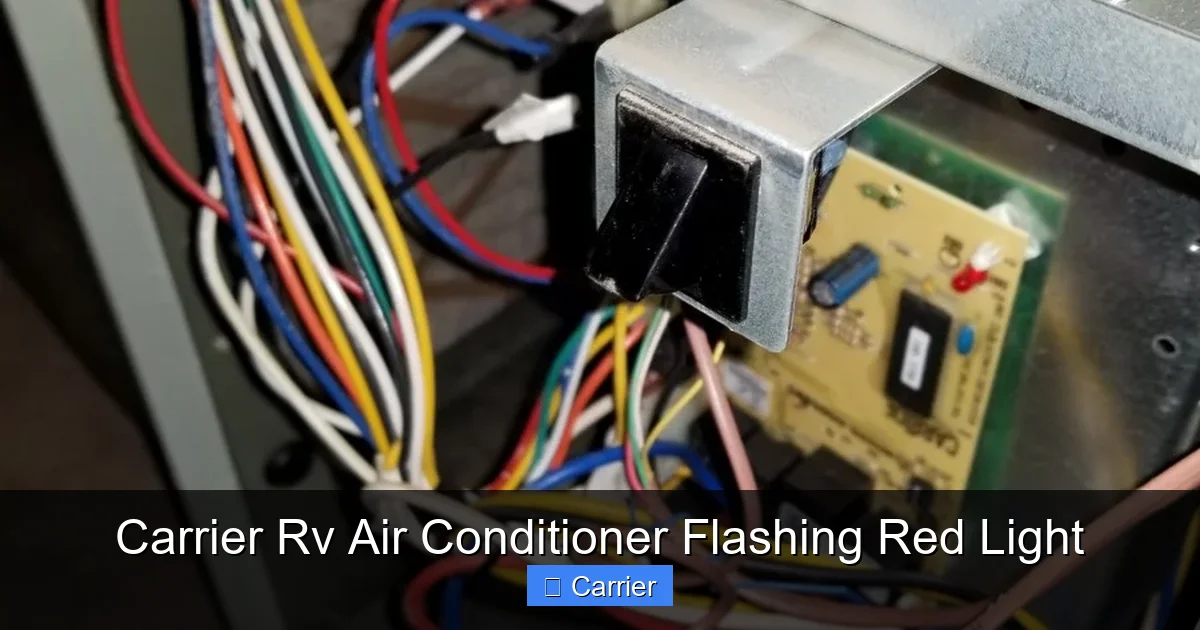
Visual guide about Carrier Rv Air Conditioner Flashing Red Light
Image source: images.saymedia-content.com
Symptoms of low refrigerant include weak cooling, ice buildup on the evaporator coil, and the compressor cycling on and off rapidly. The control board detects abnormal pressure readings and triggers the red light to prevent damage. Unfortunately, this isn’t a fix you can do with a spray bottle of Freon—refrigerant requires specialized equipment and EPA certification to handle legally and safely.
2. Dirty or Clogged Air Filters
A clogged air filter restricts airflow across the evaporator coil, causing the coil to freeze up. When the ice melts, excess moisture drips into the drain pan and can flood the area beneath your RV. This triggers a moisture sensor, which Carrier’s system interprets as a potential flood risk—hence the red light.
Replacing or cleaning the filter is simple: locate the return air vent (usually near the ceiling), remove the cover, slide out the filter, and either clean it with water or replace it entirely. Most RVs need new filters every 1–3 months, depending on usage and environment. Neglecting this basic maintenance is one of the easiest ways to trigger an error light.
3. Faulty Temperature Sensors
Carrier ACs use multiple sensors to monitor temperatures at different points in the system. If one of these sensors fails or drifts out of calibration, the control board may misinterpret conditions and shut down the unit preemptively. For example, a bad evaporator temperature sensor might falsely report freezing temps, leading the system to cut power and flash the red light.
Sensor issues are tricky because they don’t always show visible signs. You might still get cool air, but the unit refuses to run properly. In such cases, a technician can test sensor resistance with a multimeter and replace any that fall outside factory specs.
4. Electrical Issues
Power supply problems are another common culprit. Voltage fluctuations, loose connections, or failing capacitors can confuse the control board. A weak capacitor, for instance, might not provide enough starting torque for the compressor, causing the motor to stall and trigger a fault code.
Electrical faults often accompany other symptoms like humming sounds, delayed startup, or intermittent operation. Checking fuses and ensuring tight wiring connections can help rule out simple fixes. But again, working with live circuits carries risks—so if you’re unsure, skip ahead to professional help.
5. Drain Pan Overflow or Blocked Drain Line
As mentioned earlier, water pooling in the drain pan due to restricted drainage can activate safety sensors. Over time, mold, algae, or debris can block the small PVC drain line running from the unit to the exterior. When water backs up, it reaches the float switch—a device that detects liquid level—and trips the system.
Clearing the drain line is a straightforward task: disconnect the hose from the bottom of the unit, blow compressed air through it, or flush it with vinegar and water. Just make sure to place a bucket underneath to catch residual water.
Troubleshooting Steps You Can Try Yourself
Step 1: Power Cycle the Unit
Before diving into complex diagnostics, try a full power cycle. Turn off the AC, unplug it from the power source (or flip the breaker), wait 10 minutes, then plug it back in. This resets the control board and clears temporary glitches. Sometimes, the red light was caused by a momentary surge or software hiccup—and a reset fixes it instantly.
Step 2: Inspect and Replace the Filter
Locate your air filter (typically behind a grille on the return side of the unit). If it’s dusty or visibly dirty, replace it. Even if it looks okay, swap it out if it’s been more than three months. A clean filter ensures proper airflow and prevents coil freezing.
Step 3: Check the Drain Line
Remove the drain hose from the bottom of the unit. Blow air through it or pour warm soapy water to clear blockages. Ensure the hose slopes downward to the exterior without kinks. If water flows freely, reattach securely and test the unit.
Step 4: Look for Obvious Damage
Inspect the exterior fins for bent or damaged sections. Bent fins restrict airflow and reduce efficiency. Use needle-nose pliers to gently straighten them—but avoid breaking the thin aluminum.
Step 5: Note the Blink Pattern
Once powered back on, observe the red light carefully. Count the blinks and pauses. Write it down and compare it to your manual’s error code chart. If you can’t find the info, search online using your exact model number (e.g., “Carrier 13SEER 15000 BTU RV AC error code 3”).
When to Call a Professional
While basic maintenance tasks like filter changes and drain-line cleaning are DIY-friendly, certain issues require certified HVAC technicians. If your Carrier RV AC continues flashing red after a reset and you suspect:
- Refrigerant leakage
- Compressor failure
- Motherboard or sensor replacement
- Complex electrical rewiring
…then it’s time to call a pro. Attempting to repair refrigerant systems without EPA Section 608 certification is illegal in the U.S. And replacing internal components like compressors or control boards demands specialized tools and expertise. A qualified technician can diagnose accurately, perform repairs safely, and ensure your warranty remains valid.
Preventive Maintenance Tips
The best cure for a flashing red light is prevention. Follow these habits to keep your Carrier RV AC running smoothly:
- Clean or replace filters monthly during peak cooling season.
- Vacuum dust from condenser coils annually (use a soft brush attachment).
- Test the thermostat** regularly to ensure accurate readings.
- Keep vents unobstructed—no furniture blocking airflow.
- Schedule professional tune-ups every 2–3 years, especially before summer travel.
Also, avoid overloading your electrical system. Carrier RV ACs draw significant amperage—typically 10–15 amps per ton. Make sure your shore power or generator can handle the load without brownouts.
Conclusion: Stay Cool and Confident
A flashing red light on your Carrier RV air conditioner doesn’t have to ruin your trip. With a little knowledge and patience, most issues are manageable—and many can be avoided with routine care. Remember: the red light is your friend. It’s telling you something needs attention before bigger problems develop.
Start by decoding the blink pattern, checking the basics like filters and drains, and resetting the unit. If the problem persists, gather your model number and owner’s manual, then consult a trusted RV service center. And never skip preventive maintenance—it’s the single best investment in comfort and longevity.
Whether you’re boondocking in the desert or parked at a lakeside campground, your Carrier RV AC should keep you cool and relaxed. Don’t let a mysterious red light steal the joy from your adventure. Take action today, and enjoy peace of mind tomorrow.
Frequently Asked Questions
What does a single flash of red mean on my Carrier RV AC?
A single flash usually indicates a minor issue such as a dirty air filter or slight sensor drift. It’s often non-critical and may resolve after cleaning or resetting the unit.
Can extreme heat cause the red light to flash?
Extreme ambient temperatures alone won’t trigger the red light unless they stress the system beyond design limits—like running the AC in 110°F+ heat with poor ventilation or low refrigerant.
Do all Carrier RV AC models use the same blink codes?
No—while many use similar logic, newer models may have updated firmware with different codes. Always refer to your specific model’s manual for accurate interpretation.
Is it expensive to fix a refrigerant leak?
Repair costs vary, but fixing a leak typically involves labor plus refrigerant recharge. Prices range from $200–$600 depending on complexity and parts needed. Prevention via maintenance saves money long-term.
Can I drive my RV with the AC flashing red?
It’s risky. The unit may shut down mid-drive due to overheating or electrical faults, leaving you stranded. Park safely and address the issue before continuing your journey.
How long should my RV AC last?
With proper care, Carrier RV ACs typically last 10–15 years. Regular filter changes, coil cleaning, and avoiding overloads significantly extend lifespan beyond average expectations.